You see a flash of pink in a pet store or a photo online, and the question pops into your head: are there any pink reptiles, or is this some kind of filter trick? Let's settle this right away. Yes, pink reptiles absolutely exist. They're not common, but they're real, and the reasons behind their color are as fascinating as the animals themselves. This isn't about finding a single mythical creature; it's about exploring a whole spectrum of snakes, lizards, and more that wear shades of rose, coral, and magenta. Some are born that way due to genetics, others achieve it through selective breeding in captivity, and a few even change to pink temporarily. If you're curious about which species can be pink, why they look that way, and what it takes to care for one, you're in the right place.
What You'll Find Inside
Why Would a Reptile Be Pink Anyway?
Think about it. In the wild, green and brown are the go-to colors for camouflage. Pink? Not so much. So when we see a pink reptile, there are usually two main drivers: pigmentation and light tricks.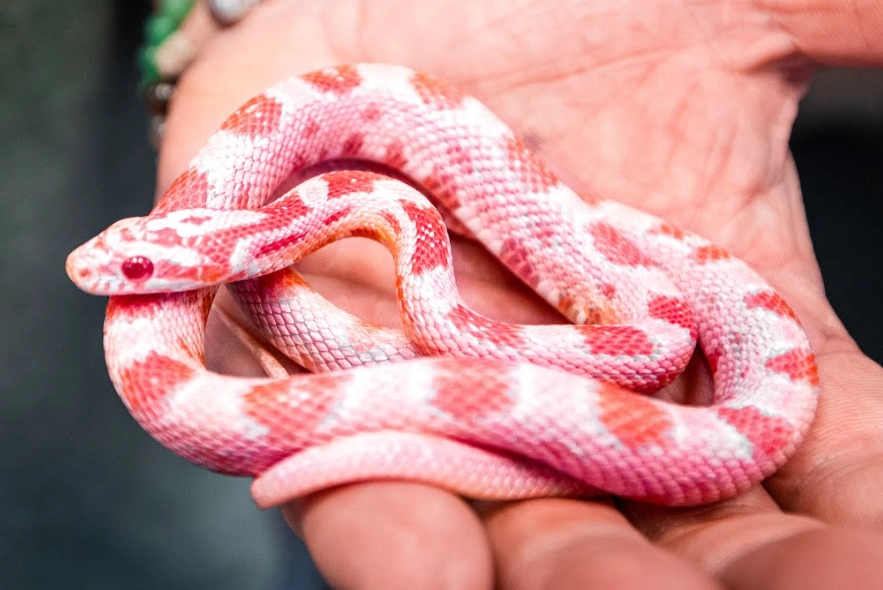
Most reptile colors come from cells called chromatophores. The ones that give us pinks and reds are erythrophores or xanthophores, which contain carotenoid and pteridine pigments. In many naturally pink reptiles, these pigments are expressed strongly due to their genetics. A great example is the Madagascar ground gecko (*Paroedura picta*). Some populations have a beautiful, almost salmon-pink base color that's completely natural.
Then there's selective breeding. This is where herpetoculture (reptile keeping) has created some of the most vibrant pinks you'll ever see. Breeders take reptiles with a natural tendency toward red or orange hues and, over many generations, selectively pair individuals that show the most intense color. The result? Captive-bred morphs of corn snakes and ball pythons that look like they're from another planet.
A Quick Note on "Hypomelanism"
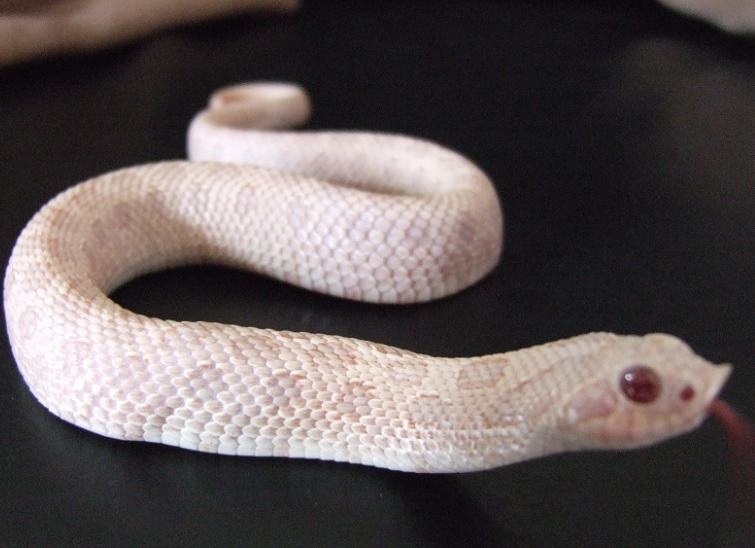
You'll hear this term a lot in reptile circles. Hypomelanism is a genetic reduction of black pigment (melanin). When you take away the dark colors, the underlying reds, yellows, and oranges become more visible. Many so-called "pink" snakes, like the albino Nelson's milk snake, are actually hypomelanistic animals showing their base reddish-pink tones more clearly. It's not a new color being added; it's a veil being lifted.
Finally, don't forget structural color. Some lizards, like certain anoles, have skin that can reflect light in a way that creates an iridescent pink or purple sheen, especially when they're displaying or under specific light. It's temporary and dazzling.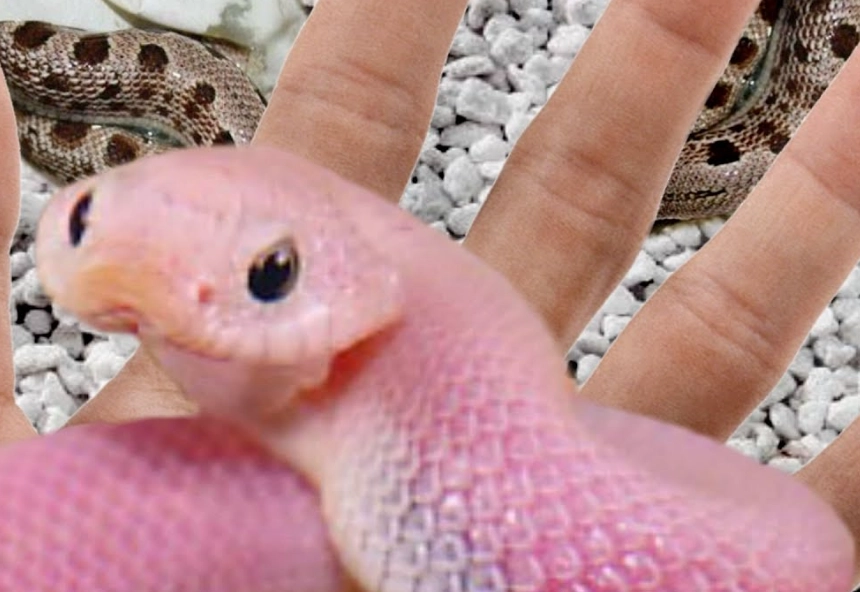
Pink Snakes: From Subtle to Stunning
This is where the pink palette really opens up. Whether you're looking at a native species or a captive-bred designer morph, snakes offer some of the most reliable pink sightings.
Naturally Occurring Pink Snakes
These snakes sport pink hues without any human genetic tinkering.
- The Corn Snake (Pantherophis guttatus) - "Miami Phase": Found in the southeastern United States, the wild Miami phase corn snake has a beautiful silver-gray background with rich, rusty-red-orange saddles. In certain light and on some individuals, that orange can lean into a definite coral or dusty pink, especially along the sides. It's a subtle, natural beauty.
- The Western Hognose Snake (Heterodon nasicus): Many wild-type hognose snakes have a tan, brown, or olive base. But I've seen specimens, particularly from certain localities, with a pronounced pinkish or salmon wash over their bodies. It's not the whole snake, but more of a warm, pinkish undertone that makes them stand out from typical earth tones.
- The Rubber Boa (Charina bottae): This docile North American boa is often described as having skin the color and texture of… well, rubber. Its color can range from tan to dark brown, but many individuals exhibit a noticeable pinkish or bronze sheen, especially after a shed.
The Captive-Bred Pink Spectrum
Here's where genetics have run wild in the best way. Through selective breeding, snake enthusiasts have developed morphs that prioritize pink coloration.
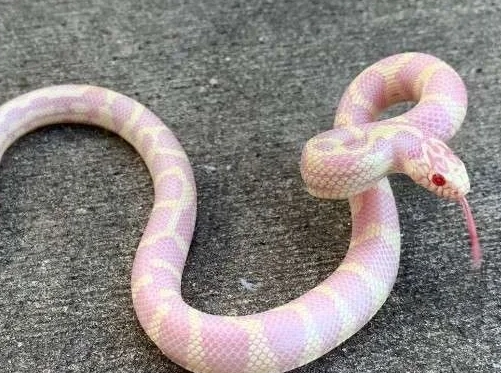
The Coral Snow Corn Snake is a masterpiece. It's a combination of the amelanistic (no black) and anerythristic (no red) genes, but somehow, through selective breeding for specific undertones, breeders have stabilized a morph that is predominantly a soft, powdery pink and light coral. It looks like a watercolor painting.
The "Strawberry" or "Peach" Ball Python (Python regius) morphs are other big ones. These aren't single genes but lines bred for intense pink and peach blushing. The pink isn't always solid; it often appears as a high-contrast blush on the lips, along the belly, and in patterns on the back. A Lavender Albino ball python can also show incredible lavender-pink hues.
A word of caution from years of visiting reptile shows: lighting is everything. Some breeders use very warm, pink-toned lights in their display enclosures to make their animals "pop." Always ask to see the snake under neutral white light to appreciate its true color.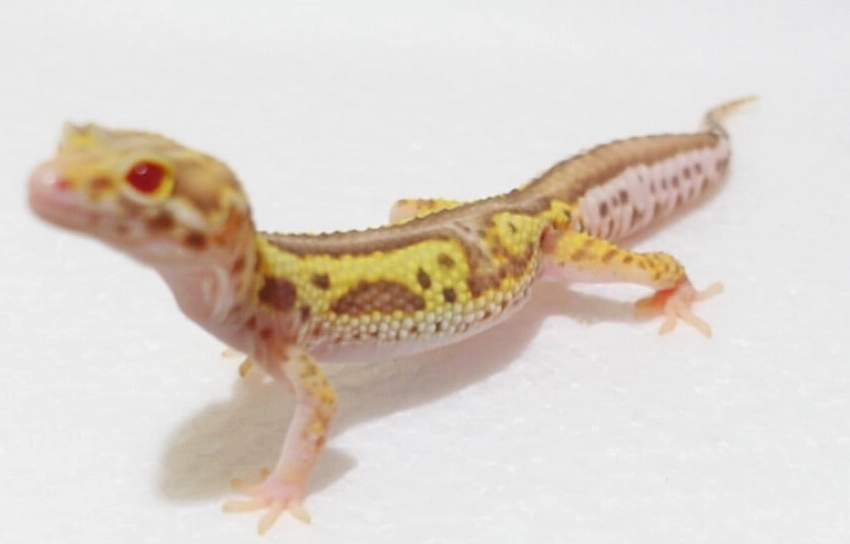
Pink Lizards & Geckos: Beyond the Green
Lizards might surprise you with their pink potential. It shows up in everything from giant iguanas to tiny geckos.
- Pink Iguana (Conolophus marthae): This is the holy grail. It's not a morph; it's a critically endangered separate species found only on the Galápagos Islands' Wolf Volcano. Its pinkish color comes from a lack of skin pigments, allowing the blood vessels to show through somewhat. You won't find this in the pet trade, and seeing one in the wild is a privilege for a handful of scientists. The IUCN Red List details its precarious status.
- Crested Gecko (Correlophus ciliatus) - "Harlequin" or "Flame" patterns: While wild crested geckos are more muted, decades of captive breeding have produced incredible color variations. Certain "harlequin" or "flame" pattern crested geckos can have extensive lateral markings in vivid shades of orange-red that, in the right individual, present as a deep, hot pink. They're a popular pet, and their pink is often combined with contrasting cream or yellow.
- Leopard Gecko (Eublepharis macularius) - "Blizzard" & "Patternless" morphs A simple, clean morph like the Blizzard (all white with no pattern) or a Patternless can sometimes hatch with a distinct pinkish hue, especially as hatchlings. This "pink phase" often fades to a more yellow or cream color as they age, but for a while, they look like little pink gumdrops.
- Madagascar Day Gecko (Phelsuma madagascariensis): The bright green of this gecko is iconic. But look closely at the area between the eye and nostril, and along the back. Many individuals have vivid red or pink spotting and marbling. It's an accent color, but it's a stunning one that proves pink and green can work together in nature.
Considering a Pink Reptile as a Pet?
That strawberry corn snake is gorgeous, but should you buy it? Here's the real talk. The color should be the last factor in your decision.
First, always prioritize species-appropriate care over color. A pink morph of a corn snake has the exact same husbandry needs—temperature, humidity, enclosure size, diet—as a normal-colored corn snake. Don't get so dazzled by the pink that you forget to research whether you can provide a proper 4x2x2 foot enclosure or a steady supply of frozen-thawed mice.
Second, be prepared for color changes. Many reptiles, especially snakes, can look their most vibrant right after a shed. Their color may also intensify with age or, conversely, fade. That stunning pink baby leopard gecko will almost certainly not be that same shade as an adult. Breeders should be upfront about this.
Finally, cost and sourcing. Rare color morphs command higher prices. A standard corn snake might cost $50, while a Coral Snow could be $300 or more. Always buy from a reputable, ethical breeder who can provide health records and information about the animal's genetics and lineage. Avoid big-box pet stores for these specialty animals; their staff rarely have the specific knowledge needed.
My personal rule? Fall in love with the species first. If you're passionate about corn snakes and their generally docile nature and manageable care, then—and only then—start looking for a color morph that speaks to you, whether it's pink, blue, or striped like a candy cane.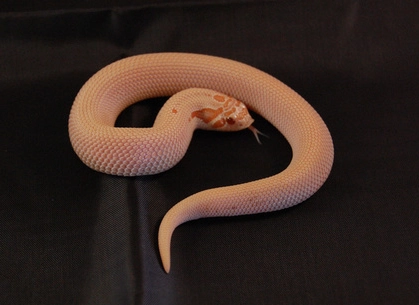
Your Pink Reptile Questions, Answered
Can I keep a pink reptile as a pet, and are they harder to care for?
You can keep many of the pink-hued morphs as pets, like pink corn snakes or crested geckos. The crucial point is their care difficulty is identical to their normally-colored counterparts. The pink color is just a cosmetic genetic trait. The challenge isn't the color; it's committing to the species' lifelong needs. A beginner might find a corn snake easier than a pink iguana (if one were available, which it's not), regardless of hue.
Do pink reptiles stay pink their whole lives?
It depends heavily on the species and the cause of the color. Genetically stable morphs like the Coral Snow corn snake will retain their pink color into adulthood. However, many baby reptiles, including some leopard gecko morphs, go through a "pink phase" that fades as they mature into their adult coloration. Always ask the breeder about expected color development—a good one will show you pictures of the parents so you know what to expect.
Are pink reptiles more expensive?
Almost always, yes. Rare or desirable color morphs created through selective breeding involve significant time and effort for the breeder. A common pet snake might cost $50-$100, while a sought-after pink morph of the same species can easily be $200-$500. The price reflects breeding project investment, not better health or easier care.
Where is the best place to see a pink reptile in the wild?
For the average person, seeing a genuinely pink reptile in the wild is incredibly rare. Your best bet is visiting specific localities for species known to have pinkish variants. The pine rocklands of southern Florida might yield a glimpse of a subtly pinkish Miami phase corn snake. Remember to observe responsibly from a distance and never remove wildlife from its habitat. For the legendary pink iguana, you'd need a scientific expedition permit to the remote Wolf Volcano in the Galápagos.
My bearded dragon has pink patches. Is this normal or a sign of illness?
This is a great, specific concern. Temporary pink patches, especially under the chin, on the beard, or on the belly, are usually part of normal coloration, temperature regulation, or social display (bearding up). However, persistent, unusual, or spreading pink/red skin, particularly if accompanied by swelling, lethargy, or loss of appetite, can be a sign of infection, septicemia (blood infection), or burns. When in doubt, a photo and a quick call to your exotic vet are the safest moves. Don't assume it's just a cool new color.
Reader Comments