If you're confused by the world of California kingsnake morphs, you're not alone. I was too, back when I bought my first "normal" phase kingsnake over a decade ago. Today, the variety is staggering – from snow-white ghosts to snakes that look like they're made of lavender chalk. This isn't just about pretty snakes. Understanding morphs is key to making a smart purchase, predicting what hatchlings might look like, and even appreciating the underlying genetics. Let's cut through the noise and look at what these morphs really are, which ones stand out, and what you need to know before bringing one home.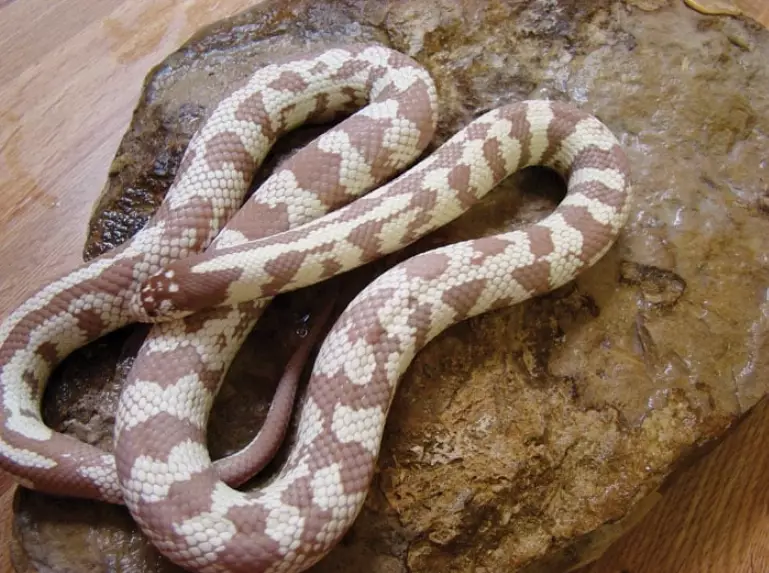
What's Inside This Guide
What Are California Kingsnake Morphs?
Simply put, a "morph" is a snake that looks different from the wild-type, or "normal," pattern and coloration due to a genetic mutation. The classic wild California kingsnake has those iconic alternating bands of black (or dark brown) and white (or cream). Every morph you see is a variation on that theme, created by selectively breeding snakes that carry specific genes. These genes affect pigment – like removing black pigment to create an Albino, or altering pattern distribution to create a High White.
It's crucial to remember that a morph is primarily about appearance. A Lavender kingsnake is still the same species, Lampropeltis californiae, with the same general care requirements as a normal one. However, some morph-specific quirks exist, which we'll get into later.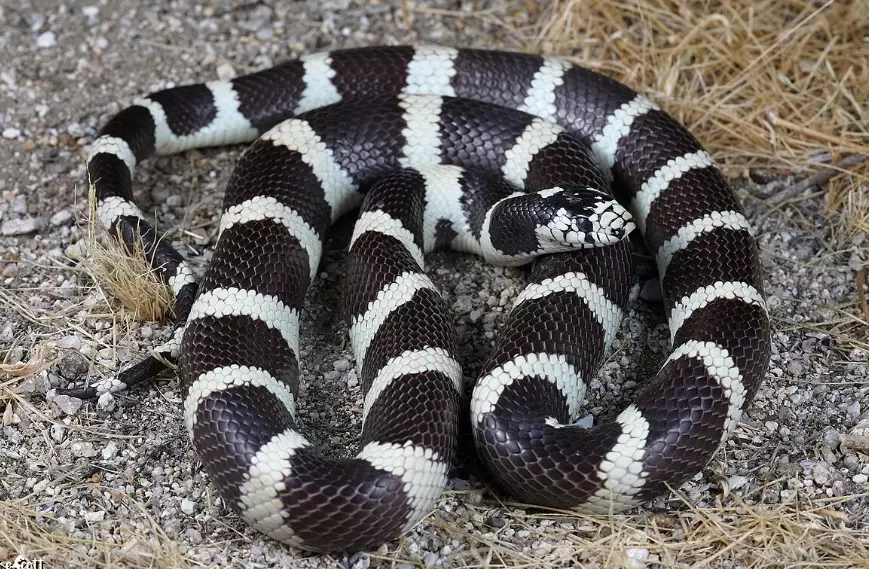
Top 5 Most Popular California Kingsnake Morphs
Based on availability at major reptile expos, online breeder listings, and sheer fan appeal, here are five morphs that consistently capture attention. Prices can vary wildly based on lineage, contrast, and the breeder's reputation.
| Morph Name | Key Appearance Traits | Genetic Basis | Price Range (Approx.) | Notes & Appeal |
|---|---|---|---|---|
| Albino (T- Albino) | Bright yellow and white bands; red eyes. | Recessive gene that removes black melanin. | $200 - $500 | The classic "first morph" for many. High contrast specimens are most sought-after. |
| High White / Reverse Stripe | Extensive white bands, often reducing black to thin lines or dots. | Polygenic trait (influenced by multiple genes). | $150 - $400 | Highly variable. Some look almost pure white with black speckles. A personal favorite for its clean look. |
| Banana / Blonde | Rich, creamy yellow bands replacing the white; brown to tan bands replacing black. | Thought to be a dominant or co-dominant mutation. | $300 - $700 | The name says it all – a warm, buttery appearance. Hatchlings often darken with age into a beautiful caramel hue. |
| Lavender | Pastel lavender, grey, and white bands; a washed-out, ethereal look. | Recessive gene affecting pigment development. | $400 - $1000+ | One of the most striking and "designer" morphs. Higher price tag due to relative rarity and unique color. |
| Blizzard | Completely patternless, ranging from pure white to light pink or yellow. | Combination of the Albino and Charcoal (or similar pattern-removing) genes. | $250 - $600 | The ultimate in simplicity. Can be prone to minor skin imperfections, so inspect carefully before buying. |
The High White California Kingsnake
Let's zoom in on one. High Whites are fascinating because they're not the result of a single, simple gene. Breeders selectively pair snakes with above-average white banding, pushing the phenotype further each generation. The result? Snakes where the white dominates, sometimes leaving the black as little more than a shadow or a series of elegant dots along the spine. I've seen some where the white is so extensive it has a slight bluish tint. The appeal is their stark, graphic quality – they look like living art.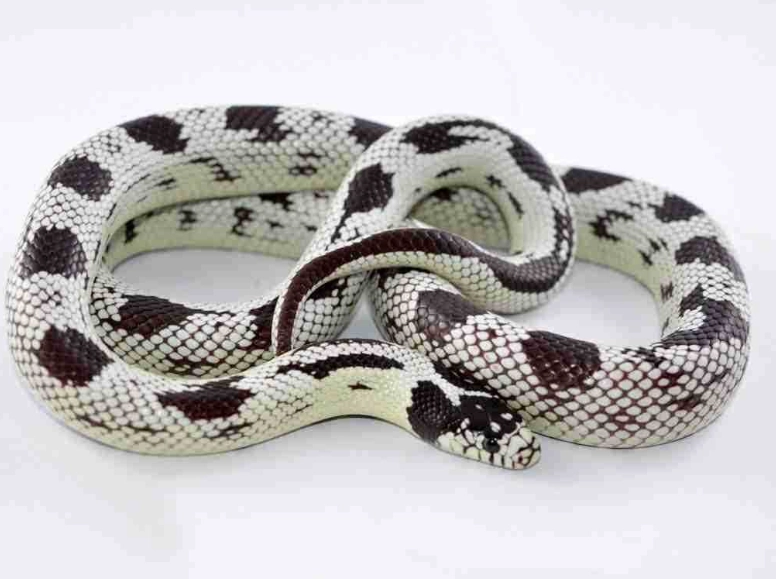
The Lavender Morph: A Closer Look
Lavenders are a great example of how subtle genetics can be. That dreamy purple-grey color isn't always apparent in hatchlings. They often start life looking like a faded normal or a weird grey Albino. The true Lavender color develops as they mature, usually after several sheds. This is a key point for buyers: don't be disappointed if a baby Lavender doesn't look like the adult photos online. Patience is part of the deal with this morph.
How to Choose Your First Kingsnake Morph
You love the look of a Blizzard, but is it the right first snake for you? Maybe not. Here's a less glamorous but more practical way to think about it.
**Health and temperament should always trump color.** A nervous, nippy Albino is a worse pet than a calm, curious normal-phase snake. Reputable breeders, like those found through the United States Association of Reptile Keepers (USARK) network, prioritize producing well-started, healthy animals, not just flashy ones.
Consider visibility. This sounds odd, but a common mistake is picking a morph that's hard to see in its enclosure. A very dark morph or a low-contrast one might just look like a shadow in the substrate. If you want to enjoy watching your snake, a higher-contrast morph like a classic Albino or a clean High White might be more satisfying.
Budget for the whole picture. That $300 Lavender hatchling needs a $200+ enclosure setup, thermostat, hides, and years of food. Don't blow your entire budget on the snake itself.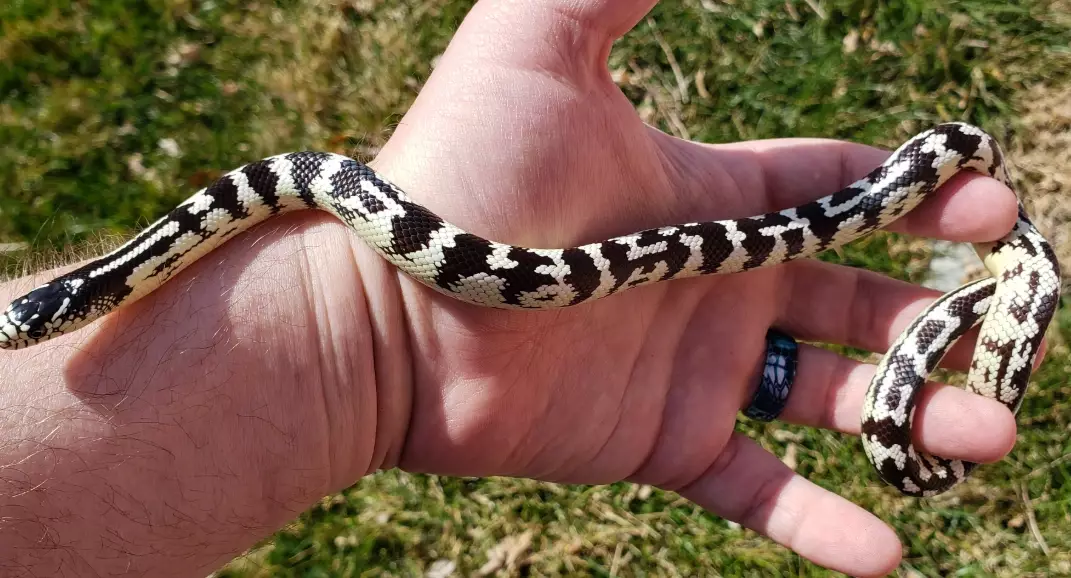
Morph-Specific Care & Breeding Insights
Do Albino kingsnakes need special care? Generally, no. Their care sheet is identical to a normal kingsnake's: a secure 40-gallon tank for an adult, a thermal gradient from 75°F (cool side) to 85°F (warm side), and appropriate humidity. However, one major exception applies to all amelanistic morphs (those lacking black pigment, like Albino and Blizzard).
They are more sensitive to light. Their red eyes and lack of dark pigment mean they have little protection against bright, direct light. You should never use overly bright lights in their enclosure, and they should not be placed in direct sunlight. It can cause stress and potentially harm their eyes. I use very low-level LED plant lights or simply rely on ambient room lighting for my Albino snakes.
Breeding California Kingsnake Morphs: The Real Story
Breeding for morphs is where genetics gets fun. But it's not a get-rich-quick scheme. It's a long-term commitment. Let's say you want to produce Lavenders. You need a pair of Lavenders, or a Lavender and a snake that definitely carries the Lavender gene (a "het"). You'll be caring for the adults for years, cycling them for breeding, incubating eggs (which can fail), and then raising a clutch of hatchlings for months until they're eating reliably and ready to sell.
The most common pitfall I see new breeders make is focusing solely on the target morph gene and ignoring everything else. They breed a stunning Lavender male to a Lavender female without considering if the female is a good size, a proven feeder, or has a calm disposition. You might get Lavender babies, but if they're all nervous and difficult to handle, you haven't done the hobby any favors. Always breed for health and temperament first, color second. Resources like the Reptiles Magazine breeding guides offer a good starting point, but nothing beats mentorship from an experienced breeder.
Your California Kingsnake Morph Questions Answered
What is the easiest California kingsnake morph to care for as a complete beginner?
Start with a normal phase or a high-contrast, common morph like a standard Albino. They are typically the hardiest, most readily available, and least expensive. This lets you invest more in your setup and learn basic kingsnake care without the pressure of a rare, expensive animal. The care is the same, but the stakes are lower.
How can I tell if a "fancy" morph like Lavender is healthy before buying online?
class="item-answer">Never buy based on a single stock photo. Ask the breeder for multiple current photos, including a clear head shot and a shot of the belly. Request a short video of the snake moving and being handled. A reputable breeder will provide this. Check for clear eyes (no retained eyecaps), smooth scales without mites or scars, and a well-rounded body—not fat, but not a triangular spine showing. Always ask about its feeding history (what, how often, frozen/thawed or live).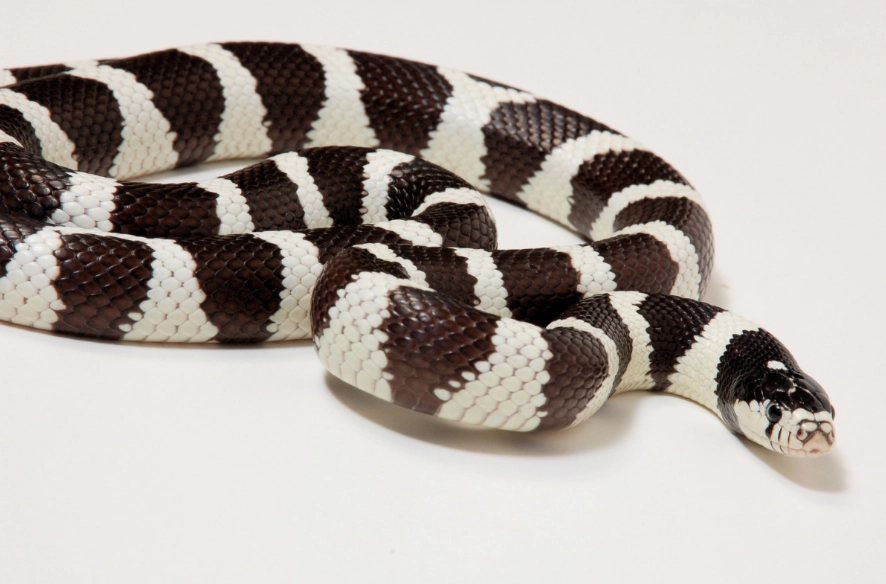 I want to breed my Banana morph. What's the one thing most first-time breeders overlook?
The post-hatching workload. Everyone gets excited about the eggs. The real work starts when 10-15 hatchlings emerge. You need 10-15 separate small enclosures, you need to track each one's first shed and first meal individually, and you'll likely have some that refuse food for weeks. You need a plan and space for all these babies for 2-4 months minimum. It's a huge commitment of time, space, and money for supplies. Many first attempts fail because the breeder is overwhelmed by the logistics of caring for a clutch.
Are there any morphs known to be more aggressive or nervous than others?
There's no scientific link between color and temperament. However, temperament is highly heritable. If a breeder is selecting only for color and ignoring temperament, their line—regardless of morph—can become more defensive. This is why buying from a breeder who handles their babies and prioritizes calm dispositions is critical. Ask the breeder directly about the temperament of the parents and the specific hatchling.
My Albino kingsnake seems to hide more than my friend's normal one. Is the morph affecting its behavior?
It's possible, but not directly because of its genetics. Albino snakes are more light-sensitive, as mentioned. If your enclosure is too brightly lit, your Albino will feel exposed and stay hidden more. Try reducing the light intensity or providing more clutter and cover. Compare your setup with your friend's—differences in hides, clutter, and lighting are more likely the cause than the morph itself.
Reader Comments