If you're searching "red tailed boa venomous," you're probably worried. Maybe you saw one in a video, at a friend's house, or even in your own backyard. The short, definitive answer is no, red tailed boas are not venomous. They are constrictors. But that simple fact opens a door to a much more interesting and practical conversation about what that really means for you, a potential bite, and if you're considering one as a pet.
What You'll Find Inside
I've kept and worked with boas for over a decade. The "venomous or not" question comes up constantly, especially from new keepers or concerned neighbors. It's not just a yes/no query. Underneath it lies a real concern about safety, which we absolutely need to address head-on, beyond the textbook definition.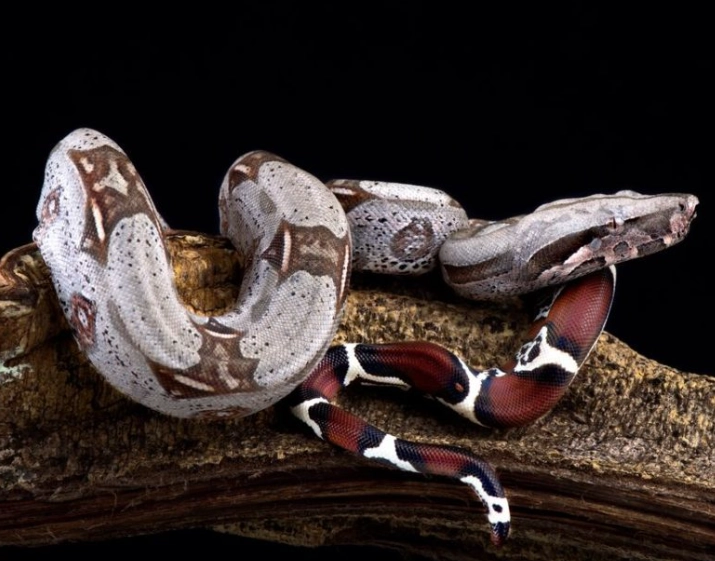
Boa vs. Venomous Snake: The Critical Difference
Mixing up constrictors and venomous snakes is a common error, but the biology is worlds apart. It's like confusing a hammer with a syringe. Both are tools, but their function is completely different.
Key Fact: Venom is injected through specialized fangs (hollow or grooved) to immobilize prey or for defense. Constriction is a physical method of subduing prey by coiling around it and applying pressure, leading to circulatory arrest.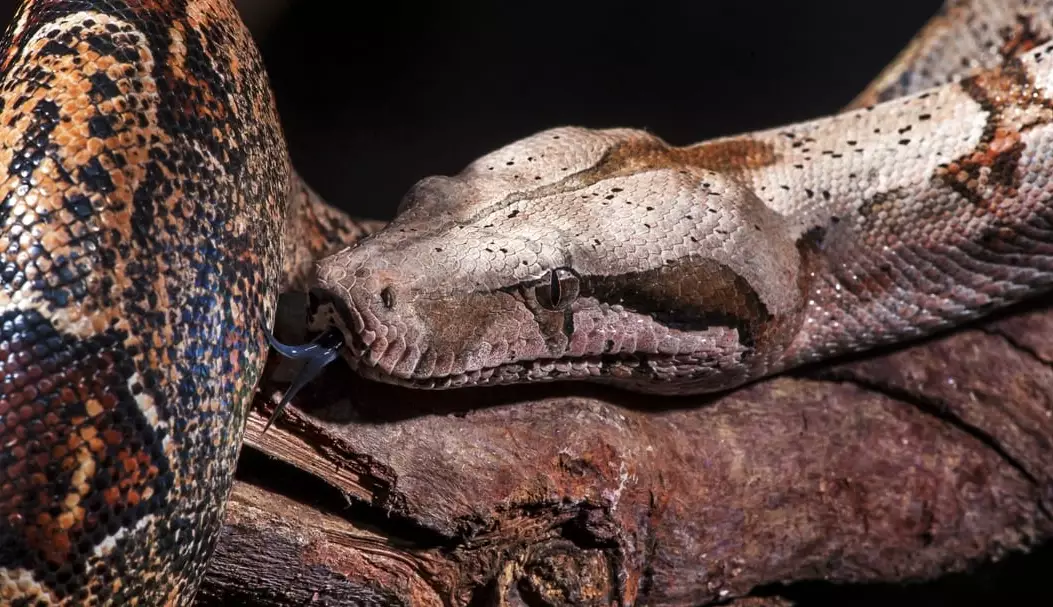
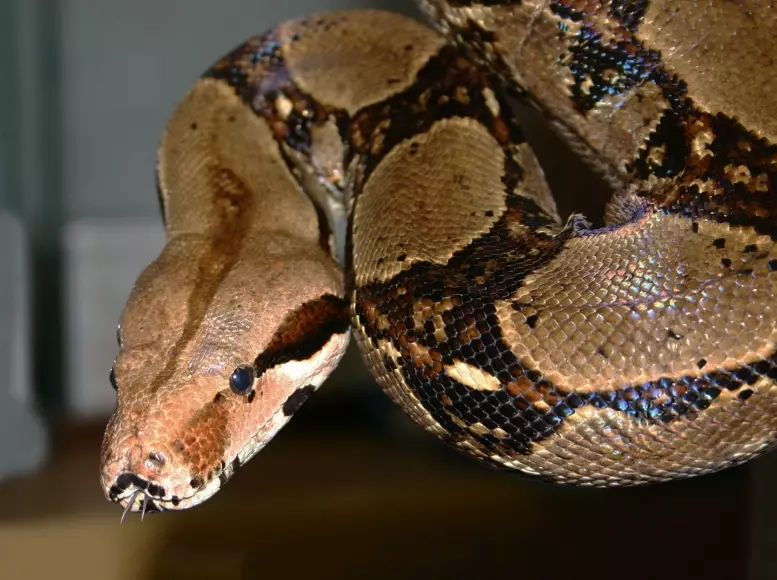
Red tailed boas (Boa constrictor) lack the specialized venom glands, fangs, and delivery systems that define snakes like rattlesnakes or cobras. Their teeth are designed for gripping and holding, not injecting. This table breaks down the distinction clearly:
| Feature | Venomous Snake (e.g., Rattlesnake) | Red Tailed Boa (Constrictor) |
|---|---|---|
| Primary Hunting Method | Inject venom to immobilize/kill prey from a distance. | Strike, grasp, and coil around prey to subdue via constriction. |
| Teeth | Specialized, hollow or grooved fangs for venom delivery. | Numerous recurved teeth (like fish hooks) for gripping. All teeth are solid. |
| "Venom" Apparatus | Venom glands connected to fangs. | No venom glands present. |
| Typical Bite Effect on Humans | Potentially life-threatening systemic envenomation. | Localized puncture wounds, pain, bleeding, risk of bacterial infection. |
So, when someone asks if a red tailed boa is poisonous, the answer is a firm no. They are physically incapable of envenomating you. The real risk from a bite is mechanical damage and infection, which we'll get to.
How Do Red Tailed Boas Actually Subdue Prey?
Since they don't have venom, how does a red tailed boa manage a rat or a rabbit? The process is a masterpiece of efficient biomechanics, not brute strength alone.
It's not about crushing bones or suffocation in the way we think. Here's the step-by-step, based on research and observation:
- The Strike: Lightning fast. They aim to grab the prey with their jaws, those backward-curving teeth ensuring it can't pull away.
- The Coil: Immediately, the snake throws its powerful body around the animal. This isn't random wrapping; it's strategic positioning.
- The Squeeze: With each exhale of the prey, the boa tightens its coils. This prevents inhalation, but more critically, it causes a rapid spike in blood pressure, leading to circulatory arrest—the prey's heart can't pump blood against the pressure.

- The Result: Unconsciousness and death occur relatively quickly, often within minutes.
This method is incredibly effective in the wild. For a pet boa feeding on a pre-killed thawed rodent, this instinct is still there, but the process is obviously moot. They just swallow.
The "Bite Force" Myth: A Subtle Point Most Miss
Here's a nuance most care sheets won't tell you. New keepers often worry about "bite force"—how hard the snake can clamp down. That's focusing on the wrong thing.
A boa's bite isn't about a powerful crushing chomp like a dog's. The pain and damage come from the pull-back. Those recurved teeth are designed to latch on. When the snake instinctively pulls its head back (which it almost always does), it's those teeth dragging through your skin that causes the lacerations and deeper punctures. It's a slicing action, not a crushing one. This is why quick, jerky movements during a bite make it much worse.
Understanding a Red Tailed Boa Bite: Risk and Response
Okay, so no venom. But a bite from a large red tailed boa is a serious event. Let's be brutally practical about it.
The Real Danger: The primary risk from any non-venomous snake bite, including from a boa constrictor, is bacterial infection. A snake's mouth harbors bacteria like Pseudomonas and Salmonella, which can be introduced deep into tissue via the puncture wounds.
I've been bitten by adult boas a handful of times over the years. Once was a feeding mistake (my fault entirely—smelled like rat), and another was a defensive strike from a rescued animal. The experience isn't fun. It hurts—a sharp, stabbing pain followed by throbbing. There's significant bleeding because the teeth rupture small blood vessels. The worst part is the lingering soreness and the vigilance against infection.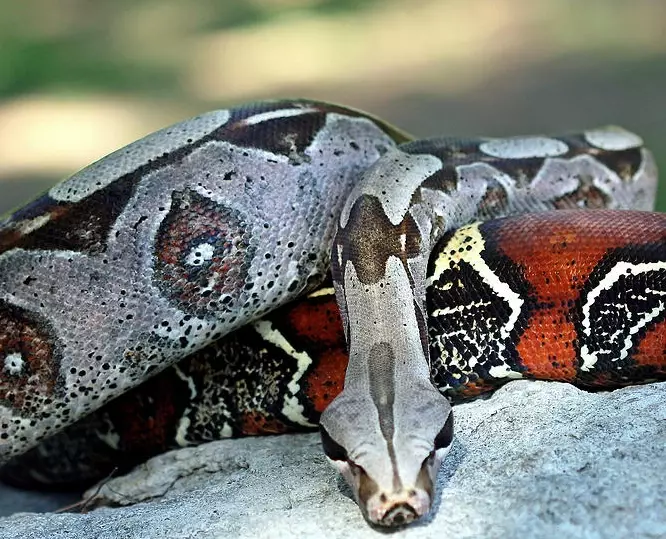
What to Do If a Red Tailed Boa Bites You
Don't panic. Seriously. Panic leads to you or the snake getting hurt.
- Do NOT pull the snake off. This will tear your skin and damage the snake's teeth. Gently try to push its head forward towards the bite point to disengage the teeth. A trick: a drop of rubbing alcohol or mouthwash on a Q-tip near its nostrils can make it let go. Avoid vodka—it's a waste of good vodka.
- Once free, attend to the wound. Wash immediately and thoroughly with warm water and soap for at least 5 minutes. This is the single most important step to prevent infection.
- Apply pressure with a clean cloth to stop bleeding.
- Apply an antibiotic ointment and cover with a sterile bandage.
- Monitor closely. Watch for signs of infection: increasing redness, swelling, warmth, pus, red streaks, or fever. If any appear, see a doctor immediately. You may need oral antibiotics. Be sure to tell the doctor it was a non-venomous constrictor bite, but emphasize the risk of exotic bacteria.
The CDC provides excellent general guidance on wound care that applies here. You can search for "CDC wound infection prevention" for their latest protocols.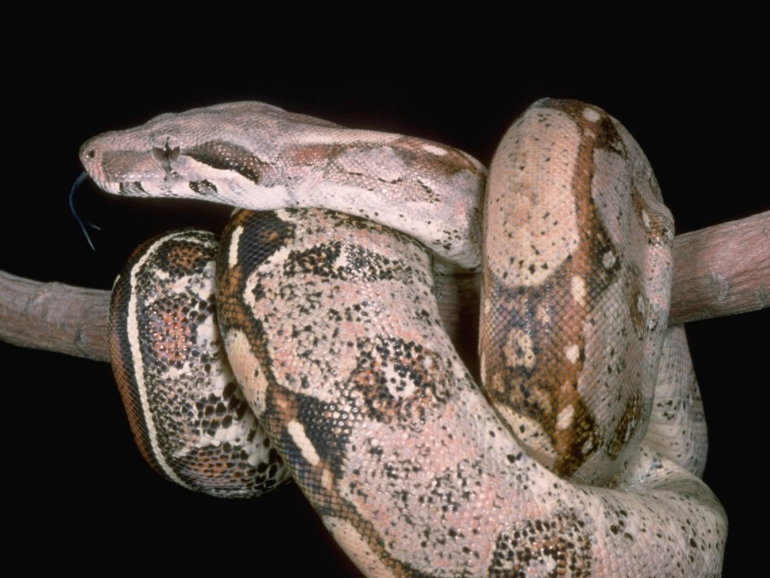
Safety and Pet Ownership Realities
If you're considering a red tailed boa constrictor pet, understanding their non-venomous nature is just the first box to check. Their size and strength are the real considerations.
A common misconception is that because they're not venomous, they're "safe." That's a dangerous oversimplification. An adult female red tail can easily reach 7-9 feet and 30+ pounds. They are immensely powerful animals.
The biggest safety issue isn't a bite—it's improper handling around the neck/face, especially for large adults. A startled or stressed boa may constrict what it perceives as a threat, which could be your arm or neck. This is exceptionally rare with well-socialized, properly handled pets, but the potential exists. You never handle a large constrictor alone, and you never let it roam freely around your neck.
Here’s the honest breakdown for potential owners:
- Pros: Generally docile temperament (with regular handling), fascinating behavior, long lifespan (20-30 years), no venom risk.
- Cons: Requires a very large and secure enclosure (think 6ft+ for an adult), significant ongoing costs for food and electricity, powerful animal requiring respectful handling, and the ever-present, though small, risk of a serious bite or constriction incident.
Common Myths and Misconceptions Debunked
Let's clear the air on a few things you might hear.
Myth 1: "Some boas are venomous; it's a rare trait." False. No species within the true boa family (Boidae) is venomous. You might be thinking of rear-fanged snakes (like some colubrids), which are a completely different group. Boas are physiologically incapable of producing venom.
Myth 2: "A boa's saliva is toxic or anticoagulant." Not supported by science. While their saliva aids in digestion and contains bacteria, it does not contain specialized toxins designed to disable prey like venom does. The bleeding from a bite is from physical trauma, not "thinner blood."
Myth 3: "If it's not venomous, the bite is no big deal." As we covered, this is dangerously incorrect. An infected bite from any animal can lead to sepsis, tissue damage, or other complications. Always treat a bite with respect and proper hygiene.
Expert Answers to Your Pressing Questions
My red tailed boa bit me during feeding. Does this mean it's aggressive?
Almost certainly not. This is almost always a feeding response mistake. Your hand smells like the prey, or you moved it like prey. It's a reflex, not aggression. The solution is to use feeding tongs and to never handle the snake on feeding day or when it's in "hunting mode" (tongue flicking, focused stance). After over a decade, I still use 12-inch tongs for every single feeding. It's non-negotiable.
How can I tell if my boa is stressed and more likely to bite defensively?
Watch the body language, not just the head. A defensive snake will often coil tightly into an "S" shape with the front third of its body, head pulled back. It might hiss—a sharp, short exhalation. But more subtly, look for rapid tongue flicks that aren't exploratory, and a tense, frozen posture. If you see this, back off and give it space. Forcing interaction then is asking for a bite.
Are baby red tailed boas more "venomous" or bitey than adults?
No, they are equally non-venomous. However, babies are often more defensive. They are small, vulnerable prey in the wild, so their instinct is to strike first. An adult boa that's been handled regularly is usually far more confident and placid. A baby's bite is like being pricked by a bunch of pins—startling and a little bloody, but not medically serious. The key is consistent, gentle handling to help them learn you're not a threat.
If red tailed boas aren't venomous, why are they often regulated or illegal in some areas?
The regulations have nothing to do with venom. They are based on two main factors: public safety concerns regarding large constrictors (however overblown), and the ecological risk if they are released and become invasive. A large escaped boa could potentially impact local wildlife. Always check your county and city ordinances, not just state laws, before acquiring one.
So, the search for "red tailed boa venomous" ends with a clear answer, but it's the beginning of a more informed understanding. They are magnificent, powerful constrictors that demand respect for their physical capabilities, not fear of mythical venom. Whether you're a curious bystander or an aspiring keeper, respecting the animal for what it truly is—a potent, non-venomous predator—is the key to safe and appreciative coexistence.
Reader Comments