Ask a room full of reptile enthusiasts about the rarest gecko, and you'll get a dozen different answers. Some will point to a bizarre, alien-looking leaf-tail from Madagascar they saw once in a documentary. Others might swear it's a specific color morph of a popular pet species that sells for five figures. The truth is, "rarest" depends entirely on your lens—are we talking about wild populations on the brink, or the most unattainable creatures in the pet trade? Both stories are fascinating, and both are crucial to understanding the fragile state of many of the world's most incredible geckos.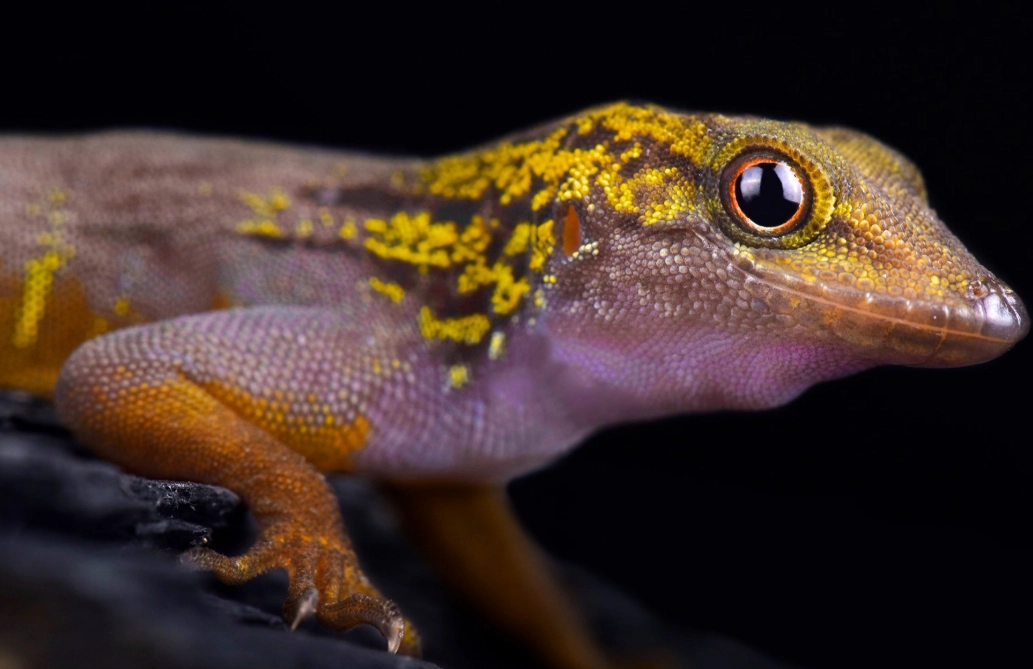
Let's cut to the chase. If we're measuring by sheer, terrifying proximity to extinction, the title of rarest gecko is a tragic competition among a handful of species that might number in the dozens in the wild. We're talking about ghosts of the forest, so elusive that finding one is a career-defining event for a herpetologist.
What You'll Discover in This Deep Dive
What Makes a Gecko "Rare" in the First Place?
This seems simple, but it's not. A gecko can be "rare" for several, often overlapping reasons.
Critically Endangered Wild Status: This is the most straightforward and alarming metric. The International Union for Conservation of Nature (IUCN) Red List is the global authority here. Species listed as Critically Endangered (CR) have an extremely high risk of extinction in the wild. Their populations are tiny, fragmented, and declining fast. For many of these geckos, their entire known range could be a single mountain ridge or one patch of forest.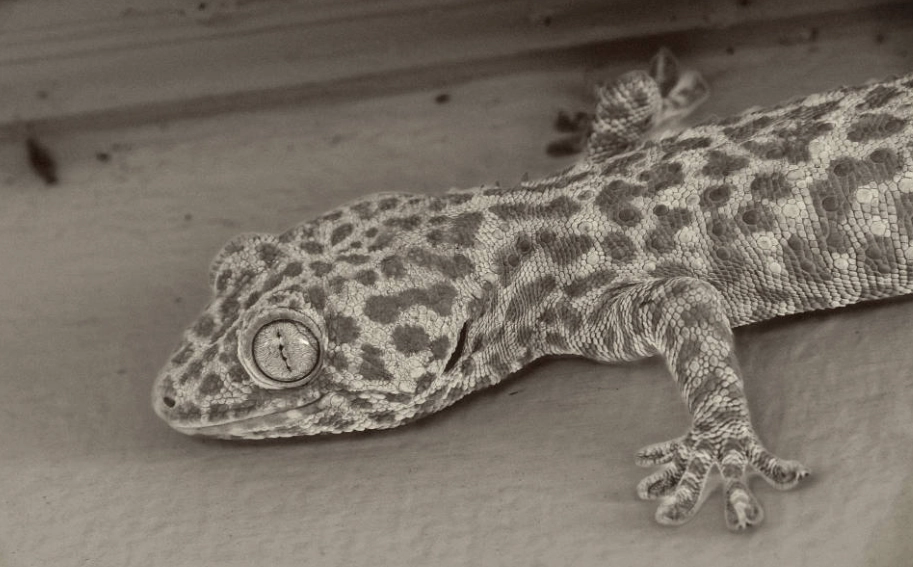
Extremely Limited Geographic Range (Endemism): Some geckos only exist in one tiny, specific place on Earth. An island, a single valley, a particular type of rock outcrop. The smaller the range, the more vulnerable the species is to a single event—a hurricane, a wildfire, a new invasive species—wiping it out completely.
Rarity in Captivity (The Pet Trade): This is a different beast. A gecko species might be relatively stable in the wild but incredibly hard to find in captivity. This can be due to export bans (like CITES Appendix I listings), extreme difficulty in breeding, or simply because they are newly discovered and not yet established in collections. Here, rarity translates directly to price and exclusivity.
The Undisputed Kings of Scarcity: Wild Populations on the Brink
These are the ghosts. The ones you'll likely never see outside of a handful of research papers or desperate conservation appeals. Their stories are less about hobbyists and more about last-ditch efforts to prevent another silent extinction.
1. The Rodrigue's Giant Day Gecko (Phelsuma gigas)
Let's start with a gecko that's almost certainly extinct. Native only to the tiny island of Rodrigues in the Indian Ocean, this was a true giant, reportedly reaching over 40 cm. The last confirmed sighting was in the 19th century. Habitat destruction and introduced predators like rats did it in. It stands as a stark reminder of what we've already lost. Today, its smaller relative, the Rodrigues Day Gecko (Phelsuma edwardnewtoni), is also critically endangered, clinging to survival.
2. The Mount Augustus Spiny-tailed Gecko (Strophurus augustus)
This one is a poster child for extreme endemism. It is known from exactly one location in Western Australia—Mount Augustus. We're talking about a population that exists on a single, isolated rock outcrop. Estimates of its total population size are in the low hundreds, if that. Any change to its minuscule habitat—mining, climate change altering the local ecology, a severe fire—could be catastrophic. It's a beautiful gecko with striking patterns, but its future is hanging by a thread.
3. The Leaf-Tails of Madagascar: Uroplatus Species
Madagascar is a gecko paradise and a conservation nightmare. Several leaf-tailed geckos, masters of camouflage, are teetering on the edge. Species like Uroplatus malahelo and Uroplatus pietschmanni have incredibly restricted ranges within Madagascar's dwindling rainforests. They are hit by the double whammy of habitat loss from slash-and-burn agriculture and illegal collection for the pet trade, despite protections. Seeing one in the wild is a monumental task.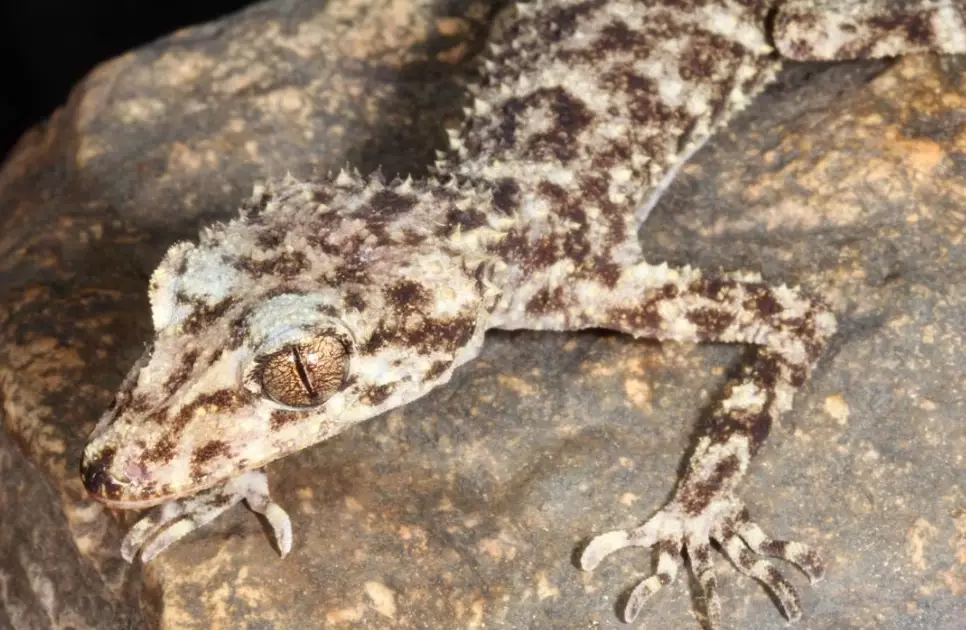
A Personal Observation: I've spoken with researchers who spend months in Malagasy forests. They'll tell you that finding a specific rare Uroplatus is less about seeing it and more about knowing the exact tree, the exact moss patch, and the exact time of night to look. They are that integrated into their environment, which makes relocating or saving their habitat the only real conservation strategy.
Rarity in the Pet Trade: Expensive, Elusive, and Often Misunderstood
Shift the lens to captivity, and the definition of "rarest gecko" changes dramatically. Here, it's about availability, price, and the challenge of captive breeding. This list is fluid—what's ultra-rare today might be more common in five years if a breeder cracks the code.
| Gecko Name (Common/Scientific) | Why It's Rare in Captivity | Approximate Market Rarity/Price (As of Now) |
|---|---|---|
| Electric Blue Gecko (Lygodactylus williamsi) | Critically Endangered in wild (Tanzania). Strict CITES I listing bans international commercial trade. Any in captivity are from pre-ban stock. | Extremely Rare/Virtually Unobtainable Legally. Black market prices are high, but purchasing fuels extinction. |
| Chinese Cave Gecko (Goniurosaurus species) | Many species have tiny wild ranges in China/Vietnam. Slow breeders, specific habitat needs (cool, humid), and some are protected, limiting exports. | Very Rare to Uncommon. Prices range from $300 for more common species to $2000+ for newly described or difficult species. |
| Certain Phelsuma (Day Gecko) Complexes | Island endemics like Phelsuma guentheri. Limited founding stock in captivity, specific dietary/habitat needs, and sometimes aggressive behavior makes breeding colonies tricky. | Rare. Prices can be $800 - $1500 for a pair, if you can find a breeder willing to sell. |
| "Designer" Morphs of Common Species | Extreme selective breeding for unique colors/patterns (e.g., Patternless Black Velvet Leopard Geckos, specific Crested Gecko morphs). Takes years to stabilize a line. | Situational Rarity. A single "holy grail" animal can sell for $5,000-$10,000+ to collectors before the morph becomes more widespread. |
See the difference? The pet trade rarity often involves a mix of biology, legality, and breeder economics. The Electric Blue Gecko situation is particularly telling. Its stunning color made it a target, and now it serves as a cautionary tale about how pet demand can directly threaten a wild species.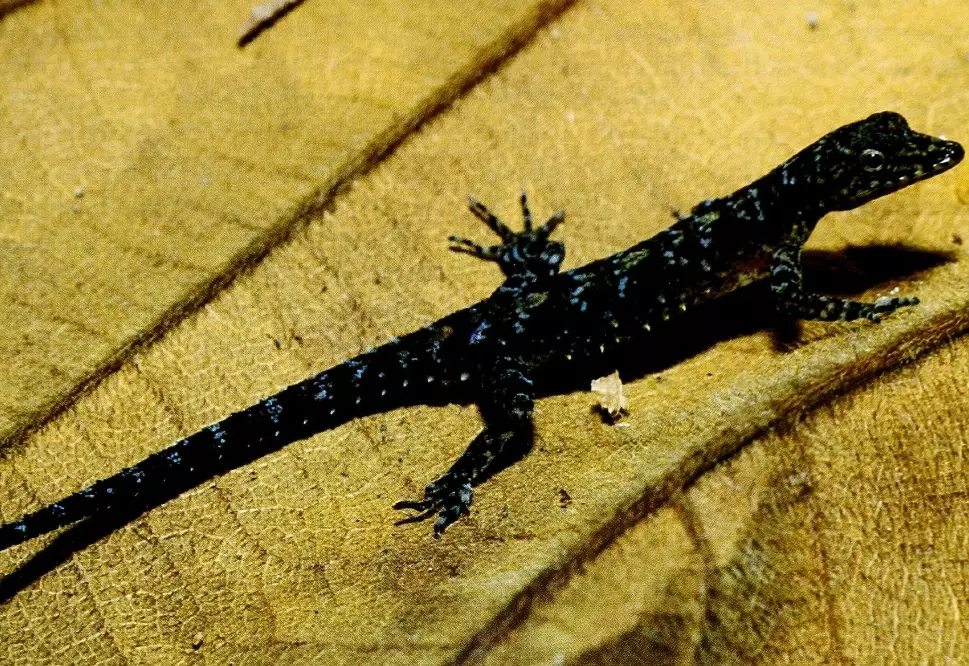
The Conservation Corner: Why These Species Are Disappearing
It's not just one thing. It's a perfect storm of pressures that push these unique creatures toward oblivion.
- Habitat Destruction: The number one threat. Logging, agriculture (especially palm oil and coffee), and urban development simply erase the forests and micro-habitats these geckos call home.
- Invasive Species: Rats, mice, ants, and even other lizards introduced by humans prey on gecko eggs, juveniles, and adults, or outcompete them for food.
- Illegal Wildlife Trade: Driven by demand from unscrupulous collectors. This is especially damaging for range-restricted species, where removing even a few dozen adults can collapse the population.
- Climate Change: Alters temperature and humidity regimes, disrupts food sources, and increases the frequency of catastrophic weather events that can wipe out a small, isolated population.
What's being done? Organizations like the IUCN, along with local governments and NGOs, work to establish protected areas. Captive assurance colonies for some species (like the Rodrigues Day Gecko) exist in zoos as a genetic backup. The most important action, however, is supporting habitat conservation in the countries where these geckos live.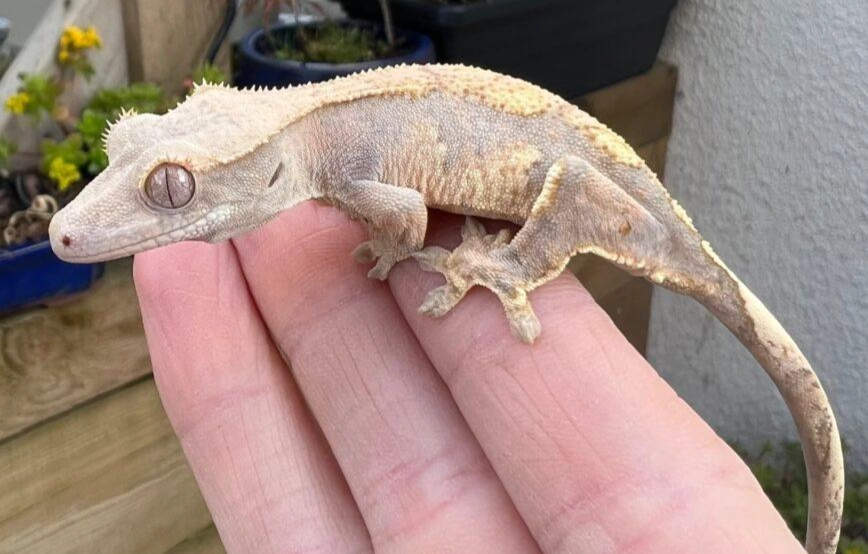
Reader Comments