Let's cut to the chase. Jumping spiders are generally friendly toward humans, but that friendliness comes with caveats. They're curious, intelligent, and rarely aggressive. I've kept them as pets for over a decade, and most encounters in the wild are harmless. However, calling them "friendly" oversimplifies things. Their behavior depends on species, situation, and how you approach them. In this guide, I'll break down what "friendly" really means for jumping spiders, based on scientific research and my own hands-on experience.
In This Article
- What Are Jumping Spiders and Why Are They Special?
- The Friendliness Factor: Are Jumping Spiders Safe Around Humans?
- Keeping Jumping Spiders as Pets: A Practical Guide
- Common Myths and Misconceptions Debunked
- How to Have a Positive Encounter with a Jumping Spider
- Insights from a Decade of Spider Enthusiasm
- Your Questions Answered: Jumping Spider FAQ
What Are Jumping Spiders and Why Are They Special?
Jumping spiders belong to the family Salticidae, with over 6,000 species worldwide. They're not your typical spiders. Forget webs—these guys are active hunters with incredible vision. Their large front eyes give them nearly 360-degree vision, letting them track movement like tiny predators. I once watched a Phidippus audax stalk a fly, calculating the jump with precision. It's mesmerizing.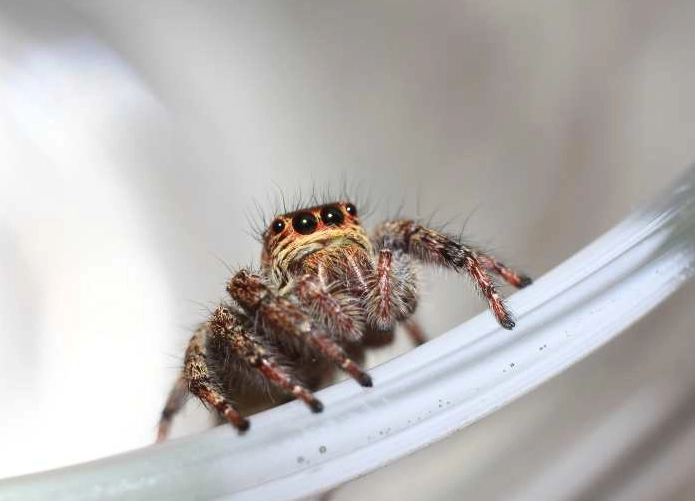
Physical Characteristics and Behavior
Most jumping spiders are small, ranging from 1 to 25 millimeters. They're often colorful, with iridescent chelicerae (those mouthparts that look like fangs). Their behavior is key to understanding friendliness. They're diurnal, meaning they're active during the day, and they exhibit curiosity. I've seen them tilt their heads to observe humans, almost like a dog. This isn't aggression; it's assessment. According to studies from the American Arachnological Society, jumping spiders have complex cognitive abilities, including problem-solving and memory.
Their Hunting Style and Intelligence
They don't build webs to catch prey. Instead, they jump—hence the name. Their jumps are powered by hydraulic pressure in their legs, allowing them to leap up to 50 times their body length. This intelligence translates to interactions with humans. They can learn to associate your presence with food or safety, which is why pet jumping spiders often become tolerant. But here's a non-consensus point: many beginners mistake this tolerance for affection. Jumping spiders don't form emotional bonds; they respond to stimuli. Calling them "friendly" might anthropomorphize them too much.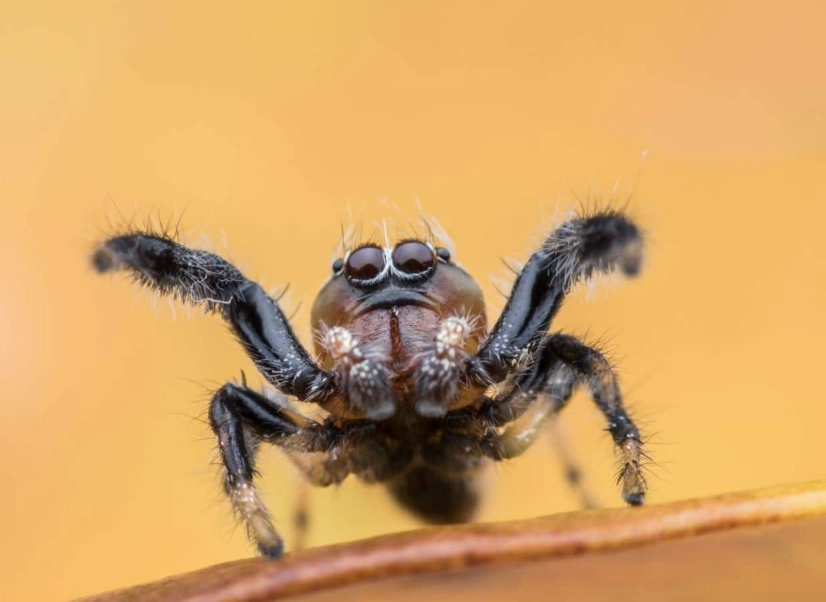
The Friendliness Factor: Are Jumping Spiders Safe Around Humans?
Safety first. Jumping spiders are venomous, but their venom is weak and not medically significant to humans. Bites are extremely rare and usually happen only if the spider feels threatened, like being squeezed. I've been bitten once—by a startled Phidippus regius—and it felt like a mild pinprick with slight itching. No worse than a mosquito bite. So, are they safe? For most people, yes. But if you have severe allergies, exercise caution.
Signs of Friendliness in Jumping Spiders
Look for these behaviors to gauge friendliness:
- Curiosity: They approach slowly, often stopping to look at you.
- Lack of Aggression: No raised front legs or sudden movements.
- Calm Movement: They wander without fleeing immediately.
In my experience, species like Phidippus audax (the bold jumping spider) are more tolerant than others. But even "friendly" spiders can get defensive if cornered. I recall a time when a jumping spider jumped onto my hand, then quickly jumped off when I moved too fast. It wasn't unfriendly; just startled.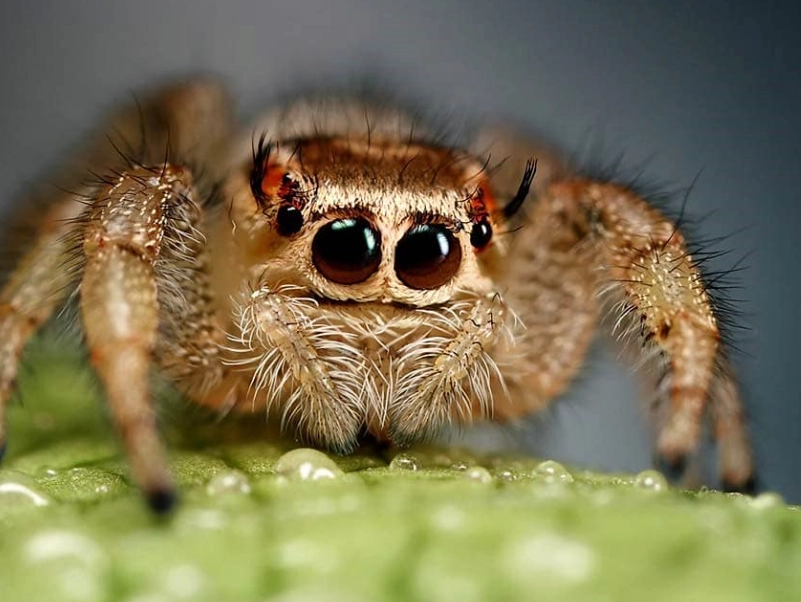
When Jumping Spiders Might Be Defensive
Defensive behaviors include raising front legs, backing away, or hiding. This isn't hostility—it's self-preservation. Common triggers are sudden movements, vibrations, or being trapped. A study from the University of California notes that jumping spiders use visual cues to assess threats. So, if you loom over them, they might perceive you as a predator. The key is to move slowly and give them space.
Keeping Jumping Spiders as Pets: A Practical Guide
Jumping spiders make excellent pets for beginners, but there's a catch. They have short lifespans, usually 1-2 years, and require specific care. I've kept dozens, and while they're low-maintenance compared to reptiles, they're not toys. Here's a step-by-step guide based on my trials and errors.
Choosing the Right Species
Not all jumping spiders are equal for captivity. Some species adapt better. I recommend starting with:
- Phidippus audax: Hardy, common in North America, and relatively large.
- Phidippus regius: Known as the regal jumping spider, docile and colorful.
- Salticus scenicus: The zebra jumping spider, smaller but easy to find in gardens.
Avoid wild-caught spiders if possible; captive-bred ones are healthier. I made the mistake early on of taking one from my garden, and it struggled with stress. Now, I source from reputable breeders.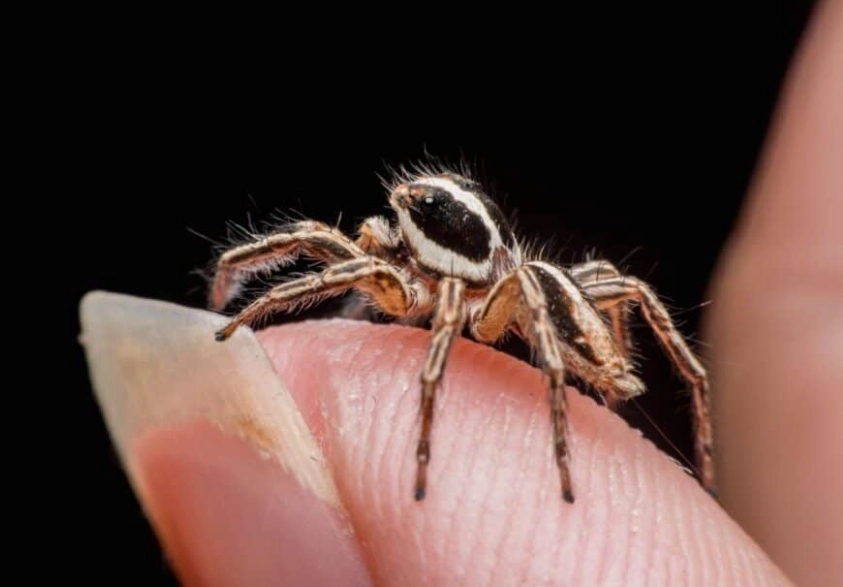
Setting Up a Habitat
You don't need a fancy enclosure. A small terrarium or even a large jar works. Key elements:
- Size: At least 10x10x15 cm for one spider.
- Ventilation: Mesh lids to prevent mold.
- Substrate: Coconut fiber or peat moss, about 2-3 cm deep.
- Decor: Twigs, leaves, and hiding spots. Jumping spiders love vertical spaces.
- Humidity: Mist lightly every few days; aim for 50-70% humidity.
- Temperature: Room temperature, around 20-25°C (68-77°F).
I use a simple setup: a plastic container with holes, some sticks, and a piece of bark. It costs under $20. One common error is over-misting, which can lead to mold. I learned that the hard way when a spider developed respiratory issues.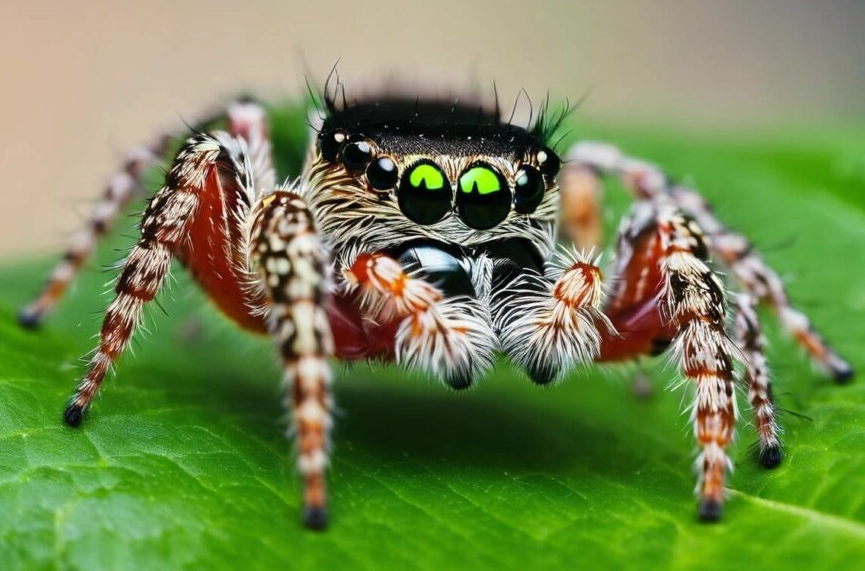
Feeding and Care Tips
Jumping spiders eat live insects. Feed them every 2-3 days with prey smaller than their body, like fruit flies, small crickets, or mealworms. I culture my own fruit flies—it's cheap and ensures a steady supply. Don't overfeed; obesity can shorten their lifespan. Also, provide a water source by misting the enclosure walls; they'll drink droplets. Handling is possible but should be minimal. Let the spider come to you on its own terms. I've had spiders that enjoyed exploring my desk, but others preferred staying put.
Common Myths and Misconceptions Debunked
There's a lot of misinformation out there. Let's clear things up.
Debunking the "Dangerous Spider" Myth
Jumping spiders are often confused with dangerous spiders like black widows or brown recluses. They're not. Their venom isn't harmful to humans. The bite risk is minimal. I've seen people panic over a jumping spider in their home, but they're actually beneficial—they eat pests like mosquitoes and flies. A report from the National Pest Management Association highlights their role in natural pest control.
Why They're Not Like Other Spiders
Unlike web-building spiders, jumping spiders are active and visual. This makes them seem more "friendly" because they interact with their environment. But don't assume all spiders are alike. For example, wolf spiders are also hunters but tend to be more reclusive. Jumping spiders' curiosity is unique. However, some enthusiasts romanticize them too much. They're still wild animals with instincts. I once saw a video claiming jumping spiders "love" being petted—that's nonsense. Respect their nature.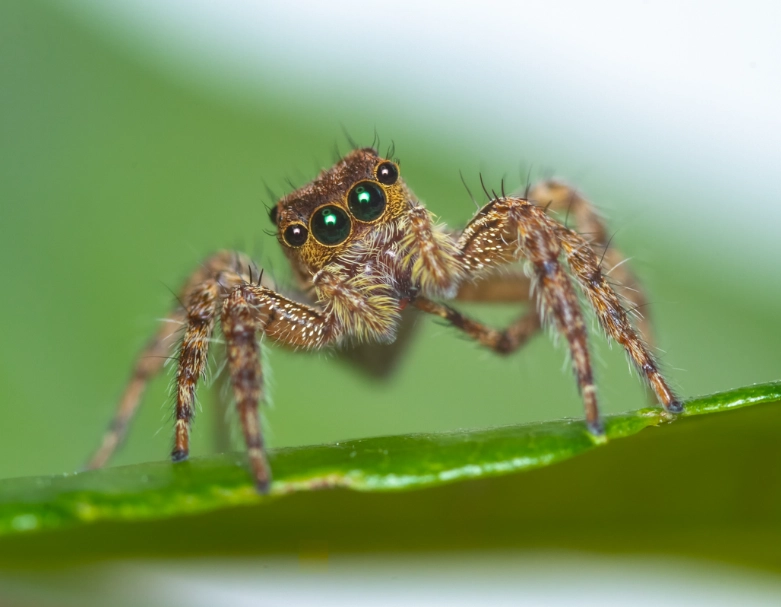
How to Have a Positive Encounter with a Jumping Spider
Whether in your garden or home, here's how to interact safely and positively.
Steps for a Positive Encounter
- Stay Calm: No sudden movements. Breathe normally.
- Observe from a Distance: Let the spider go about its business.
- Approach Slowly: If you want to get closer, move at a snail's pace.
- Use a Gentle Guide: Offer a stick or your hand low to the ground; let it crawl on if it chooses.
- Release Safely: If indoors, guide it outside using a cup and paper.
I've used this method countless times. It works because jumping spiders are less likely to feel threatened. A personal tip: avoid blowing on them—the air current scares them. Instead, use subtle gestures.
What to Do If You're Bitten (Rare Cases)
Bites are rare, but if it happens:
- Wash the area with soap and water.
- Apply an antiseptic and ice pack to reduce swelling.
- Monitor for allergic reactions; seek medical help if severe symptoms occur (e.g., difficulty breathing).
In my decade of handling, I've only had one bite, and it was my fault for being careless. The spider was just defending itself.
Insights from a Decade of Spider Enthusiasm
As someone who's kept and observed jumping spiders for years, I've noticed nuances that aren't widely discussed.
Non-Consensus Views and Common Mistakes
Many care guides oversimplify. For instance, they say jumping spiders are "easy" pets, but neglect to mention that juveniles are fragile and require more humidity. I've lost a few spiderlings because I didn't adjust the enclosure properly. Another mistake: assuming all species have the same temperament. Phidippus audax might be bold, but Salticus scenicus can be skittish. Tailor your approach.
Also, the "friendliness" often cited is actually habituation. Jumping spiders in captivity become accustomed to human presence, but that doesn't mean they seek interaction. I've had spiders that ignored me completely, even after months. That's okay—they're not dogs.
Personal Anecdotes and Observations
I remember a female Phidippus regius I named Ruby. She lived for almost two years and would often watch me from her perch. When I fed her, she'd approach slowly, almost cautiously. Once, she jumped onto my finger during cleaning, then jumped back. It felt like a brief connection, but I knew it was just curiosity. These moments are what make jumping spiders fascinating, but they're not evidence of friendship in the human sense.
Another observation: jumping spiders in urban areas seem more tolerant than those in the wild. Probably due to frequent human exposure. But don't test this by harassing them—respect is key.
Your Questions Answered: Jumping Spider FAQ
Jumping spiders are fascinating creatures that blur the line between fear and fascination. Their "friendliness" is a mix of curiosity, intelligence, and tolerance. Whether you encounter them in nature or keep them as pets, understanding their behavior leads to safer, more rewarding experiences. Remember, they're not toys or companions in the traditional sense—but they're certainly worth appreciating.
Reader Comments