Let's cut right to the chase. Jumping spiders are strict carnivores. They don't nibble on plants or sip nectar like some spiders. Their entire world revolves around hunting other small arthropods. If you're picturing a tiny, eight-legged cat with incredible eyesight, you're not far off. Their diet is what makes them such fascinating pets and effective natural pest controllers. This guide breaks down exactly what's on the menu for a jumping spider, whether it's living on your window sill or in a carefully set-up terrarium on your desk.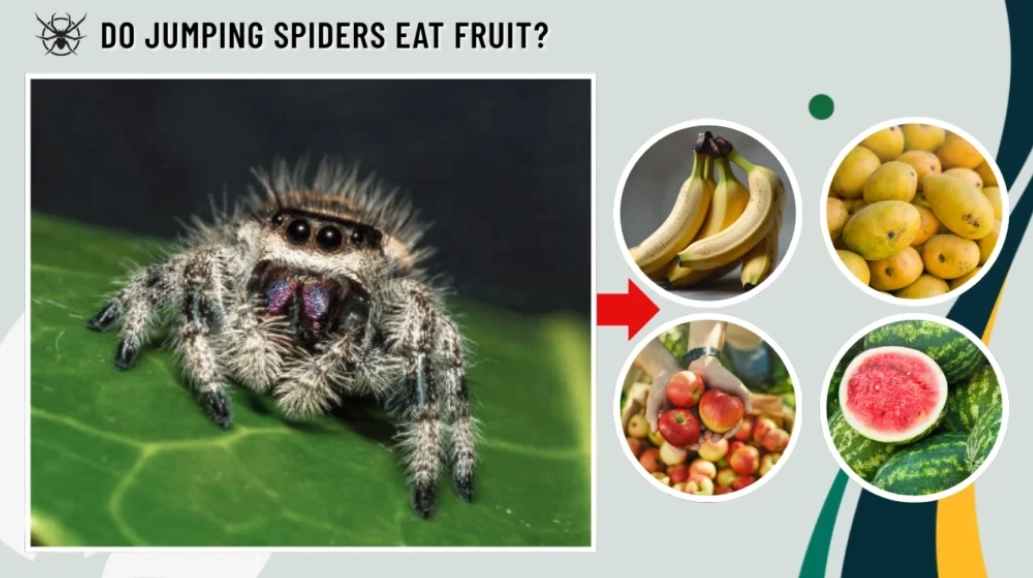
In This Article
What Do Jumping Spiders Eat in the Wild? A Detailed Menu
Out in nature, jumping spiders aren't picky eaters. They're opportunistic hunters. Their primary targets are insects and other spiders small enough to overpower. Think of them as the ultimate tiny pest control squad.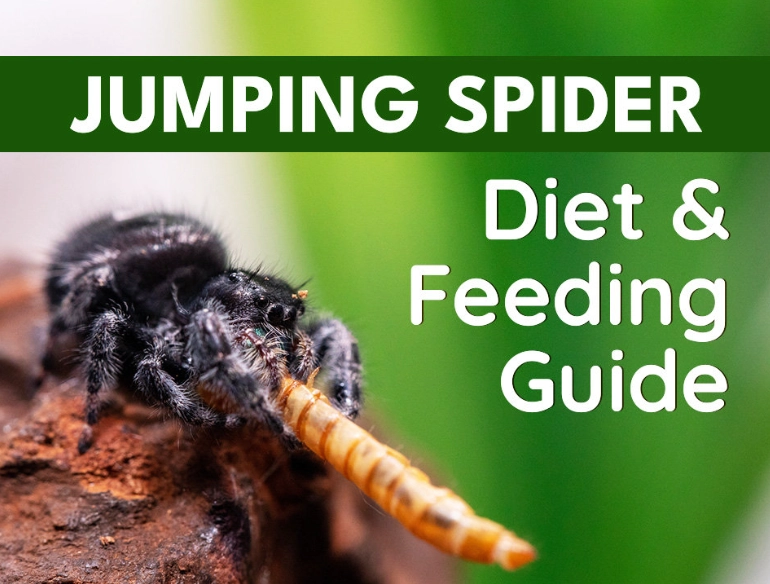
Their most common prey includes:
- Flies: House flies, fruit flies, mosquitoes – anything that buzzes and lands within range is a prime target. Their amazing vision and quick jumps are perfectly adapted for catching flies mid-air or as they rest.
- Mosquitoes and Gnats: These are like fast food for a small jumping spider. Plentiful and often slow enough for a precise pounce.
- Small Moths and Caterpillars: For larger jumping spider species, a soft-bodied caterpillar or a resting moth is a hearty meal.
- Other Spiders: Yes, spiders eat spiders. Jumping spiders will readily hunt web-building spiders or other jumpers smaller than themselves. Research from the University of Canterbury has documented jumping spiders specializing in preying on other spider species, often using stealthy approaches to avoid getting caught in webs.
- Aphids, Leafhoppers, and Other Garden Pests: If you have a garden, jumping spiders are your allies. They patrol plants and pick off these soft-bodied insects.
- Small Cockroach Nymphs or Beetles: For the bigger, bolder jumpers, a young cockroach or a small beetle can be tackled.
The key factor is size. A jumping spider's prey is almost always smaller than itself. They're bold but not stupid – trying to take down something too large is a great way for a spider to get injured. I've watched a bold Phidippus audax (the Bold Jumper) stalk a crane fly almost twice its length, but it aborted the attack. The risk wasn't worth the potential meal.
How Do Jumping Spiders Hunt Their Prey? It's Not Just Jumping
This is where it gets really cool. You might think they just leap on things, but it's a sophisticated process. Understanding this helps you appreciate why feeding them in captivity needs a bit of thought.
First, they see you. Their front-facing principal eyes give them exceptional acuity, some of the best in the invertebrate world. They track movement and judge distance with startling accuracy.
Then, they stalk. They don't charge. They move slowly, often pausing, adjusting their angle. They might even move out of the prey's line of sight to approach from a better angle. It's pure feline behavior in a spider.
The jump is the finale. Before jumping, they attach a silk safety line to the surface. This is their bungee cord. If they miss, they don't fall to the ground; they just climb back up. The jump itself is powered by a sudden increase in blood pressure in their legs, launching them with incredible speed and precision.
Finally, the bite. They use their chelicerae (fangs) to deliver a venomous bite that subdues the prey. The venom is harmless to humans but quickly paralyzes insects.
This whole sequence means they are stimulated by movement. A dead, motionless insect doesn't trigger their hunting instincts. This is a critical point for pet owners, which we'll get to.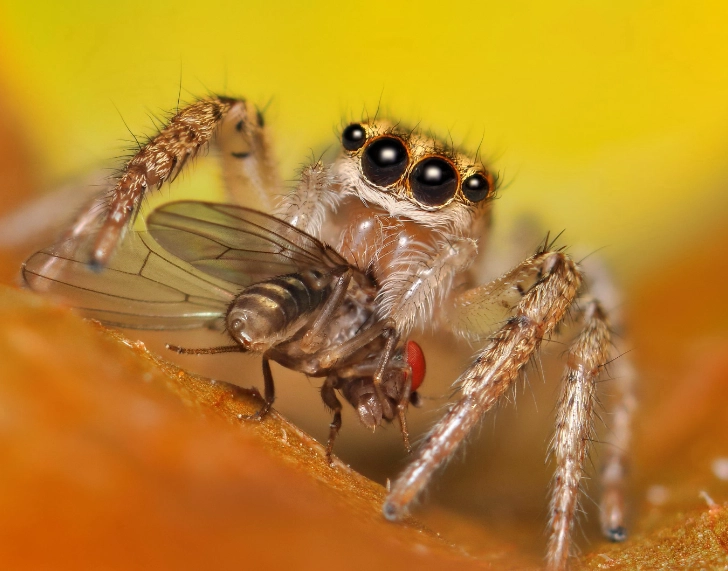
How to Feed a Pet Jumping Spider: A Step-by-Step Guide
Feeding a pet jumping spider is straightforward once you know the rules. I've kept several species over the years, and the biggest lesson is this: providing live food and water is more important than obsessing over a rigid feeding schedule.
Choosing the Right Feeder Insects
Your go-to options, from easiest to more advanced:
Flightless Fruit Flies (Drosophila hydei or melanogaster): The absolute best starter food for spiderlings and small jumpers. You can buy cultures online or at reptile/pet stores. They're harmless, can't escape a proper enclosure easily, and provide constant movement. Toss a few in every 3-4 days.
Small Crickets ("Pinhead" or 1/8" size): The standard for larger juvenile and adult jumpers. Buy them from pet stores. Never leave a cricket much larger than the spider's body in the enclosure, as crickets can sometimes nibble on a molting or resting spider.
Green Bottle Fly Spikes or Pupae: A fantastic, nutritious option. You can buy the pupae, let them hatch into flies inside a container, and then release one fly into the spider's home. It triggers amazing hunting behavior.
Mealworms or Waxworms (cut into appropriate sizes): Some spiders will take these if the worm is wriggling. I use tweezers to hold a piece near the spider. It's messier and not as natural, but it works in a pinch.
Feeding Schedule and Portion Control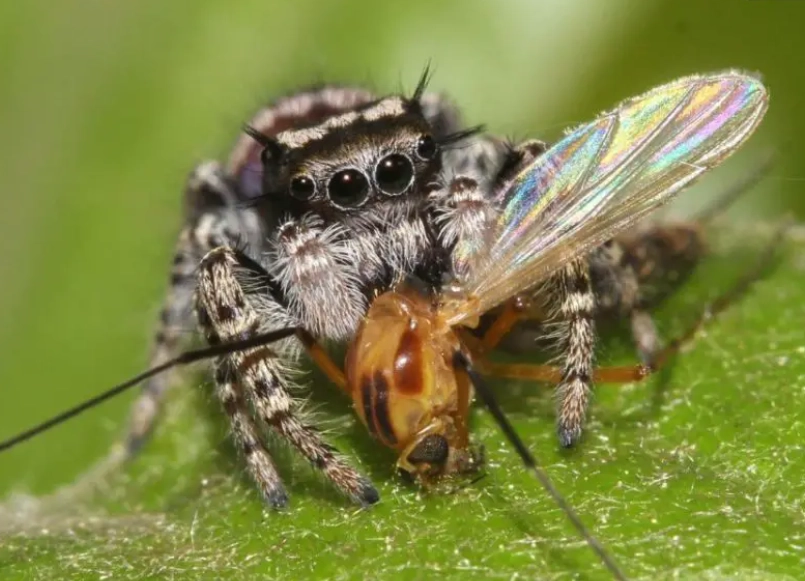
There's no one-size-fits-all. A well-fed adult jumping spider might only eat one decent-sized cricket every 5-7 days. Spiderlings need food more frequently, every 2-3 days.
Watch your spider's abdomen. A plump, rounded abdomen means it's well-fed. A shriveled, skinny abdomen means it needs food. It's that simple. Overfeeding isn't really a risk—they'll stop hunting when full. The real risk is underfeeding or offering food that's too intimidating.
Water: The Often-Forgotten Essential
Spiders drink. A lot of new owners miss this. They don't need a water bowl. They need fine water droplets. Mist one side of the enclosure lightly with a spray bottle every other day. Use filtered or distilled water to prevent mineral spots on the glass. The spider will drink the beads of water directly.
Common Feeding Mistakes and How to Avoid Them
After talking to other keepers and from my own blunders, here are the pitfalls.
Using insects from outdoors. It's tempting to catch a fly for your spider. Don't. Outdoor insects can carry pesticides, parasites, or diseases that can kill your pet. Always use feeder insects from a reliable, captive-bred source.
Leaving uneaten prey in for too long. A cricket that isn't eaten within 24 hours should be removed. It can stress the spider, especially if the spider is preparing to molt (which you can tell by it being reclusive and building a thick silk retreat).
Feeding during a molt. When your spider is in its silky molting sac, do not disturb it and absolutely do not offer food. It is vulnerable and cannot defend itself. Feeding can resume about 3-5 days after it has fully hardened its new exoskeleton.
Assuming "no" means "never hungry." Sometimes a spider just isn't in the mood. If it ignores prey, remove it and try again in two days. Refusal to eat for extended periods (weeks) can signal other issues like impending molt, old age, or incorrect humidity/temperature.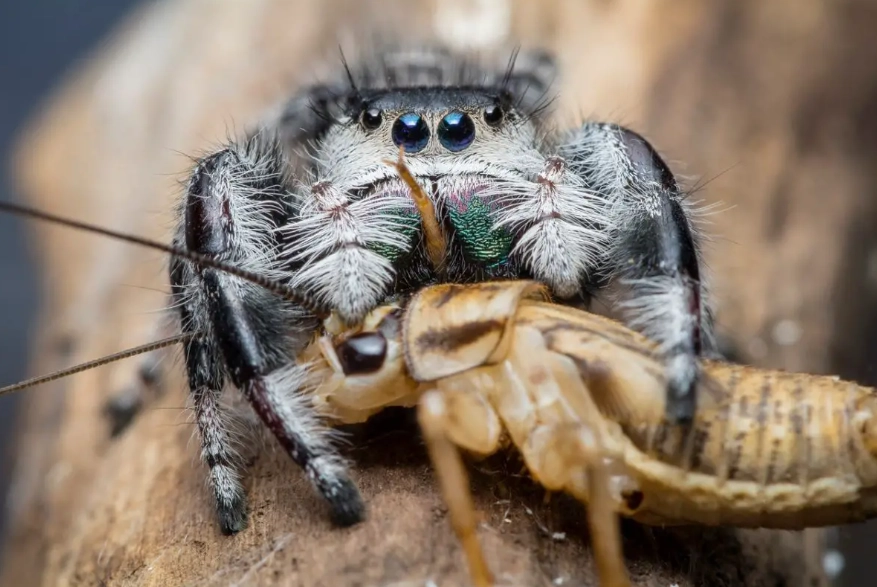
Your Jumping Spider Diet Questions Answered
Can jumping spiders eat dead insects?
Almost never. Their hunting instinct is triggered by movement. A dead, motionless insect is just an object to them. They might investigate it with their legs, but they won't recognize it as food. The only exception is if you use tweezers to mimic life—wiggling a piece of mealworm might work. But for consistent feeding, live prey is non-negotiable.
How long can a jumping spider go without food?
An adult, healthy jumping spider can easily go 7-10 days without food, sometimes longer. They're built for periods of scarcity. Spiderlings need to eat more frequently. The bigger concern is dehydration. A spider can survive longer without food than without water. If you're going on vacation for a week, a good misting right before you leave is more critical than leaving a cricket in the enclosure (which could bother the spider).
 Do jumping spiders need to drink water?
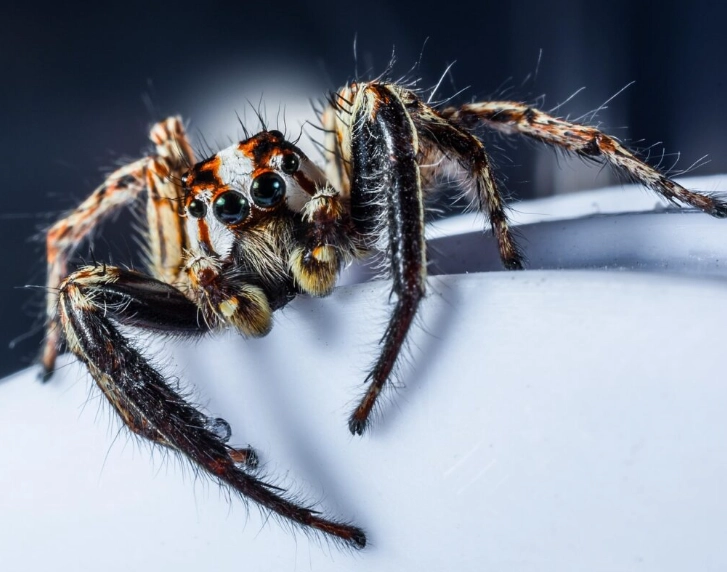
Absolutely. This is the most common oversight in beginner care. They don't drink from a dish. They drink by sucking water droplets from surfaces. A light misting on the enclosure walls or leaves every 2-3 days is essential. You'll often see them actively go over and drink after a mist.
What should I never feed my jumping spider?
Avoid any insect that can fight back effectively. This includes large crickets, adult mealworms with strong jaws, or any stinging insect like bees or wasps. Also, never feed insects you've caught outside due to pesticide risk. And obviously, no human food—they are carnivores, not scavengers.
My jumping spider hasn't eaten in over a week, should I worry?
Not immediately. First, check its abdomen. If it's still plump, it's just not hungry. The most likely reason is an upcoming molt. Is it hiding in a thick silk nest? If so, stop offering food and just provide water. If the abdomen is getting very skinny and it's not in a molt retreat, try offering a different type of prey (switch from cricket to a fly). Persistent refusal to eat paired with a shriveled abdomen could indicate illness or stress from incorrect enclosure conditions (too cold, too dry).
Can I feed my jumping spider ants?
I strongly advise against it. Many ants have powerful chemical defenses (formic acid), strong mandibles, and fight in groups. The risk of injury to your spider far outweighs any nutritional benefit. In the wild, jumping spiders generally avoid ants for these reasons. Stick to the standard, safe feeder insects.
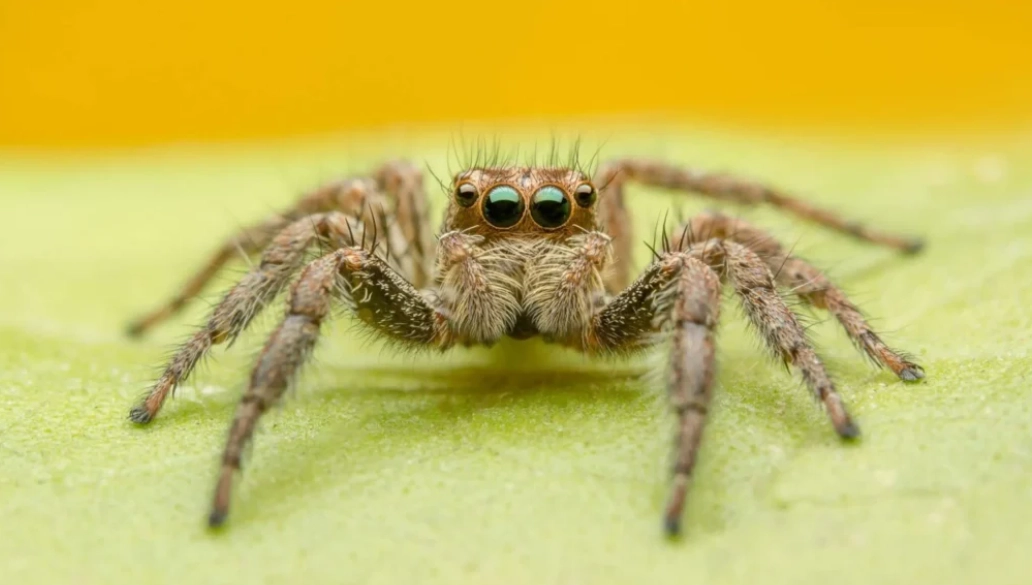 So, what do jumping spiders eat? The short answer is: small, live insects. The long answer involves understanding their incredible hunting strategy, respecting their needs for specific prey movement, and providing not just food but essential water. Whether you're fascinated by the wild jumper on your porch or caring for a pet in a deli cup, getting their diet right is the key to witnessing their unique, intelligent behaviors. It's less about complicated nutrition charts and more about providing appropriate, moving targets and keeping them hydrated. Do that, and you'll have a healthy, active spider that's a constant source of fascination.
Reader Comments