Let's cut to the chase: most giant geckos are not venomous, but there's a big catch. If you're worried about a bite, you need to know which species can actually cause harm and how to handle them safely. I've kept reptiles for over a decade, and I've seen too many new owners panic over nothing or, worse, ignore real risks. This guide will give you the straight facts, no fluff.
What You'll Learn in This Guide
What Are Giant Geckos?
Giant geckos aren't a single species; they're a group of larger gecko species that people commonly keep as pets. Think about the Tokay gecko, which can grow up to 15 inches, or the Leopard gecko, which is smaller but still hefty. Then there's the New Caledonian giant gecko, a real bruiser. These guys are popular because they're fascinating, but their size makes bites more noticeable.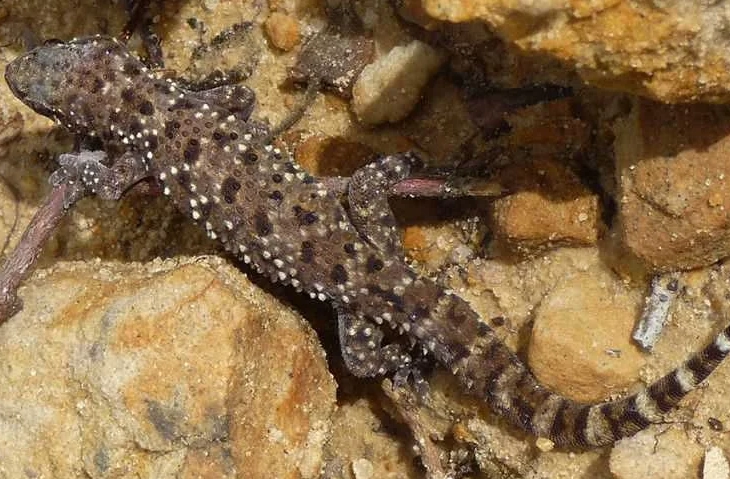
I remember when I first got a Tokay—its bark is worse than its bite, literally. They're loud, aggressive-looking, but understanding their biology is key. Most giant geckos are nocturnal, have sticky toe pads, and come from tropical regions. If you're considering one as a pet, know that their care varies wildly. The Reptile Database lists over 1,500 gecko species, but only a handful are "giant" and commonly encountered.
Are Giant Geckos Venomous? The Science Explained
Here's the core of it: the vast majority of geckos, including giant ones, lack venom glands. Venom is a specialized secretion used to subdue prey, and geckos typically rely on brute force or stealth. However, there's a nuance. Some species, like the Tokay gecko, have saliva with mild anticoagulant properties—it's not true venom, but it can cause bleeding and irritation.
Key Point: True venomous geckos are extremely rare. Most research, such as from the International Herpetological Society, indicates that no gecko species produces venom potent enough to harm humans significantly. But that doesn't mean bites are harmless.
Species Breakdown: Which Giant Geckos Are Venomous?
Let's get specific. I'll list common giant geckos and their bite risk:
- Tokay Gecko (Gekko gecko): Not venomous, but their bite is painful and can bleed due to bacteria in their mouth. I've been bitten once—it felt like a hard pinch, and it bled for a bit. Clean it well to avoid infection.
- Leopard Gecko (Eublepharis macularius): Completely non-venomous. Their bites are rare and usually harmless, more of a nibble if they mistake your finger for food.
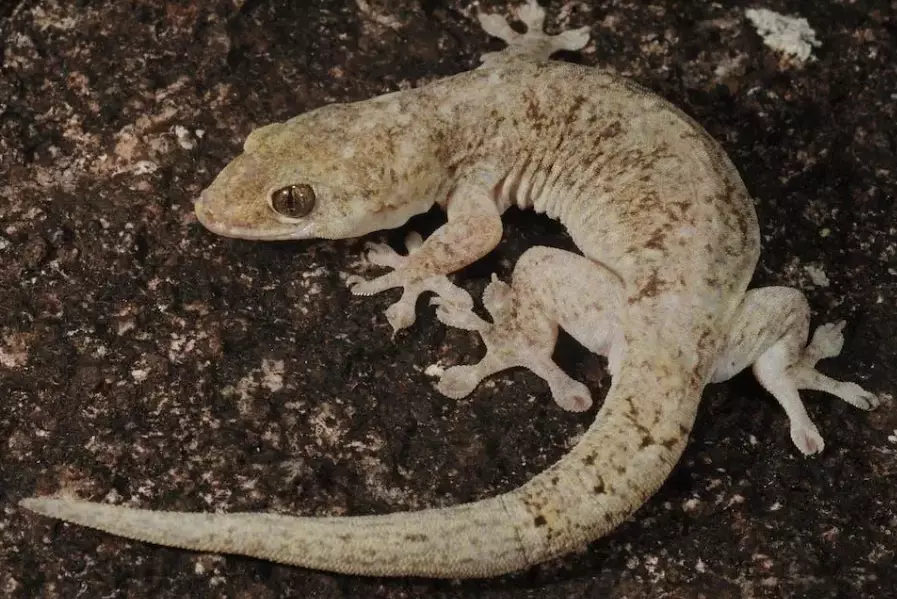
- New Caledonian Giant Gecko (Rhacodactylus leachianus): Non-venomous. These are docile giants; a bite might bruise, but no venom involved.
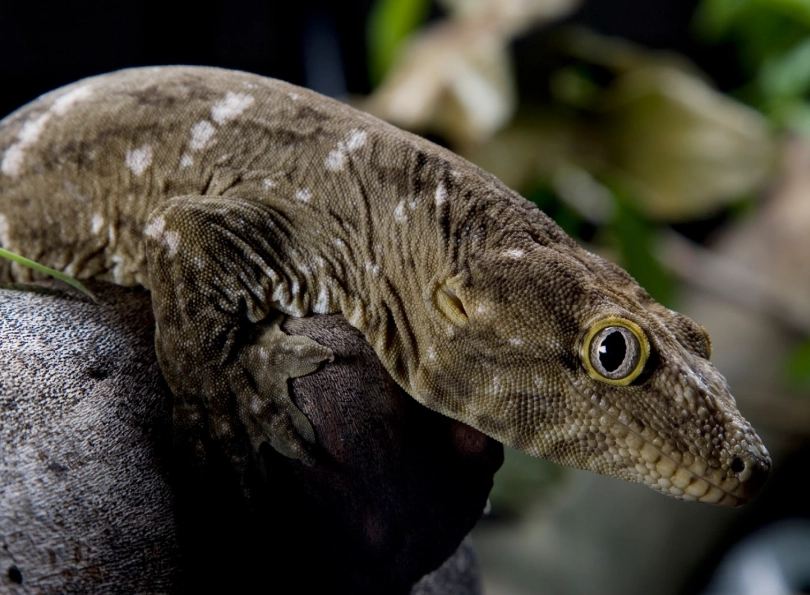
- Crested Gecko (Correlophus ciliatus): Often grouped with giants due to size, but not venomous. Bites are uncommon and mild.
If you hear about "venomous geckos," it's usually a myth or confusion with other lizards like Gila monsters. In my experience, new owners often overestimate dangers because they see aggressive behavior. Tokays, for instance, will hiss and lunge, but it's bluff.
Giant Gecko Bite: What to Expect and Do
So, what if you get bitten? Let's walk through a real scenario. Say you're handling a Tokay gecko, and it latches onto your finger. First, don't panic—pulling away can tear skin. I learned this the hard way; a slow, firm push usually works better.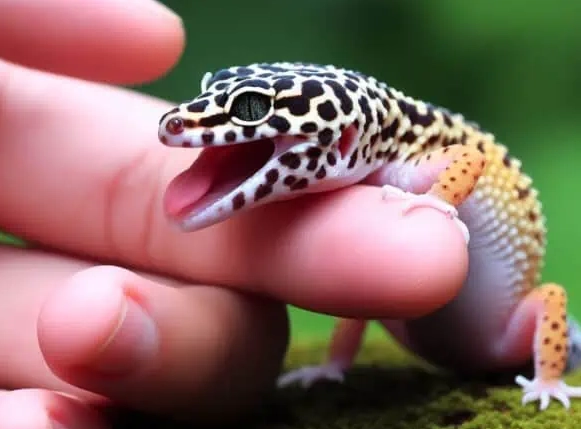
Immediate Steps: If bitten, wash the area with soap and warm water immediately. Apply an antiseptic like hydrogen peroxide. Watch for signs of infection: redness, swelling, or pus. Most bites heal within a few days, but if symptoms worsen, see a doctor. Gecko mouths harbor bacteria, so infections are the real risk, not venom.
First Aid for Giant Gecko Bites
Here's a quick checklist I use:
- Stay calm and avoid jerking movements.
- Gently detach the gecko by sliding a credit card or similar object between its jaws.
- Clean the wound thoroughly for at least 5 minutes.
- Apply a bandage if bleeding persists.
- Monitor for allergic reactions, though they're rare.
I've seen cases where people ignore small bites, only to end up with a nasty infection. It's not common, but it happens. A friend of mine had a Tokay bite that got infected because he didn't clean it properly—took antibiotics to clear up.
Safe Handling Practices for Giant Geckos
Prevention is better than cure. Handling giant geckos safely reduces bite risks dramatically. Many guides gloss over this, but based on my years, here's what works.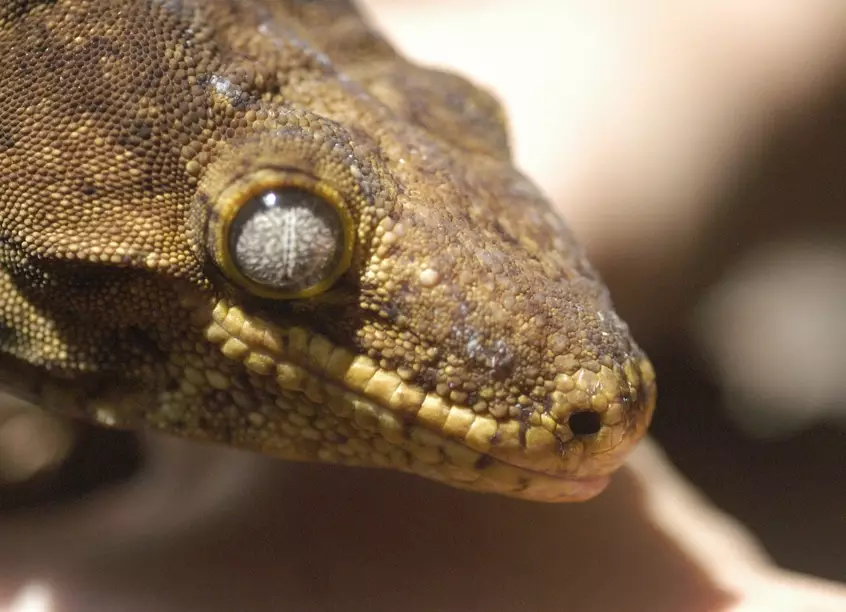
Expert Tips from a Long-Time Keeper
Start with slow, confident movements. Giant geckos, especially Tokays, are skittish. I always approach from the side, not above, to avoid triggering a predator response. Use gloves initially if you're nervous—thin leather gloves can help without harming the gecko.
Another tip: handle them during the evening when they're more active. Forced daytime handling stresses them out and increases bite likelihood. I made this mistake early on; my Leopard gecko would hide, and when I insisted, it nipped. Learn their body language: a puffed-up Tokay is warning you.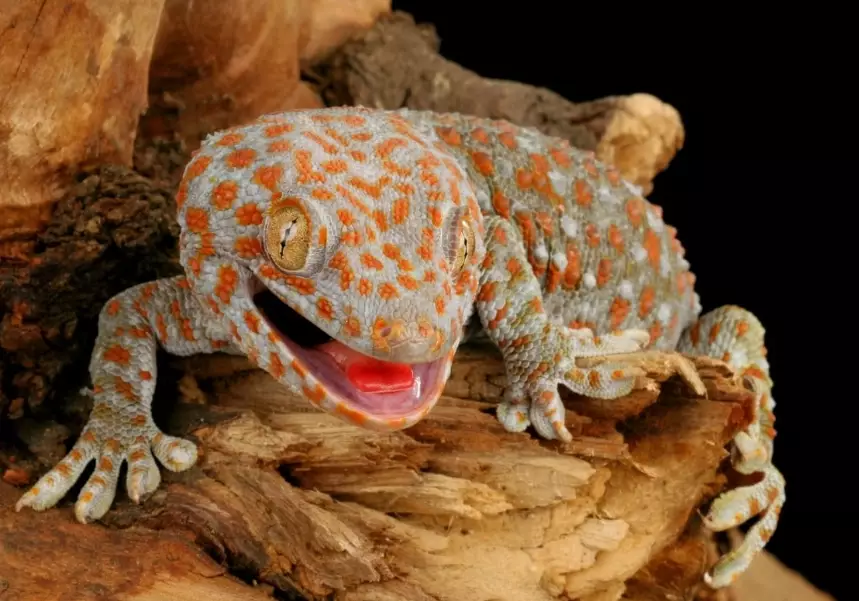
For pet owners, regular, gentle handling builds trust. But don't overdo it—giant geckos aren't cuddly pets. They tolerate interaction, not seek it. I see too many beginners treating them like dogs, leading to bites out of fear.
Debunking Myths About Giant Gecko Venom
Let's clear up some common myths. I hear these all the time in reptile forums, and they cause unnecessary fear.
- Myth 1: All giant geckos are venomous. False—as covered, most aren't.
- Myth 2: A bite from a giant gecko can kill you. Absolutely not. No gecko bite is lethal to humans; the worst is infection or allergic reaction.
- Myth 3: Venomous geckos are common in the wild. Nope. True venom in geckos is a rarity, with only a few obscure species having any venom-like properties, according to herpetology studies.
These myths persist because people confuse geckos with other reptiles. In my opinion, the reptile community needs to spread more accurate info. I've had clients refuse to adopt Tokays because they thought they were deadly—such a shame.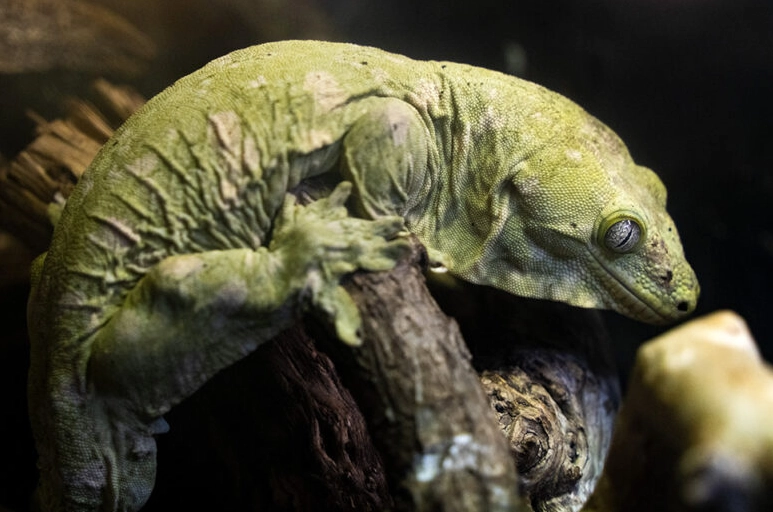
Frequently Asked Questions (FAQ)
Wrapping up, giant geckos are generally safe if you respect their nature. The venom question is mostly a non-issue, but bites can happen—prepare with knowledge and caution. If you're new to reptiles, start with a forgiving species and build from there. Happy keeping!
Reader Comments