Let's cut to the chase. No, California kingsnakes are not inherently aggressive. In fact, they're widely regarded as one of the most docile and manageable snake species in the pet trade. If you're worried about bringing home a bite-happy serpent, you can breathe a sigh of relief. The reputation for aggression is largely a misunderstanding, often conflating normal defensive behavior with a nasty disposition. Having kept and bred them for over a decade, I can tell you their "aggression" is almost always a case of mistaken identity—they're scared, not angry. This guide will break down exactly what to expect, why they act the way they do, and how to build a trusting relationship with your kingsnake.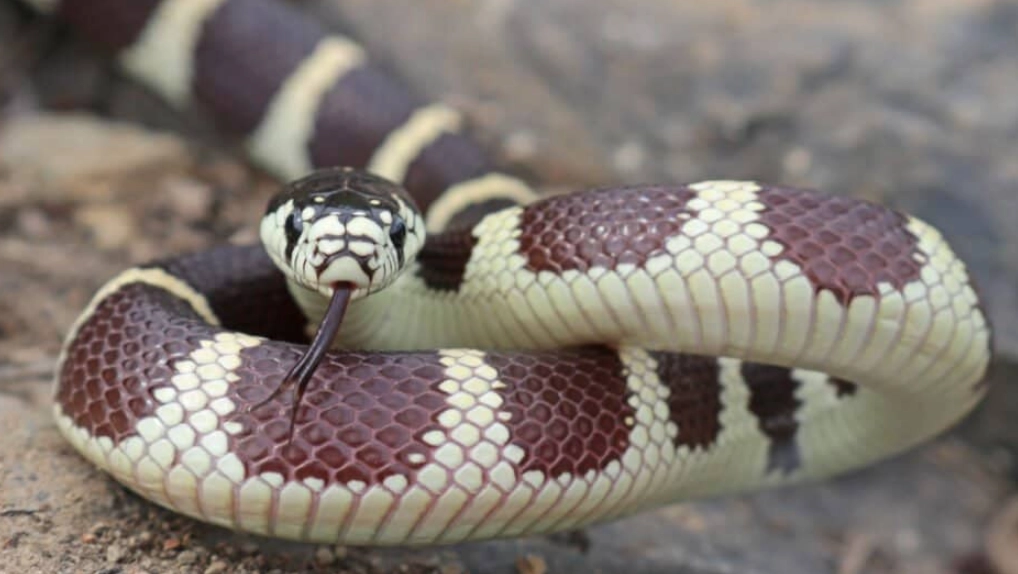
What You'll Learn in This Guide
Why California Kingsnakes Are Considered Docile by Nature
Their temperament isn't an accident. It's baked into their biology and ecology. In the wild, from Oregon down through California and into Mexico, these snakes are constrictors. Their primary survival strategy isn't to stand and fight with venom or a bad attitude—it's to avoid detection, flee, or if cornered, use constriction on prey like rodents, lizards, and other snakes (yes, including rattlesnakes). This makes them pragmatic, not confrontational.
In captivity, that pragmatic nature translates to a snake that generally prefers a quiet life. Once acclimated, a California kingsnake's default mode is calm curiosity. They'll often explore your hands during handling without tension. I've had hatchlings that were a bit nervous, but with consistent, gentle interaction, they almost always settle into remarkably tolerant pets. They rarely strike defensively once they learn you are not a threat, which happens quickly.
A common misconception I see is new owners interpreting a fast movement as aggression. Kingsnakes are active, curious snakes. A quick slither across your arm isn't an attack; it's exploration. Understanding this baseline of curiosity versus fear is the first step to seeing their true temperament.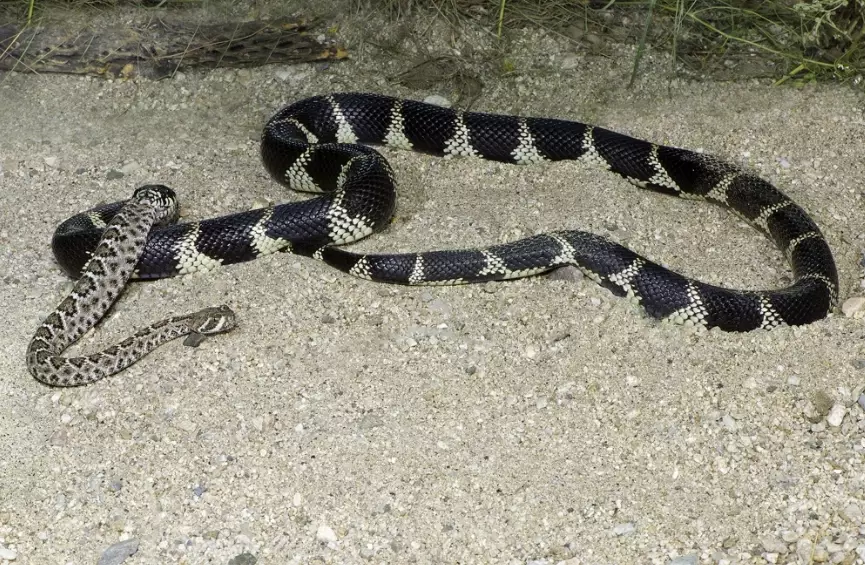
Defensive Behavior vs. True Aggression: Knowing the Difference
This is the core of the issue. What looks like aggression is almost always defense. A truly aggressive animal seeks to cause harm proactively. A defensive animal reacts to a perceived threat. Your kingsnake is always in the latter category. Here’s how to decode its signals.
Common Defensive Actions (And What They Mean)
Tail Vibrating: This rapid shaking of the tail tip, often against leaf litter or substrate, mimics the sound of a rattlesnake. It's a pure bluff. The snake is shouting, "I'm dangerous, leave me alone!" It's a clear sign of stress, not an attack precursor.
Striking with a Closed Mouth: Sometimes called a "bluff strike." The snake will lunge and bump you with its snout but not bite. This is a warning shot across the bow. It means, "You're too close, back off." If you heed this warning, the encounter ends there.
Musking: Releasing a foul-smelling mixture from their cloaca. It's a last-ditch, "Get away from me!" deterrent. It's messy and unpleasant but harmless. A snake that musks is terrified.
Hiding or Fleeing: The most common and preferred defense. If your snake consistently retreats when you open the enclosure, it's not being aggressive—it's being shy. Forcing interaction when it's in this state can lead to the more dramatic defenses listed above.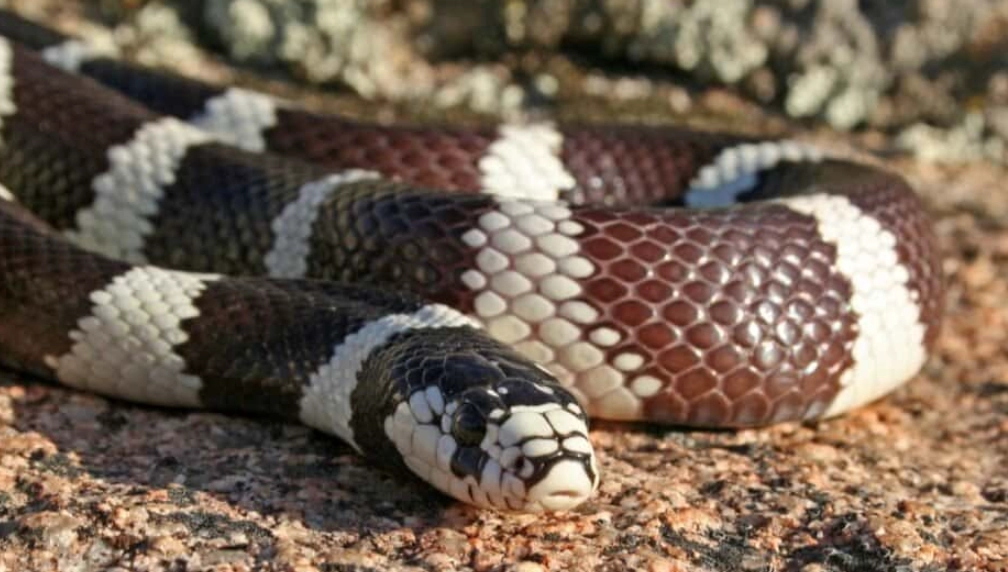
When Bites Happen (The Two Main Reasons)
Actual bites are rare and fall into two categories:
Food Response Bites: This is the #1 cause. Your hand smells like a rat, or you're reaching into the enclosure during "feeding time." The snake's feeding instinct is triggered. This isn't aggression; it's a mistaken identity. The bite is usually a quick grab-and-hold, similar to how they strike prey.
Defensive Bites: These happen when all other warnings are ignored, and the snake feels cornered. It's a last resort. The bite is typically a quick, sharp poke followed by an immediate release as the snake tries to escape.
Here’s a quick reference table to separate defensive behavior from true problems:
| Behavior | Likely Cause | Is It Aggression? | Your Response |
|---|---|---|---|
| Tail vibrating | Fear, stress | No, it's a bluff. | Move slowly, give space. |
| Hissing | Feeling threatened | No, it's a warning. | Pause your approach. |
| Striking (closed mouth) | Warning, fear | No, it's defensive. | Stop handling, try again later. |
| Biting & holding (with coil) | Mistaken for food | No, it's a feeding response. | Remain calm, gently detach. |
| Consistent, unprovoked biting | Extreme stress, poor health, or very rare individual temperament | Potentially, but highly unusual. | Consult a reptile vet, review husbandry. |
I once had a beautiful albino kingsnake that would musk every single time for the first month. Not a bite, not a strike—just a smelly protest. After patient, short handling sessions, she became as calm as any other. Her initial "aggression" was pure fear.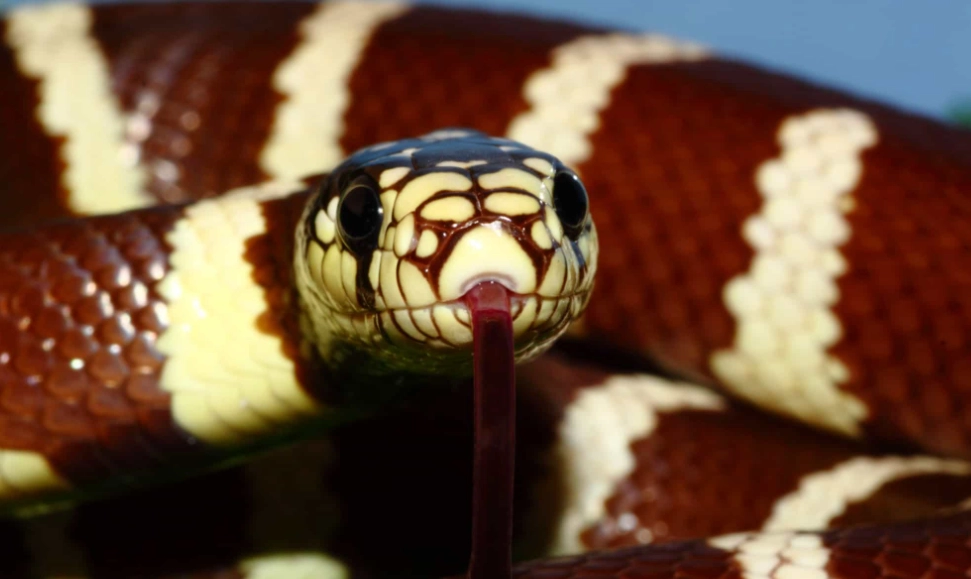
How to Properly Handle a California Kingsnake to Build Trust
Handling is where you turn theory into a calm pet. Doing it wrong creates defensive behavior. Doing it right builds a confident snake.
Rule #1: Never handle for 48 hours after feeding. This is non-negotiable. Handling during digestion is stressful and can cause regurgitation, a serious health issue. It also increases the risk of a food-response bite.
Approach with confidence, not stealth. Sudden, hesitant movements are predatory. Open the enclosure calmly. Use a gentle, deliberate touch on the mid-body rather than grabbing from above (like a bird of prey would). I use a small snake hook to initially lift hatchlings or nervous individuals out of the enclosure, which avoids triggering a defensive response associated with a giant hand invading their space.
Support their body fully. Let them move through your hands. Don't restrain or grip tightly. A supported snake feels secure. An unsupported snake feels like it's falling and will thrash.
Keep initial sessions short. Five minutes is plenty for a new or young snake. End the session on a positive note, ideally when the snake is calm. Always return them to their enclosure gently, don't drop them in.
Wash your hands! This can't be overstated. If your hands smell like mouse, you're asking for a feeding-response bite. Wash with unscented soap before and after handling.
The biggest mistake I see beginners make? Giving up after one defensive display. Consistency is key. Short, positive, frequent handling sessions (outside of digestion) work wonders. Skip a session if the snake is in blue (pre-shed), as their vision is impaired and they're more vulnerable and irritable.
What Makes California Kingsnakes Ideal Beginner Snakes
Their temperament is the headline, but it's supported by a full package of beginner-friendly traits. This is why they're consistently recommended by breeders, vets, and experienced hobbyists.
Hardy and Forgiving: They tolerate a range of temperatures and humidity levels better than many tropical species. While proper husbandry is always required, they're less likely to develop immediate health issues from minor, temporary fluctuations. Resources like the Journal of Herpetological Medicine and Surgery often cite their general hardiness in captive settings.
Manageable Size: Adults typically range from 3 to 4.5 feet. This is a perfect size—large enough to be impressive and easy to handle, but small enough that housing and feeding remain straightforward and affordable. A 40-gallon breeder tank is sufficient for an adult.
Excellent Feeders: They rarely refuse meals. Their famous appetite (including ophiophagy—eating other snakes) in the wild translates to a reliable feeding response in captivity. This eliminates one of the biggest stress points for new snake owners: a pet that won't eat.
Simple Diet: They thrive on a diet of appropriately sized frozen-thawed rodents. You don't need to source live prey or complex dietary supplements.
Compare this to other common beginner snakes. Corn snakes are equally docile but can be slightly more flighty. Ball pythons are famously gentle but are notorious for going on long hunger strikes, which can panic a new owner. California kingsnakes offer the docility without the feeding headaches.
Their main "con" is their activity level and strength. A hungry kingsnake cruising its enclosure can seem frantic compared to a sedentary ball python. And they are strong, muscular constrictors. A 4-foot kingsnake can surprise you with its power when it pushes against your hand—but this is strength, not aggression.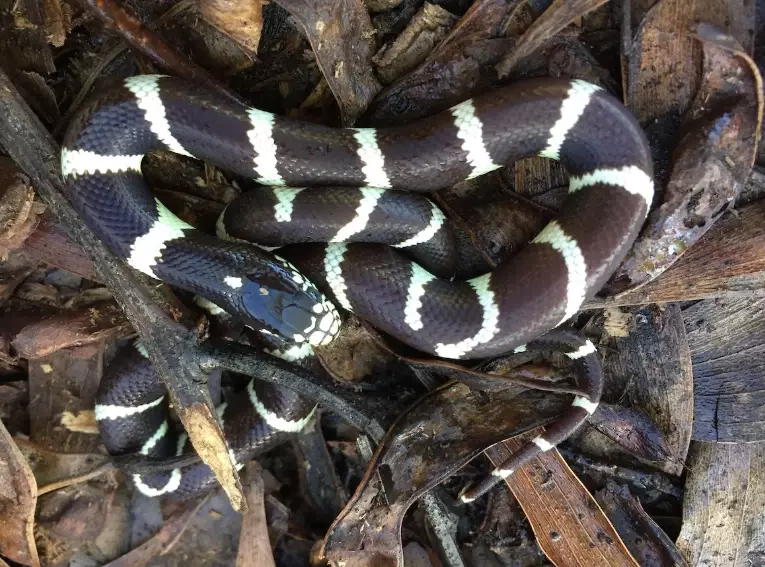
Your California Kingsnake Temperament Questions Answered
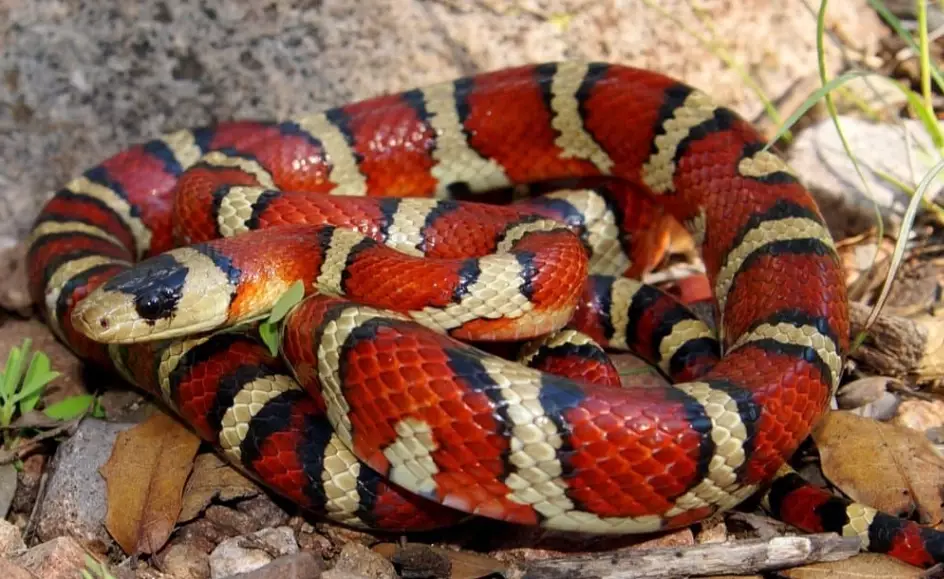 My kingsnake strikes the glass when I walk by. Is this cage aggression?
So, are California kingsnakes aggressive? The definitive answer is no. They are defensive when scared, and they are enthusiastic eaters, which can lead to mistaken bites. But a label of "aggression" does them a great disservice. With proper understanding, respectful handling, and good husbandry, they reveal themselves as curious, hardy, and remarkably tolerant companions. Their occasional dramatic defenses are just noise—the underlying temperament is one of the most reliable in the reptile world. If you want a snake that's engaging, easy to care for, and almost guaranteed to be gentle, the California kingsnake deserves its spot at the top of your list.
Reader Comments