Let's cut straight to the chase. You found a weird, spiky, flat lizard that looks like a tiny dinosaur and your first thought is, "Can this thing poison me?" It's a fair question. The short, definitive answer is no, horned lizards are not venomous. They lack venom glands entirely. But if you stop there, you're missing the wildest part of the story. What these lizards can do is far stranger and more fascinating than a simple venom bite. They shoot blood from their eyes.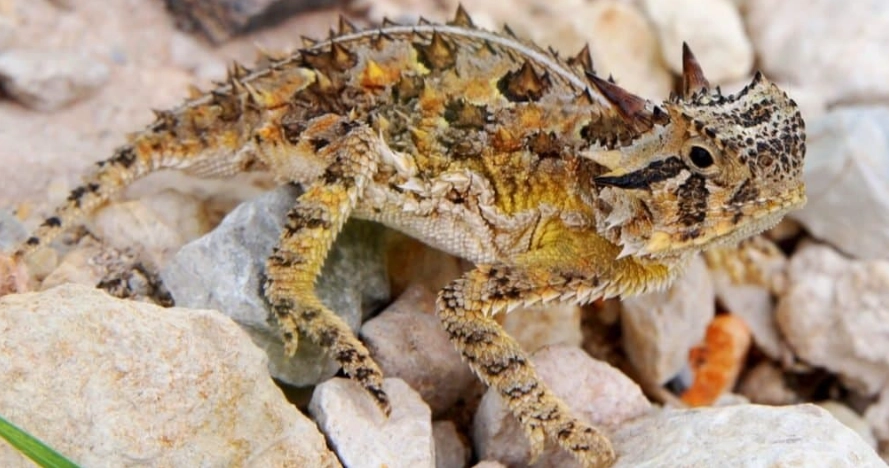
I remember the first time I heard that. I was on a hike in Arizona, and a seasoned naturalist pointed at a Texas horned lizard sunning itself on a rock. "See those little guys?" he said. "If a coyote bothers it, it'll squirt blood right at it." I thought he was pulling my leg. Turns out, he wasn't. This bizarre defense mechanism is the real reason behind the confusion about horned lizard venom, and it's what we're going to unpack.
Quick Guide to This Article
The Straight Truth About Horned Lizard "Venom"
Zero venom. Zilch. Nada. Horned lizards (genus Phrynosoma), often called "horny toads," are physiologically incapable of producing or delivering venom. They don't have modified saliva glands like venomous snakes, nor do they have grooved or hollow teeth to inject anything. Their diet consists almost entirely of ants, which they crush with their jaws—no need for venom to subdue prey.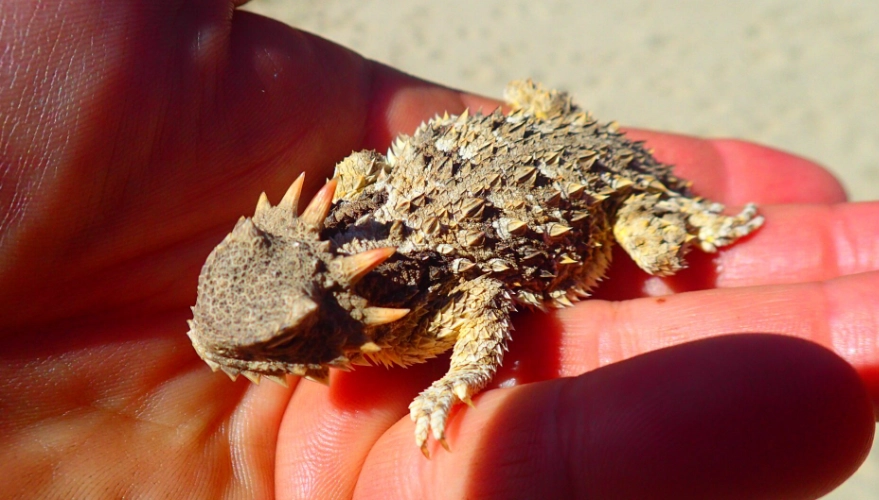
So where does the idea of them being venomous come from? It's a classic case of mistaken identity and conflating different defense strategies. People see a lizard with horns and spikes (which are just modified scales) and assume it must be armed with something more sinister. The dramatic, blood-squirting behavior then gets folded into this narrative, described by folks who've witnessed it as "shooting poison" or something similar. The blood itself isn't toxic, but the shock value of the act is so high it creates its own mythology.
Key Takeaway: Horned lizards are non-venomous, insectivorous reptiles. Their primary defenses are camouflage, their spiky appearance to deter swallowing, and their famous ocular blood-squirting. No part of their biology involves venom production.
The Blood-Squirting Defense: How It Really Works
This is the party trick. When severely threatened—usually by a canine predator like a coyote, fox, or domestic dog—certain species of horned lizard can rupture tiny capillaries around their eyelids and propel a stream of blood up to five feet. The blood is mixed with a chemical from their diet, specifically from the harvester ants they eat.
Here's the process, stripped down:
- The Trigger: A predator picks the lizard up in its mouth or gets very close.
- The Build-up: The lizard restricts blood flow from its head, building pressure in the sinus cavities behind its eyes.
- The Release: It contracts muscles around the eyes, forcibly rupturing the sinus membrane and shooting the blood out.
The goal isn't to poison. Research, like studies published in the Journal of Herpetology, suggests the blood has a foul taste to canines (likely from the formic acid in the ants). The sudden, grotesque gush of blood often causes the predator to drop the lizard in surprise and disgust, giving it a chance to escape. It's a last-ditch, Hail Mary defense that costs the lizard dearly in terms of energy and fluid loss.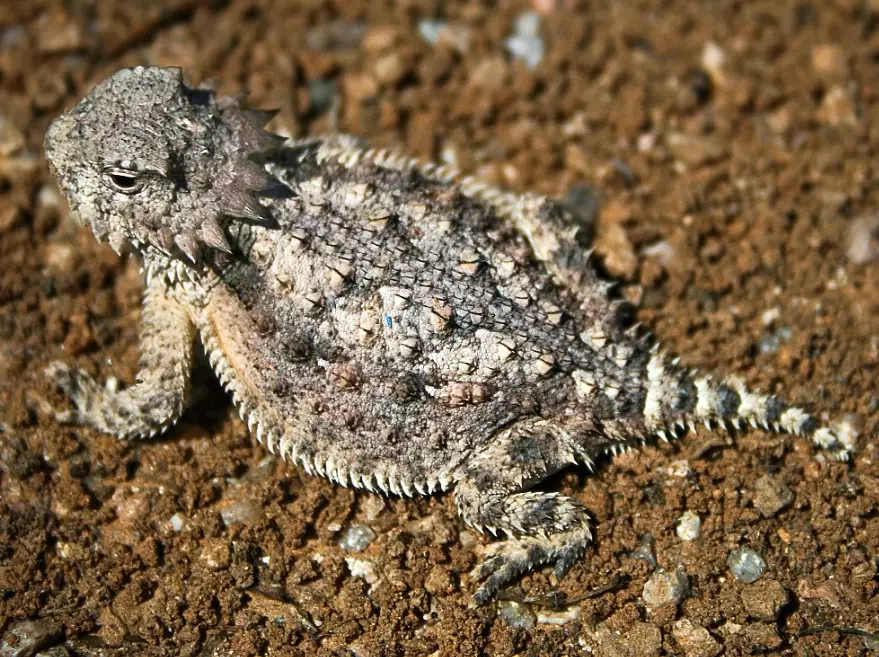
Which Horned Lizards Can Do This?
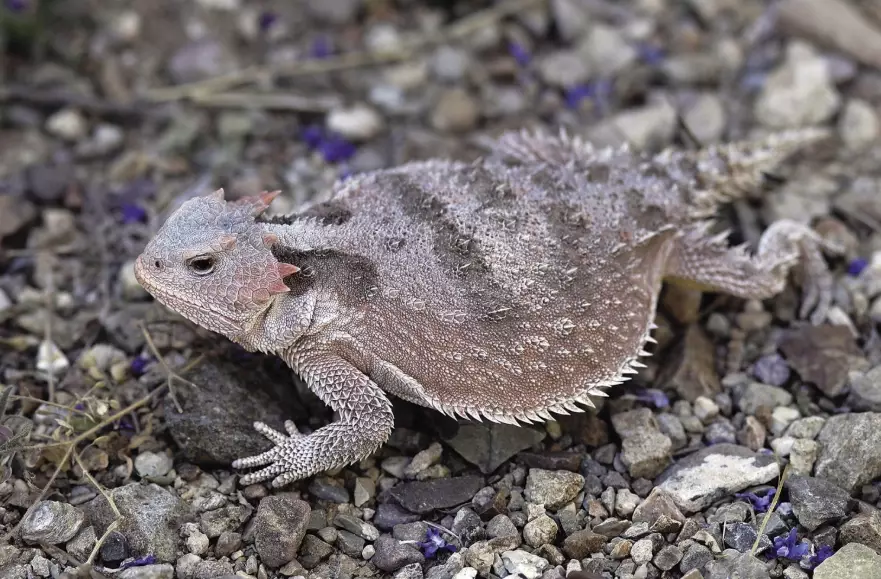
Not all of the 17+ species are equally proficient. The Texas horned lizard (Phrynosoma cornutum) and the regal horned lizard (Phrynosoma solare) are the most famous for this ability. Others may have a less dramatic, more oozing response, and some rely almost entirely on camouflage. If you're in the Southwest U.S. or Mexico and see one, assume it might have this capability, but it's a defense of absolute last resort.
Are Horned Lizards Dangerous to Humans or Pets?
To humans, they are completely harmless. The worst they can do is maybe prick your finger with one of their cranial horns if you handle them poorly. The blood is not corrosive, toxic, or dangerous to human skin. It's just blood. Washing it off with soap and water is more than sufficient.
For pets, the story is slightly different, but still not about venom.
- Dogs/Cats: The main risk isn't poisoning, but the physical act. A dog that tries to bite a horned lizard can get a mouthful of sharp horns, potentially leading to puncture wounds, infections, or the lizard's blood-squirting defense. While the blood isn't toxic, ingesting it could cause minor stomach upset in a sensitive pet due to the ant-derived chemicals. The real danger is a pet learning the hard way that these lizards are spiky and unpleasant to mess with.
- The Lizard's Danger: It's crucial to flip the perspective. Horned lizards are in decline across much of their range. They are fragile. Handling them causes immense stress, and their populations are threatened by habitat loss, pesticide use (which kills their ant prey), and illegal collection. You are far more dangerous to the horned lizard than it will ever be to you.
Common Misconceptions and Why They Persist
The venom myth is stubborn. I've seen it pop up in online forums, in casual conversation, and even in some outdated literature. Here’s why it sticks around:
1. Association with Other "Armed" Reptiles: People see spikes and think "defense weapon," logically jumping to venom. It's a mental shortcut, but an incorrect one.
2. The "Gross Factor" of Blood-Squirting: Something that dramatic feels like it should be toxic. Describing it as "squirting poison" is more sensational than "squirting foul-tasting blood," so the former gets repeated.
3. Regional Folklore: In some areas where they're called "horny toads," old tales attribute all sorts of magical or dangerous properties to them. The venom story is just one thread in that tapestry.
A subtle but important point many care guides miss: the blood-squirting isn't just a cool fact. It's a sign of extreme distress. If you keep one in captivity (which is illegal in many states without permits and notoriously difficult due to their specialized ant diet) and it resorts to this, you have failed as a keeper. You've terrified it to its absolute limit. That's a perspective you only get from talking to rehabbers who have seen the aftermath.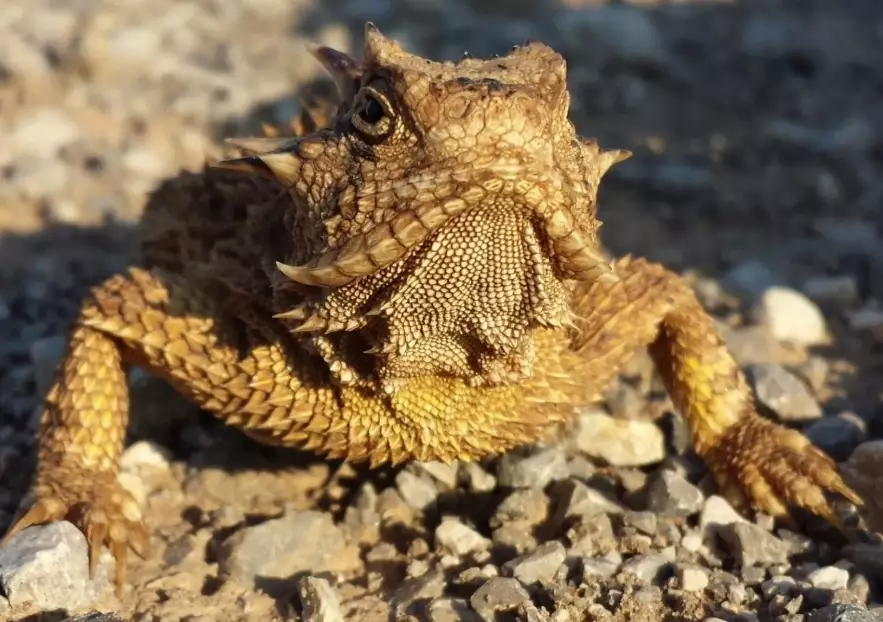
Reader Comments