You're staring at two leopard geckos online or in a pet store. One is a tiny, striped hatchling you could fit on a quarter. The other is a robust, spotted adult, calm and watchful. Which one is right for you? The truth is, choosing between a baby leopard gecko and an adult is more than just picking a size. It's committing to two completely different care journeys for the first year. I've raised dozens from hatchlings and adopted several adults over the years, and the mistakes I see people make always come down to not understanding this fundamental shift.
This isn't just a list of facts. It's a roadmap based on what actually happens when you bring each one home.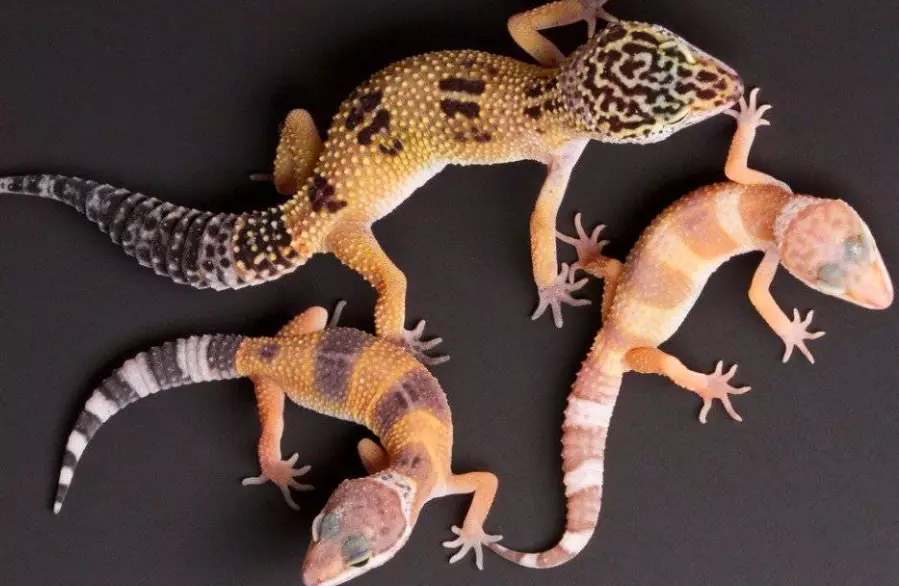
What You'll Learn Inside
- Beyond Size: Spotting the Real Physical Differences
- How to Set Up the Perfect Habitat for Each Life Stage
- The Feeding Challenge: From Daily Hunts to Scheduled Meals
- Handling & Temperament: Building Trust at Different Speeds
- Health Watch: What to Look For in Babies vs. Adults
- Making Your Choice: Which Life Stage is Best for You?
- Your Questions, Answered
Beyond Size: Spotting the Real Physical Differences
A baby leopard gecko (hatchling to about 5 months) isn't just a small adult. Their body plan is different. They have proportionally larger heads and eyes, and their skin pattern is made up of dark brown or black bands, not the iconic spots. Those spots develop as they grow, usually starting around 3-4 months. Their tails are slender, storing minimal fat. You're looking at a creature built for rapid growth and hiding.
An adult leopard gecko (generally 1 year and older) is the finished product. They have a robust, cylindrical body. The tail is fat and plump—this is their primary energy reserve. The head looks more proportional, and the full, beautiful spotting is on display. An adult's weight and tail girth are the best indicators of health, not just length.
Here’s a quick visual breakdown of what changes:
| Feature | Baby/Juvenile (0-10 months) | Adult (10+ months) |
|---|---|---|
| Length | 3 to 6 inches | 7 to 10+ inches |
| Pattern | Dark bands/stripes | Full spots & coloration |
| Tail | Thin, whip-like | Thick, fat-storing |
| Build | Delicate, large-headed | Sturdy, proportional |
The biggest mistake? Assuming a "20-gallon tank is fine for life." It's not wrong, but the setup inside that tank needs to evolve dramatically as your gecko grows.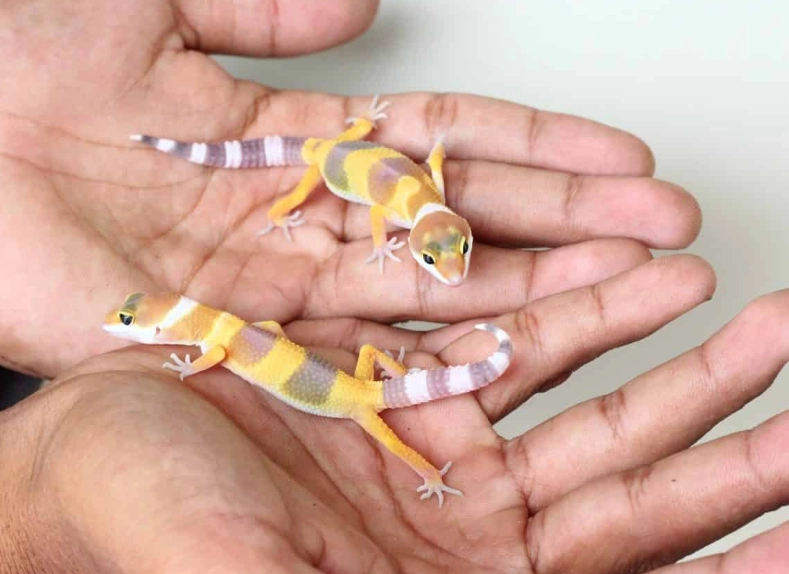
How to Set Up the Perfect Habitat for Each Life Stage
You can keep a baby in a 10-gallon tank. It makes finding them easier. But the interior design is critical. Babies are nervous. They need more hides—at least three (warm, cool, moist)—placed close together so they can move between them without feeling exposed. I use half-sized toilet paper tubes and small plastic containers with entry holes. Substrate is a hot topic. For babies, I'm militant: paper towel only. It's safe, sterile, and lets you monitor their droppings for signs of parasites, which are heartbreakingly common in young geckos from large-scale breeders.
Adults need space to patrol. A 20-gallon long is the accepted minimum, and it makes a difference. Their hides need to be bigger—cave-sized. You have more substrate options for adults: slate tile, a bioactive mix, or even a carefully monitored sand/soil mix for experienced keepers. The temperature gradient (88-92°F warm side, 70-75°F cool side) is the same, but an adult's larger body mass handles slight fluctuations better. A baby in a cool tank will simply stop digesting food.
Pro Tip from the Mess I Made: That cute, miniature water dish for your hatchling? It dries out in hours. Babies dehydrate fast. Use an adult-sized, shallow water dish from day one. They'll climb in and out safely, and it maintains humidity for shedding.
The Feeding Challenge: From Daily Hunts to Scheduled Meals
This is where the schedules diverge wildly. A baby leopard gecko is a growing machine. They need to eat every day, or at least 5-6 times a week. Their food must be tiny: pinhead crickets, small mealworms (1/4 inch), or dubia roach nymphs. Everything must be dusted with a calcium supplement (without D3 for most feedings) at nearly every meal. They're often clumsy hunters. I've watched babies charge at a cricket and miss completely. You might need to slightly injure prey or use feeding tweezers at first.
Adults are the opposite. Feeding an adult every day is a one-way ticket to obesity and fatty liver disease. An adult leopard gecko eats 2-3 times per week, 5-10 appropriately sized insects per feeding (a large cricket, a couple of superworms). Their calcium dusting schedule shifts to 1-2 times a week, with a multivitamin added bi-weekly. They are efficient, patient hunters. They'll wait for the perfect moment to strike.
The transition happens around 10-12 months. You'll notice they start leaving a cricket or two in the tank overnight. That's your cue to start spacing out feedings.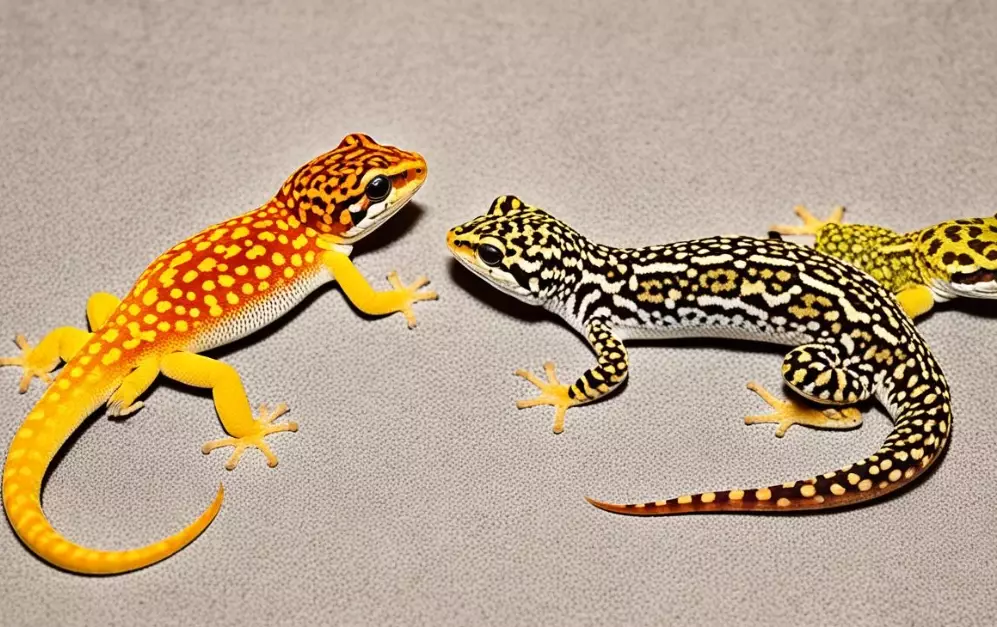
Handling & Temperament: Building Trust at Different Speeds
Babies are fast and fragile. Their first reaction is to run and hide, and they can jump. Handling should be minimal, brief, and close to a soft surface (like over a bed). The goal isn't to "play" with them. It's to get them used to your scent and presence without stress. Start by just resting your hand in the tank. After a week, gently scoop them from below. Five minutes max. Some babies calm down quickly; others remain skittish for months. It's a lottery.
Adults have established personalities. One you adopt might be a calm, handleable sweetheart from day one. Another might be defensive, having had little interaction. The advantage with an adult is you know what you're getting. The process is the same—patience, positive association with food—but you're not working against a hyperactive growth metabolism. An adult's slower pace can make taming feel more deliberate and successful. They rarely jump. They might just walk off your hand if they're done.
The Shedding Difference Nobody Talks About
Babies shed like crazy—sometimes every two weeks—because they're growing so fast. They often struggle with it, especially on toes and the tip of the tail. You must check them after every shed for retained skin, which can constrict and cause toe loss. Adults shed cleanly every 4-8 weeks. It's rarely an issue if their moist hide is proper.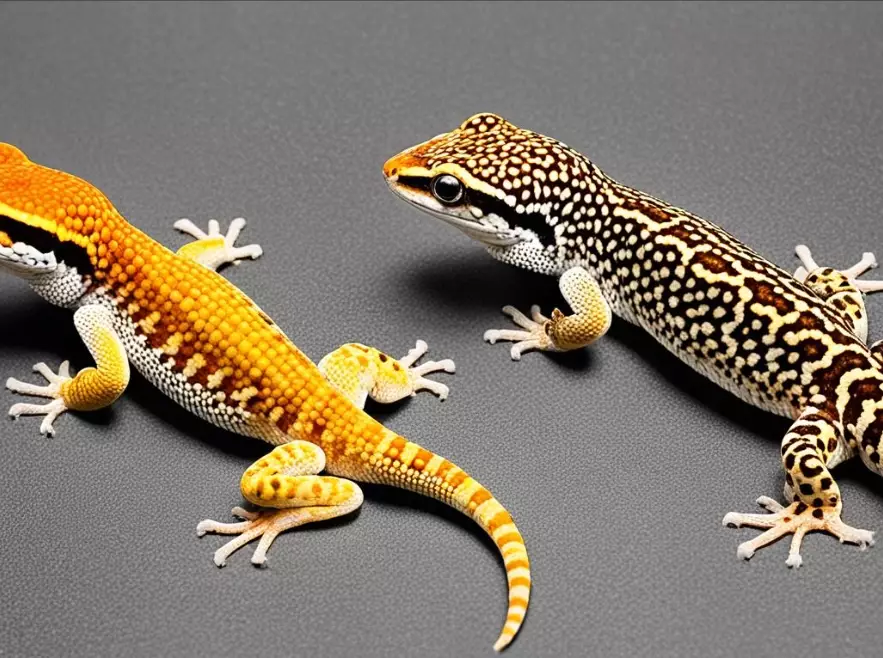
Health Watch: What to Look For in Babies vs. Adults
Your vigilance needs to be tuned to their life stage.
For Babies: The big three are parasites (lethargy, runny or smelly stools), failure to thrive (not growing, not eating), and metabolic bone disease (MBD) from improper calcium. MBD shows as rubbery jaws, bent limbs, or a kinked tail. It can set in within weeks. A fecal exam by a reptile vet within the first few months of getting a baby is the best money you'll spend.
For Adults: Watch for obesity (fat rolls behind the arms, a massively thick tail), egg-binding in females (lethargy, straining), and periodontal disease. Yes, tooth decay. It's common in older geckos fed soft, wiggly insects that get gummed into their teeth. Offering some crunchy-shelled feeders helps.
Making Your Choice: Which Life Stage is Best for You?
Choose a baby leopard gecko if:
- You want the full experience of watching them grow and change color.
- You have the time for daily feeding and close monitoring.
- You enjoy the project of taming and socializing a young animal.
- You want a specific, often rarer, morph that's only available as a hatchling.
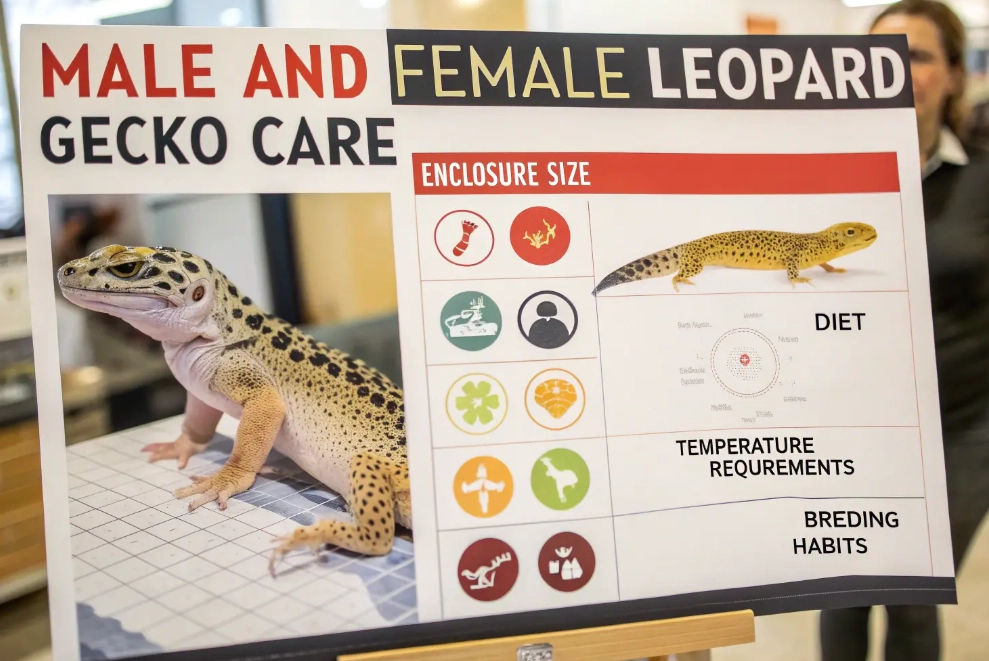
Choose an adult leopard gecko if:
- You want a predictable, usually calmer, handleable pet sooner.
- Your schedule suits feeding only 2-3 times a week.
- You want to avoid the fragility and higher health risks of hatchlings.
- You are open to adoption (check reptile rescues!).
I adore raising babies, but my first leopard gecko was an adopted adult male who was surrendered. He was handleable from day two and lived for another 9 happy years with me. There's no wrong answer, only the right fit for your life.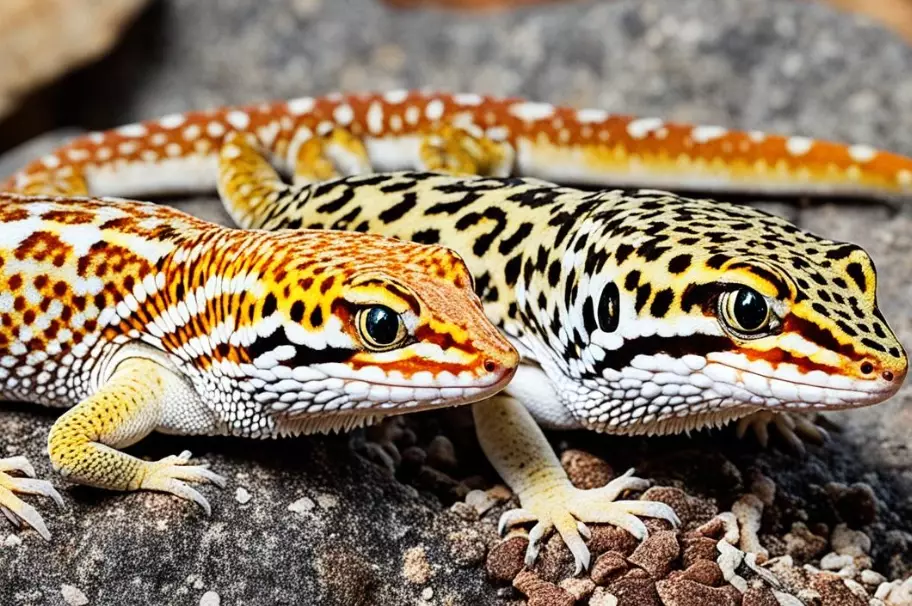
Your Questions, Answered
My baby leopard gecko won't eat. Is this normal?
How can I tell if my leopard gecko is a healthy weight?
Is it too late to tame an adult leopard gecko I just adopted?
Reader Comments