Let's cut to the chase. No, you should not leave a heat lamp on 24/7 for a leopard gecko. Doing so is one of the most common and detrimental mistakes a new keeper can make. It disrupts their natural rhythm, prevents proper digestion, and leads to chronic stress. I've seen it too many times—a lethargic gecko, hiding all day, with poor appetite, and the owner can't figure out why. The culprit is often a light or heat source that never turns off.
Leopard geckos are crepuscular, meaning they are most active at dawn and dusk. Their native rocky, arid environments in Afghanistan and Pakistan experience significant temperature drops at night. Your pet's biology is hardwired for this cycle. Constant heat throws that entire system out of whack.
What You'll Learn In This Guide
Why Keeping a Heat Lamp On 24/7 is Actively Harmful
Think of it like this: you're forcing your gecko to live in a perpetual, stressful afternoon. There's no break, no cue for rest, and no cue for activity.
It Destroys the Temperature Gradient
This is the big one. A leopard gecko enclosure must have a warm side and a cool side. This gradient allows them to thermoregulate—to move their body to the exact temperature they need for digestion, activity, or rest. A 24/7 lamp, especially one that's too powerful, often heats the entire tank to a uniform, lukewarm temperature. Your gecko loses the ability to cool down properly. They get stuck in a metabolic limbo.
I remember consulting for a keeper whose gecko was barely eating. The warm hide was 95°F, but the "cool" side was 89°F. The gecko had nowhere to retreat. Once we put the heat lamp on a timer and dialed in the wattage, the cool side dropped to 78°F. Within two days, the gecko was exploring the whole tank and eating eagerly.
It Disrupts Circadian Rhythms and Sleep
Light is a powerful signal. Even a low-wattage bulb or a colored "night" bulb emits some visible spectrum. For a light-sensitive creature, this means it's never truly night. Chronic sleep disruption leads to a weakened immune system and stress. Stress in reptiles is a silent killer; it manifests as suppressed appetite, susceptibility to parasites, and general poor health.
Avoid Colored "Night" Bulbs: Red or blue bulbs are often marketed for nocturnal viewing. They're a bad idea. Research, including work cited by reptile welfare organizations, suggests reptiles can still see this light spectrum. It turns their world into a permanent, eerie twilight, confusing their day/night cycle. Total darkness is best at night.
It Can Cause Thermal Burns and Dehydration
Without a nightly cooldown, the substrate and decor under the lamp never get a chance to release residual heat. The basking surface can become progressively hotter over days. A gecko seeking warmth might settle on a spot that's become dangerously hot. Furthermore, constant heat lowers the humidity in the tank to near-zero levels, which can complicate shedding and lead to dehydration.
Setting Up the Right Heating System (It's Not Just a Lamp)
Your goal isn't to just provide heat; it's to create a functional thermal environment. This usually requires more than one piece of equipment working together.
Here’s a breakdown of the core components:
| Component | Primary Purpose | Do You Need It? | Key Tip |
|---|---|---|---|
| Overhead Heat Lamp (Halogen, Incandescent) | Creates a bright basking spot & ambient warmth on the warm side. | Highly Recommended | Use a low-wattage bulb (25-75W) in a dome lamp with a ceramic socket. Always pair with a thermostat. |
| Under-Tank Heater (UTH) / Heat Mat | Provides belly heat for digestion. Creates a warm floor for the warm hide. | Essential or Highly Recommended | Must be connected to a thermostat. Place under 1/3 of the tank, outside the glass. |
| Thermostat | Controls the output of your heat source to prevent overheating. | Non-Negotiable | An on/off thermostat is fine for mats; a dimming thermostat is best for lamps. This is your most important purchase. |
| Ceramic Heat Emitter (CHE) | Provides heat without light. For supplemental night heat if room temps drop too low. | Situational | Only needed if your room gets below 65°F (18°C) at night. Also requires a thermostat and ceramic socket. |
| Digital Thermometers & Infrared Temp Gun | Accurate temperature monitoring. | Non-Negotiable | Use two digital probes: one in warm hide, one in cool hide. The temp gun checks surface basking temps. |
My personal setup for a 20-gallon long tank is a 50-watt halogen lamp on a dimming thermostat for daytime basking, and a heat mat under the warm hide on a simple on/off thermostat. The lamp turns off at 7 PM, the mat stays on 24/7 but is regulated to 90°F. It's simple and mimics nature: warm ground all the time, a sunny spot during the day.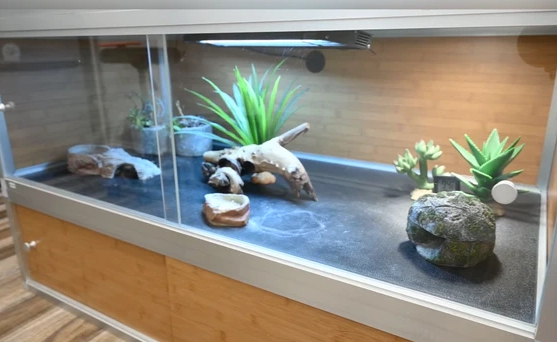
The Perfect Temperature & Schedule
Consistency is more important than perfection. Get a cheap outlet timer—it will change your life and your gecko's health.
The Golden Rule Schedule: 12 hours on, 12 hours off. Set the timer so the heat lamp turns on in the morning when you wake up (or at a set time like 7 AM) and turns off in the evening (like 7 PM). This is non-negotiable for establishing a reliable cycle.
Daytime Temperatures (When the Lamp is On)
- Warm Side Ambient: 84-88°F (29-31°C)
- Basking Surface Spot: 90-94°F (32-34°C) – measure this with the temp gun on the rock/hide under the lamp.
- Cool Side Ambient: 75-80°F (24-27°C)
- The warm hide itself should be in the high 80s.
Nighttime Temperatures (When the Lamp is Off)
- Entire Enclosure: A drop to 70-75°F (21-24°C) is ideal and safe.
- Absolute Minimum: Do not let it fall below 65°F (18°C) for prolonged periods.
- If your house gets colder than this, that's when you'd use a Ceramic Heat Emitter (CHE) on a thermostat, set to keep the tank at about 70°F. No light, just gentle warmth.
This nightly drop is not something to fear. It's the trigger for natural behavior. In the wild, the cooling evening is when they'd start to become active and hunt.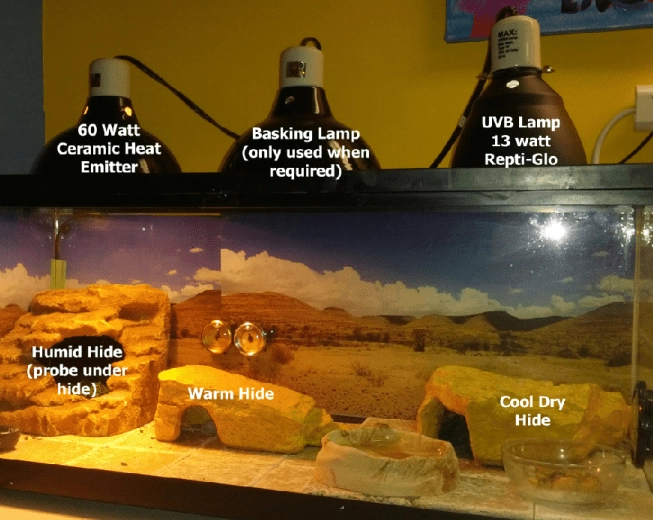
Common Heating Mistakes and How to Fix Them
Here are a few subtle errors I see even intermediate keepers make.
Mistake 1: Relying on the dial on the lamp dome. Those little dimmer switches are unreliable. They don't measure temperature, just power output. A 75W bulb on a low setting can still overheat a small tank on a hot day. Fix: Use a thermostat probe to control it.
Mistake 2: Placing the thermostat probe in the wrong spot. For an overhead lamp, the probe should dangle 2-3 inches above the substrate directly in the basking area. Don't tape it to the wall. For a heat mat, sandwich the probe between the mat and the outside bottom glass of the tank. This controls the mat's maximum output, preventing glass from getting too hot.
Mistake 3: Assuming "room temperature" is good enough for the cool side. In a modern air-conditioned home, "room temp" might be 68°F. That's too cold for the cool side, which should be a steady 75-80°F. Fix: You might need a very low-wattage secondary heat source on the cool side, or simply move the tank to a warmer room. The cool side isn't "cold," it's comfortably warm.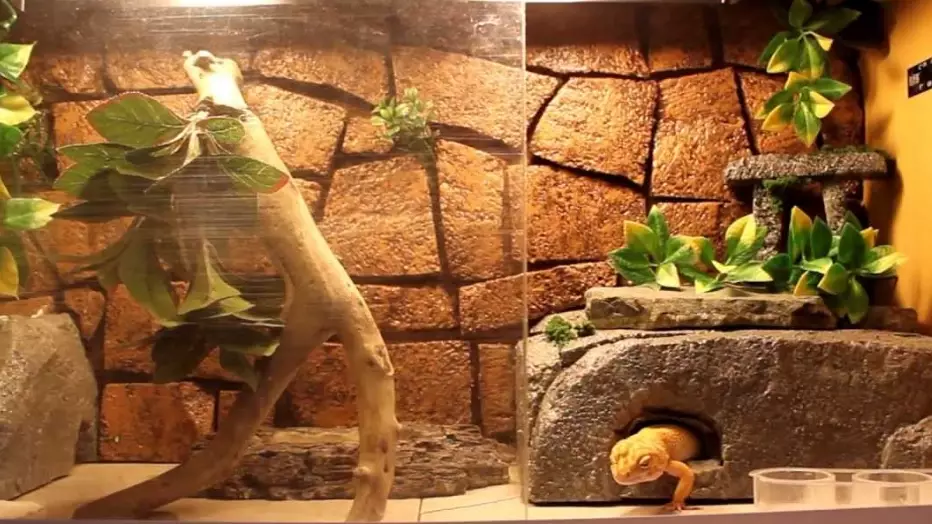
Your Leopard Gecko Heating Questions Answered
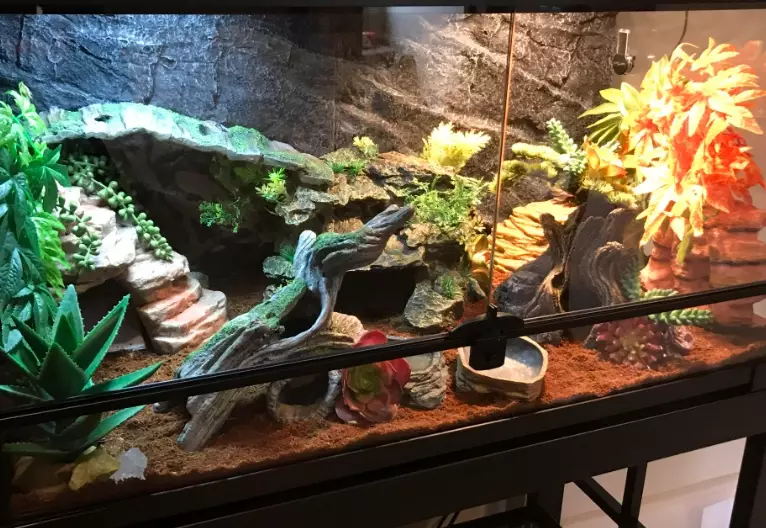
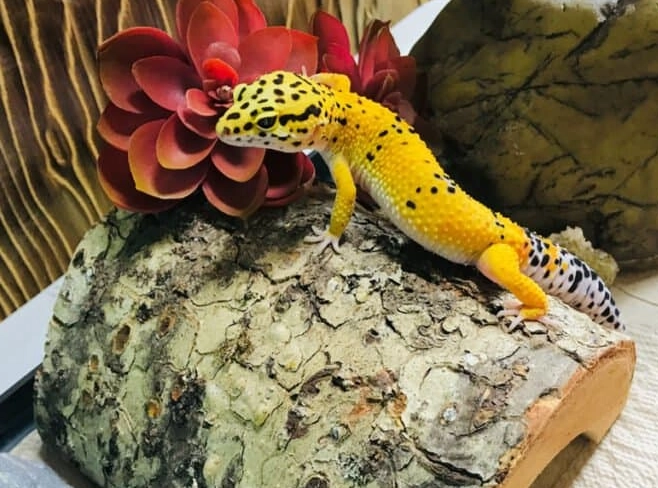
Getting the heat right is the single most important thing you'll do for your leopard gecko's health. Ditch the 24/7 mindset. Embrace the cycle. Give them a proper gradient with a warm side and a cool side, a bright day and a dark night. When you see them moving confidently from their warm hide to their cool hide, exploring at dusk, and digesting their meals properly, you'll know you've nailed it. It’s not about more heat; it’s about the right heat, at the right time.
Reader Comments