You see that empty corner in your room, or maybe you already have a thriving gecko setup. The thought pops up: "Wouldn't it be cool to add a chameleon in there? They're both reptiles, right?" Let's cut straight to the point. Housing chameleons and geckos together is one of the most common yet risky ideas in reptile keeping. Most experienced keepers and veterinarians will tell you it's a flat-out bad idea, and they're right for the vast majority of situations. But the question persists because the internet is full of conflicting, often dangerously oversimplified advice. This guide isn't here to just say "no." It's here to explain the precise why, detail the extreme exceptions, and offer you smarter, safer alternatives that will keep all your animals healthy and stress-free.
What You'll Find in This Guide
Why Putting a Chameleon and Gecko Together is Usually a Disaster
Think of it like forcing a mountain climber and a scuba diver to share a studio apartment. Their fundamental life requirements are on opposite ends of the spectrum. The conflict isn't just about aggression; it's a slow, stressful erosion of welfare caused by incompatible needs.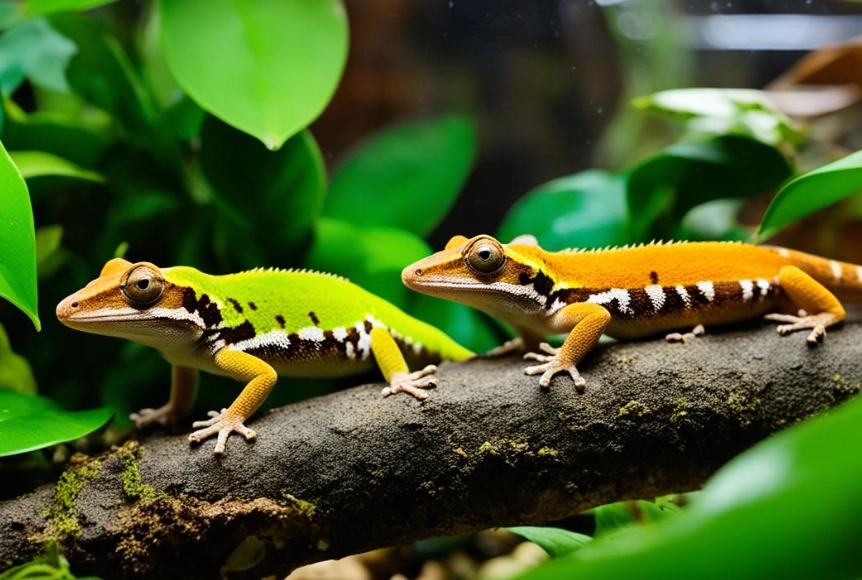
Stress is the silent killer. Chameleons are notorious stress magnets. They are solitary, visual creatures that perceive most movement as a threat. A gecko scurrying around the enclosure floor or climbing at night is a constant source of anxiety. This chronic stress weakens their immune system, leading to susceptibility to infections, appetite loss, and failure to thrive. I've seen more than one chameleon in a mixed tank simply "give up"—ceasing to eat and slowly wasting away due to environmental stress, not any visible injury.
The biggest mistake beginners make? Assuming that because the animals aren't physically fighting, they're "getting along." Reptiles don't show stress like mammals. A chameleon sitting still with darkened colors isn't "calm"; it's terrified and trying to disappear. This subtlety leads to prolonged suffering that goes unnoticed until it's too late.
Disease transmission risk skyrockets. Chameleons and geckos can carry different parasites and pathogens harmless to them but devastating to the other. For example, certain protozoans common in geckos can be lethal to chameleons. Sharing space means sharing air, surfaces, and potentially water, creating a perfect cross-contamination highway.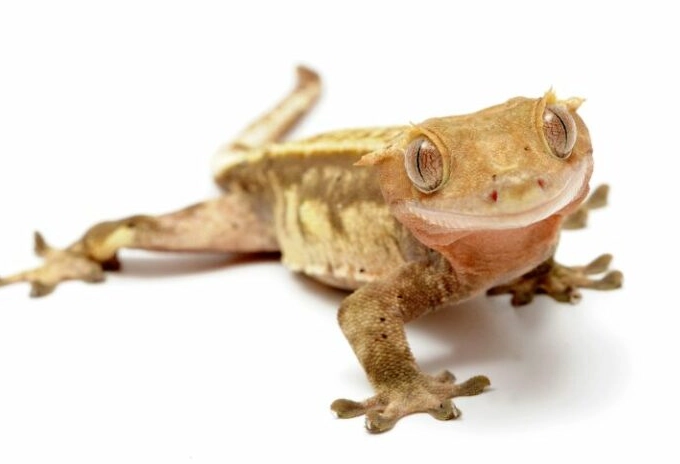
The Invisible Clash: A Side-by-Side Needs Breakdown
Let's get specific. This table isn't just a list; it shows you the direct points of conflict that make cohabitation a daily battle to meet anyone's needs.
>| Requirement | Typical Chameleon (e.g., Veiled, Panther) | Typical Gecko (e.g., Leopard, Crested) | Conflict Point |
|---|---|---|---|
| Temperature Gradient | Needs a distinct basking spot (85-95°F) and cooler zones down to 70-75°F. | Often prefers more uniform warmth, with a hotspot around 85-90°F and ambient 75-80°F. | One animal's perfect basking spot is another's overheated zone. Compromising the gradient harms both. |
| Humidity & Hydration | Requires moderate humidity (50-70%) with regular misting for drinking. Sensitive to stagnant air. | Needs vary widely. Leopard geckos need dry (30-40%). Crested geckos need high humidity (60-80%). | Misting for a chameleon can cause respiratory infections in a leopard gecko. A crested gecko's high humidity can foster respiratory issues in a chameleon if ventilation is poor. |
| Lighting (UVB) | Absolute necessity. Requires high-output linear UVB (T5 HO) covering most of the enclosure to synthesize Vitamin D3. | Many common geckos are crepuscular/nocturnal and have lower UVB requirements (though some benefit from low levels). | The intense UVB a chameleon needs can be excessive and stressful for a gecko that seeks shade, forcing it into hiding. |
| Social Structure | Solitary and territorial. They do not want, need, or tolerate cage mates. | Some species can be housed in pairs/groups (with caution), but none are "social" with other reptile species. | The chameleon's instinct is to be alone. The presence of another animal is a constant territorial threat. |
| Activity Cycle | Primarily diurnal (active during the day). | Most popular species are crepuscular or nocturnal (active at dawn/dusk/night). | The gecko's nighttime activity disturbs the chameleon's crucial rest period, leading to sleep deprivation and stress. |
See the problem? You're not setting up a habitat; you're engineering a compromise where at least one animal, and usually both, is living in subpar conditions. Their needs aren't just different; they are actively contradictory.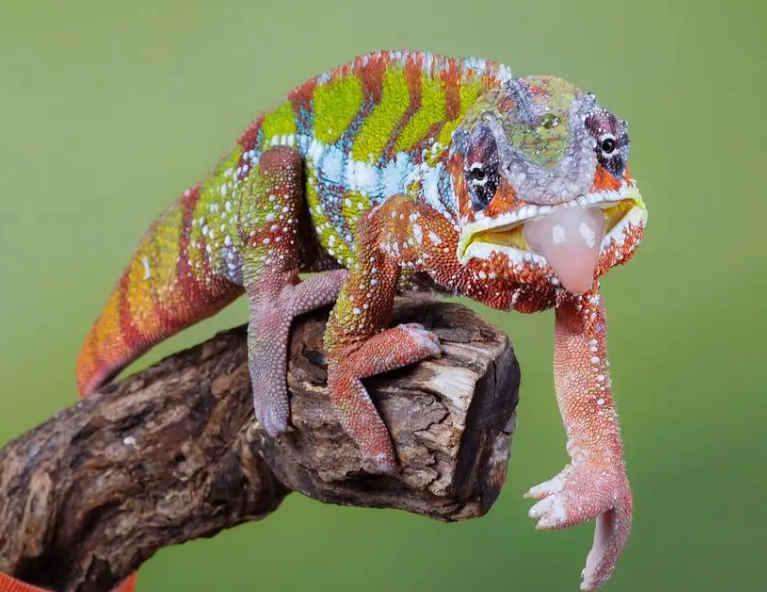
The "If You Must" Guide: Setting Up a Cohabitation Enclosure
I strongly advise against it. But if you are determined to try after understanding the risks, these are the non-negotiable rules. Skipping any one of these steps sets you up for failure.
Step 1: Species Selection is Everything (The Only Possible Pairing)
Forget about a Veiled Chameleon with a Leopard Gecko. That's a death sentence. The only scenario with a sliver of potential involves smaller, very calm Old World chameleon species and certain small, slow-moving geckos that share near-identical environmental needs.
A theoretical example: A Fischer's Chameleon (Kinyongia fischeri) or a Pygmy Chameleon (genus Rhampholeon) might co-exist in a massive, heavily planted vivarium with a small group of Day Geckos (e.g., Phelsuma klemmeri, the Neon Day Gecko). Why? Both are diurnal, arboreal, require similar high humidity and warm temperatures, and are similar in size. The Day Gecko is fast enough to avoid conflict.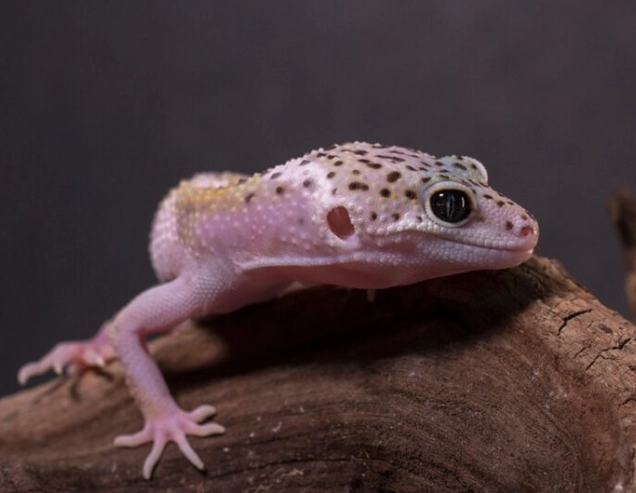
Key Insight: This pairing only "works" in the sense that it minimizes direct harm. It doesn't mean the animals benefit from each other's company. They simply tolerate each other in a space large enough to avoid constant interaction. Success is measured by the absence of negative outcomes, not the presence of positive ones.
Step 2: Enclosure Specifications: Go Big or Don't Bother
The tank size you're picturing? Double it. Then double it again.
Minimum dimensions: We're talking a custom-built enclosure measuring at least 4 feet wide, 2 feet deep, and 4 feet tall. This isn't a tank; it's a room. The goal is to create multiple, fully separate micro-habitats within one structure.
Dense, strategic planting is your best friend. Use live plants like Pothos, Schefflera, and Ficus to create visual barriers and separate climbing highways. The chameleon should have a clear, uninterrupted vertical path from the top to the bottom on one side, with its own dedicated basking and drinking site. The gecko(s) should have their own designated zone on the opposite side, with hiding places and feeding ledges.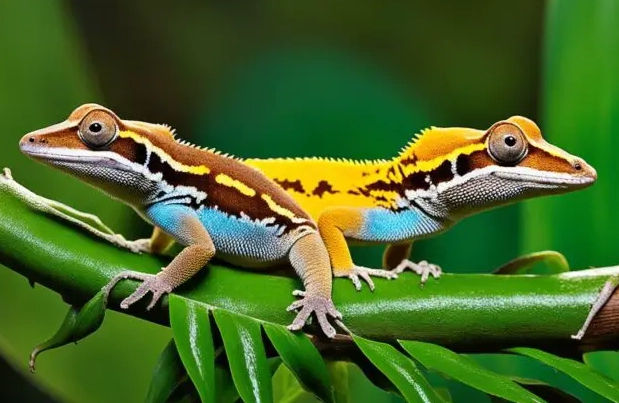
Step 3: Duplicate All Critical Resources
You must eliminate all competition. This means:
- Two completely separate basking/heat zones on opposite ends of the enclosure, each with its own thermostat.
- Two separate UVB lamps positioned to create overlapping but non-competitive light gradients.
- Multiple water sources in different areas—drippers for the chameleon, shallow bowls or misted leaves for the geckos.
- Feeding stations in separate locations. Feed the chameleon by hand or with a dedicated cup. Feed the geckos on a ledge in their zone. This prevents food competition and reduces the chance of the chameleon striking at a gecko during feeding time.
The setup cost and monitoring effort for this "if you must" scenario are far higher than maintaining two separate, species-appropriate enclosures. That's the reality.
Better, Safer Alternatives to Full Cohabitation
You love the idea of a diverse reptile display. I get it. Here are ways to achieve that look without risking your pets' lives.
1. The Stacked Enclosure System. This is my top recommendation. Use a sturdy metal or wooden stand to stack two (or more) individual glass or screen enclosures. A chameleon in a tall screen cage on top, a gecko in a front-opening glass terrarium below. Each has its own perfect environment. You get the visual appeal of multiple animals in one furniture footprint with zero risk. It's cleaner, safer, and easier to manage.
2. The Divided Vision Cage. Some custom enclosure builders can create a single large cabinet with a permanent, sealed divider down the middle—effectively creating two separate habitats with independent doors and ventilation. This gives the illusion of one space while providing absolute separation.
3. Focus on a Naturalistic Bioactive Setup for a Single Species. Channel your energy into creating one spectacular, self-sustaining ecosystem for either your chameleon or your gecko. A lush, planted bioactive vivarium teeming with clean-up crew insects (isopods, springtails) is infinitely more rewarding and biologically fascinating than a tense multi-species setup. You'll learn more about ecology, and your single reptile will thrive like never before.
Resources like the Chameleon Forums and care sheets from Reptiles Magazine emphasize species-specific care for a reason. The Animal Diversity Web from the University of Michigan Museum of Zoology is a fantastic, authoritative source for understanding the natural history and fundamental needs of different species.
Your Cohabitation Questions Answered
I saw a YouTube video where someone keeps a chameleon with a gecko and they seem fine. Why does everyone say it's bad?
Videos are snapshots, not full documentaries. An animal can "seem fine" for a camera while experiencing chronic low-grade stress that compromises its long-term health. Many such videos are made by influencers seeking clicks, not by herpetologists tracking blood cortisol levels and lifespan data. What you don't see are the vet visits, the animals that later get sick, or the separate enclosures they are moved to after the video's popularity fades. Trust peer-reviewed care guidelines over viral content.
Can I keep a young/juvenile chameleon with my adult gecko until it gets bigger?
This is one of the most dangerous approaches. A juvenile chameleon is even more vulnerable to stress and disease. The size difference makes it a target for bullying (even from a usually docile gecko) and drastically increases the risk of the chameleon being outcompeted for food and heat. Starting an animal in a stressful environment can cause permanent developmental and behavioral issues. Always house juveniles in their own, optimized setups.
What are the very first signs of stress I should look for if I attempt cohabitation?
For the chameleon: prolonged dark or dull coloration (especially when not basking), hiding constantly with eyes closed during the day, refusing favorite food, staying low in the enclosure. For the gecko: excessive hiding even during its normal active period, loss of tail (autotomy) without apparent cause, refusing to eat, rapid weight loss. If you see any of these signs, you have already waited too long. Immediate separation is the only responsible action.
Is it safer to cohabitate two different species of geckos instead of a gecko and a chameleon?
It's a different set of risks, but still generally not recommended without extensive research. The same core principles apply: clashing environmental needs (desert vs. tropical), disease transmission, competition, and stress. Some experienced keepers successfully house certain compatible gecko species (like mourning geckos with dart frogs in a paludarium), but this is advanced husbandry. Mixing common pet geckos like Leopard and Crested is a definite no due to vastly different humidity and temperature needs.
Reader Comments