Jump to What Matters
If you're thinking about getting a chameleon gecko, or you already have one and feel a bit lost, you're in the right place. These little guys—often called day geckos, like the popular Phelsuma species—are stunning pets with vibrant colors, but they're not your average beginner reptile. I've kept them for over a decade, and let me tell you, the biggest mistake I see is people treating them like a simple lizard. They need specific care, and if you get it wrong, they can stress out easily or develop health issues. This guide cuts through the noise and gives you the practical, no-fluff details to keep your gecko healthy and happy.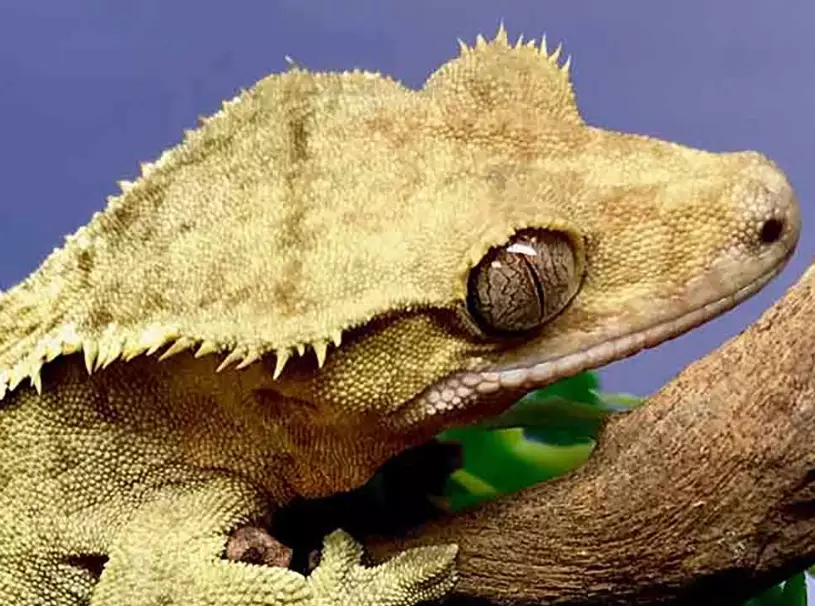
What Exactly is a Chameleon Gecko?
First off, "chameleon gecko" usually refers to day geckos from the Phelsuma genus, not true chameleons. They're called that because some species can change color slightly, but it's more about mood than camouflage. They're native to places like Madagascar and surrounding islands, which means they thrive in warm, humid environments. I remember my first Phelsuma grandis—I bought it on a whim, thinking it was just a pretty lizard. Big mistake. Within weeks, it was hiding all the time because I had the lighting all wrong. These geckos are diurnal, meaning they're active during the day, so they need proper UVB light to metabolize calcium. If you skip that, you're setting them up for metabolic bone disease, a painful condition that's entirely preventable.
Key Takeaway: Chameleon geckos are day geckos that require specialized care, especially when it comes to lighting and humidity. Don't confuse them with nocturnal geckos like leopard geckos.
Setting Up the Perfect Habitat
Getting the enclosure right is 80% of the battle. I've seen too many folks use tiny tanks or skip essential elements. Here's what you need, based on my trials and errors.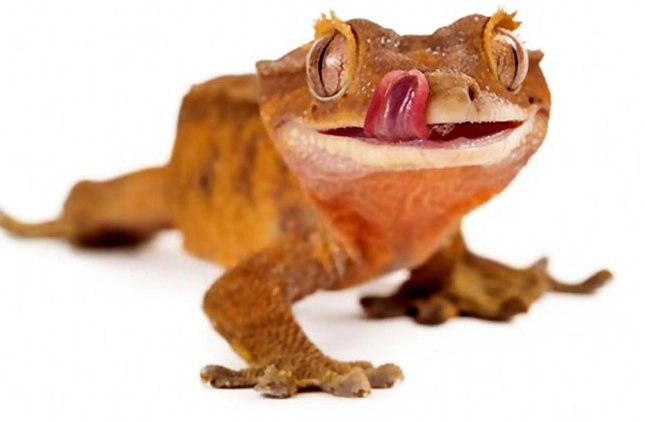
Enclosure Size and Type
For a single adult chameleon gecko, like a Phelsuma laticauda, a minimum of 18x18x24 inches (45x45x60 cm) is non-negotiable. They love to climb, so height matters more than floor space. Go for a front-opening terrarium—it reduces stress when you need to reach in. I made the error of using a top-opening tank early on, and my gecko would bolt every time. Screen tops can work, but they let humidity escape fast, so you'll be misting constantly.
Temperature and Humidity Control
This is where most beginners mess up. Chameleon geckos need a temperature gradient: a basking spot around 85-90°F (29-32°C) and a cooler area around 75-80°F (24-27°C) at night. Use a digital thermometer; those cheap stick-ons are useless. Humidity should stay between 60-80%. I use a hygrometer and mist twice daily with a spray bottle, but an automatic mister saves time. One thing rarely mentioned: avoid wet substrate. It can lead to scale rot. I learned this the hard way when my gecko developed a fungal infection from soggy coconut fiber.
Lighting Essentials
UVB lighting is critical. A 5.0 or 10.0 UVB bulb, replaced every 6-12 months, should run for 10-12 hours a day. Without it, they can't process calcium, leading to weak bones. Combine it with a basking lamp for heat. I recommend brands like Zoo Med or Exo Terra—cheap bulbs often don't emit enough UVB. Also, include live plants like pothos or bromeliads. They boost humidity and provide hiding spots, mimicking their natural habitat. A bioactive setup with springtails and isopods can help clean waste, but it's not mandatory for beginners.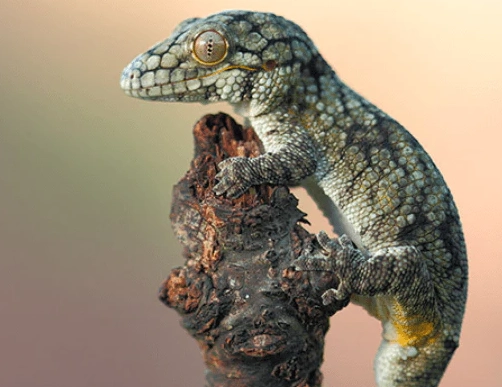
Diet and Feeding: What Works and What Doesn't
Feeding a chameleon gecko isn't just about tossing in crickets. They need variety and supplementation. Here's a breakdown based on my experience.
| Food Type | Frequency | Supplementation | Notes |
|---|---|---|---|
| Gut-loaded crickets | Every other day | Calcium with D3 twice a week | Dust lightly; over-supplementation can harm kidneys |
| Dubia roaches | 2-3 times a week | Multivitamin once a week | High in protein, but some geckos are picky |
| Fruit puree (e.g., mango) | Once a week | None | Use as a treat; avoid citrus fruits |
| Mealworms | Sparingly | Calcium without D3 occasionally | High in fat; can cause impaction if overfed |
Gut-loading means feeding the insects nutritious foods like carrots or commercial gut-load products 24 hours before offering them to your gecko. It boosts their nutritional value. I once skipped this, and my gecko became lethargic from lack of vitamins. Also, always remove uneaten insects after 15-20 minutes—they can stress or bite your gecko. For hydration, mist the enclosure so they can lick droplets; a shallow water dish is optional but often ignored.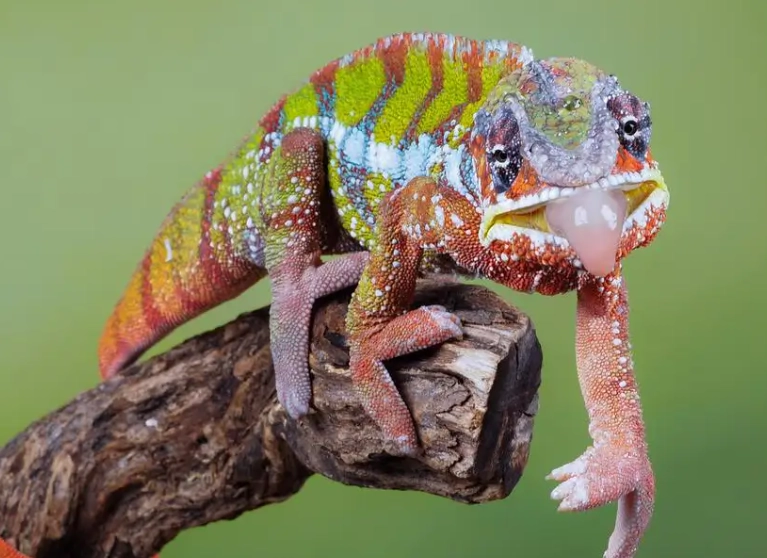
Health and Common Problems to Watch For
Chameleon geckos are hardy if cared for properly, but they can develop issues fast. Here are the top ones I've encountered.
- Metabolic Bone Disease (MBD): Caused by lack of UVB or calcium. Signs include soft jaw, tremors, or difficulty climbing. Prevention is key—use that UVB light! I rescued a gecko with early MBD, and with proper supplementation, it recovered slowly.
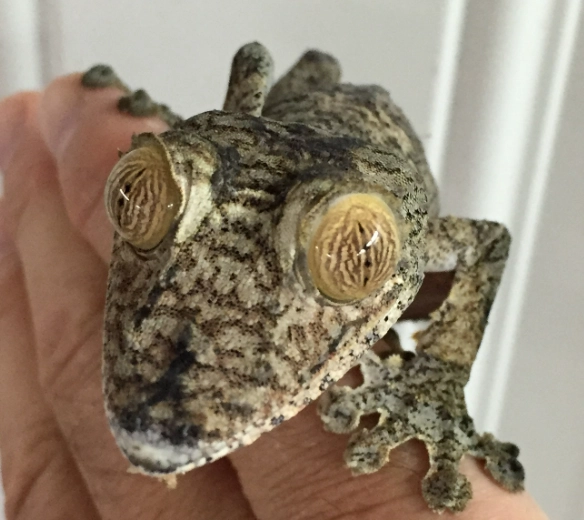
- Stress-Related Problems: These geckos stress easily from over-handling or loud noises. Symptoms: loss of appetite, hiding constantly, or color darkening. Give them plenty of foliage and limit interaction initially.
- Parasites: Internal parasites can come from wild-caught insects. Always buy from reputable breeders. If your gecko has diarrhea or weight loss, consult a reptile vet. The Association of Reptile and Amphibian Veterinarians has resources on finding specialists.
- Respiratory Infections: Often due to low humidity or cold drafts. Watch for wheezing or mucus around the mouth. Boost humidity and ensure temperatures are stable.
Regular check-ups with a vet who knows reptiles are wise. I take mine annually, and it's caught issues early.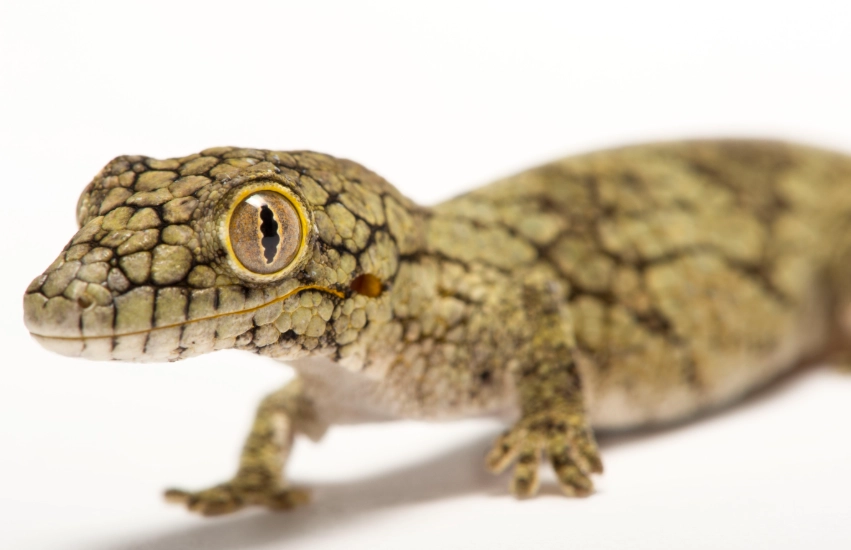
Handling and Interaction: The Right Way
Chameleon geckos aren't cuddly pets. They're more for observation. If you must handle them, do it sparingly and gently. Their skin is delicate and can tear. I learned this when a gecko dropped its tail from stress—it grew back, but it's not pretty. Always wash your hands before and after to avoid transferring oils or bacteria. Let them come to you; don't grab. Use a slow approach, and support their body fully. For bonding, try hand-feeding with tweezers once they're settled in.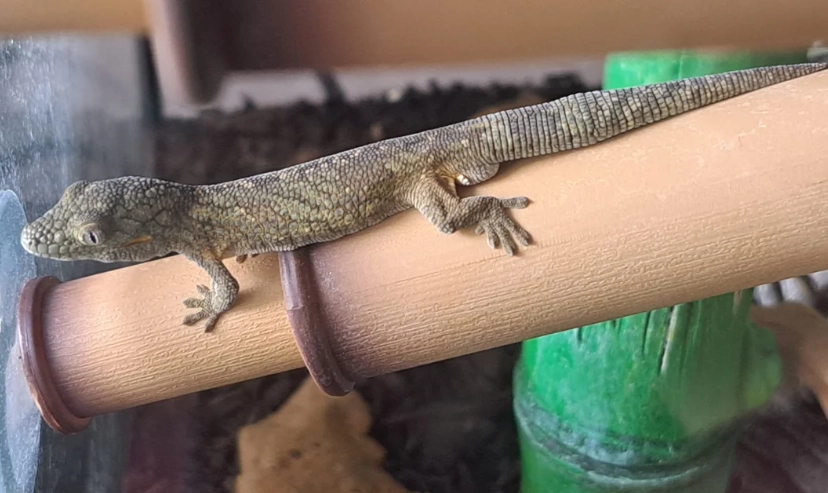
Your Burning Questions Answered
Wrapping up, chameleon gecko care is all about attention to detail. Get the habitat right, feed a varied diet, and watch for health signs. It might seem daunting, but once you see your gecko thriving—bright colors, active during the day—it's worth it. Share your experiences in the comments; I'd love to hear how your journey goes!
Reader Comments