Quick Guide to Leopard Gecko Lifespan
Leopard geckos can live 15 to 20 years in captivity, with some pushing past 25. That's a big commitment, and it all hinges on care. I've kept these reptiles for over a decade, and I've seen lifespans cut short by simple oversights. Let's break it down without the fluff.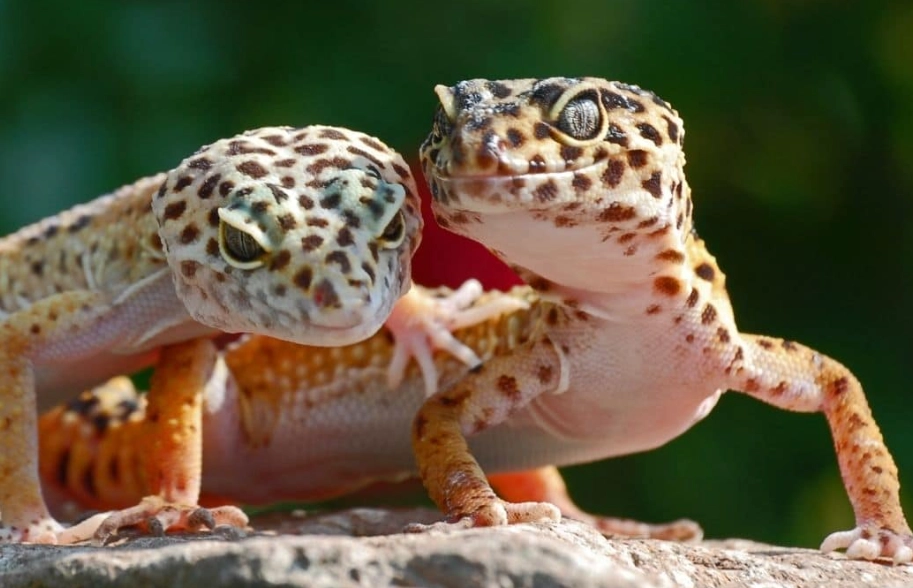
What Is the Average Lifespan of a Leopard Gecko?
In the wild, leopard geckos might last 6-8 years due to predators and harsh conditions. But in your home, with proper setup, 15-20 years is standard. I've met owners whose geckos hit 22. The record? Reports from breeders mention 27 years, though that's rare. It's not just about time; it's about quality. A gecko surviving in poor health for 10 years isn't a win.
Note: Data from the Association of Reptilian and Amphibian Veterinarians shows captive lifespans have increased with better husbandry practices. Don't rely on old guides that say 10 years max.
Gender plays a role too. Females often live slightly shorter lives if bred repeatedly—stress and egg-laying take a toll. Males, without those pressures, can thrive longer. But that's a generalization; I've had female geckos outlive males by years when given rest between clutches.
Key Factors That Affect Leopard Gecko Lifespan
Think of lifespan as a puzzle. Miss one piece, and it shortens. Here are the big ones.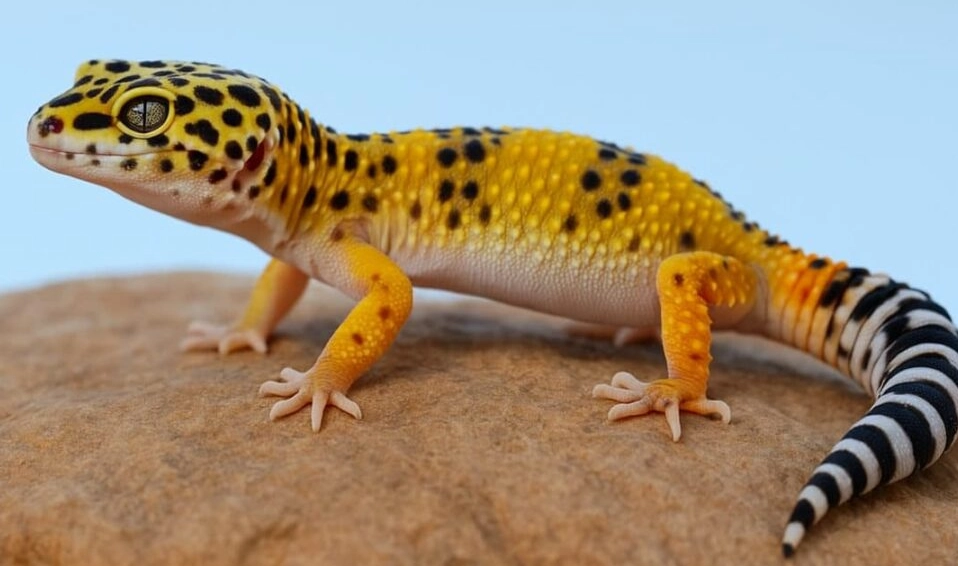
Diet and Nutrition
This is huge. Leopard geckos are insectivores, but not all insects are equal. Crickets, dubia roaches, and mealworms should be rotated. Mealworms alone? A recipe for obesity. I dust with calcium and vitamin D3 powder at every feeding for adults, twice a week for juveniles. Gut-load insects with veggies like carrots 24 hours before serving. It boosts nutrition.
Overfeeding is the silent killer. Adults need 2-3 meals weekly, not daily. I learned this after my gecko, Leo, started refusing food and vet diagnosed fatty liver. We switched to lighter feeding, and he bounced back. Portion size matters: insects no bigger than the space between their eyes.
Habitat and Environment
Temperature gradients are non-negotiable. A basking spot of 88-92°F and a cool side around 75°F. Use under-tank heaters with thermostats—heat lamps can dry them out. Humidity should stay at 30-40%. Too dry, and shedding issues arise; too damp, and respiratory infections creep in.
Substrate choice is controversial. Sand causes impaction, a leading cause of death in young geckos. I use reptile carpet or tile. It's easy to clean and safe. For enrichment, add cork bark and multiple hides. Stress from inadequate hiding spots shortens lifespan. Really, it does.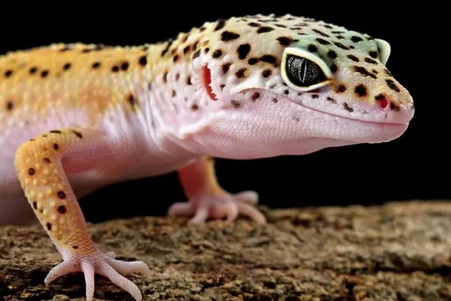
Health Care and Common Issues
Regular vet check-ups catch problems early. Annual visits for adults, semi-annual for seniors. Common issues: metabolic bone disease from calcium deficiency, parasitic infections, and tail loss from stress. Tail regrowth drains energy, affecting longevity.
Parasites often come from wild-caught insects. I breed my own dubia roaches to avoid this. Quarantine new geckos for 30 days—sounds extreme, but it prevents spreading mites or viruses.
| Factor | Impact on Lifespan | Quick Fix |
|---|---|---|
| Diet Variety | High – prevents deficiencies | Rotate 3 insect types weekly |
| Temperature Control | Critical – affects metabolism | Use thermostat with heater |
| Substrate Safety | Moderate to High – avoids impaction | Switch to tile or carpet |
| Vet Visits | High – early disease detection | Schedule annual check-ups |
How to Extend Your Leopard Gecko's Lifespan: Expert Tips
Want your gecko to hit 20? It's doable with consistency. Here's a step-by-step approach based on my experience.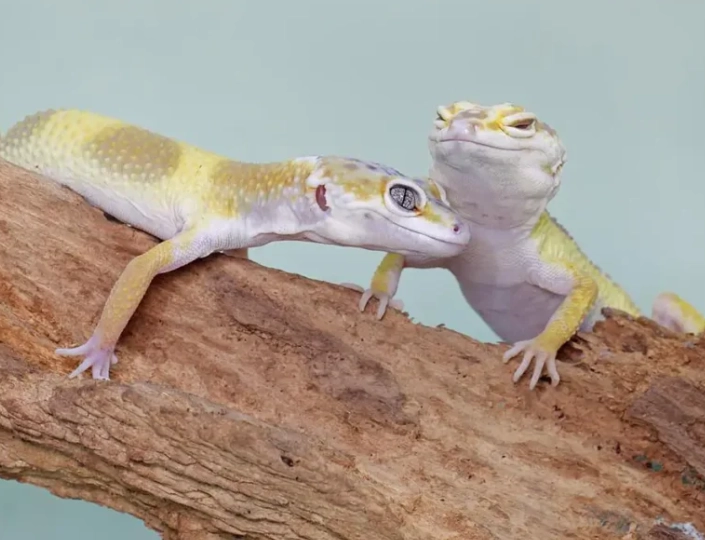
First, set up the habitat right from day one. A 20-gallon tank minimum for adults. Include three hides: warm, cool, and moist for shedding. The moist hide with damp sphagnum moss prevents stuck shed, which can lead to toe loss and infections. I check it weekly.
Diet management is next. Feed a variety: Monday – crickets, Thursday – dubia roaches, Sunday – mealworms as a treat. Dust with calcium without D3 most times, with D3 twice a month. Gut-load with commercial gut-load food or fresh veggies. Avoid waxworms; they're like candy and cause rapid weight gain.
Handle with care. Overhandling stresses them out. Limit handling to 10-15 minutes a few times a week, and always support their body. I've seen geckos drop tails from rough handling, and that recovery period steals energy from their overall health.
Consider UVB lighting. It's debated, but studies from reptile care sites suggest low-level UVB (2-5%) can improve calcium absorption and activity levels. I added a UVB strip to my setup, and my older gecko became more active. Not essential, but it helps.
Monitor weight monthly. Use a kitchen scale. Sudden drops signal illness; gains mean overfeeding. Keep a log—it sounds tedious, but it saved my gecko when I noticed a 5-gram loss over two weeks. Turned out to be a mild parasite infection, easily treated.
Common Mistakes That Shorten Lifespan
We all make errors, but some are costly. Here's what to avoid.
Using sand substrate because it looks natural. It's dangerous. Impaction blocks their digestive tract, and surgery is risky. I tried it early on and spent $300 on vet bills. Switch to safer options now.
Skipping quarantine for new geckos. Introducing a sick gecko to your collection can wipe out others. I learned this from a breeder friend who lost three geckos to an undetected virus. Quarantine in a separate room for 30 days, no exceptions.
Ignoring humidity levels. Too low, and shedding fails; too high, and mold grows. Aim for 30-40%. Use a hygrometer. I forgot once, and my gecko had stuck shed on its eyes—a vet visit later, and we fixed it, but it was stressful for both of us.
Over-supplementing with vitamins. More isn't better. Excess vitamin A causes toxicity. Stick to calcium dusting at most feedings and multivitamin once a month. I've seen geckos develop skin issues from over-supplementation.
Feeding insects that are too large. They can cause choking or impaction. Rule of thumb: insects should be no wider than the gecko's head. I use small crickets for juveniles, medium for adults.
Frequently Asked Questions
Final thought: leopard gecko lifespan isn't a mystery. It's about attention to detail. Start right, stay consistent, and your pet could be with you for decades. I still have my first gecko from 12 years ago, going strong. It's worth the effort.
Reader Comments