If you're drawn to reptiles with a touch of mystery, the Black Night leopard gecko might just be your next obsession. This morph isn't just another pretty face—it's a stunning, almost entirely black variant of the common leopard gecko that requires specific care to thrive. I've kept leopard geckos for over a decade, and I'll tell you straight: while Black Nights are gorgeous, many owners mess up the basics because they treat them like any other gecko. Let's fix that. In this guide, I'll walk you through everything from setting up the perfect home to avoiding the subtle mistakes that can cost you money and your gecko's health.
Jump to What You Need
- What Exactly is a Black Night Leopard Gecko?
- Setting Up the Ideal Enclosure: A Step-by-Step Breakdown
- Feeding and Nutrition: What Works and What Doesn't
- Common Health Problems and Prevention Strategies
- Breeding Black Night Geckos: A Realistic Approach
- Where to Buy and How Much Should You Pay?
- Your Burning Questions Answered (FAQ)
What Exactly is a Black Night Leopard Gecko?
The Black Night is a designer morph of the leopard gecko (Eublepharis macularius), known for its deep, uniform black coloration. Unlike some morphs that just tweak patterns, this one aims for a solid black look, though you might see faint spots or a slight sheen under light. It's not a separate species—just a genetic twist that popped up in captive breeding programs. According to reptile genetics resources like The Reptile Database, morphs like this result from selective breeding for specific traits.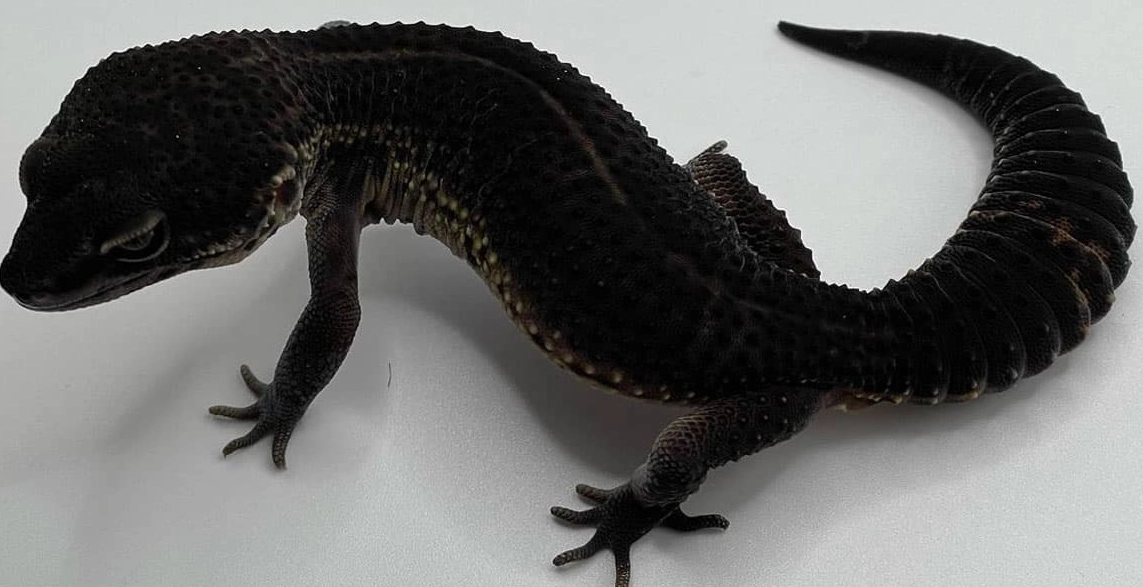
Here's the thing: Black Nights aren't always pitch-black. Some have a charcoal hue, and others might show a bit of pattern as juveniles. I once bought one advertised as "pure black," and it darkened over time, but it took six months to reach its full color. That's normal. Don't panic if yours looks a bit grayish at first.
Why are they popular? Simple: they stand out. In a hobby filled with yellows and oranges, a black gecko is a showstopper. But that beauty comes with a price tag and some care nuances.
The Genetics Behind the Black Night Morph
This morph involves multiple genes, often including melanistic traits. Breeders combine lines to enhance the black pigment, but it's not as simple as mixing two dark geckos. You'll hear terms like "super melanistic" in the trade—it's mostly marketing. The key is that Black Nights are generally healthy if bred responsibly, but avoid backyard breeders who prioritize color over health.
Setting Up the Ideal Enclosure: A Step-by-Step Breakdown
Let's get practical. Your Black Night gecko's home matters more than you think. I've seen too many people use fish tanks or cramped containers, then wonder why their gecko seems stressed. Here's how to do it right.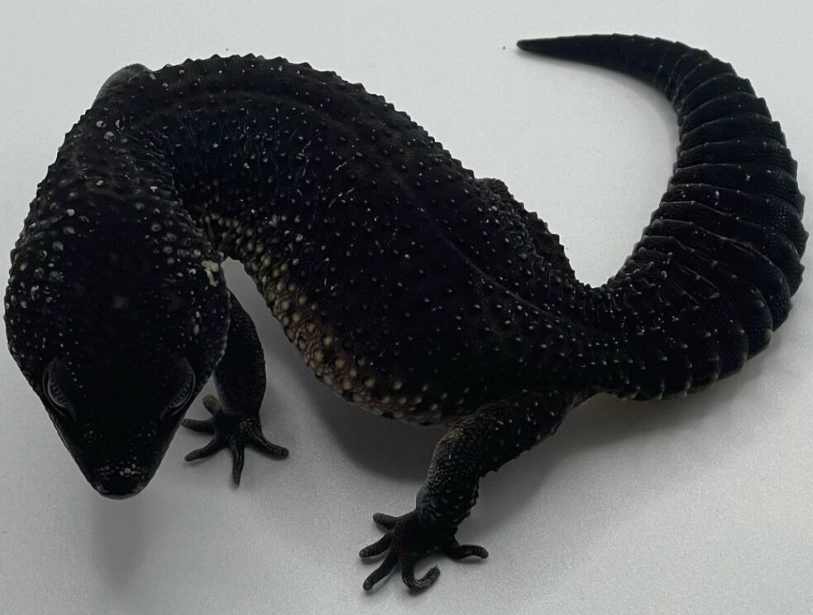
Tank Size and Type: Start with a 20-gallon long tank for one adult. Yes, you can go bigger, but avoid tall enclosures—leopard geckos are terrestrial. A front-opening terrarium makes cleaning easier. I use Exo Terra tanks because the doors don't scare my geckos when I reach in.
Heating and Lighting: This is where most beginners slip up. Leopard geckos need a heat gradient, not a uniformly warm tank. Use an under-tank heater (UTH) on one side, controlled by a thermostat. Set it to 88-92°F (31-33°C) on the warm side. The cool side should be 75-80°F (24-27°C). At night, let it drop to 70-75°F (21-24°C). Skip the heat lamps—they can dry out the air and stress a Black Night, which might prefer slightly dimmer conditions due to its dark color absorbing heat.
Substrate Choices: The debate is endless. Here's my take after years of trial and error:
| Substrate Type | Pros | Cons | Best For |
|---|---|---|---|
| Paper Towel | Cheap, easy to clean, safe | Looks ugly, needs frequent changes | Quarantine or sick geckos |
| Reptile Carpet | Reusable, decent traction | Can harbor bacteria if not washed well | Beginners on a budget |
| Tile (Slate or Ceramic) | Natural look, holds heat, easy to wipe | Heavy, might need cutting to fit | Long-term setups (my top pick) |
| Loose Substrate (e.g., soil/sand mix) | Naturalistic, allows digging | Risk of impaction if ingested, messy | Experienced owners only |
For Black Nights, I recommend tile or reptile carpet. Their dark color can make them harder to spot on loose substrates, and ingestion risks aren't worth it.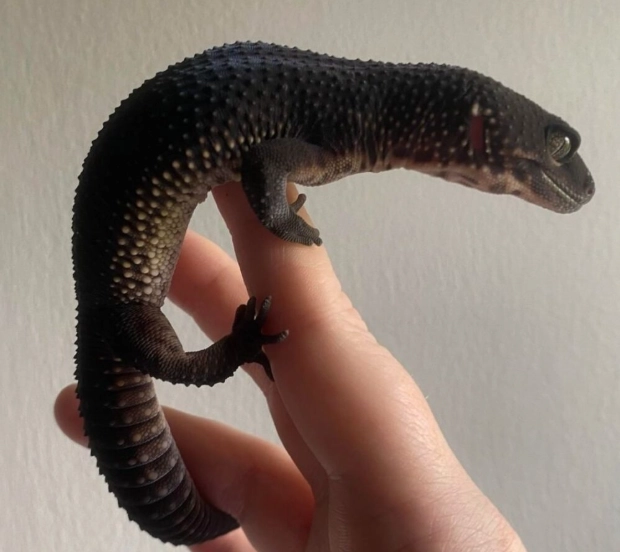
Humidity and Hides: Aim for 30-40% humidity. Use a digital hygrometer—the analog ones are often inaccurate. Provide at least three hides: one on the warm side, one on the cool side, and a humid hide in the middle with damp sphagnum moss for shedding. Black Nights shed just like others, but their dark skin might show stuck shed more visibly. Check toes regularly.
Feeding and Nutrition: What Works and What Doesn't
Feeding a Black Night leopard gecko isn't rocket science, but it's easy to overcomplicate. They're insectivores, so stick to live prey. Here's a quick rundown of feeder insects:
- Mealworms: Staple food. High in fat, so don't overdo it. Gut-load them with veggies before feeding.
- Crickets: Good for exercise, but noisy and can bite. Dust with calcium powder.
- Dubia Roaches: My favorite. Nutritious, quiet, and easy to breed. Perfect for Black Nights.
- Waxworms: Treat only—like candy. Too many cause obesity.
Feed juveniles daily, adults every other day. Offer as many insects as they'll eat in 10 minutes. For supplements, use calcium without D3 in the enclosure, and dust prey with calcium + D3 twice a week. A multivitamin once a week rounds it out.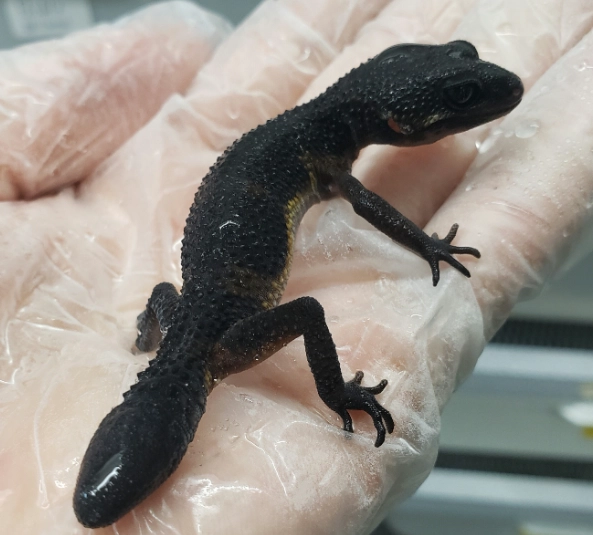
Water should always be available in a shallow dish. Change it daily to prevent bacterial growth. Some geckos ignore it, but it's there if they need it.
Common Health Problems and Prevention Strategies
Black Nights are prone to the same issues as other leopard geckos, but their dark color can mask early signs. Stay vigilant.
Impaction: Caused by ingesting substrate or large prey. Symptoms include lethargy and lack of poop. Prevent it by using safe substrates and proper-sized insects (no wider than the gecko's head).
Metabolic Bone Disease (MBD): A nightmare. Signs are soft jaws, tremors, and difficulty moving. It's entirely preventable with correct calcium and UVB lighting. Yes, I said UVB—controversial, but a low-level UVB bulb (2-5%) can benefit Black Nights, especially if they're not getting enough D3 from supplements. Consult a vet for specifics.
Stuck Shed: More noticeable on dark geckos. Ensure the humid hide is damp, and if shed sticks on toes, use a warm q-tip to gently roll it off. Don't pull.
Parasites: Common in wild-caught or poorly bred geckos. Quarantine new arrivals for 30 days. If your gecko has diarrhea or weight loss, see a reptile vet. The Association of Reptilian and Amphibian Veterinarians (ARAV) has resources to find one.
Regular checks: Weigh your gecko monthly, watch for bright eyes, and ensure they're active at dusk. Black Nights might be less active during the day—that's normal.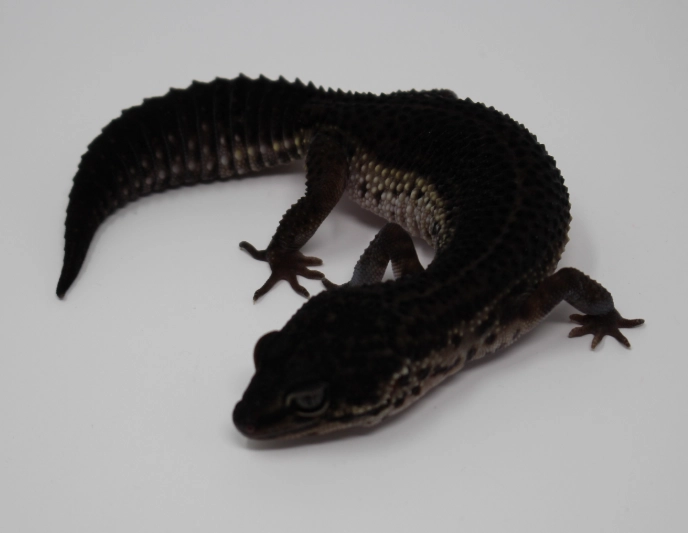
Breeding Black Night Geckos: A Realistic Approach
Breeding these morphs isn't for beginners. It requires patience and a solid understanding of genetics. Here's a simplified step-by-step based on my experience.
- Select Healthy Adults: Choose geckos over 50 grams and at least 18 months old. Avoid breeding siblings to reduce genetic issues.
- Cooling Period: In winter, lower temperatures to 65-70°F (18-21°F) for 6-8 weeks to simulate brumation. This encourages cycling.
- Introduce the Pair: Place the male in the female's tank. Watch for aggression—if they fight, separate immediately. Mating can be rough; it's normal for the male to nip the female's neck.
- Egg Laying and Incubation: Females lay 2 eggs every 3-4 weeks. Provide a lay box with moist vermiculite. Incubate at 80-88°F (27-31°C) for 45-60 days. Temperature determines sex in leopard geckos—higher temps produce more males.
- Hatchling Care: Baby Black Nights might not show full color until months later. House them separately to avoid cannibalism. Feed small insects daily.
Expect variability: Not all offspring will be pitch-black. Some might be darker, others lighter. That's genetics for you.
Where to Buy and How Much Should You Pay?
Finding a Black Night leopard gecko can be tricky. They're not at every pet store. Here are your options:
- Reputable Breeders: The best choice. Look for breeders with reviews on forums like Reptile Forums or at expos. Ask for health guarantees and photos of the parents. Prices range from $200 to $500, depending on lineage and color depth.
- Reptile Expos: Great for seeing geckos in person. You can haggle, but don't sacrifice health for a deal. I've bought two at expos, and both turned out well.
- Online Retailers: Sites like MorphMarket list them. Ensure they ship safely and have live arrival guarantees. Shipping adds $50-100.
- Pet Stores: Avoid chain stores—they often mislabel or sell unhealthy geckos. Local specialty shops might have them, but ask about sourcing.
Set a budget: Under $200 is suspiciously cheap. You're paying for years of selective breeding. Factor in setup costs (tank, heater, etc.) which can add $200-300 upfront.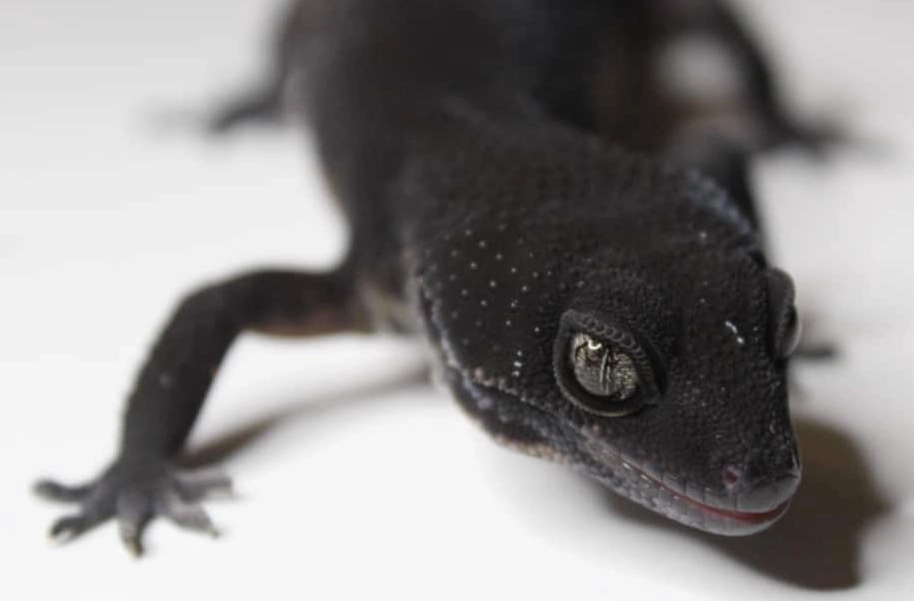
Your Burning Questions Answered (FAQ)
Wrapping up, the Black Night leopard gecko is a fascinating pet that rewards attentive care. Start with a solid setup, feed wisely, and watch for health cues. It's not just about the black color—it's about providing a thriving life for a unique creature. If you're ready for the commitment, you'll have a stunning companion for years to come.
Reader Comments