You notice the glass of your crested gecko's tank is constantly fogged up. The substrate feels damp to the touch, maybe even a bit musty. Your little buddy seems less active, maybe hanging out only at the very top of the enclosure. You check the hygrometer, and it's reading 85%, 90%, or even higher for hours on end. Sound familiar? You're right to be concerned. Consistently high humidity is one of the most common—and most dangerous—mistakes in crested gecko care. It's not just about comfort; it's a direct threat to their health. Let's cut through the confusion and get your gecko's environment back to a safe zone.
Quick Navigation: What's Inside This Guide
Why Getting Humidity Right is a Life-or-Death Matter
In the wild, crested geckos come from New Caledonia, a place with high humidity spikes, not constant saturation. Their environment experiences heavy rainfall and fog, followed by periods where things dry out. Replicating this cycle is key. Constant high humidity breaks that cycle completely.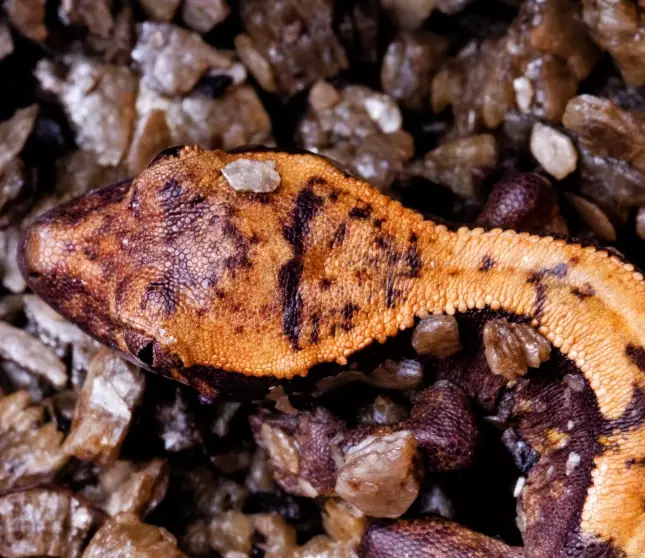
Here’s what happens inside that overly damp tank:
Skin and Scale Issues: Think of it like living in a wet sock. Prolonged moisture can lead to skin infections, scale rot (especially on the belly and feet), and make shedding difficult. A stuck shed on their toes can cut off circulation.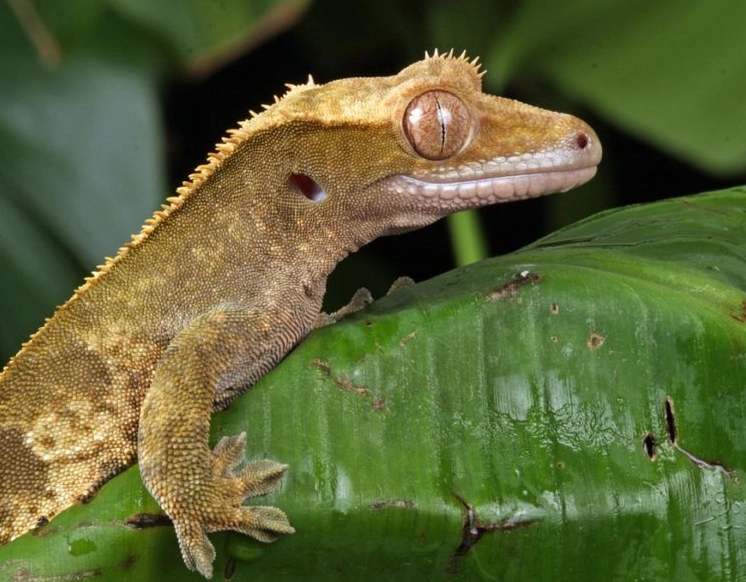
Mold and Fungus Explosion: It's not just bad for your gecko; it's bad for the entire ecosystem of the tank. Mold will grow on decor, substrate, and even food leftovers. Inhaling mold spores is terrible for any animal's lungs.
The ideal range? Aim for a humidity spike of 70-80% during evening misting, allowing it to fall naturally to around 50-60% during the day. Consistently sitting above 75% is a red flag. Above 85% is in the danger zone.
Step 1: Are You Even Measuring This Correctly?
Before you start tearing apart the tank, you need reliable data. This is where many beginners get it wrong.
Throw out that cheap, round analog hygrometer that came with your starter kit. I'm serious. Those things are notoriously inaccurate, often off by 15% or more. They're decoration, not tools.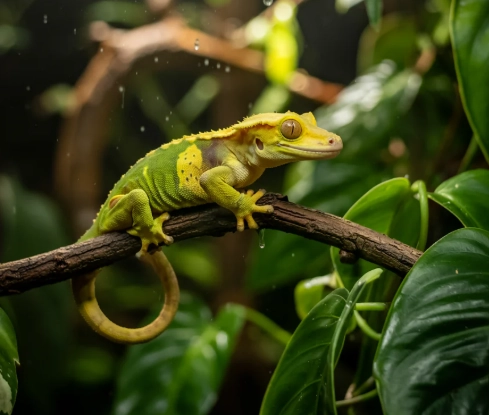
You need a digital probe hygrometer. Brands like Zoo Med or Exo Terra make decent ones. The key is the probe. Place the probe in the middle of the tank, about halfway up the glass, away from direct mist and heat sources. The main unit sits outside. This gives you a reading of the ambient air your gecko actually breathes, not the wall or the wet substrate.
Check it at different times: right after misting, in the middle of the night, and in the late afternoon. Write it down for a couple of days. You're looking for the pattern, not just a single snapshot.
The 3 Hidden Causes of High Humidity (Beyond Just Over-Misting)
Okay, you've confirmed the humidity is too high. You've already cut back on misting. Why is it still high? Here are the usual suspects that fly under the radar:
| Cause | How It Traps Humidity | The Fix |
|---|---|---|
| 1. Poor Ventilation | Modern "bioactive-ready" tanks often have solid glass tops or minimal screen. Water vapor has nowhere to go. It's like putting a lid on a boiling pot. | Replace at least 1/3 of the solid top with metal mesh screen. Cross-ventilation (vents on opposite sides) is ideal. |
| 2. The Wrong Substrate | Soil mixes that are too moisture-retentive (like pure coco fiber), or a substrate layer that's too deep, acts like a giant, wet sponge, evaporating water 24/7. | Switch to a well-draining mix (e.g., orchid bark, cypress mulch mixed with some soil). Keep substrate depth reasonable (1-2 inches). |
| 3. Water Bowl Placement & Size | A large, open water bowl on the warm side of the tank is a constant source of evaporation, raising ambient humidity more than you'd think. | Use a smaller, shallower bowl. Place it on the cooler side of the enclosure. Consider a raised water dish. |
I once helped a keeper who was only misting once a day but had a 4-inch deep coco fiber substrate in a tank with a glass top. The humidity never dropped below 80%. We swapped the substrate for a thinner layer of orchid bark and added a mesh screen panel. Problem solved in 48 hours.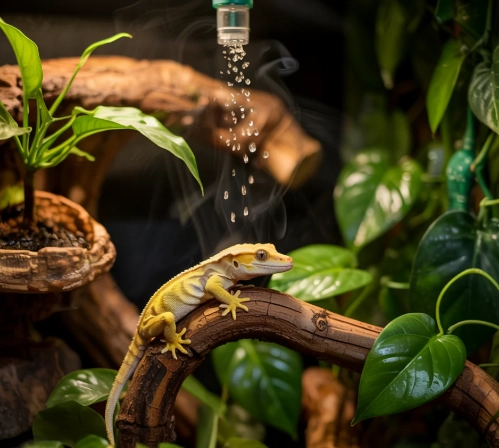
Your Step-by-Step Plan to Lower Humidity Safely
Don't panic and make all the changes at once. That can stress your gecko. Follow this sequence.
Immediate Action (Today):
Stop all misting for 24 hours. Yes, even if you think they need it. One dry day won't hurt them, but it will give you a baseline. Open the tank lid for 15-20 minutes a few times a day to allow fresh air exchange (supervise this so no escape artists make a run for it).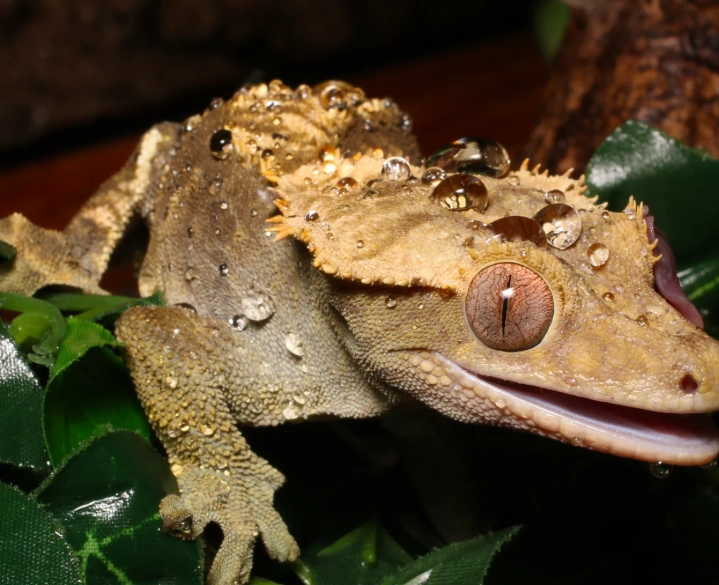
Short-Term Fixes (This Week):
Adjust Your Misting Routine: Mist heavily in the evening to create the spike, but only enough that things are mostly dry by morning. Use a hand sprayer with a fine mist, not a soaking hose. Avoid misting the substrate directly; aim for leaves and glass.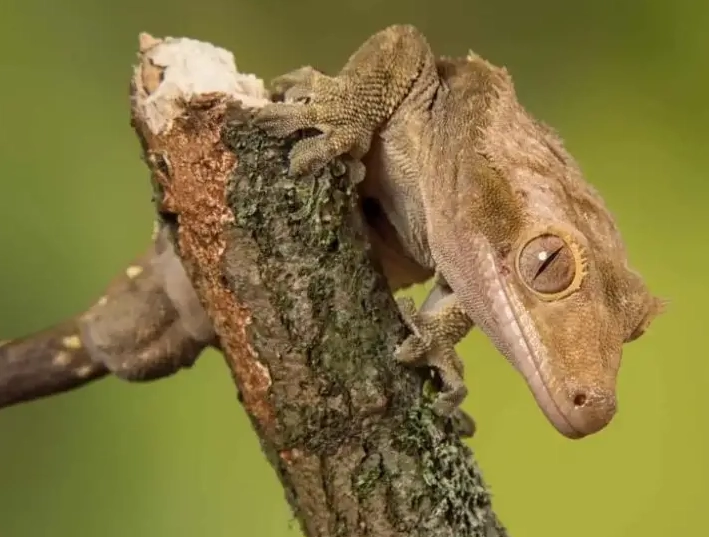
Long-Term Solutions (Permanent Setup):
Re-evaluate your entire enclosure. Is it a tall, narrow tank? These often have worse air circulation than wider ones. Consider a front-opening terrarium with built-in ventilation.
Get a timer for your lights. Consistent day/night cycles help regulate natural evaporation.
If you're running a bioactive setup, make sure your clean-up crew (springtails, isopods) can handle the moisture level. If it's constantly swampy, they might struggle too.
Remember, the goal is a cycle, not a flat line. Watching the humidity rise after misting and then gradually fall is what you want to see on your digital hygrometer.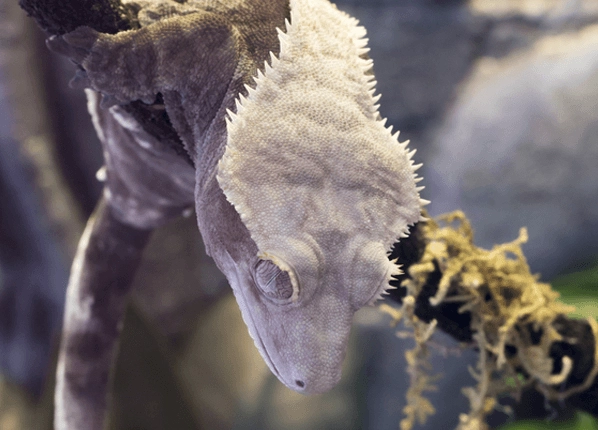
Expert Answers to Your Tricky Humidity Questions
Fixing high humidity isn't about buying the most expensive gadget; it's about understanding airflow and the water cycle in a small, enclosed space. Start with an accurate measurement, attack the ventilation, and tweak your routines. Your crested gecko will breathe easier—literally—and you'll have a healthier, more active pet and a cleaner, fresher-smelling enclosure. It's worth the effort.
Reader Comments