What's Inside?
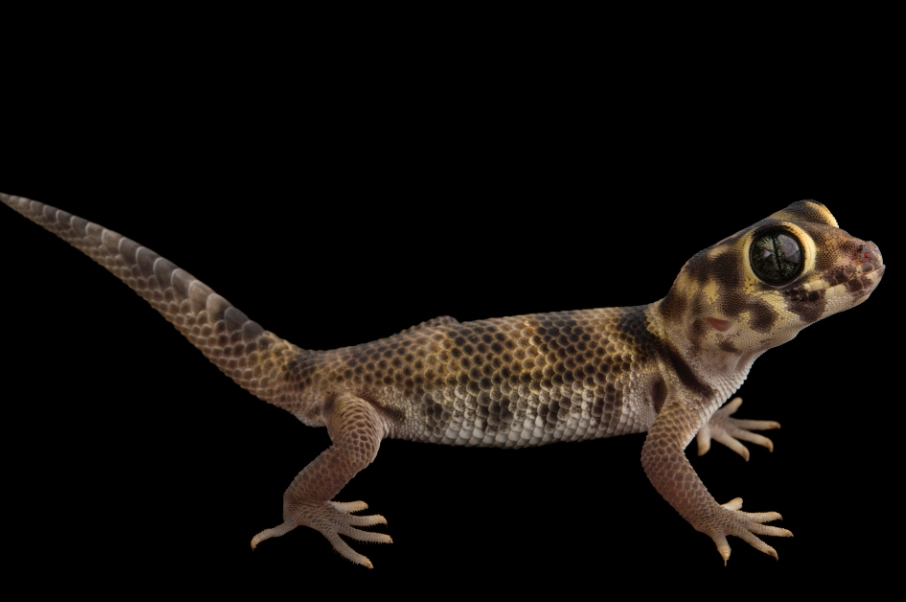
Let's be honest, when most people think of geckos, they picture the tiny, sticky-footed ones chirping in tropical houses. The Frog-eyed gecko (scientifically known as Teratoscincus scincus) is a different beast entirely. I remember the first time I saw one at a reptile expo years ago. It was sitting perfectly still in a shallow sand burrow, and its massive, bulbous eyes staring out from under a ledge gave me a real start. It looked more like a creature from a sci-fi movie than a pet store reptile. That initial weirdness is exactly what draws so many people to them, but it also means they come with a rulebook that's totally different from your typical leopard gecko or crested gecko.
If you're considering one of these sandy-skinned oddballs, you're probably full of questions. Are they good pets? What do they eat? Why do they look so... froggy? This guide is here to cut through the noise. We're going to dig into everything about the Frog-eyed gecko, from their natural history in the deserts of Central Asia to the nitty-gritty of setting up a tank that doesn't stress them out. I'll also share some hard-won lessons (including a few mistakes I made early on) so you can decide if this unique lizard is a good fit for your home.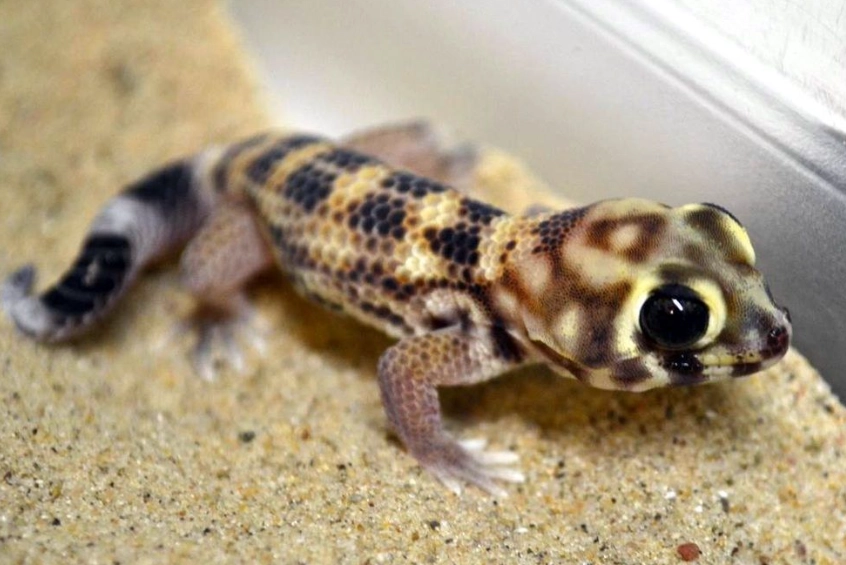
The Core Truth: The Frog-eyed gecko is a fascinating, low-maintenance display animal, but it is not a hands-on pet. They are masters of stress and fragility when handled. Appreciating them is about observing their natural burrowing and nocturnal behaviors, not taking them out for cuddles. Get that mindset right from the start, and you'll have a much better experience.
Meet the Frog-Eyed Gecko: Biology & Natural History
To understand how to care for them, you really need to know where they come from. Calling them a "desert" gecko is almost too simplistic. Their range stretches across some seriously harsh, arid landscapes from Iran and Afghanistan through Pakistan and into parts of China. We're talking rocky deserts, sand dunes, and clay plains where the temperature swing from day to night is extreme, and a drop of water is a precious event.
Their whole body is an adaptation to this life. Let's start with the obvious: those huge eyes. They're lidless, just like a snake's, protected by a transparent scale called a brille. This gives them incredible night vision for hunting in the dark, but it also makes them incredibly sensitive to bright light and debris. You'll never see a Frog-eyed gecko blinking. Their skin is another marvel. It's velvety and incredibly fragile. If a predator (or a careless human) grabs them, their skin can tear and slough off almost like tissue paper—a defense mechanism called dermal autotomy. It's effective for escaping a hungry fox, but it means you have to be ultra-gentle. No grabbing.
They're also diggers. I mean, professional-grade excavators. Their limbs are strong, with fringed toes that act like little shovels to move sand efficiently. In the wild, they spend the blistering hot days buried in cool, humid burrows they dig themselves, which is a huge clue for their captive care.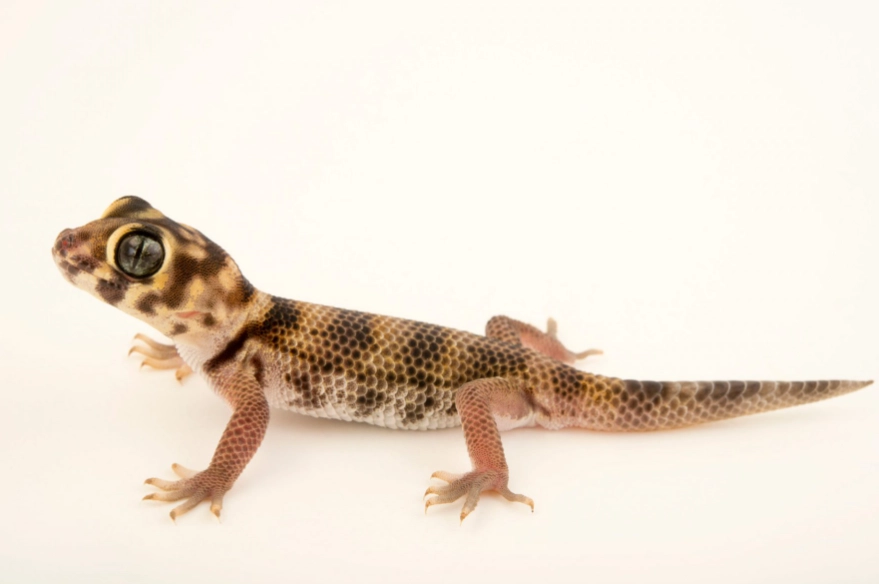
Quick Fact: The genus name Teratoscincus literally means "monster skink" in Greek, a reference to their unusual, almost monstrous appearance compared to other lizards known at the time.
There's more than one kind of Frog-eyed gecko out there. The "Common" Frog-eyed gecko (Teratoscincus scincus) is the one you'll most likely find in the pet trade. But there are other species like the Persian Frog-eyed gecko (T. keyserlingii) or the Bedriaga's Frog-eyed gecko (T. bedriagai). Their care is broadly similar, but it's good to know which one you have. For detailed taxonomic information, resources like the The Reptile Database are invaluable for checking scientific names and distributions.
Common Frog-Eyed Gecko Species Overview
| Common Name | Scientific Name | Key Distinguishing Feature | Primary Range |
|---|---|---|---|
| Common Frog-eyed Gecko | Teratoscincus scincus | Most widespread; typical "frog-eyed" appearance. | Iran, Afghanistan, Pakistan, W. China |
| Persian Frog-eyed Gecko | Teratoscincus keyserlingii | Often more vibrant patterning. | Iran, Turkmenistan |
| Bedriaga's Frog-eyed Gecko | Teratoscincus bedriagai | Smaller size, found in specific desert regions. | Central China (Xinjiang) |
| Rusty Desert Gecko | Teratoscincus przewalskii | Distinct rusty/orange coloration. | Mongolia, Northern China |
Their conservation status is generally listed as "Least Concern" by the IUCN for the common species, largely due to their wide range. However, that doesn't mean their habitats aren't under pressure. Always, always try to source your gecko from a responsible captive breeder. Wild-caught specimens are often heavily stressed, loaded with parasites, and their capture can impact local populations. Reputable breeders have also worked to produce healthier, more adaptable animals. You can learn more about the conservation status of various species through resources like the IUCN Red List.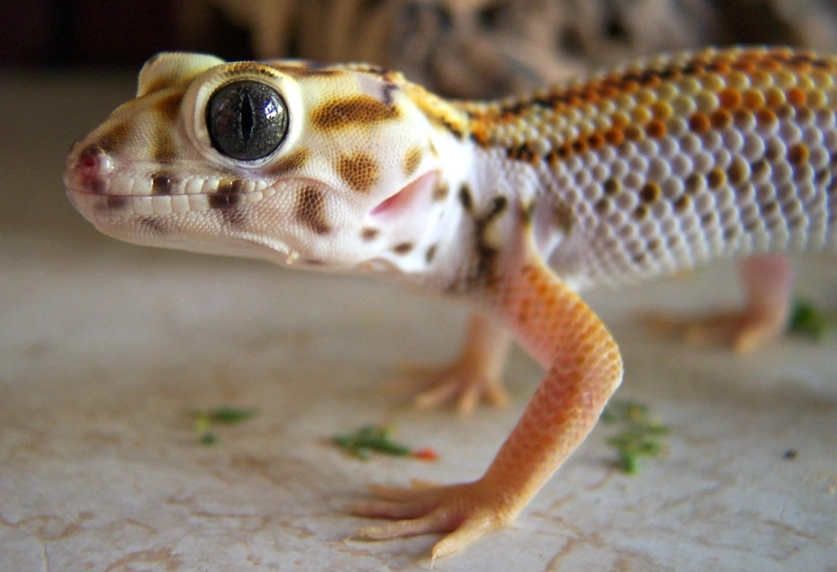
The Complete Frog-Eyed Gecko Care Guide
This is where we get practical. Setting up for a Frog-eyed gecko isn't complicated, but it needs to be right. Getting the basics wrong is the fastest way to have a sick, reclusive lizard that you never see.
Housing and Enclosure Setup
Think horizontal space, not vertical. These guys are terrestrial diggers, not climbers. For a single adult Frog-eyed gecko, a 20-gallon long tank (30" x 12" x 12") is the absolute minimum, but I'd personally recommend a 40-gallon breeder (36" x 18" x 16") if you have the space. More floor area means more room for a proper temperature gradient and deeper substrate. The enclosure must have a very secure, ventilated lid—they may not climb glass well, but they can and will try to push through gaps.
Substrate is the single most important element. This isn't a debate. You need a deep, loose, burrow-holding substrate. A mix of clean, silica-based play sand and organic topsoil (with no fertilizers or pesticides) in a 50:50 or 60:40 sand-to-soil ratio is perfect. It should be at least 4-6 inches deep, but 8 inches is even better. They need to be able to construct their own tunnels. I made the mistake early on of using reptile carpet and a shallow hide. My gecko was constantly stressed, trying to dig and failing. The day I switched to a deep sand/soil mix, it dug a complex burrow within hours and finally seemed settled.
Warning: Never use calcium sand, clumping cat litter, or any substrate that can compact or cause impaction if accidentally ingested. The sand/soil mix should be slightly dampened in the lower layers to hold a burrow shape, but the surface must be dry.
Furnishing is minimalist. A couple of flat, sturdy rocks (like slate) under the heat lamp to create a warm basking surface. A few pieces of driftwood or cork bark for very low-level climbing and to break up sight lines. Avoid heavy ornaments that could collapse a tunnel. The best "furniture" is the burrow system they create themselves. Provide a shallow, sturdy water dish that won't tip over. They may not drink from it often (preferring droplets), but it helps with humidity.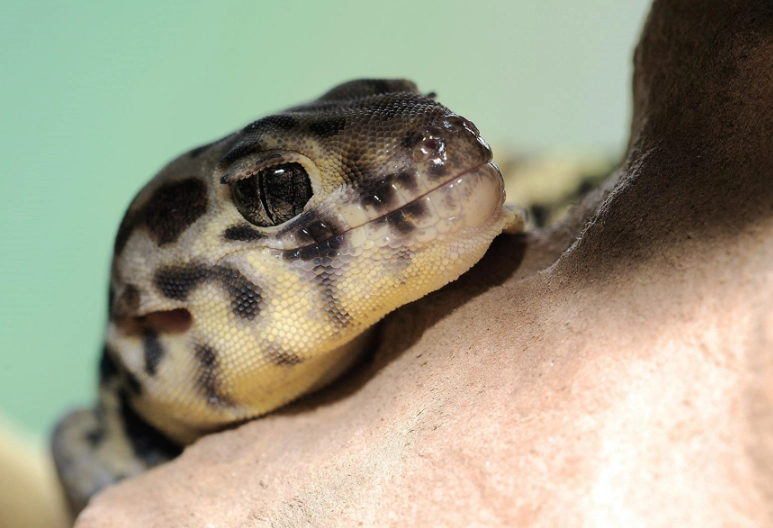
Temperature, Lighting, and Humidity
This is a desert species, but remember—they escape the extreme heat by burrowing.
- Basking Spot: Create a hotspot on the surface of a rock or the substrate under the lamp of about 90-95°F (32-35°C). Use a ceramic heat emitter or a low-wattage halogen bulb in a dome fixture, always controlled by a thermostat. This is non-negotiable for safety.
- Cool Side/Ambient: The opposite end of the tank should be much cooler, around 75-80°F (24-27°C) during the day.
- Nighttime Drop: This is crucial. Turn all heat off at night. Let the temperature fall to room temperature, ideally into the mid-60s to low 70s°F (18-22°C). This mimics their natural environment and is healthy for their metabolism.
Lighting is simple. They are nocturnal and have sensitive eyes. No bright white lights or UVB bulbs are strictly necessary, though some keepers use a very low-level UVB lamp (like a shadedweller 2%) or a low-output LED for a day/night cycle, placed over the cool side. The main light in their life should be the gentle heat from the ceramic emitter. A simple room ambient light cycle is fine.
Humidity is the sneaky one. The overall tank air should be dry, like a desert. But the secret is in the substrate. The lower layers of that sand/soil mix should be slightly moist to provide humidity in their burrows (aim for 50-60% humidity at the bottom of the burrow). This prevents dehydration and helps with shedding. You can achieve this by pouring a cup of water into a corner of the tank every week or so, letting it soak down. The surface stays dry, the bottom stays humid. Monitor with a digital hygrometer probe placed near the bottom of the substrate.
Diet and Feeding: What Do Frog-Eyed Geckos Eat?
In the wild, they're opportunistic insectivores, eating whatever bugs stumble into their path. In captivity, a varied diet is key to health.
Staple Feeders: Gut-loaded crickets, dubia roaches, and discoid roaches are excellent. The size of the insect should be no wider than the space between the gecko's eyes.
Treat Feeders: Small mealworms, black soldier fly larvae, and the occasional waxworm (very fatty, use sparingly).
Here's a sample weekly feeding schedule for an adult Frog-eyed gecko:
| Day | Food Item | Quantity | Supplement Dusting |
|---|---|---|---|
| Monday | Dubia Roaches | 4-6 small/medium | Calcium + Vitamin D3 |
| Wednesday | Crickets | 5-7 small | Calcium (without D3) |
| Friday | Mealworms/BSFL Mix | 6-8 total | Multivitamin |
| Weekend | No Food | - | - |
Feed at dusk or after you turn the lights off. Drop the insects into the enclosure near where you know the gecko hangs out. Don't be alarmed if they "swim" through the sand to ambush prey—it's amazing to watch. Always remove uneaten crickets after an hour or so, as they can bother or even bite a sleeping gecko.
I found mine would sometimes ignore food for a day or two, especially after a big shed or if the temperature was a bit off. Don't panic. As long as their body condition is good (no visible spine or hip bones), they can go a few days. Offering a different feeder usually got them interested again.
Supplements are mandatory. Because they likely get no UVB and eat captive-raised insects, you need to dust their food. Use a plain calcium powder on most feedings, a calcium powder with D3 once or twice a week, and a good reptile multivitamin once a week. Rotate them as per the schedule above. This prevents Metabolic Bone Disease (MBD), which is a slow, painful killer.
Water is obtained mostly from droplets. Mist one side of the glass or a decoration lightly with dechlorinated water in the evening every other day. They will lick the droplets. The shallow water dish is a backup and for humidity.
Health, Behavior, and Common Issues
A healthy Frog-eyed gecko is alert (at night), has clear, bright eyes, a plump tail (their main fat store), and intact, velvety skin. They should be actively digging and foraging.
Common health problems to watch for:
- Metabolic Bone Disease (MBD): The big one. Symptoms include a soft or rubbery jaw, bowed legs, difficulty moving, and tremors. Caused by lack of calcium/D3. Prevention: Proper supplementation and diet.
- Skin Injuries or Incomplete Sheds: Their skin is fragile. Rough decor or incorrect humidity can cause tears or cause shed to stick, especially on the toes and those big eyes. Ensure burrow humidity is adequate during shed cycles.
- Impaction: Eating loose substrate or being kept on improper bedding can cause a blockage. Using the correct sand/soil mix and feeding from a dish or in a clear area can minimize risk.
- Parasites: More common in wild-caught individuals. Symptoms include weight loss, runny stools, and lethargy. A fecal exam by an exotic vet is a good idea for any new gecko.
Behaviorally, they are shy, secretive, and fast. When threatened, they may open their mouth wide, vocalize with a squeak or hiss, and even perform a fascinating "tail vibration" against the sand that sounds like a rattlesnake—an incredible bluff for a small lizard! They are solitary animals and should be housed alone. Cohabitation leads to competition, stress, and injury.
Handling? I'm going to be blunt: don't. They are not built for it. Their skin tears, they stress easily, and they may drop their tail (which, unlike some geckos, does not regenerate fully). Any handling should be strictly for enclosure maintenance or health checks, and it should involve gently coaxing them into a small container. They are a "look, don't touch" pet. If you want something to hold, get a different species.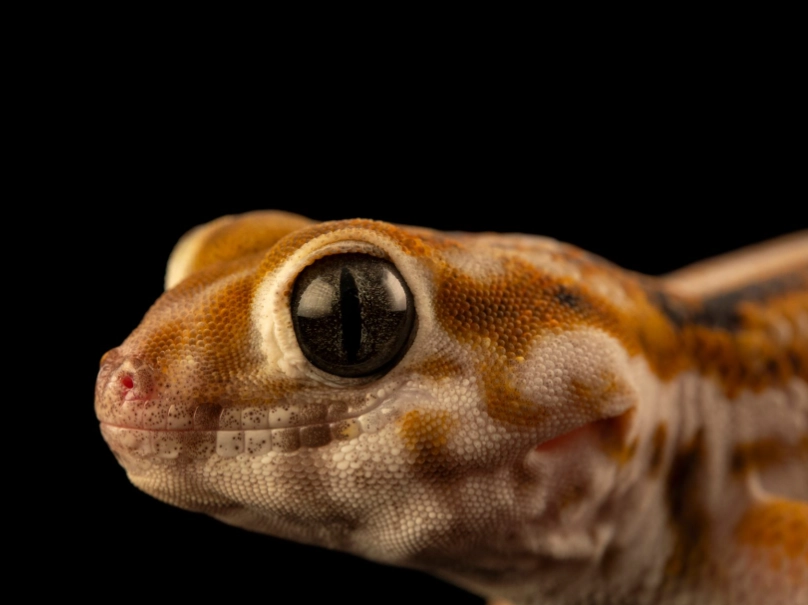
Frog-Eyed Gecko FAQ: Answering Your Top Questions
Over the years, certain questions pop up again and again from potential owners. Let's tackle them head-on.
Are Frog-eyed geckos good for beginners?
This is a tough one. Their care requirements are actually quite simple once set up—they don't need complex lighting or daily misting. However, their fragility, dislike of handling, and the need to read subtle signs of health (since they're hidden all day) make them more of an "advanced beginner" or "intermediate" pet. A true beginner might be better off with a more robust, handleable species to learn general reptile husbandry first.
How long do Frog-eyed geckos live?
With proper care, they can live a surprisingly long time. A lifespan of 10-15 years in captivity is common, with some reports even longer. This is a long-term commitment, not a short-term novelty.
Why is my Frog-eyed gecko always hiding?
Because that's what a healthy, normal Frog-eyed gecko does! They are crepuscular/nocturnal and fossorial (burrowing). If they are out and about during the day, it's often a sign that something is wrong—the burrow is too hot, too wet, or they are sick. Seeing them active at night, peeking from a burrow entrance or foraging, is your sign of success.
Do they need a UVB light?
Strictly speaking, no. They survive and breed without it. However, the use of low-level UVB (like a 2% T5 or a compact low-output bulb) is becoming more popular in herpetoculture as a way to promote optimal health, better calcium metabolism, and more natural behaviors. It's not a requirement, but it's a beneficial "best practice" if installed correctly on a timer and providing plenty of shade/shallow areas to escape it. The UVGuide UK site has fantastic, science-based resources on reptile lighting if you want to dive deep.
My gecko isn't eating. What's wrong?
First, check the basics: Are temperatures correct (especially the nighttime drop)? Is it about to shed? Is it a new gecko still settling in? Are you offering the right size and type of prey? A short fast is normal. If it goes beyond 10-14 days for an adult, or the gecko is losing weight, consult an exotic vet. Stress from improper setup is the most common cause.
Final Thoughts: Is the Frog-Eyed Gecko Right for You?
So, after all this, should you get one?
Choose a Frog-eyed gecko if: you want a unique, low-maintenance display animal; you find their bizarre appearance and fascinating burrowing behaviors captivating; you are a patient observer who doesn't need hands-on interaction; and you are committed to setting up a specific, species-appropriate arid habitat correctly from day one.
Avoid a Frog-eyed gecko if: you want a pet you can handle and cuddle; you have young children who will want to touch it; you're not prepared to deal with a pet that hides 90% of the time; or you want the simplest, most forgiving reptile possible.
For me, the joy of keeping a Frog-eyed gecko came in those quiet moments at night, with a red flashlight, watching it meticulously repair its tunnel entrance or sit perfectly still, its enormous eyes scanning for the cricket I'd just dropped in. It's a subtle joy, a connection to a harsh and beautiful desert ecosystem contained in a tank. It's not for everyone, but for the right person, this oddball "monster skink" is an utterly rewarding pet.
Do your research, find a good breeder, and set up the tank perfectly before you bring your new lizard home. If you do, you'll be rewarded with a glimpse into the life of one of the reptile world's most perfectly adapted, and strangely beautiful, desert dwellers.
Reader Comments