Quick Navigation
- What Exactly is a Blizzard Leopard Gecko?
- The Complete Care Guide for Your Blizzard Leopard Gecko
- Setting Up the Perfect Enclosure
- Feeding and Nutrition: You Are What You Eat
- Health and Common Issues: What to Watch For
- Finding and Choosing Your Blizzard Leopard Gecko
- Frequently Asked Questions (The Stuff You're Actually Searching For)
- Wrapping It Up: Is a Blizzard Leopard Gecko Right for You?
So you've seen pictures of this solid white or pale yellow lizard with dark eyes and thought, "What on earth is that?" That's probably your first encounter with the blizzard leopard gecko. I remember the first time I saw one at a reptile expo years ago. It was sitting there, looking almost like a little ceramic statue, and I was completely hooked. But before you rush out to get one, there's a lot more to these creatures than just their stunning looks.
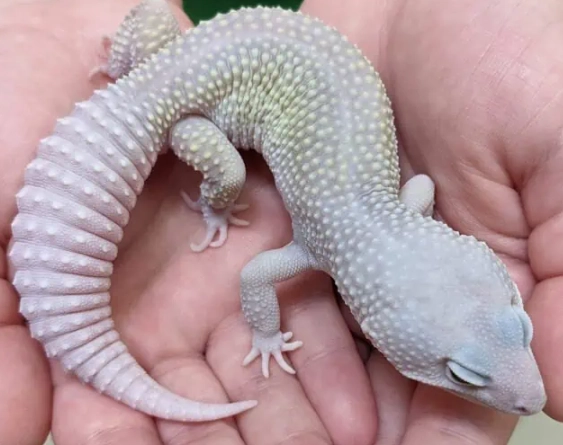
Let's get one thing straight right away. A blizzard leopard gecko isn't a separate species. It's a specific color and pattern morph of the common leopard gecko (Eublepharis macularius). The "blizzard" part refers to its lack of the typical spots and bands. Instead, you get this beautiful, uniform color that can range from a stark, clean white to a buttery yellow, sometimes with a faint hint of purple. Their eyes are usually black or very dark, which just adds to that sleek, minimalist look. It's a look that's been selectively bred for, and honestly, it's one of the most striking morphs out there.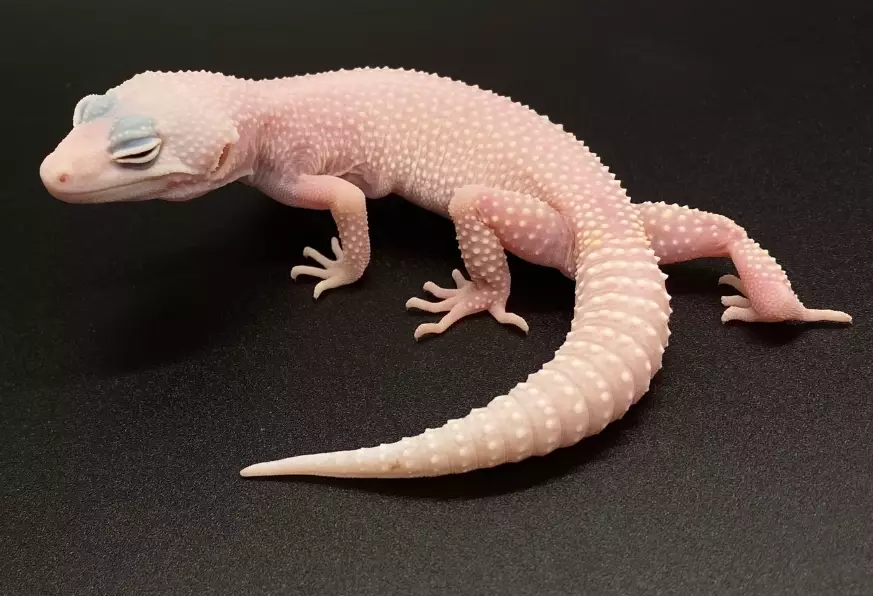
What really gets people is that simplicity. In a hobby full of wild patterns like jungles and mack snows, the blizzard morph stands out by being the opposite. It's quiet. Elegant. But don't let that calm appearance fool you—they have the same personality and needs as any other leopard gecko.
What Exactly is a Blizzard Leopard Gecko?
Genetically speaking, the blizzard trait is recessive. That means both parent geckos need to carry the gene to produce blizzard babies. Sometimes you'll see terms like "patternless" thrown around, which can be confusing. While blizzards are patternless, not all patternless leopard geckos are blizzards. It's a specific genetic line. The color can also change a bit as they age. A baby blizzard leopard gecko might look almost grey or have some faint markings that fade completely by adulthood, leaving that iconic solid color.
I made the mistake once of buying a juvenile that was sold to me as a "true blizzard," only to watch it develop a few faint spots on its tail as it matured. It was still a gorgeous gecko, but it wasn't the pure blizzard I thought I was getting. Lesson learned: buy from reputable breeders who know their genetics.
Pro Tip: Look for a clean, uniform color from nose to tail tip. True blizzards shouldn't have any spots, bands, or distinct markings. The belly should be clean white. If you see any speckling or patterns, it's likely a mix with another morph, sometimes called a "blizzard patternless" or something similar.
The Complete Care Guide for Your Blizzard Leopard Gecko
Here's the good news: caring for a blizzard morph is no different from caring for any other leopard gecko. Their unique color doesn't come with any unique health problems or special requirements. But that doesn't mean care is trivial. Leopard geckos are hardy, but they have specific needs you've got to meet if you want a happy, healthy pet that lives 15-20 years.
Temperature and Lighting: Getting the Gradient Right
This is where most beginners slip up. Leopard geckos are ectotherms. They can't make their own heat. You need to create a temperature gradient in their tank. One end warm, one end cool, so they can move around and regulate their body temperature.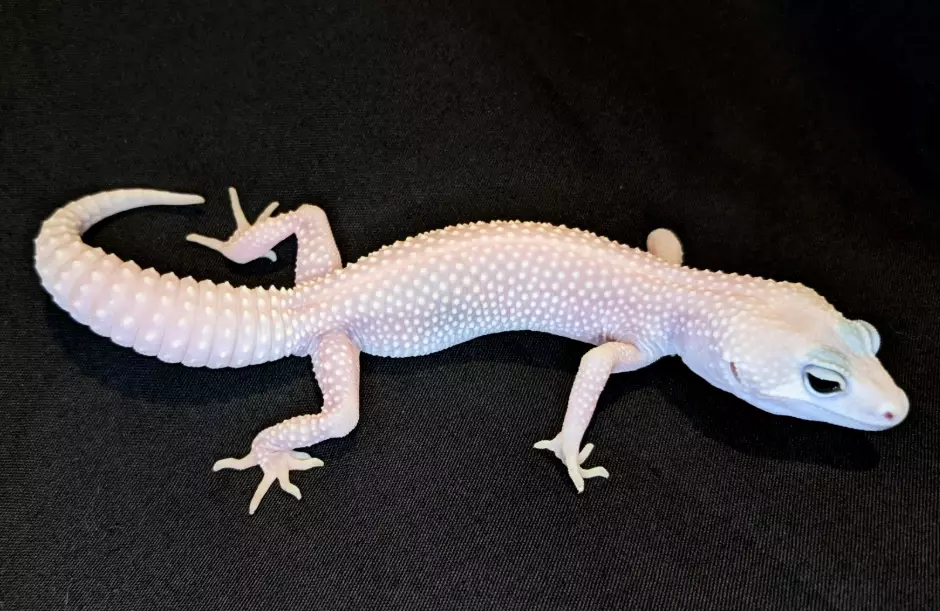
- Warm Side: You need a heat source under one side of the tank to create a "hot spot" of about 88-92°F (31-33°C). An under-tank heater (UTH) connected to a thermostat is the gold standard. It's safe and mimics the warmth from the ground they'd seek in the wild.
- Cool Side: The opposite end should be around 70-75°F (21-24°C).
- Nighttime: Temperatures can drop to the high 60s°F (around 20°C). No night-time heat lamp is needed unless your house gets very cold.
But what about lights?
You don't need special UVB lighting for a blizzard leopard gecko (or any leopard gecko, strictly speaking). They are crepuscular (active at dawn/dusk) and get their vitamin D3 from their diet if you dust their food properly. However, more and more keepers, myself included, are starting to use low-output UVB lights. Research from places like the Association of Reptilian and Amphibian Veterinarians (ARAV) suggests even crepuscular species can benefit from low levels of UVB for overall health and calcium metabolism. It's not a must, but it's a good practice. If you do use one, make sure it's a low percentage (like 2-5% UVB) and placed over the warm side, not covering the whole tank.
Humidity and Shedding: The Hideout Secret
Leopard geckos need to shed their skin regularly as they grow. A blizzard leopard gecko having shedding problems is painfully obvious—dull, stuck skin on those beautiful white toes. To prevent this, you need a humid hide.
This is just a hide box (like a plastic container with a hole cut in it) filled with moist sphagnum moss or paper towels. Place it in the middle or on the warm side of the tank. When your gecko feels a shed coming on, it'll go in there, and the moisture will help the old skin slide right off. Check the humid hide every few days and re-moisten the substrate. Dry air is the enemy of a good shed.
Watch Those Toes! Stuck shed on the toes is a big deal. It can constrict blood flow and lead to the toe dying and falling off. If you see a dry, tight ring of skin around a toe, give your gecko a shallow lukewarm soak for 10-15 minutes and then gently try to roll it off with a damp Q-tip. Never pull.
Handling and Temperament
Are blizzard leopard geckos good for handling? Generally, yes. Leopard geckos are known for their docile nature. My first blizzard was a bit skittish as a baby but calmed down into a complete lap lizard within a few months of gentle, regular handling. Start slow. Let them walk from hand to hand. Support their whole body. Never grab them by the tail! They can drop it as a defense mechanism (it grows back, but it never looks quite the same).
They're perfect for someone who wants a pet they can actually interact with.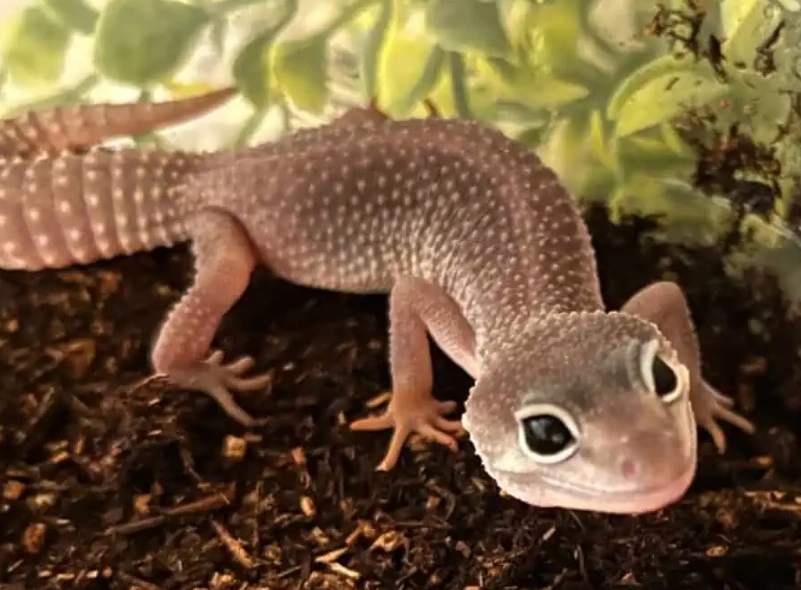
Setting Up the Perfect Enclosure
You can't just throw a blizzard leopard gecko in a fish tank with some sand. That's a recipe for disaster. Let's break down the essentials.
| Enclosure Item | Recommendation & Why | What to Avoid |
|---|---|---|
| Tank Size | 20-gallon long tank MINIMUM for one adult. Bigger is always better. The long version gives more floor space for the temperature gradient. A 40-gallon breeder is fantastic for one gecko and allows for great decoration. | Small "starter kits" or 10-gallon tanks. They don't allow for a proper heat gradient and limit movement. |
| Substrate (Flooring) | For beginners: Paper towels, slate tile, or reptile carpet. Safe, easy to clean. For experienced keepers: A deep, packed mix of 70% topsoil (no fertilizers) and 30% play sand. This allows for natural digging behaviors. |
Loose calcium sand, crushed walnut shell, or pure sand. These can cause fatal impaction if ingested. Loose substrates are debated, but risky for novices. |
| Hides | Three minimum: 1. A warm, dry hide over the heat mat. 2. A cool, dry hide on the cool side. 3. A humid hide in the middle. Provides security and regulates shedding. | Only one hide, or hides that are too large and open. They like snug, enclosed spaces. |
| Decor & Enrichment | Low branches, cork bark flats, fake/real hardy plants (like succulents), shallow dishes. Gives them things to climb on and explore. A blizzard leopard gecko against a backdrop of green plants looks incredible. | Sharp-edged decor, tall items they can fall from, or anything with small holes they could get stuck in. |
| Food & Water Dishes | A shallow, heavy water dish that won't tip. A small, shallow dish for calcium powder (without D3). | Deep water dishes they could drown in, or lightweight plastic dishes they can drag around. |
The setup isn't just about survival; it's about creating a home where your blizzard leopard gecko can thrive, explore, and exhibit natural behaviors. A bored gecko is often a stressed one.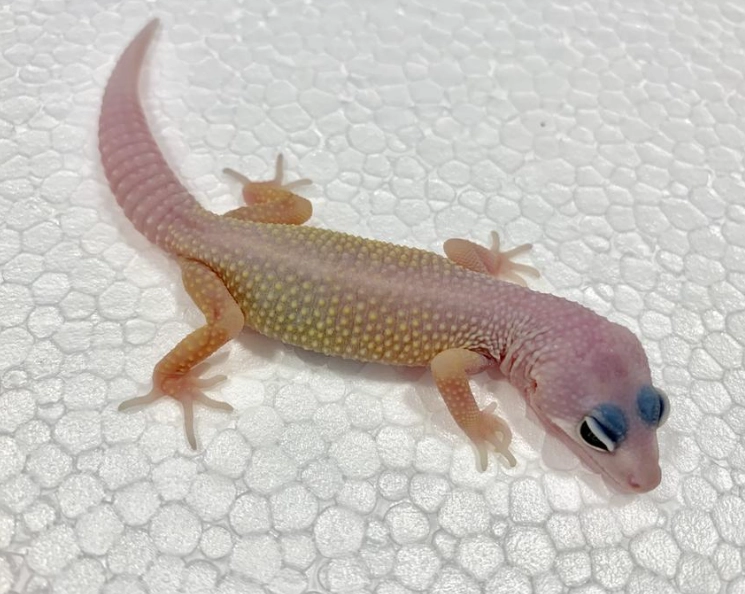
Feeding and Nutrition: You Are What You Eat
Your blizzard leopard gecko is an insectivore. That means bugs, bugs, and more bugs. No fruits, no veggies. Their diet in captivity is based on a few staple feeder insects.
The Staple Diet
For a balanced diet, rotate between these feeders:
- Dubia Roaches: My personal favorite. Nutritious, can't climb smooth surfaces, don't smell, and don't make noise. They're like the perfect protein pellet. The only downside is they're illegal in some places (like Florida).
- Crickets: The classic. They're fine, but they smell, they're noisy, they die easily, and they can bite your gecko if left uneaten. If you use them, buy small quantities.
- Mealworms & Superworms: High in fat. Use them as treats or part of a varied diet, not the main course. Too many can lead to obesity. The hard chitin shell can also be tough to digest for some geckos.
- Black Soldier Fly Larvae (Nutrigrubs/Calciworms): Excellent calcium content. A fantastic supplement.
How much to feed? Juveniles (under a year) should be fed daily, as many appropriately-sized insects as they'll eat in 10-15 minutes. Adults (over a year) can be fed every other day, about 6-10 insects per feeding. The insect should be no wider than the space between the gecko's eyes.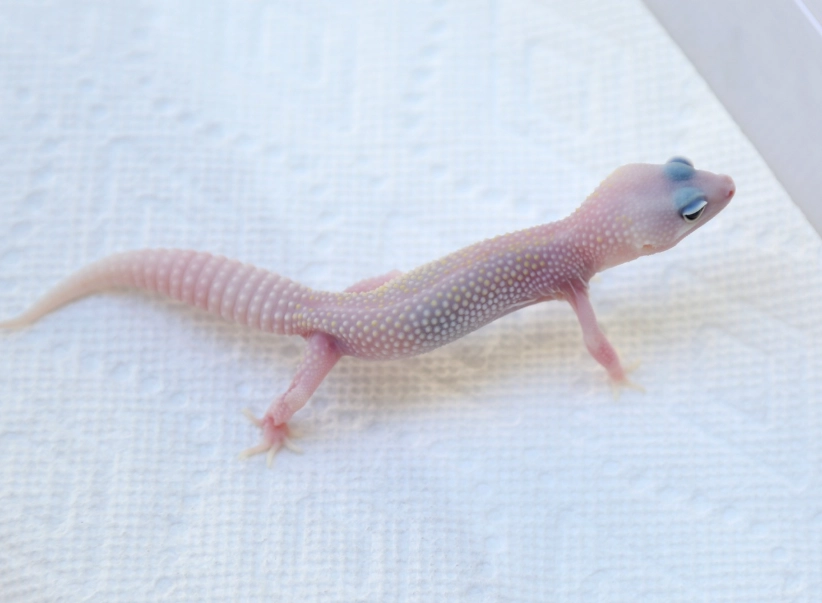
The Critical Supplementation: Dusting
This is non-negotiable. Captive insects don't have the same nutrition as wild ones. You MUST dust them with supplements.
- Calcium with D3: Dust insects with this at every other feeding. D3 helps them absorb the calcium. Without it, they get Metabolic Bone Disease (MBD)—a horrible, crippling condition that softens their bones.
- Multivitamin: Dust insects with a reptile-specific multivitamin (containing Vitamin A) once a week.
- Plain Calcium (without D3): Leave a small dish of this in the tank at all times. They'll lick it as they need it.
I learned the hard way about Vitamin A. One of my geckos developed eye issues because I was using a cheap multivitamin that didn't have the right form of Vitamin A (look for beta-carotene or retinol). Switching to a reputable brand like Repashy or Arcadia solved it. Don't skimp on supplements.
Health and Common Issues: What to Watch For
A healthy blizzard leopard gecko is alert, has clear, bright eyes, a plump (but not fat) tail (their main fat storage), and sheds cleanly. Here are the big problems to watch for:
- Metabolic Bone Disease (MBD): The #1 killer of pet geckos. Symptoms include tremors, rubbery jaw, bent limbs, and difficulty walking. It's 100% preventable with proper calcium/D3 supplementation. If you see signs, vet immediately.
- Impaction: Blockage in the intestines from eating substrate or too large prey. Symptoms include loss of appetite, bloating, and lack of pooping. Prevent by using proper substrate and feeding insects of appropriate size. If you see signs, a warm bath and vet visit are needed.
- Stuck Shed: Especially on toes and eyes. Maintain that humid hide!
- Parasites: Weight loss, runny or smelly stools. Requires a vet for diagnosis and medication. A great resource for understanding reptile health is the Merck Veterinary Manual's reptile section.
Find a vet before you have an emergency. Not all vets treat reptiles.
Finding and Choosing Your Blizzard Leopard Gecko
This is the fun part, but be smart. Don't buy the first one you see online.
Where to Buy
- Reputable Breeders: The best option. You can find them at reptile expos or online through platforms like MorphMarket. They know genetics, health history, and often socialize their babies. You can ask questions. Expect to pay $50-$150+ depending on lineage and color intensity.
- Reptile Expos: Fantastic because you can see the animal in person, interact with the breeder, and compare many options at once.
- Specialty Reptile Stores: Sometimes okay, but ask where they source their animals. Avoid big chain pet stores at all costs. Their animals often come from mass-breeding mills and can have health issues.
How to Pick a Healthy One
When you're looking at that adorable blizzard leopard gecko, check these boxes:
- Eyes: Should be clear, bright, and free of gunk. No swelling.
- Body: Plump, especially the tail. Hip bones or a very thin tail are red flags.
- Skin: Clean, no stuck shed (especially on toes), no black/brown spots that could be mites.
- Activity: Should be alert. It's okay if they're a bit shy, but they shouldn't be lethargic.
- Mouth: Should be closed cleanly, no mucus or odd colors.
- Vent (cloaca): Should be clean, no swelling or leftover feces.
Ask the seller what it's been eating, when it last ate, and its hatch date. A good breeder will have all this info.
Think of buying a gecko like adopting a family member for the next two decades. A little extra research and cost upfront saves heartache (and vet bills) later.
Frequently Asked Questions (The Stuff You're Actually Searching For)
Are blizzard leopard geckos rare or expensive?
Not really rare anymore. They're a well-established morph. Price varies. A standard blizzard from a good breeder might be $60-$100. High-color, line-bred "midnight blizzards" (very dark) or "banana blizzards" (bright yellow) can cost more. Always prioritize health over color intensity.
Do blizzard leopard geckos have vision problems because of their dark eyes?
This is a common myth. There's no scientific evidence that the blizzard morph's dark eyes cause inherent vision problems. They see just fine. Any gecko can have individual health issues, but eye color isn't a predictor.
Can I keep two blizzard leopard geckos together?
I strongly recommend against co-habitating leopard geckos, especially for beginners. They are solitary in the wild. Putting two together, even females, can cause stress, competition for food and heat, and fighting. The only possible exception is a very large, carefully designed enclosure by an expert, but even then, it's risky. One gecko per tank is the safest, happiest rule.
My blizzard gecko is turning a bit pink/orange! Is that normal?
Sometimes! This is often called "firing up." Their color can change slightly with mood, temperature, or as part of the shedding cycle. Some blizzards also naturally develop faint, warm tones as they age. It's usually nothing to worry about. If you see sudden, drastic color changes or patches, then a vet check is wise.
What's the difference between a Blizzard and a Murphy Patternless?
Ah, the great gecko debate! Both are patternless. The main historical difference is genetic lineage—they come from different original bloodlines. Visually, Murphy Patternless tend to have more yellow as adults and often have a different head shape. But honestly, the lines have been crossed so much in breeding that it's hard to tell them apart now. "Blizzard" is the more commonly used term today for a patternless leopard gecko.
Wrapping It Up: Is a Blizzard Leopard Gecko Right for You?
If you're looking for a stunning, relatively low-maintenance reptile with personality, a blizzard leopard gecko is an incredible choice. That sleek, modern look is a real showstopper. But remember, you're not buying a decoration. You're committing to a living creature that needs specific heat, specific food, and specific care for a very long time.
The care isn't complicated, but it is specific. You can't wing it. You need the right tank, the right heat, the right bugs, and the right supplements. Get those things right, and you'll have a fascinating, friendly pet that's a joy to watch and handle. Get them wrong, and you'll have problems.
My advice? Do your homework first. Get the enclosure set up and running perfectly for a week before you bring your new blizzard leopard gecko home. That way, you're not scrambling. Join online forums like Geckos Unlimited or the leopard gecko subreddit. Read, ask questions, look at pictures of other people's setups.
Final Reality Check: They live 15-20 years. That's a long-term commitment. Make sure you're ready for that before you fall in love with those dark eyes and that perfect white skin.
For me, it's been worth every bit of effort. There's something incredibly calming about watching my blizzard explore his tank at dusk, or feeling him curl up contentedly in my hand. He's a living piece of art with a personality. If you give them what they need, a blizzard leopard gecko will be a rewarding pet for years to come.
Reader Comments