So you've fallen for the sleek, almost porcelain-like look of an adult Blizzard leopard gecko. That solid white or pale yellow body with jet-black eyes is hard to resist. I remember the first time I saw one at a reptile expo over a decade ago – it stood out from all the patterned morphs. But here's the thing many new owners don't realize right away: caring for a Blizzard isn't just about keeping any leopard gecko. This specific morph, especially as an adult, has nuances that generic care sheets often miss. Getting it wrong can lead to a stressed, unhealthy pet that doesn't show off that famous white coloration. This guide cuts through the basics and dives into what you really need to know.
What's Inside This Care Guide?
What Exactly is a Blizzard Leopard Gecko Morph?
Let's clear up a common confusion first. The "Blizzard" is a color and pattern morph of the common leopard gecko (Eublepharis macularius). It's not a separate species. The key genetic trait removes all banding and spotting, resulting in a solid-colored gecko. As hatchlings, they often have subtle yellow bands, but these fade completely as they mature into adults.
The classic Blizzard is a stark white or off-white with dark eyes. However, line breeding has created variations like the "Banana Blizzard" (a pale, creamy yellow) and others. Their beauty is in their simplicity, but that also means every little flaw in their care – a small scar, a patch of stuck shed – is more visible. It's like owning a white car; it looks incredible when clean, but you notice the dirt immediately.
How to Set Up the Perfect Enclosure for an Adult Blizzard Leopard Gecko
An adult needs space. The absolute minimum is a 20-gallon long tank (30 inches x 12 inches x 12 inches), but after keeping geckos for years, I always recommend going to a 40-gallon breeder (36" x 18" x 16") if you can. More floor space reduces stress and allows for better temperature gradients. Front-opening terrariums are a game-changer for easy access and less disturbance.
The Non-Negotiables: Heat, Light, and Hides
Leopard geckos need a temperature gradient. I've seen too many Blizzards kept in uniformly warm tanks. They need choice.
- Warm side: 88-92°F (31-33°C) surface temperature on the floor under the heat source. Use a digital thermometer with a probe or a temperature gun. An under-tank heater (UTH) connected to a thermostat is the safest, most reliable method. Overhead ceramic heat emitters or deep heat projectors work too, but always on a thermostat.
- Cool side: 70-75°F (21-24°C).
- Night drop: It's okay if the temp drops to the high 60s at night. Turn the heat source off if your room stays above 68°F.
They do not need UVB if their diet is properly supplemented, but low-level UVB (like a ShadeDweller 7% kit) is increasingly recommended for long-term bone health and natural behavior. If you use it, provide plenty of shaded areas.
Hides are critical. You need at least three: a warm, moist hide (with damp sphagnum moss) in the middle of the tank for shedding, a dry hide on the warm end, and a dry hide on the cool end. More is better. Blizzards can be shy; ample hiding spots make them feel secure enough to come out and explore.
Substrate and Decor: Safety First
This is a major point of contention. For adult Blizzards, I strongly advise against loose sand or fine particulate substrates. The risk of impaction is real, and on a white gecko, digestive issues are harder to spot early. Safer options include:
| Substrate Option | Best For | Watch Out For |
|---|---|---|
| Paper Towel/Butcher Paper | Quarantine, sick geckos, beginners. Cheap and super easy to clean. | Not natural looking, needs frequent changing. |
| Non-Adhesive Shelf Liner | Long-term, easy cleaning. Provides solid footing. | Ensure it's the non-adhesive kind. Can hold heat from a UTH well. |
| Slate or Ceramic Tile | Aesthetic, easy to spot-clean, files down nails naturally. | Can be cold; must be used with an under-tank heater. Harder to cut to size. |
| Prepared Topsoil/Sand Mix (70/30) | Advanced keepers wanting a naturalistic, bioactive setup. | Requires research, proper cleanup crew, and monitoring for parasites. |
Add clutter! Fake plants, cork bark rounds, and low branches give them cover and enrichment. A shallow water dish on the cool side completes the setup.
Feeding and Nutrition: Fueling Your Adult Blizzard
An adult Blizzard leopard gecko should be fed 2-3 times per week. The biggest mistake? Overfeeding. A healthy adult can become obese quickly, leading to fatty liver disease. A good rule is to offer 2-3 appropriately sized insects per feeding. The insect should be no larger than the space between the gecko's eyes.
Staple feeders: Dubia roaches, discoid roaches, crickets, and black soldier fly larvae are excellent. Mealworms and superworms are okay as part of a varied diet but are higher in fat and chitin.
Health Issues: What's Unique for the Blizzard Morph?
Blizzards are generally as hardy as other leopard geckos, but their lack of pigment makes a few things more noticeable or potentially problematic.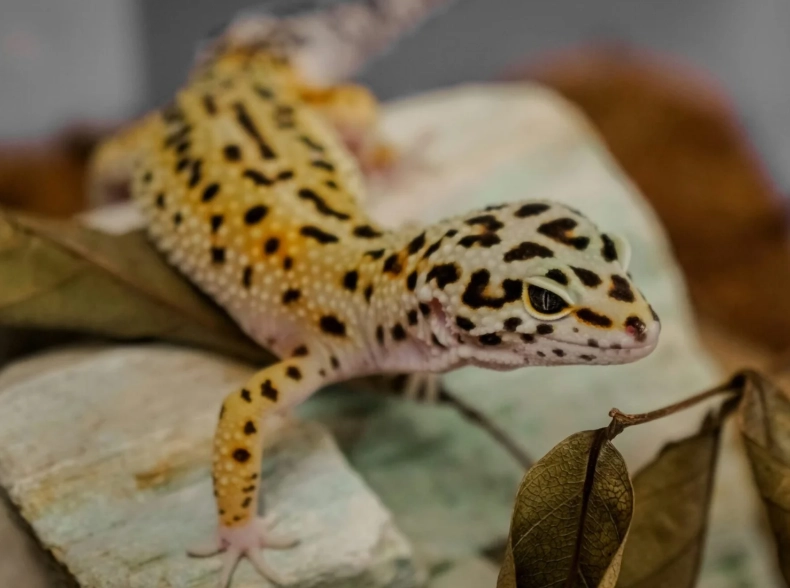
Shedding Problems (Dysecdysis): Their white skin can make stuck shed glaringly obvious, especially on toes and the tip of the tail. A poorly maintained moist hide is often the culprit. If you see retained shed, provide a warm, shallow sauna (a Tupperware with damp paper towels and air holes) for 10-15 minutes, then gently roll it off with a cotton swab. Never pull.
The "Yellowing" Debate: Some Blizzards develop a faint yellow hue, especially along the back, as they age. This is often normal and related to diet (carotenoids in insects) or genetics. Don't panic if your pure white juvenile develops a cream tint. However, sudden, patchy yellowing or brown spots could indicate a skin infection or burn and need a vet check.
Stress Marks: While not visible as dark bands like in normal morphs, a stressed Blizzard may darken slightly to a grayish color or become more reclusive. Check your temperatures, ensure there are enough hides, and minimize handling during acclimation.
Common issues for all leopard geckos, like metabolic bone disease (from poor supplementation), impaction, and respiratory infections, are entirely preventable with proper setup and diet described above.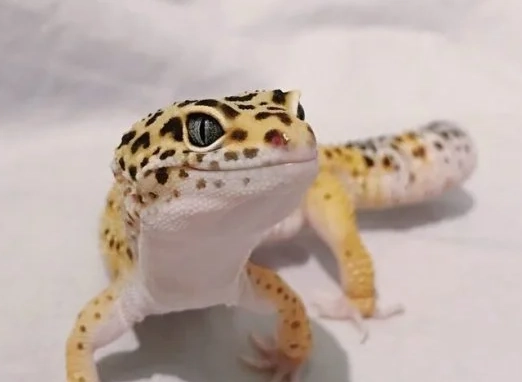
Choosing and Bringing Your Blizzard Adult Home
Where you get your gecko matters. Avoid pet chains if possible. Seek out a dedicated reptile expo or a reputable online breeder with strong reviews. Look for a gecko that is alert, has clear, bright eyes, a plump tail (fat storage), and no visible kinks in the spine or limbs. Ask about its hatch date, what it's been fed, and its last shed.
The journey home is stressful. Use a small, ventilated container with a paper towel substrate. Once home, place the gecko in its fully set-up enclosure and leave it completely alone for at least one full week. No handling, no trying to feed it right away. Just offer water. This "quarantine" period allows it to de-stress, start exploring, and learn where its hides and heat are. Start offering food after this period.
Patience is key. It might take weeks for your new Blizzard to feel comfortable enough to be active when you're around. Trust the process.
Reader Comments