Getting a crested gecko habitat right isn't just about throwing a plant in a tank. It's about recreating a slice of New Caledonia's rainforest on your desk. Do it well, and you'll have a vibrant, active pet that lives a long, healthy life. Mess up the fundamentals—like humidity or space—and you'll face a host of problems, from stuck shed to a stressed, hiding gecko.
I've seen it all over the years. The tiny "starter kit" tanks that stunt growth. The beautiful, sharp-edged decor that causes injuries. The single, sad stick in an otherwise empty box. This guide cuts through the noise. We'll build a habitat from the ground up, focusing on what actually matters for your gecko's wellbeing, not just what looks good on Instagram.
Your Quick Habitat Roadmap
Picking the Right Tank: Size & Type
Let's start with the box everything goes in. This is the most common first mistake.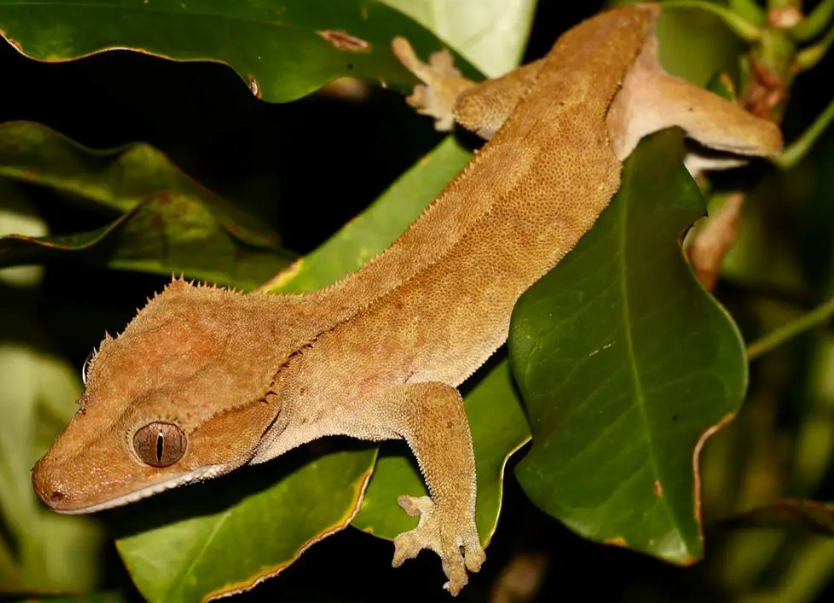
The old advice of a 10-gallon tank for an adult is, frankly, outdated and cramped. Think of it this way: would you want to live your entire life in a walk-in closet? Crested geckos are arboreal—they live in trees. Their world is vertical.
Glass terrariums with front-opening doors are the popular choice. They're great for humidity retention and provide a clear view. But don't overlook screened reptile cages. They offer superior airflow, which is a huge plus if you struggle with mold or live in a very humid area. The trade-off? You'll need to work harder to keep humidity up.
My personal setup uses a hybrid: a glass tank with a partially screened top. It gives me control.
Climate Control: Heat, Light & Humidity
This is where the magic—or the misery—happens. New Caledonia is not a scorching desert.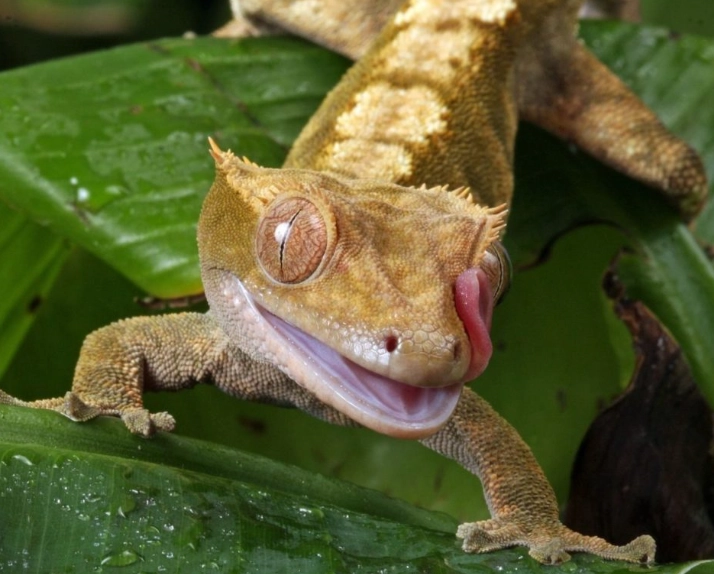
Temperature: The Sweet Spot
Forget the basking lamps you use for bearded dragons. Crested geckos thrive at room temperature. The ideal range is 72-78°F (22-25.5°C) during the day. At night, a drop to 65-72°F (18-22°C) is natural and beneficial.
If your room is consistently below 70°F, you'll need supplemental heat. But never use a heat lamp placed overhead inside a tall tank. It creates a dangerous hot spot at the top where your gecko sleeps. Instead, use a low-wattage ceramic heat emitter or a heat mat on the side of the enclosure, connected to a thermostat. The goal is to warm the air, not to create a sunbathing rock.
Lighting: It's Not Just for You
They don't need UVB to survive, but evidence suggests it's beneficial for their long-term health, aiding in calcium metabolism and overall vitality. A low-output UVB light (like a 5.0 or 2.0 linear tube) running for 10-12 hours a day mimics the dappled forest light they'd get naturally. It also makes your live plants grow better.
No UVB? Then you must dust their food with a calcium supplement containing D3. It's non-negotiable.
Humidity: The Make-or-Break Factor
This is the biggest headache for new owners. In the wild, humidity spikes at night. We need to replicate that cycle.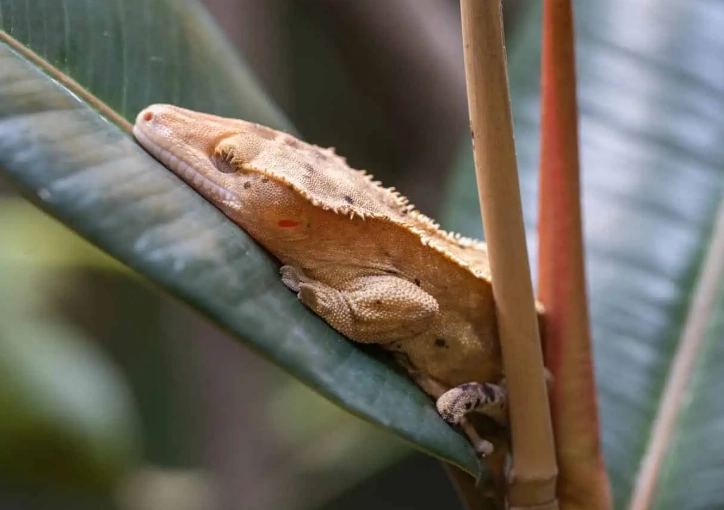
| Time of Day | Target Humidity | How to Achieve It |
|---|---|---|
| Daytime | 50-60% | Let it drop naturally. Good airflow prevents stagnation. |
| Evening/Night | 70-80% | Heavy misting with a spray bottle or automatic mister. The walls should be wet. |
Invest in a digital hygrometer. The analog dial ones are notoriously inaccurate. I learned this the hard way when my gecko had a bad shed, and I realized my cheap gauge was reading 20% too high.
Furnishing for Function & Fun
An empty tank is a stressed gecko. You need to fill the vertical space.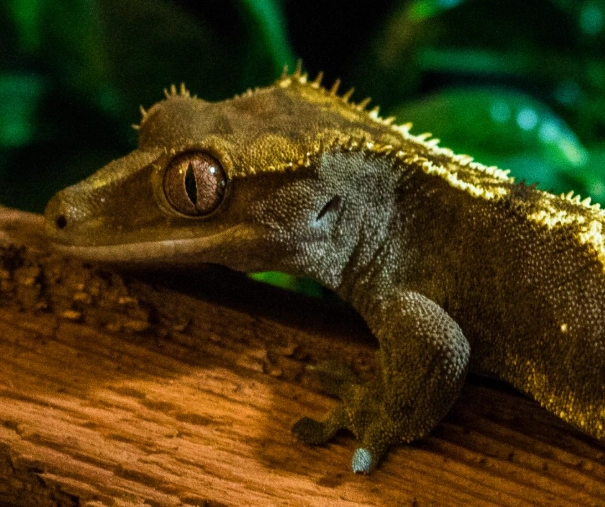
Branches and Vines: Use a variety of diameters. Cork rounds and flats are fantastic—they're natural, hold humidity, and are safe for climbing. Manzanita wood is another great choice. Avoid resin decor with sharp points.
Hiding Places: They need secure hides at both the top and bottom of the enclosure. A cork tube suction-cupped near the top gives them a perfect, dark sleeping spot. A coconut hide or a commercial reptile cave on the substrate gives them a ground-level retreat.
Foliage: This is for security. Dense, broad-leafed artificial plants or sturdy live plants make them feel hidden and safe as they move around. Clump them along climbing paths.
The layout should encourage exploration. Create multiple pathways from the bottom to the top. I like to arrange my branches in a loose "N" or zig-zag pattern across the tank.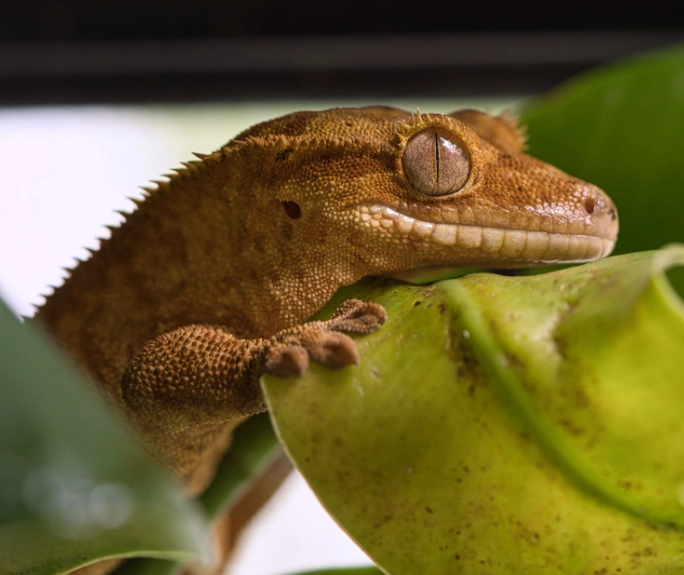
The Foundation: Substrate & Live Plants
What goes on the floor matters more than you think.
For simple setups, paper towel is the safest, easiest choice for beginners. It's boring but foolproof for monitoring health and cleanliness.
For a more natural look that holds humidity, use a mix of organic topsoil, coconut coir, and orchid bark. Avoid pure sand, pure moss, or any soil with fertilizers or perlite (those little white balls).
Live plants are a game-changer. They stabilize humidity, provide hiding spots, and look amazing. Go for hardy, low-light species:
- Pothos (Devil's Ivy) - Nearly indestructible.
- Snake Plant (Sansevieria) - Architectural and tough.
- Bromeliads - Hold water in their centers, great for micro-humidity.
- Ferns (like Bird's Nest Fern) - Love the humid environment.
Plant them in small pots buried in the substrate for easier maintenance and to prevent root disturbance from your gecko.
The Bioactive Breakdown: Is It Worth It?
Bioactive is the buzzword. It means creating a self-cleaning ecosystem with a clean-up crew (isopods and springtails) that break down waste. It's fantastic, but it's not a zero-maintenance magic trick.
The Pros: It's the most natural system. It eliminates spot-cleaning poop, creates incredibly stable humidity, and is fascinating to watch. Your gecko will exhibit more natural foraging behaviors.
The Cons: It has a higher startup cost and complexity. You need a drainage layer, a substrate barrier, and the right soil mix. The clean-up crew needs to be established before adding the gecko. You still need to remove leftover food and mist.
Is it for you? If you love the naturalistic project and are past the beginner stage, absolutely. If you want the simplest, most controllable setup, stick with a traditional planted tank.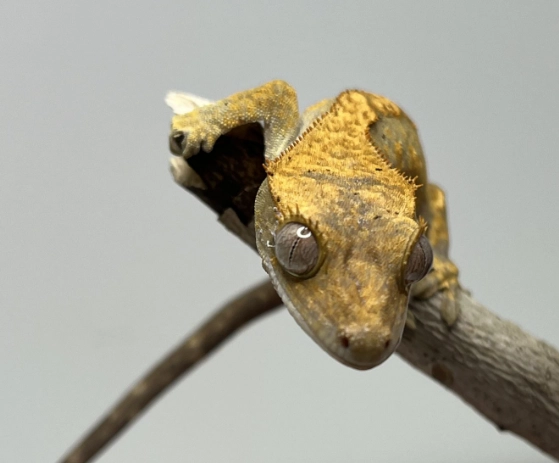
Your Habitat Maintenance Checklist
Consistency is key. Here's a simple routine:
Daily: Check temperature and humidity gauges. Offer fresh food (if using prepared diet) every other day. Remove any obvious waste.
Weekly: Deep misting to rinse plants and decor. Wipe down glass. Check that all equipment (lights, mister) is working. Replace water dish water.
Monthly: Trim overgrown plants. Inspect all decor for damage or mold. For non-bioactive tanks, replace or deeply clean the substrate.
Every 6 Months: Replace UVB bulbs (they stop producing UV long before they burn out). Do a full tank breakdown, disinfect with a reptile-safe cleaner (like F10SC), and rebuild. This is a great chance to redesign the layout and keep your gecko stimulated.
Reader Comments