If you're looking for a pet snake that's more than just a pretty pattern in a tank, the Western hognose snake might be your perfect match. Forget the silent, stoic reptile stereotype. These snakes are packed with character, from their comical defensive displays to their surprisingly picky eating habits. I've kept them for over a decade, and I still get a kick out of their antics. But here's the thing many care sheets gloss over: their charm comes with a set of very specific needs. Getting their environment wrong doesn't just stress them out—it can lead to months of frustrating food strikes. This guide cuts through the generic advice and dives into the real-world details of keeping a hognose healthy and happy.
Your Quick Hognose Guide
What Makes Western Hognose Snakes So Unique?
You can spot a hognose a mile away by its upturned rostral scale—that's the shovel-like snout. It's not for show. In the wild, they use it to root for their favorite food: toads. This specialism is key to understanding them in captivity. Their saliva contains mild toxins (harmless to humans) that help subdue amphibians, a fact that sometimes unnecessarily worries new owners.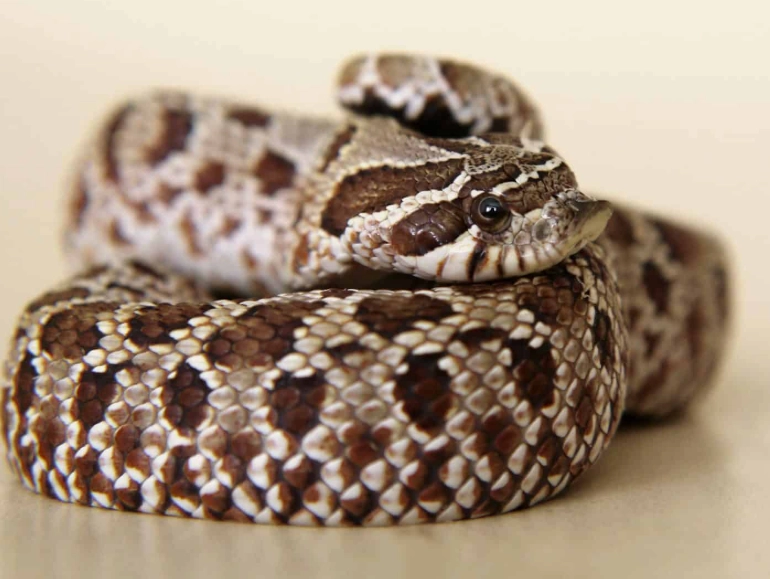
Then there's the behavior. A startled hognose might flatten its neck like a cobra, hiss loudly, and even strike with a closed mouth. If that bluff fails, they often roll onto their back, open their mouth, and play dead. It's a full-on dramatic performance. Honestly, the first time I saw it, I was equal parts concerned and amused. It's harmless, but it tells you this isn't a snake that just sits there.
Housing Your Western Hognose Snake: Enclosure Setup
A 20-gallon long tank is the minimum for an adult, but I prefer a 40-gallon breeder. It gives them more floor space to explore. The biggest mistake I see? Focusing on humidity and forgetting about heat gradient. They need a clear choice.
Substrate is critical because they love to burrow. Aspen shavings are the go-to for a reason: they hold burrow shape well and are digestible if a little is ingested during feeding. Avoid cedar (toxic) and pine (irritating). Some keepers use a bioactive mix, but for beginners, aspen is foolproof.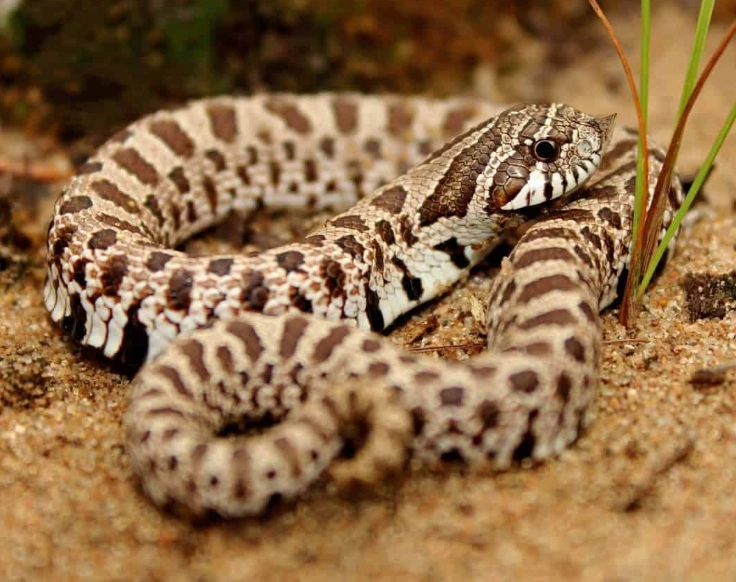
| Enclosure Parameter | Optimal Range | Why It Matters |
|---|---|---|
| Warm Side Temperature | 88-92°F (31-33°C) | Essential for digestion and metabolism. Use an under-tank heater regulated by a thermostat. |
| Cool Side Temperature | 70-75°F (21-24°C) | Provides a retreat to regulate body temperature and prevent overheating. |
| Nighttime Temperature Drop | Can drop to 65-70°F (18-21°C) | Mimics natural cycles; a slight drop is beneficial and natural. |
| Humidity Level | 30-50% | Higher during shed (50-60%). Low humidity is a leading cause of stuck shed. |
Provide at least two snug hides (one warm, one cool) and a water bowl big enough for soaking but not easy to tip over. They're surprisingly strong for their size.
The Hognose Diet: Feeding Beyond Just Mice
In captivity, they eat frozen-thawed rodents. But here's the rub: some individuals, especially wild-caught or stressed ones, imprint on amphibians and refuse mice. Most captive-bred babies are started on mice, but food strikes are common.
A hungry juvenile should eat every 5-7 days, an adult every 7-10 days. Prey size should be slightly wider than the snake's body at its widest point. Don't power-feed to make them grow faster—it leads to fatty liver disease.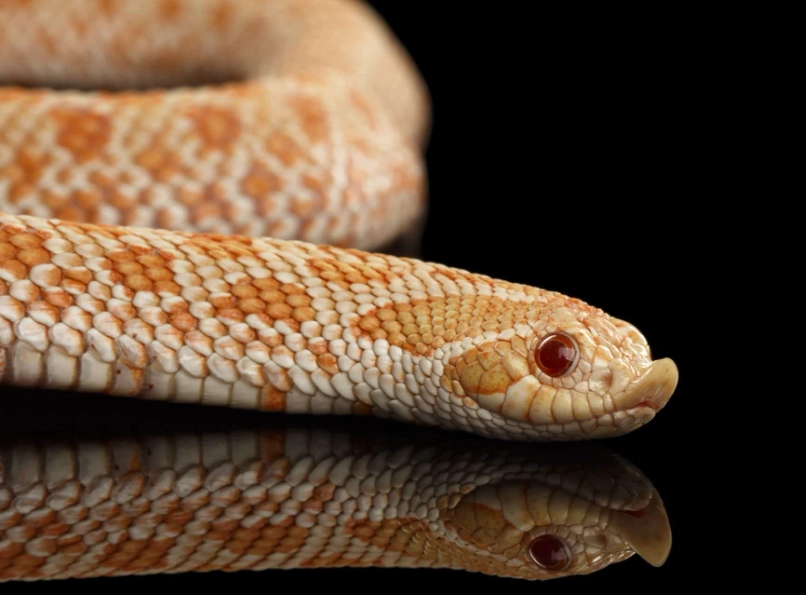
Never leave a live rodent unattended in the enclosure. A mouse can seriously injure a snake.
A Note on Brumation
It's not strictly necessary for pets, but a 2-3 month cool-down period in winter (55-60°F) can stimulate breeding behavior and seems to promote long-term health in adults. Don't brumate sick, underweight, or young snakes.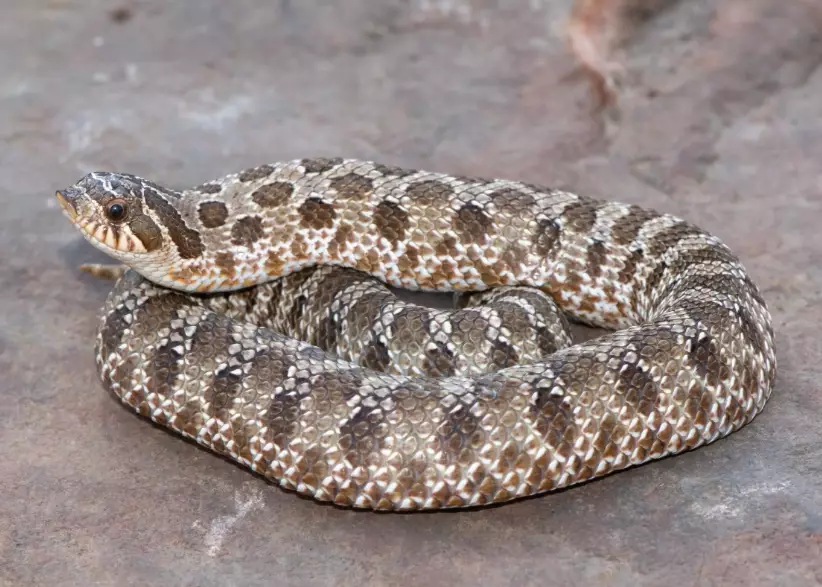
Hognose Snake Health & Common Issues
Generally hardy, but watch for these:
- Respiratory Infections (RI): Wheezing, mucus bubbles, open-mouth breathing. Usually caused by prolonged low temperatures or high humidity. Requires a vet for antibiotics.
- Stuck Shed (Dysecdysis): Pieces of old skin, especially over the eyes (spectacles). Boost humidity to 60% and provide a humid hide with damp sphagnum moss. Never pull the skin off.
- Mites: Tiny black/red parasites moving on the snake or in the water bowl. Quarantine new animals. Treatment involves reptile-safe mite sprays and thoroughly cleaning the entire enclosure.
Find a vet who specializes in exotics before you have an emergency. The Association of Reptilian and Amphibian Veterinarians website is a good place to start your search.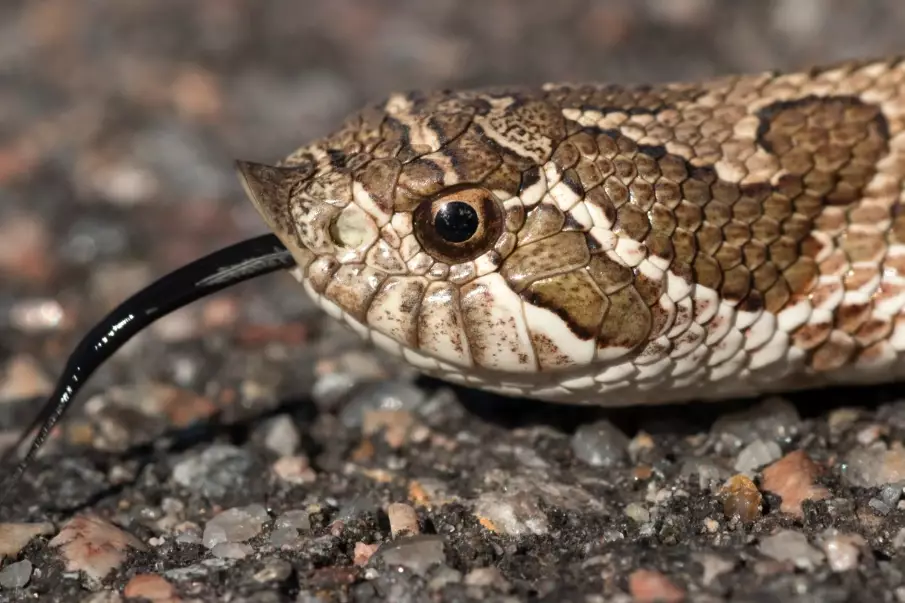
Hognose Snake Temperament & Safe Handling
Their dramatic bluff gives them a feisty reputation, but most calm down with regular, gentle handling. Start with short 5-10 minute sessions a couple of times a week, always supporting their body. Never handle for 48 hours after feeding or during shed (they're stressed and can't see well).
Are they good for beginners? Yes, with a caveat. Their care is straightforward, but their occasional food strikes require patience and problem-solving. If you panic every time they skip a meal, it might not be the best first snake. A corn snake is more reliably food-motivated.
Regarding western hognose snake for sale, always buy from a reputable breeder at a reptile expo or through well-known online portals. Captive-bred is the only ethical choice. They're better acclimated to captivity and less likely to have parasites. Ask the breeder about the animal's feeding history—what it's eating and how consistently.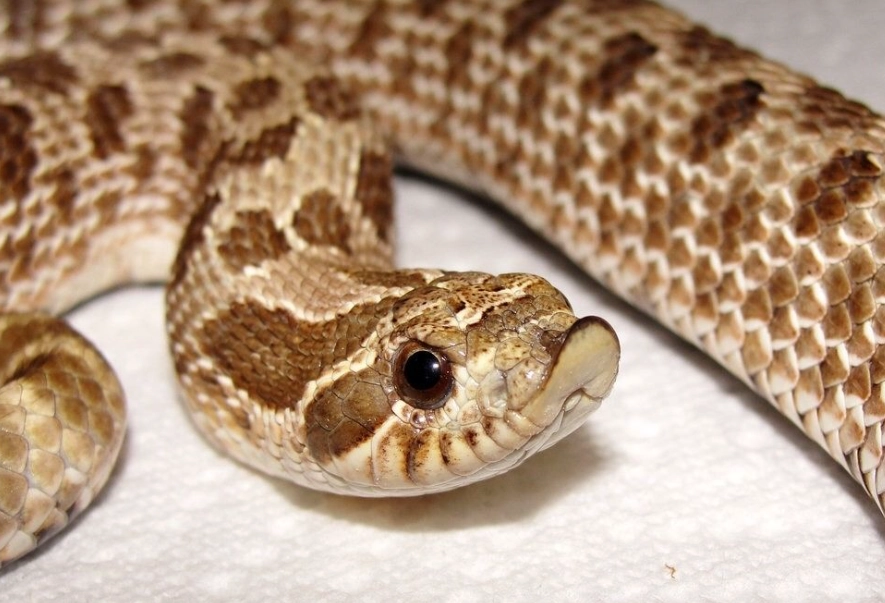
Reader Comments