Let's be honest. The idea of keeping a tarantula as a pet isn't for everyone. But for those drawn to them, it's a fascination that doesn't fade. They're living sculptures, pet rocks with legs, and windows into a wildly different form of life. I've kept them for over a decade, and the most common question I get isn't about feeding—it's "Which one should I get?"
The answer isn't simple. Picking a tarantula is less about finding the "coolest" one and more about matching a spider's temperament and needs to your experience level. Get it wrong, and you could end up with a pet that terrifies you or, worse, one that suffers. Get it right, and you'll have a captivating, low-maintenance companion for decades.
What's Inside This Guide
The Top Beginner Species (You Can't Go Wrong)
These are the classics. They're typically docile, hardy, and forgiving of minor husbandry errors. If you're new to tarantulas, start here.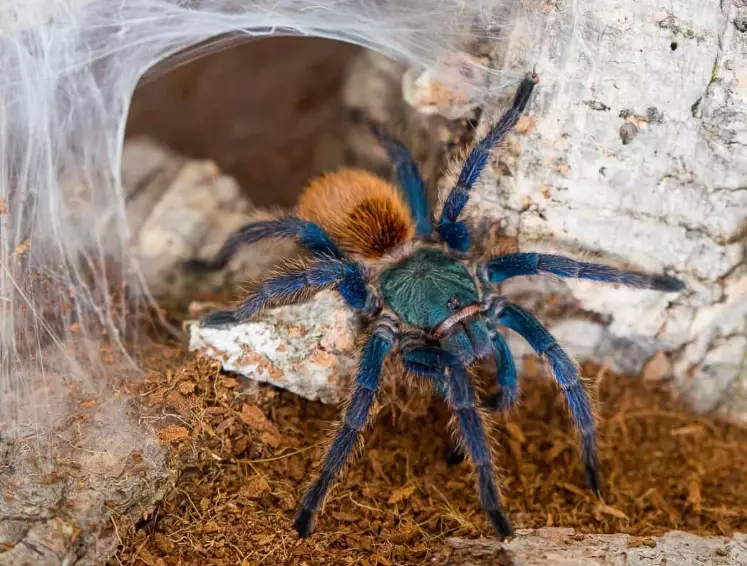
1. The Chilean Rose Hair (Grammostola rosea/porteri)
The poster child of the pet tarantula world. For years, this was the default first tarantula, and for good reason. They are incredibly calm. I've handled them (though I don't recommend handling as a regular practice) with less reaction than a stuffed animal. Their care is simple: a dry enclosure with a hide, a water dish, and some substrate. They thrive at room temperature.
Here's the catch nobody talks about: they are famous for going on hunger strikes. A Rose Hair might not eat for 8, 10, even 12 months. New owners panic, but it's completely normal for this species. As long as the abdomen isn't shriveled, just keep offering food every couple of weeks and change the water.
2. The Mexican Redknee (Brachypelma hamorii)
If the Rose Hair is the reliable sedan, the Redknee is the classic sports car. It's gorgeous—jet black with vibrant orange "knees" and a calm disposition. They are slower growing, which means you'll have a smaller spider for longer if you buy a sling (baby), but adults are stunning. Their defense mechanism is primarily flicking urticating hairs, not biting.
Care is similar to the Rose Hair: dry substrate, a hide, and a water dish. They do appreciate a bit more warmth, so a small heat mat on the side of the enclosure (never underneath) in a cool room is a good idea. You can find excellent care sheets from sources like the Arachnoboards community, which is an invaluable resource.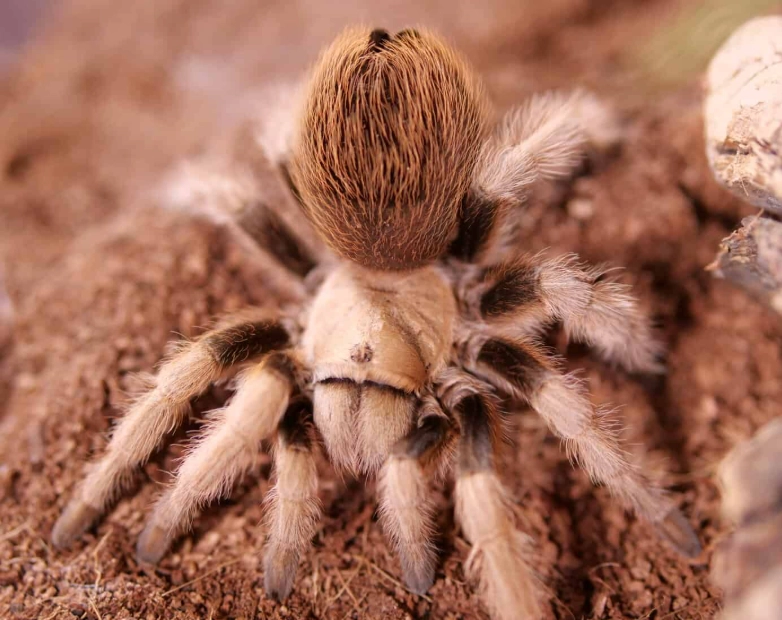
3. The Curly Hair Tarantula (Tliltocatl albopilosus)
This might be my top recommendation for a true beginner today. They have the docility of a Rose Hair but without the frustrating fasts. They eat like champions, grow at a reasonable pace, and look fantastic with their fluffy, brownish curls. They're also very hardy and adaptable to slight variations in humidity.
I've found them to be more active than the previous two, often seen rearranging substrate or sitting at the entrance of their burrow. They give you more "pet-like" behavior to observe.
Stepping Up: Intermediate Options
Once you've kept a terrestrial species for a year or so and understand molting cycles and basic care, you might want to branch out. These species require more specific conditions or have faster movements.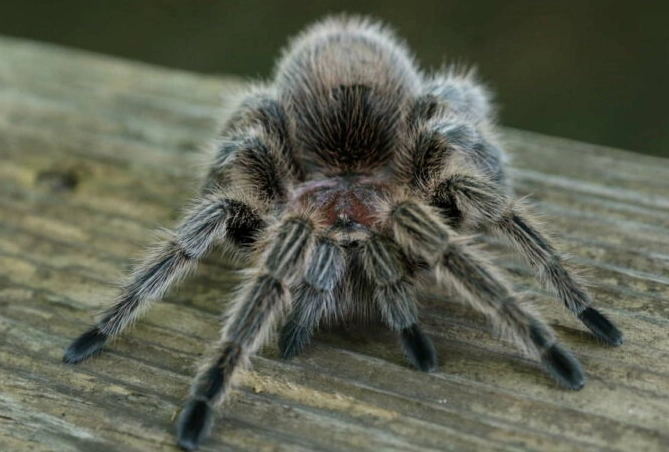
The Pink Toe Tarantula (Avicularia avicularia)
This is your gateway to arboreal tarantulas. They live in trees, so they need a tall enclosure with plenty of vertical climbing space like cork bark. Their care is different: they need cross-ventilation to prevent stagnant, humid air which can be fatal, and they often drink from water droplets on the glass or decor rather than a dish.
They're generally skittish but not aggressive. A startled Pink Toe can jump, which is why they're not for absolute beginners. But watching them build elaborate silken "tunnels" high in their enclosure is a unique reward.
The Chaco Golden Knee (Grammostola pulchripes)
Think of this as a bigger, bolder, slightly more active cousin of the Mexican Redknee. They have stunning yellow bands on their legs, grow to an impressive size (up to 8 inches), and are typically very docile. Their needs are simple like other Grammostola species, but their larger size as adults means a more substantial enclosure and slightly bigger prey.
For the Experienced Only: Advanced Species
These are the tarantulas you admire in expert collections. They are often fast, possess more potent venom, and have defensive attitudes. They are display animals, not hands-on pets.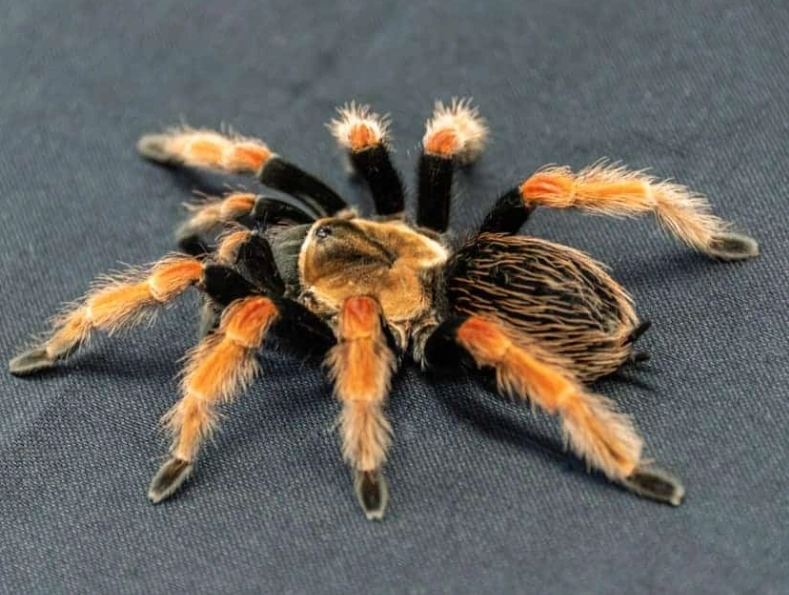
Old World Tarantulas (e.g., Asian & African Species)
This includes genera like Pterinochilus (Baboon spiders), Heteroscodra, and Poecilotheria (Ornamental tarantulas). They lack urticating hairs. Their primary defense is a lightning-fast bite with medically significant venom. They are not for handling, ever. Rehousing them is a delicate operation that requires planning and the right tools.
Their speed is what shocks most people. They can move from one side of an enclosure to the other in a blur. Keeping them is about respecting their space and appreciating their beauty from the outside.
How to Actually Choose Your Tarantula
Don't just buy the prettiest picture online. Here's a practical decision matrix.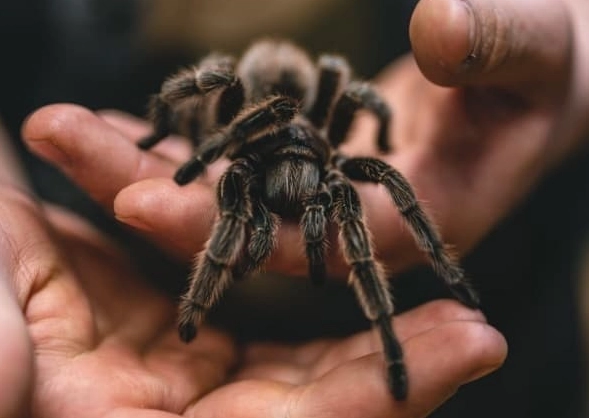
| Your Priority | Best Match | Reason & Tip |
|---|---|---|
| Hands-Off, Easy Care | Chilean Rose Hair, Curly Hair | Minimal humidity needs, hardy, long-lived. Buy a confirmed female if you want a multi-decade pet. |
| Stunning Visual Display | Mexican Redknee, Chaco Golden Knee | Vibrant colors, classic tarantula look. Be patient with slow growth if buying a sling. |
| Unique Behavior | Pink Toe (Avicularia) | Arboreal web-building is fascinating. Must provide tall tank with cross-ventilation. |
| Fast Growth & Good Feeder | Curly Hair, Texas Brown (Aphonopelma hentzi) | You'll see more rapid size increases and consistent feeding responses. |
| Expert Challenge | Old World Fossorials (e.g., Hysterocrates) | You'll rarely see them, but creating a deep, moist substrate for a burrowing species is an art. |
Where you buy matters. Reputable online breeders like Fear Not Tarantulas or local reptile expos are better than pet chains. You get healthier animals, accurate species identification, and support from the breeder.
The One Setup Mistake Almost Everyone Makes
It's not about the size of the hide or the brand of substrate. It's about height for terrestrial species.
Tarantulas are surprisingly fragile. A fall from even a short distance can rupture their abdomen, which is almost always fatal. For terrestrial tarantulas, the distance from the substrate to the top of the enclosure should be no more than 1.5 times the spider's leg span.
That means a 5-inch Mexican Redknee should not have more than 7-8 inches of empty space above it. I see so many new keepers put a small spider in a massive 20-gallon tall tank. It's stressful for the spider and dangerous. Start small, and upgrade the enclosure as the tarantula grows. A simple plastic kritter keeper is often the perfect starter home.
Feeding: More Than Just Crickets
Gut-loaded crickets are the staple, but variety is better. Dubai roaches are nutritious and can't climb smooth surfaces. Mealworms are good for smaller tarantulas. The rule is a prey item no larger than the tarantula's abdomen.
Frequency depends on age and species. A growing sling might eat 2-3 times a week. A mature female might eat one large roach every 10-14 days. They will refuse food when approaching a molt—don't force it. Remove uneaten live prey to prevent it from stressing or harming the tarantula.
The biggest feeding mistake? Overfeeding. An obese tarantula is at higher risk of injury during a fall and may have a shorter lifespan. A plump, rounded abdomen is good. A bulbous, shiny abdomen that looks like it's about to burst is not.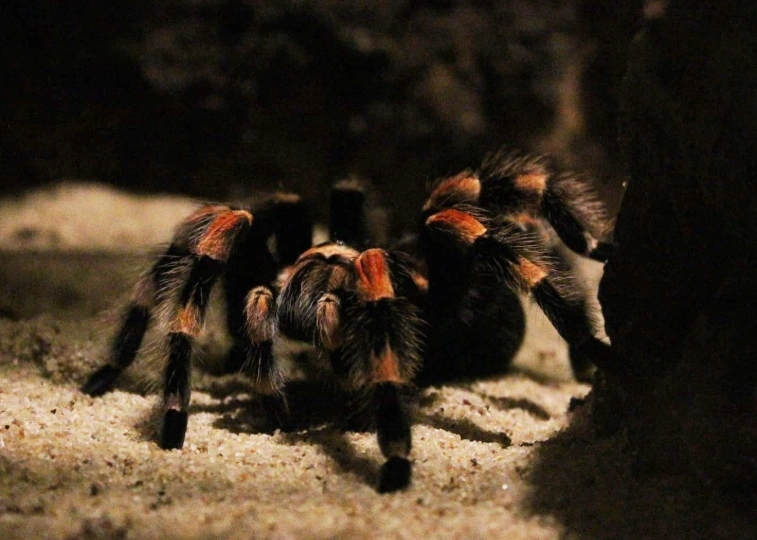
Your Tarantula Questions Answered
What is the absolute best tarantula for a complete beginner?
The Chilean Rose Hair (Grammostola rosea/porteri) is almost universally recommended. They are incredibly docile, have very simple care requirements (a dry setup with a hide and water dish), and are slow-moving. I've seen them sit in the same spot for weeks. Their main drawback is their unpredictable fasting periods, which can worry new owners, but it's perfectly normal for the species.
How long do pet tarantulas typically live?
There's a massive gender difference. Female tarantulas are the long-term commitment. Species like the Mexican Redknee can live 25-30 years. Males, however, mature much faster and usually live only 2-5 years after their final molt. When you buy a sling (baby), you often won't know the sex for years. Always plan for a female's lifespan when getting a tarantula.
Are tarantulas aggressive and likely to bite?
Defensive is a better word than aggressive. Most pet tarantulas prefer to flee or threaten. A common beginner mistake is misreading threat postures. Old World species (from Africa/Asia) have more potent venom and a faster, more defensive attitude. New World species (from the Americas) have milder venom and primarily use urticating hairs, which they flick from their abdomen. These hairs are intensely itchy and are the main reason handling is discouraged.
What size enclosure does a tarantula really need?
Far smaller than most people think. The rule is a diagonal length 2-3 times the tarantula's leg span. A 5-inch terrestrial tarantula does great in a 10-gallon tank, but a 5.5-gallon Kritter Keeper is often perfect. Too much space can stress them and make finding food difficult. Height is critical for arboreal species—they need tall tanks with cork bark to climb. For terrestrials, floor space and secure lid are more important than height, as a fall can be fatal.
Choosing your first tarantula is the first step into a deeply rewarding hobby. It teaches patience, observation, and respect for a creature utterly unlike ourselves. Start with a forgiving species, master the basics of enclosure safety and feeding, and you might just find yourself, like I did years ago, planning space for a second tank before the first one even arrives.
Reader Comments