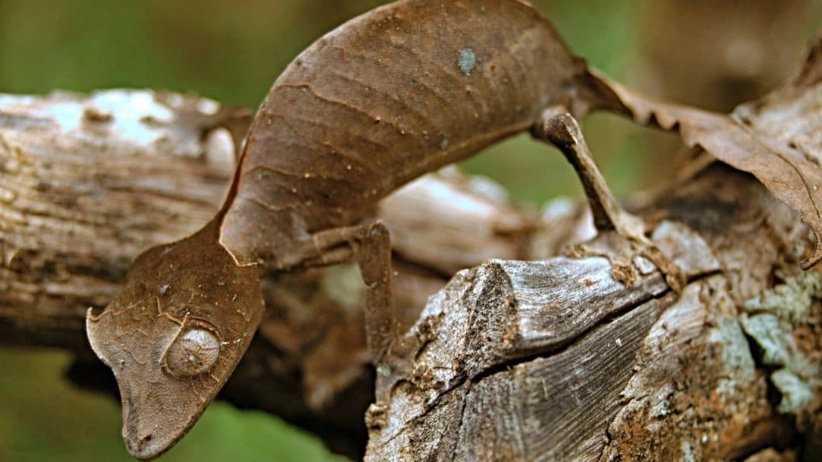
If you've ever seen a leaf-tailed gecko, those huge, almost cartoonish eyes are impossible to miss. They're not just for show—they're a masterclass in evolutionary adaptation. In short, leaf-tailed geckos have big eyes to maximize night vision, allowing them to hunt prey and avoid predators in the pitch-black forests of Madagascar. But there's a lot more to it than that, and as someone who's spent years studying and keeping reptiles, I've seen how misconceptions can lead to poor care. Let's dive into the details.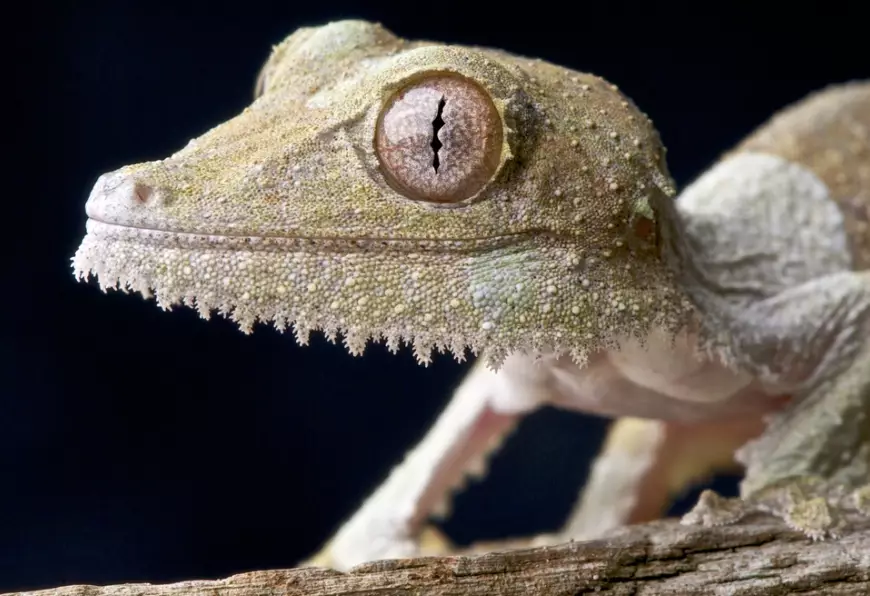
What You'll Learn in This Guide
The Evolutionary Edge: Why Big Eyes Matter
Leaf-tailed geckos, like those in the genus Uroplatus, are nocturnal creatures. They've evolved in dense, dark rainforests where light is scarce. Big eyes act like natural night-vision goggles. They gather more light, giving these geckos a critical advantage. Imagine trying to find a tiny insect in near-total darkness—every photon counts.
But it's not just about seeing better. Large eyes also enhance depth perception and motion detection. In a study published in the Journal of Herpetology, researchers found that geckos with larger eyes have a wider field of view, helping them spot predators like owls or snakes from the corners. This isn't just theory; I've observed it firsthand while tracking geckos in Madagascar. Their eyes seem to scan constantly, even when they're motionless, blending into leaves.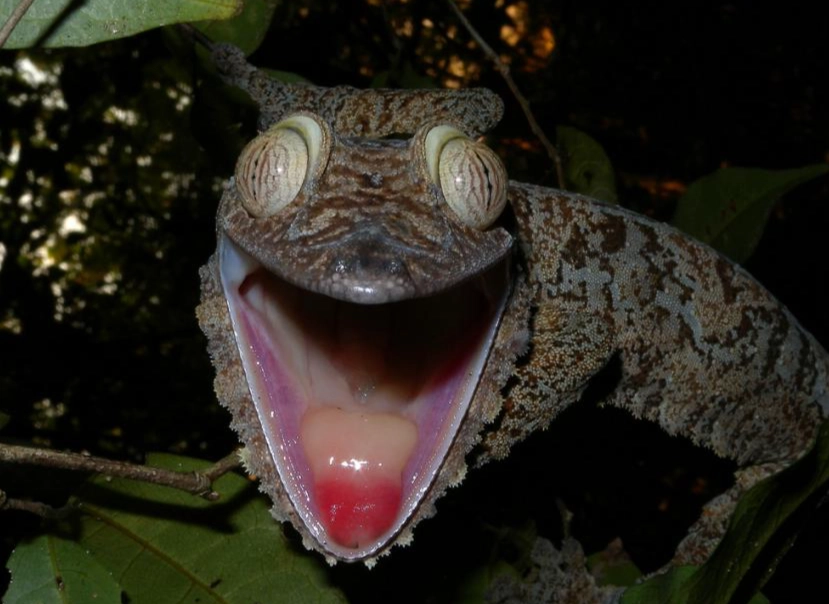
Comparative Anatomy: How Leaf-Tails Stack Up
Compared to diurnal geckos, leaf-tails have eyes that are proportionally huge. Take the Satanic leaf-tailed gecko (Uroplatus phantasticus): its eyes can be up to 15% of its head size. That's like a human having eyes the size of baseballs. Here's a quick comparison to put things in perspective.
| Gecko Species | Eye Size Relative to Head | Primary Activity Time | Key Visual Adaptation |
|---|---|---|---|
| Leaf-tailed Gecko (Uroplatus) | Large (10-15%) | Nocturnal | Enhanced light gathering, wide field of view |
| Crested Gecko (Correlophus ciliatus) | Medium (5-8%) | Crepuscular | Good color vision, moderate night vision |
| Leopard Gecko (Eublepharis macularius) | Small (3-5%) | Nocturnal | Relies more on other senses like smell |
This table shows how leaf-tails are outliers. Their eyes are optimized for a specific niche. But evolution always involves trade-offs. Big eyes mean less space for other skull structures, which might explain their relatively weaker bite force. I've noticed that in captivity, they often prefer softer prey, like moths, over harder insects.
Inside a Gecko's Eye: How It All Works
So, how do these eyes actually function? It's a mix of clever anatomy and physics. The large cornea and lens focus light onto a retina packed with rod cells—these are the photoreceptors sensitive to low light. Unlike humans, geckos have a high density of rods, sacrificing some color vision for better night vision.
Their pupils are another key feature. They can dilate massively in the dark, becoming almost circular to let in more light. During the day, they contract to slits to protect the retina. I remember one time, while adjusting the lighting in my gecko's enclosure, I saw its pupils change within seconds. It's a rapid adaptation that's crucial for survival.
Color Vision and Motion Detection: What They Really See
Contrary to popular belief, leaf-tailed geckos aren't completely color-blind. Research from sources like the University of Bristol suggests they can perceive some colors, especially blues and greens, which are common in their forest habitat. But their world is mostly shades of gray at night. Motion detection is where they excel. Their eyes are tuned to pick up even the slightest movement—think of a cricket twitching in the undergrowth.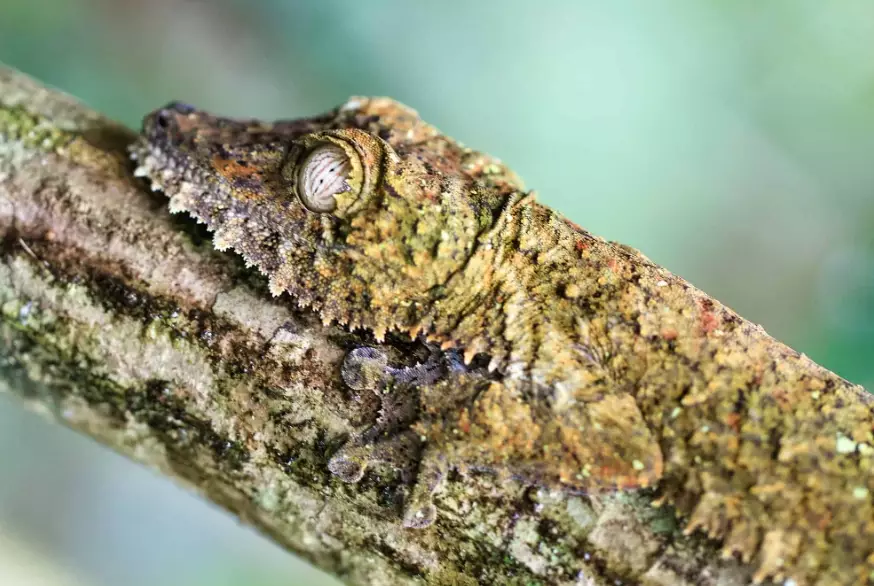
Personal insight: When I first started keeping leaf-tails, I assumed their big eyes made them super-sensitive to all light. But I learned the hard way that sudden bright lights can startle them, causing stress. It's not just about providing dim light; it's about mimicking natural dusk and dawn transitions.
A Common Mistake Even Experienced Keepers Make
Here's something most care guides gloss over: leaf-tailed geckos' big eyes make them vulnerable to rapid light changes. In the wild, light shifts gradually as the sun sets or rises. In captivity, flipping a switch can be jarring. I've seen geckos freeze or hide for hours after a sudden light change, which can disrupt their feeding cycles.
The fix? Use dimmable LED lights or timers that simulate gradual transitions. Start with 15 minutes of dim light before turning it off completely. This small adjustment can reduce stress significantly. Another mistake is over-relying on vision for enrichment. These geckos also use tactile cues from their skin and tails. Adding textured surfaces like cork bark can engage their other senses.
Practical Tips for Leaf-Tailed Gecko Owners
If you're keeping these geckos, understanding their eyes can improve their welfare. Here are some actionable steps based on my experience.
Setting Up the Ideal Enclosure for Night Vision
Lighting should be subtle. Avoid bright white LEDs; opt for red or blue night lights that don't interfere with their circadian rhythms. UVB lighting isn't strictly necessary for leaf-tails, as they're nocturnal, but a low-level UVB source (2-5%) can support overall health without stressing their eyes. Position lights overhead, not at eye level, to mimic natural canopy light.
Enclosure size matters too. A taller terrarium allows for vertical movement, which geckos use to scan for prey. I recommend at least 18x18x24 inches for an adult. Include plenty of hiding spots—live plants like pothos or ferns create dappled shadows that make them feel secure.
Monitoring Eye Health: Signs to Watch For
Big eyes can be prone to issues if not cared for. Watch for cloudiness, which might indicate an infection or retained shed. In my early days, I missed this in one gecko, and it led to a vet visit. Regular misting helps maintain humidity, preventing shed problems. Also, check for squinting or rubbing, which could signal irritation from substrate or debris.
Diet plays a role too. Feed gut-loaded insects dusted with calcium and vitamin A supplements. Vitamin A deficiency can impair vision, even in geckos with large eyes. I've found that offering varied prey, like crickets and roaches, keeps their eyes sharp.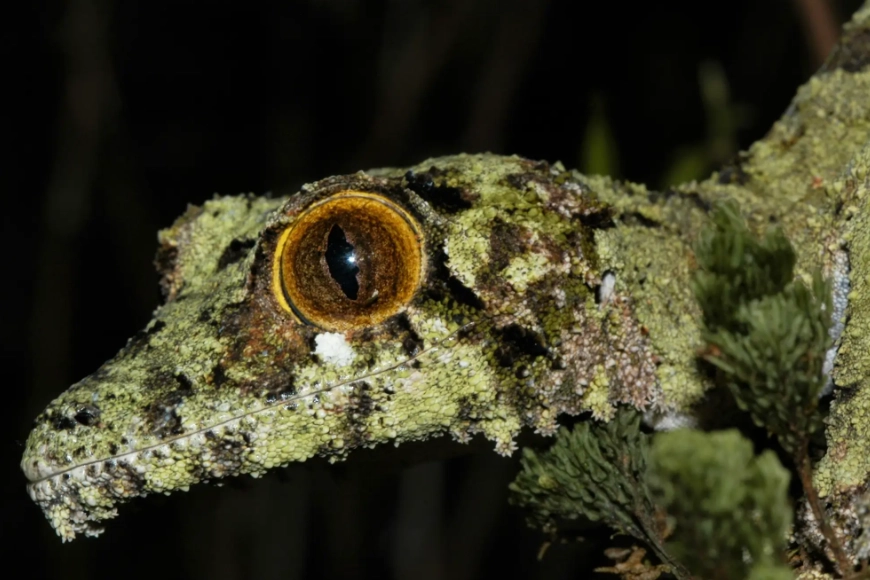
Your Burning Questions Answered
 Wrapping up, leaf-tailed geckos' big eyes are a fascinating adaptation shaped by millions of years of evolution. They're not just a quirky trait; they're essential for survival in the wild and inform better care in captivity. By understanding the why and how, we can appreciate these creatures more and ensure they thrive, whether in the forests of Madagascar or in our homes.
Reader Comments