If you're deep into the world of crested geckos, you've probably seen stunning photos online—geckos with fiery red patterns, ones that look like they're made of lily white, or covered in perfect black spots. It makes you wonder, what's the absolute pinnacle? What is the rarest type of crested gecko you could actually own? The short, direct answer is the lavender dalmatian. But that simple label hides a world of genetics, chance, and dedicated breeding. Let's peel back the layers and understand not just the name, but what makes it and other morphs truly rare, and what chasing rarity really means for a keeper.
What's Inside This Guide
What Exactly is a 'Morph'?
First, let's clear up the jargon. In reptile keeping, a "morph" simply refers to a variation in the animal's physical appearance—its color, pattern, or scale structure—that is caused by genetics. It's not a different species. All crested geckos (Correlophus ciliatus) are the same species. A "normal" or "wild type" looks like the ones first rediscovered in New Caledonia: mostly browns, tans, and greens with faint patterns. A morph is a genetic twist on that template.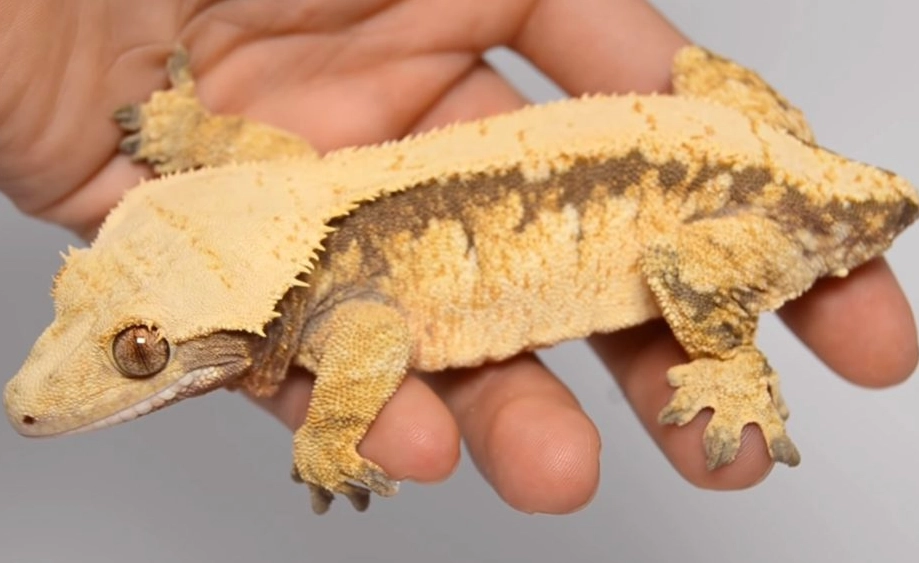
Think of it like dog coats. All dogs are the same species, but a Labrador's coat genetics are different from a Dalmatian's. In cresties, breeders selectively pair geckos to strengthen and combine these genetic traits, creating stunning and sometimes extremely rare visual outcomes.
A quick note on terminology: You'll also hear the term "line bred." This often refers to a trait that isn't caused by a single, simple recessive gene (like an albino), but is instead intensified over many generations by selectively breeding animals that show the desired characteristic most strongly. Many of the rarest colors fall into this category.
What Makes a Crested Gecko Morph 'Rare'?
Rarity isn't just about a cool name. It's a combination of factors that make an animal exceptionally hard to find or produce.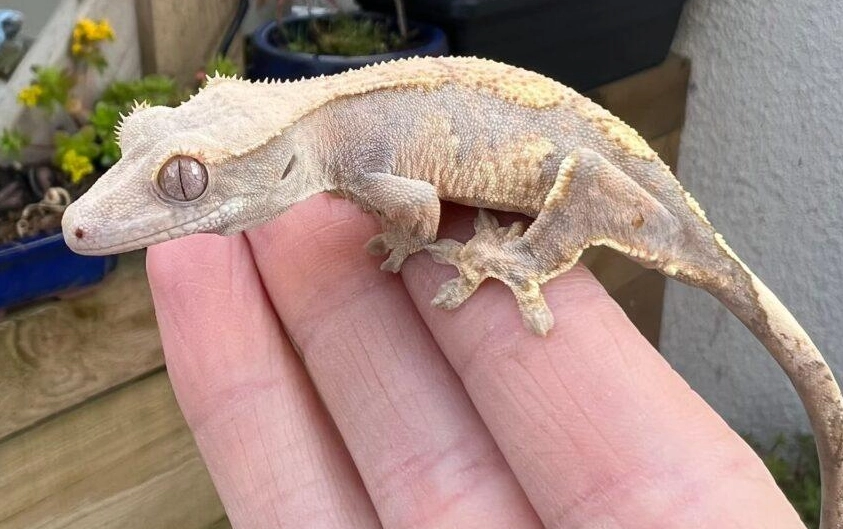
- Genetic Complexity: Some traits require multiple, specific genes to align. A morph might need both parents to carry a recessive gene, or express two dominant traits perfectly at the same time.
- Low Expression Rate: Even when you breed two geckos with the right genes, only a small percentage of the offspring might show the desired extreme version of the trait. You might get lots of "nice" babies, but only one or two "exceptional" ones.
- Breeder Secrecy & Bloodlines: The most sought-after animals often come from private, closed bloodlines. A breeder spends a decade perfecting a line and isn't keen on selling the best breeding stock, keeping the gene pool limited.
- High Demand, Low Supply: When something is visually stunning and known to be hard to produce, every serious collector wants one. A breeder might produce only 2-3 saleable animals of that quality per year.
So, rarity is a mix of biology, effort, and economics.
The Top Contenders for the Rarest Crested Gecko
Based on the factors above, here are the morphs that consistently sit at the top of the "most wanted" lists. This isn't just my opinion—it's what you see when you talk to longtime breeders and scour high-end listings.
| Morph Name | Key Characteristics | Why It's So Rare | Estimated Price Range (USD) | Rarity Level |
|---|---|---|---|---|
| Lavender Dalmatian | Pale, cool lavender base color with a high number of distinct, dark dalmatian spots. The lavender must be clean, not muddy or brownish. | Combines two line-bred traits (clean lavender & high spotting) that are difficult to stabilize. Getting intense color AND perfect spotting in one animal is a genetic jackpot. | $1,500 - $5,000+ | Ultra Rare |
| Extreme Harlequin Pin-stripe | Extremely high, bright lateral pattern (the "harlequin") that often seems to "drip" down the sides, combined with a flawless, raised pin-stripe dorsal pattern. | The "extreme" modifier means the pattern is maximized. Achieving both maximized pattern and a perfect pin-stripe structure in the same gecko is uncommon. Many have one trait stronger than the other. | $800 - $2,500 | Very Rare |
| Moonglow / White Out | An almost entirely white or cream gecko with minimal pattern, sometimes with a faint yellow or pink blush. Eyes are typically dark. | Result of intense line breeding for reduced pattern and high contrast. True, clean "white outs" with no freckling or dirty marks are rare productions from specific pairings. | $700 - $2,000 | Very Rare |
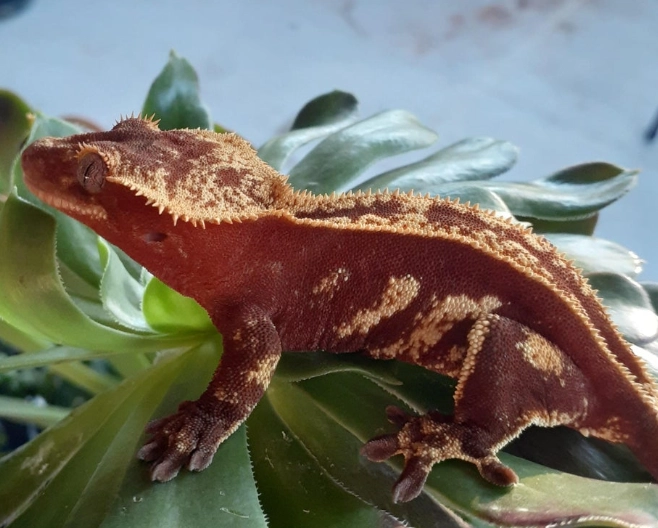
| Patternless with Extreme Color | No dorsal or lateral pattern, just a solid, blazing color—like bright red, orange, or yellow. | Patternless is a genetic trait, but pairing it with a vibrant, line-bred color is tricky. Often, patternless animals have more muted colors. A fire-engine red with no pattern is a standout. | $600 - $1,800 | Very Rare |
The Lavender Dalmatian: The Crown Jewel
Let's focus on the champion. The lavender dalmatian isn't just a gecko with some purple hue and a few spots. The standard is brutally high.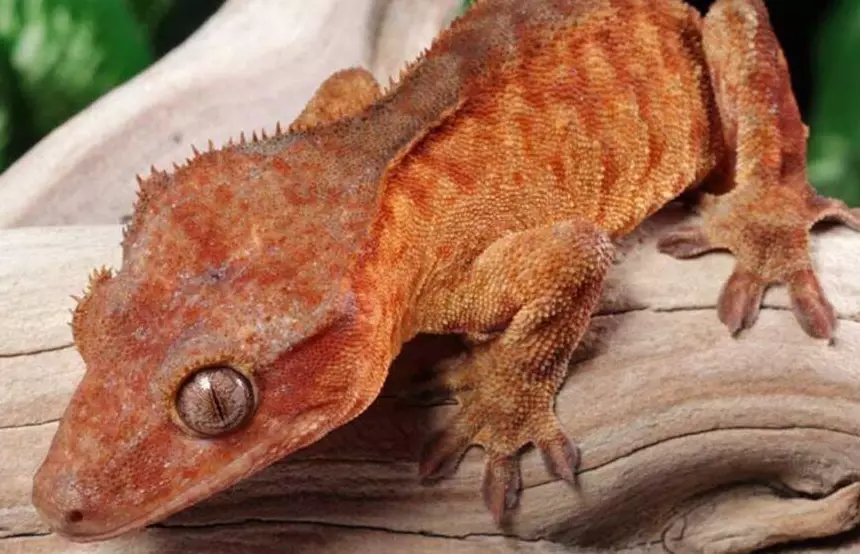
A top-tier example will have a base color that looks like a pale lilac or wisteria bloom—cool-toned, not warm. It should be consistent across the body. Then, you want dalmatian spots. Not just a few, but a high count of well-defined, almost perfectly round black spots distributed evenly. The contrast between the pale lavender and the black spots is what creates the "wow" factor.
I've seen breeders hatch hundreds of babies from lavender and dalmatian pairings. Most will be nice. Some will be good lavender with few spots. Some will be heavily spotted but on a brownish base. The animal that hits both marks perfectly might appear once a season, if that. That's the source of its rarity and price tag. When one pops up from a reputable breeder, it's often sold within hours.
How to Find a Rare Crested Gecko (Without Getting Scammed)
Okay, you're hooked. You want to hunt for a rare morph. This is where you need to switch from enthusiast mode to detective mode. The market for high-end reptiles has its share of pitfalls.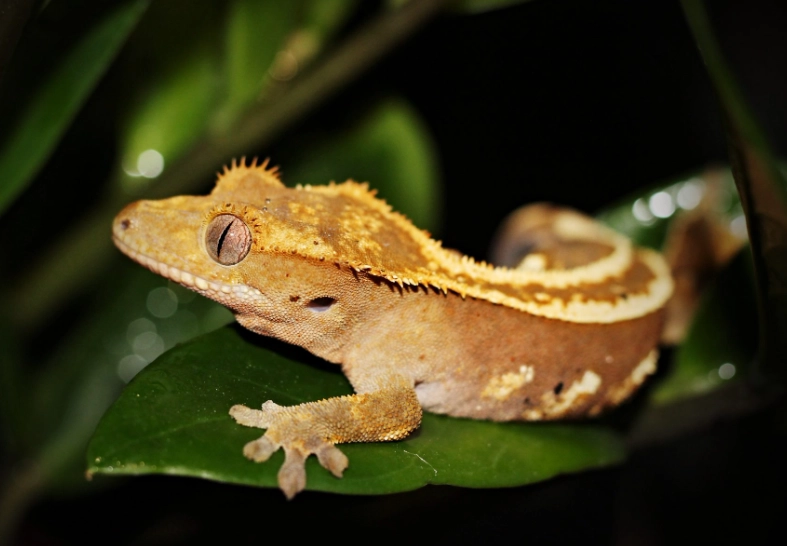
Forget general pet stores. You won't find them there. Your hunting grounds are:
- Reputable Breeder Websites & Social Media: Find breeders with long-standing reputations. Look for ones who are transparent about their breeding projects, show parent photos, and have a history of positive customer feedback. Sources like the MorphMarket platform aggregate many breeders and include review systems.
- Reptile Expos: Major shows are your best bet to see animals in person. You can assess color and health directly, and talk to the breeder face-to-face. Be prepared for competition; the best animals sell fast.
Red Flags to Avoid:
I learned this the hard way years ago. A seller advertised a "rare lily white" with a single, gorgeous photo. The price was suspiciously low. I asked for more pictures—different angles, a video. Excuses followed. I passed. A friend didn't. The gecko he received was a dull, patternless animal under poor lighting, not a white-out. The photo was heavily edited.
Always, always ask for multiple current photos (including the belly and tail) and a short video of the gecko moving. A legitimate breeder will provide them gladly. Be wary of sellers who only use flashy, filtered glamour shots. Ask about the gecko's lineage, feeding history, and if they offer any health guarantee. Reputable sellers often do.
The Real Challenges of Owning a Rare Morph
Here's the part many new collectors gloss over. A $2,000 crested gecko doesn't need a $2,000 enclosure. Its care is identical to a $50 pet-quality gecko: appropriate temperature (72-78°F), humidity (60-80% with a drop at night), a well-planted terrarium, and a diet of commercial crested gecko food like Pangea or Repashy, supplemented with insects.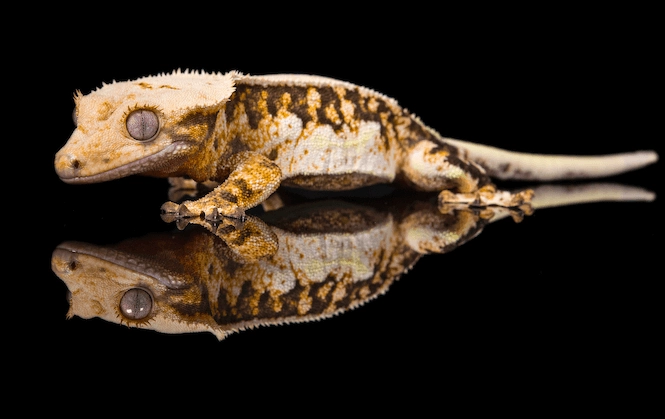
The challenge is psychological and financial.
You're not just caring for a pet; you're a custodian of a significant financial investment and a piece of living genetics. This can create anxiety. Every skipped meal or odd behavior sends you into a spiral. You'll likely schedule a vet check-up with a reptile specialist (find one through the Association of Reptilian and Amphibian Veterinarians) soon after purchase just for peace of mind, adding to the cost.
The other challenge is the breeding temptation. You think, "I have this amazing animal, I should breed it!" Unless you fully understand the genetics, have a proven mate, and are prepared to house and care for potentially dozens of babies (most of which will not look like the parent), this is a bad idea. Breeding rare morphs to preserve quality is a science. Breeding them hoping to make money is a fast way to dilute rare lines and lose a lot of cash.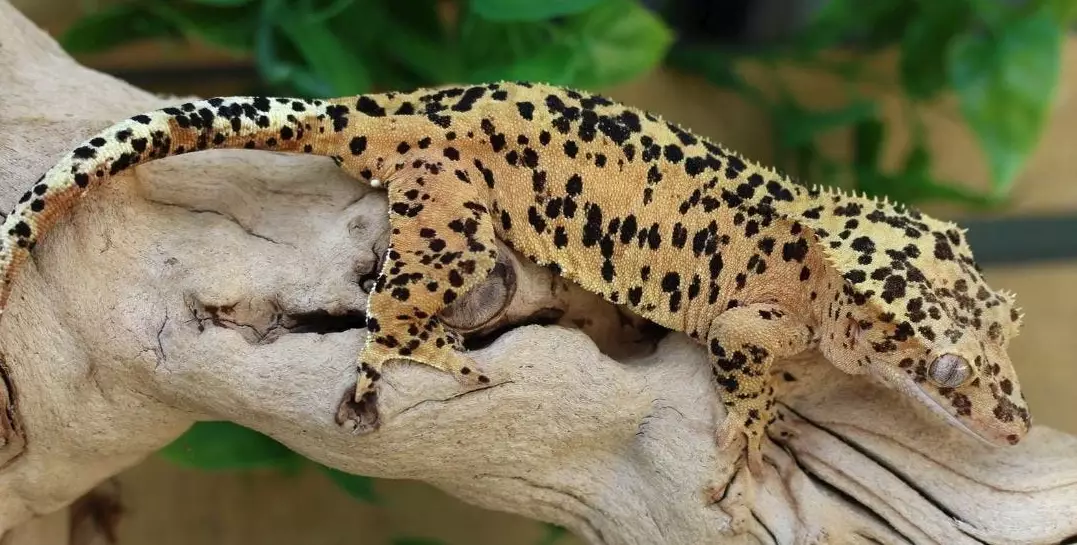
Your Questions on Rare Crested Geckos Answered
What is the single rarest crested gecko morph in existence?
The lavender dalmatian is widely considered the holy grail. It combines two difficult traits: a clean, pale lavender base color and a high number of perfectly formed, dark dalmatian spots. Finding one with intense color and ideal spotting is incredibly rare, often resulting from specific pairings and a dose of luck.
How can I avoid scams when trying to buy a rare crested gecko online?
Always ask for multiple current photos and a video of the gecko moving. Reputable breeders provide a detailed health history and lineage info. Be wary of prices that seem too good to be true. Use established platforms like MorphMarket where sellers have reviews. Never complete a transaction outside of a secure payment system that offers buyer protection.
Is a rare morph more difficult or expensive to care for than a normal one?
The care requirements are identical—same temperature, humidity, and diet. The expense is almost entirely upfront in the purchase price. However, the indirect cost is vigilance. You may spend more on vet check-ups initially for peace of mind, and replacing a rare animal if something happens is a much greater financial loss.
Can I breed my crested gecko to try and create a rare morph?
You can, but it's a genetic lottery without guarantees. Producing something like a true lavender dalmatian requires starting with parents that already carry and visually express those specific genes. For a beginner, it's a long, expensive project with low odds. Most ultra-rare morphs come from dedicated breeders who have spent years refining their bloodlines.
Chasing the rarest crested gecko is a fascinating part of the hobby. It blends art, science, and a bit of treasure hunting. Whether your goal is to own a living jewel like the lavender dalmatian or simply to appreciate the genetics behind them, understanding what makes these animals truly rare is the first step. Remember, rarity doesn't equal better health or personality. The most important thing is to source your gecko—rare or common—from a breeder who prioritizes the animal's well-being above all else. That's a trait that will never go out of style.
Reader Comments