Yes, pink leopard geckos are absolutely real. They're not a myth, a Photoshop creation, or an animal that's been dyed. The vibrant pink, coral, and blush hues you see in photos come from careful, selective breeding of specific genetic traits over many generations. If you've stumbled across an image of one and thought it looked too good to be true, I get it. I remember the first time I saw a "Blushing" morph—I was convinced someone had tampered with the photo. But in person, the soft pink tones are even more striking.
What's Inside This Guide
The Genetics Behind the Pink Color
Let's cut straight to the science. Leopard geckos don't have pink pigment cells. The pink appearance is a visual trick caused by the absence or reduction of darker pigments, allowing the underlying skin coloration and blood vessels to show through. It's similar to how our skin looks pink.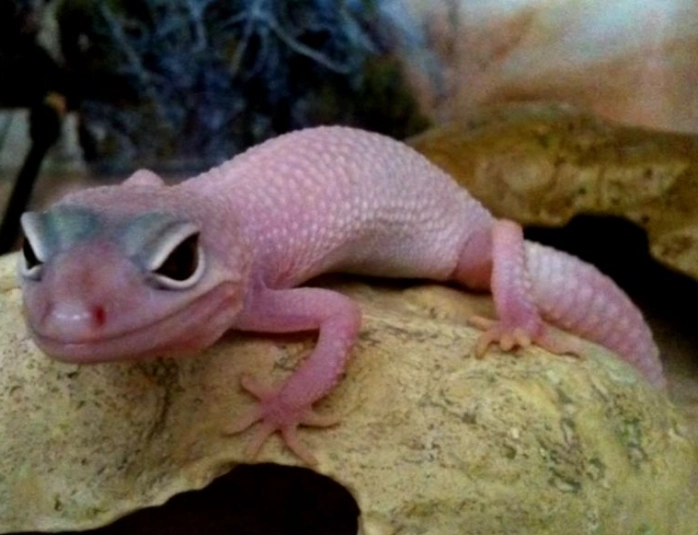
The two main genetic players are:
- Albinism (Tremper, Bell, or Rainwater strains): This removes black melanin. An albino gecko's body can range from yellow to tangerine, but when combined with other genes, it creates a clean canvas where pinkish tones become dominant.
- Hypomelanism: This reduces black melanin but doesn't eliminate it entirely. A "Hypo" gecko has fewer black spots, making the base color—which can be a pinkish tan or peach—much more visible.
Breeders then layer on other traits like "Patternless" or "Murphy Patternless" to remove disruptive markings, and "Carrot Tail" genes that can influence tail and body color. The most intense pinks often come from lines bred specifically for "color saturation" over decades. I've spoken to breeders who track lineages back 15 years just to perfect a specific shade of coral.
A quick note on lighting: The pinkest geckos often look their best under full-spectrum or LED lights that enhance red tones. In dim room light, that brilliant pink might look more like a pale peach. It's not a scam—it's just how light works. Always ask a breeder for photos in natural daylight.
Types of Pink Leopard Gecko Morphs
Not all pink geckos are the same. The market has specific names for these color variations, and knowing them helps you understand what you're really buying (and why prices vary wildly).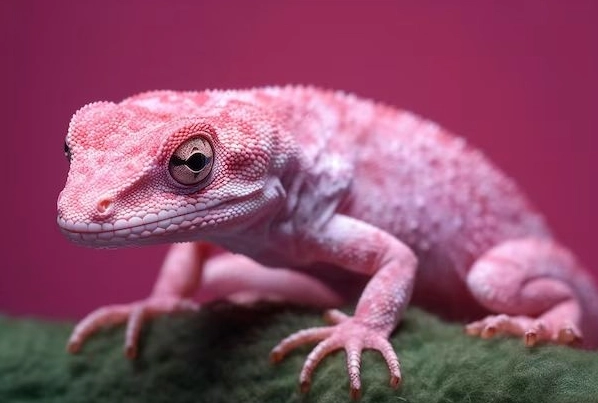
| Morph Name | Key Characteristics | Genetic Basis | Price Range (Approx.) |
|---|---|---|---|
| Blizzard (Pink Line) | Solid, patternless body. Pink lines are bred to have a consistent lavender-pink hue, often with a white or pale yellow head. | Patternless gene, selectively bred for color. | $150 - $400 |
| "Pink" or "Coral" Albino (e.g., Tremper Albino) | A clean albino with intense pink, orange, and coral coloring. Very little yellow. Eyes are red or pink. | Tremper Albino + selective breeding for high red/pink saturation. | $200 - $600+ |
| Hypo (Hypomelanistic) Tangerine | Reduced black spots, with a strong tangerine or peach base that reads as pinkish-orange. Tail is often bright. | Hypomelanism + Tangerine line breeding. | $100 - $300 |
| Diablo Blanco | Extremely bright. A combination of Albino, Patternless, and Blizzard genes. Can be stark white with pinkish tones or vivid pink-orange. | Super complex (Albino + Patternless + Blizzard). | $400 - $1,000+ |
| "Pink" Murphy Patternless | Starts life with patterns that fade completely. Adults are a uniform pale pink, peach, or lavender color. | Murphy Patternless gene, color-selected lines. | $250 - $500 |
Here's the insider detail most care sheets won't tell you: The term "Pink" itself isn't a standardized genetic label. One breeder's "Pink Blizzard" might be another's "Lavender Blizzard." Always ask for specific photos of the parents and the exact genetic combo (e.g., "Tremper Albino Het for Patternless") rather than just relying on the color name.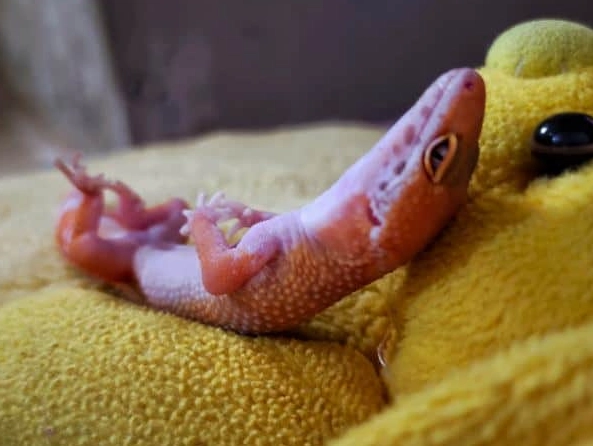
Finding and Buying a Pink Leopard Gecko
You won't find a true, high-quality pink morph at a standard chain pet store. Their leopard geckos are typically "High Yellow" or "Normal" wild types. To get a pink one, you need to go to specialist breeders.
Where to Look
- Reputable Online Breeders: Sites like MorphMarket are the industry hub. Filter by "Color - Pink" or search for specific morph names. Scrutinize seller reviews.
- Reptile Expos: This is your best bet to see the color in person before buying. You can talk directly to the breeder about the gecko's lineage and care.
- Dedicated Breeder Websites: Many top breeders sell primarily through their own sites or social media (Instagram, Facebook).
The Price Reality Check
A common shock for newcomers is the cost. While a normal leopard gecko costs $40-$60, pink morphs start around $150 and easily go into the $500-$1000 range for rare, high-color specimens. You're paying for years of selective breeding work. If a price seems "too good to be true" for a vibrant pink gecko, it often is—the animal might be sick, misrepresented, or from poor genetic stock.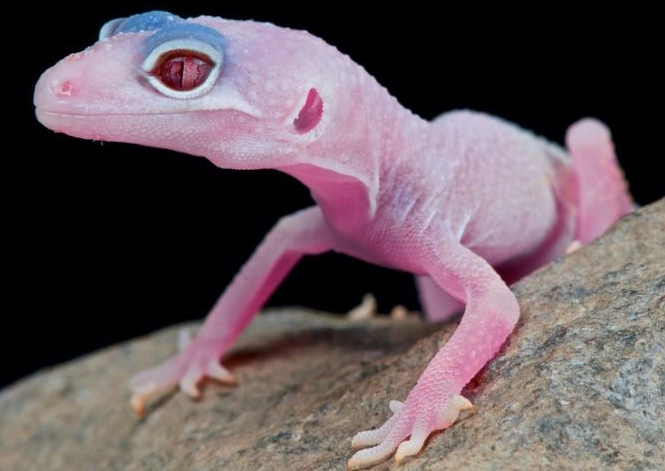
Health Checks Before You Buy
Regardless of color, the rules are the same. Look for clear, bright eyes, a plump tail (fat storage), no visible ribs or hip bones, and alert behavior. Ask the breeder about their feeding schedule and parasite screening. A good breeder will happily provide this info.
Care Guide: Is It Different?
Here's the good news: caring for a pink leopard gecko is identical to caring for any other leopard gecko morph. Their genetics affect color, not their fundamental needs.
However, there is one critical exception related to albinism.
If your pink gecko is an albino morph (which many are), its eyes are more sensitive to bright light. Using a very intense bright white or colored heat lamp can cause discomfort and stress. I've seen albinos constantly hiding or squinting under harsh lighting.
My recommendation: Use a Deep Heat Projector (DHP) or a Ceramic Heat Emitter (CHE) for 24/7 heat. These provide warmth without producing bright light. You can then use a separate, gentle LED or low-output UVB light on a timer for a day/night cycle if desired. Avoid "black light" or blue daytime bulbs.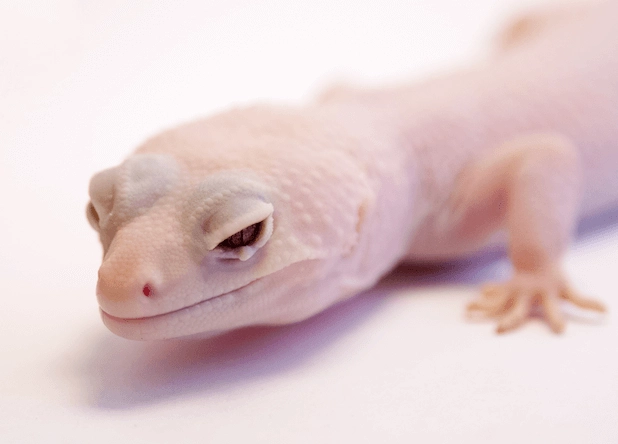
Other than that, the standard care applies:
- Enclosure: 20-gallon long tank minimum for one adult.
- Temperature: 88-92°F (31-33°C) on the warm end, 70-75°F (21-24°C) on the cool end.
- Substrate: Paper towel, tile, or a reputable reptile carpet. Avoid loose sand, especially for juveniles.
- Diet: Gut-loaded insects (crickets, dubia roaches, mealworms). Dust with calcium and vitamins.
Common Misconceptions Debunked
Let's clear up some confusion that circulates online.
"They're a separate species." No. They are the same species, Eublepharis macularius, just with different color genes.
"They stay pink forever." Not always. Some, like certain Hypo Tang lines, can become more orange or yellow as they mature. The "pink" Murphy Patternless often deepens into a peach color. Ask your breeder about color stability with age.
"You can feed them something to make them pinker." This is a total myth. Color comes from genetics, not diet. However, a healthy, well-fed gecko will always show its colors better than a malnourished one. Proper care brings out the vibrancy.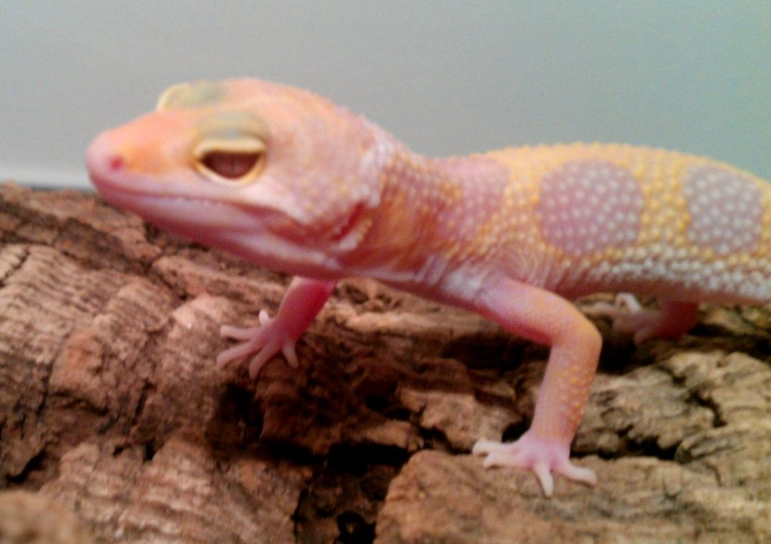
Your Questions, Answered by Breeders
Can I find a genuinely pink leopard gecko at a regular pet store?
Almost never. Chain stores source from large-scale wholesalers focused on volume, not rare color morphs. The closest you might see is a pale "Hypo" gecko. For true pink, coral, or lavender hues, you need a specialist breeder.
Are pink leopard geckos more fragile or prone to health issues than normal-colored ones?
No, the color genes themselves don't cause health problems. However, because many pink morphs involve albinism, you must be mindful of their light sensitivity, as mentioned. The real risk comes from irresponsible breeding. Reputable breeders avoid pairing animals with known genetic issues, while "color mills" might not. Health is about the breeder's ethics, not the color.
I want a baby gecko that will stay pink. Which morph is my best bet?
For predictable color stability, look at the Pink Line Blizzard or a Diablo Blanco. Their lack of pattern and specific genetics tend to hold the pink/lavender tones well into adulthood. Always, and I mean always, ask the breeder for pictures of the gecko's siblings from previous clutches as adults. That's the only real crystal ball.
How much should I budget for my first pink leopard gecko setup?
Break it down. The gecko itself: $150-$400. The enclosure and basic decor (hides, dishes): $100-$200. The heating/lighting setup (thermostat is non-negotiable!): $80-$150. Initial food/supplements: $30-$50. So, a realistic total startup cost is between $360 and $800. Don't spend all your money on the animal and skimp on its home.
Is breeding pink leopard geckos a good way to make money?
It's a terrible "get rich quick" plan but can be a rewarding hobby for the incredibly patient. Breeding requires years of learning genetics, significant upfront investment in quality breeding stock, and ongoing costs for housing and food. The market for top-tier pink morphs is competitive. Most breeders I know do it for love of the animals, not profit. If you're interested, start by keeping and understanding them as pets for a few years first.
So, are pink leopard geckos real? Absolutely. They're a fascinating example of what selective reptile breeding can achieve. They require the same solid care as any leopard gecko, with just a bit of extra attention to their lighting needs if they're albino. Do your homework, find a breeder who knows their genetics, and you can bring home a truly stunning, naturally pink pet.
Reader Comments