Let's be honest, the first thing that grabs you about ball pythons isn't their calm demeanor—it's the mind-blowing variety of colors and patterns. One look at a shimmering Blue-Eyed Leucistic or a stark black-and-white Pied, and you're hooked. This explosion of variety is thanks to ball python morphs, genetic variations that alter their appearance. But after breeding them for over a decade, I've learned it's a world far deeper than a beauty contest. It's a fascinating mix of genetics, animal care, and sometimes, hefty price tags. This guide is for anyone who's ever wondered what creates these living artworks, how to care for them properly, and whether diving into breeding is right for you.
Your Roadmap to Ball Python Morphs
What Exactly Are Ball Python Morphs? (It's Not Magic)
A "morph" is simply a ball python that looks different from the wild-type, or "normal." These differences are caused by genetic mutations that affect skin pigmentation and scale patterning. It's not a different species or subspecies—it's the same Python regius, just wearing a spectacular genetic coat. The term "morph" encompasses everything from single-gene changes, like the classic Albino, to complex multi-gene combinations worth thousands of dollars. The hobby took off in the 1990s, and now, thanks to dedicated breeders, we have hundreds of identifiable morphs. The resource at World of Ball Pythons maintains a massive database that is the community's unofficial bible for tracking them.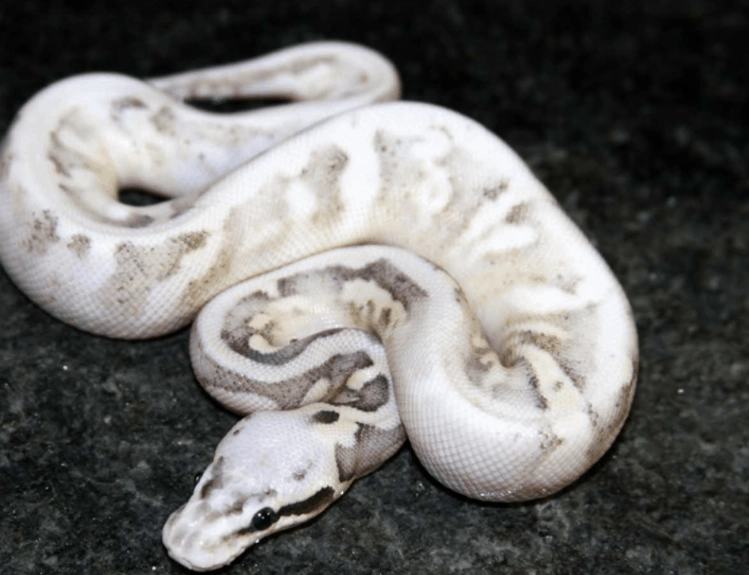
The Simple Genetics Behind the Magic
You don't need a biology degree, but understanding a few terms will save you money and confusion. Most morph traits are inherited in predictable ways.
Recessive vs. Co-Dominant vs. Dominant
This is the core of it. A recessive morph (like Albino) needs two copies of the gene—one from each parent—to be visible. If a snake has only one copy, it looks normal but carries the gene secretly; we call this a "het" (heterozygous). A co-dominant morph (like Pastel) shows a distinct look even with just one copy. If it has two copies ("super" form), the look often intensifies or changes. True dominant traits are rare in ball pythons.
The Big Mistake New Breeders Make
Here's a specific, non-consensus point I see all the time: people obsess over the visual morph but completely neglect the underlying health and vigor of the breeding stock. You can have a stunning, genetically complex female who is a chronically poor feeder. Breeding her will be a nightmare, and she may not produce robust offspring. The flashiest genes are worthless if the animal itself isn't a hardy, proven feeder. Always prioritize the animal's health and temperament over its morph combination, especially when starting out.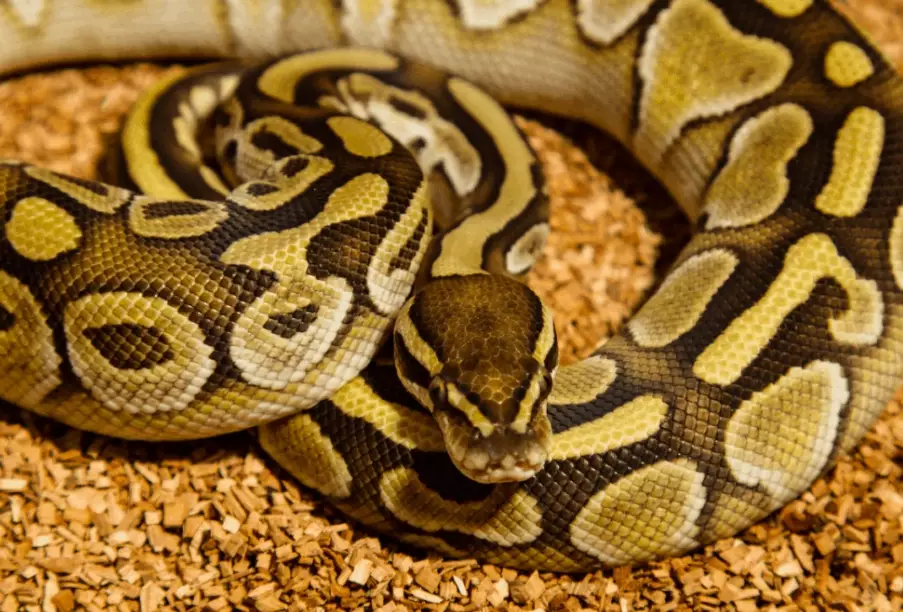
Pro Tip: Before any breeding project, use an online genetic calculator (like the one on World of Ball Pythons). Plug in the morphs of your potential pair, and it will show all possible outcomes and odds. It prevents disappointing surprises.
A Look at Some of the Most Sought-After Morphs
Prices can range from $50 to over $50,000. This table breaks down a few foundational and popular morphs to give you a sense of the landscape.
| Morph Name | Genetic Type | Key Visual Traits | Notes & Why It's Popular |
|---|---|---|---|
| Albino | Recessive | Lack of black pigment, resulting in yellow and white scales with pink/red eyes. | The classic. It's a cornerstone gene that combines beautifully with almost anything, creating brighter, cleaner versions of other morphs. |
| Piebald (Pied) | Recessive | Large, random patches of pure white skin on a normal-colored background. | Each Pied is uniquely patterned. Highly sought-after for its striking, high-contrast look. The amount of white can vary dramatically. |
| Pastel | Co-Dominant | Brightened yellows, reduced black, blushing (faded markings) along the back, often greenish eyes. | A "starter" morph for breeders. Inexpensive, hardy, and a key ingredient for creating brighter, more colorful combos. The "Super Pastel" (two copies) is even more vibrant. |
| Pinstripe | Co-Dominant | Extremely reduced pattern, leaving a thin "pinstripe" dorsal line and clean, unmarked sides. | Prized for its ability to clean up and simplify the pattern of other morphs in combinations. Creates sleek, modern looks. |
| Blue-Eyed Leucistic (BEL) | Super Form (Co-Dom Combo) | Entirely pure white snake with brilliant blue eyes. | This is not a single gene. It's the result of combining two specific co-dominant genes (like Mojave x Mojave, or Lesser x Mojave). The ultimate "white whale" for many, representing breeding achievement. |
| Banana / Coral Glow | Co-Dominant | Base color of purplish-brown with bright yellow/orange speckling and blushing. | Famous for its "clutch color" variation—each hatchling can have a unique amount of speckling. Males often produce more speckles as they age. |
The real magic happens in combinations. A "Butter" (a type of Albino) combined with a "Mojave" creates a gorgeous, high-contrast animal. Breed that animal to a "Pinstripe," and you might get something entirely new and unnamed. This combinatorial potential is what drives the hobby forward.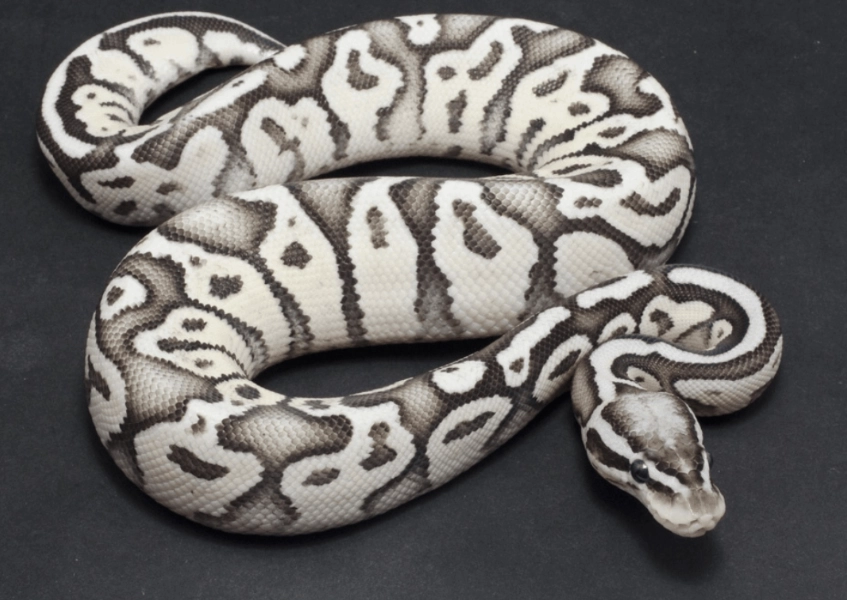
How to Choose Your First Ball Python Morph
That Pastel Enchi Butter Spider (yes, that's a real combo) might look incredible online, but is it the right first snake? Probably not.
Start simple. A single-gene morph like a Pastel, a Fire, or a Mojave will be more affordable, often hardier, and just as handleable as a normal. You get the thrill of owning something unique without the potential complications or price tag of a complex animal. More importantly, you learn to care for a ball python without the pressure of a huge investment.
Where you buy matters immensely. Avoid big-chain pet stores for morphs. Seek out reputable breeders at reptile expos or with established online presence. A good breeder will provide the snake's hatch date, feeding history, and exact genetics. They should be responsive to questions. I've had far better luck buying from a breeder who proudly shows off their clean, organized rack systems than from someone with just a flashy website.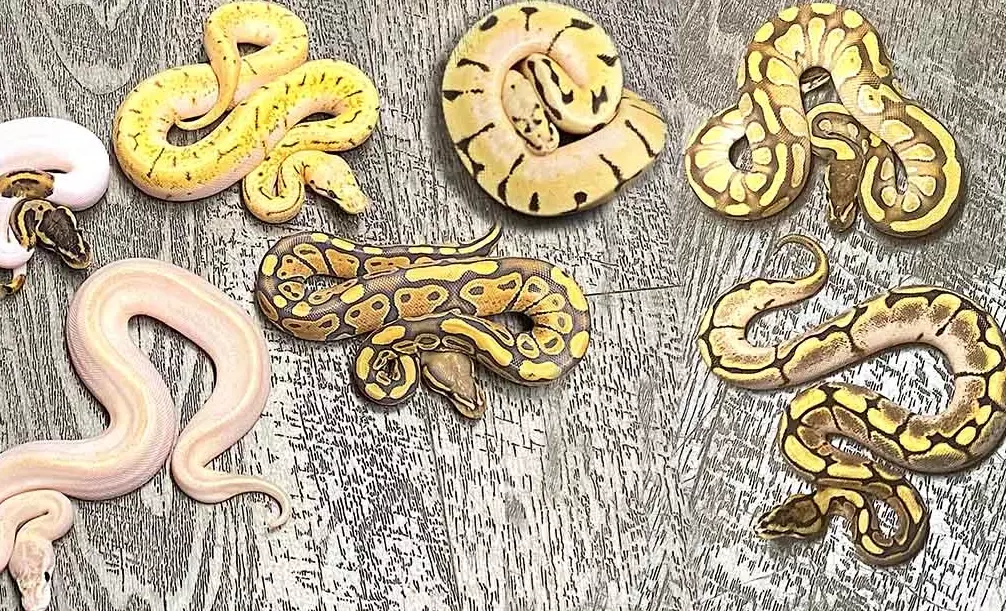
Special Care Considerations for Morphs
Most care is identical to a normal ball python: a secure enclosure (40-gallon breeder minimum for adults), proper heat gradient (88-92°F hot side, 78-80°F cool side), humidity around 60%, and hides. However, some morphs have specific needs.
The Spider Gene Controversy
This is the elephant in the room. The Spider morph gene is linked to a neurological condition known as the "wobble." Affected snakes may have a corkscrewing head tremor, difficulty striking, or issues with orientation. The severity varies widely. Some eat and breed fine; others struggle. Many ethical breeders have moved away from producing Spiders due to welfare concerns. As a buyer, you need to be aware of this. If you consider a Spider or a combo containing it, ask the breeder for a video of the specific animal feeding and moving normally.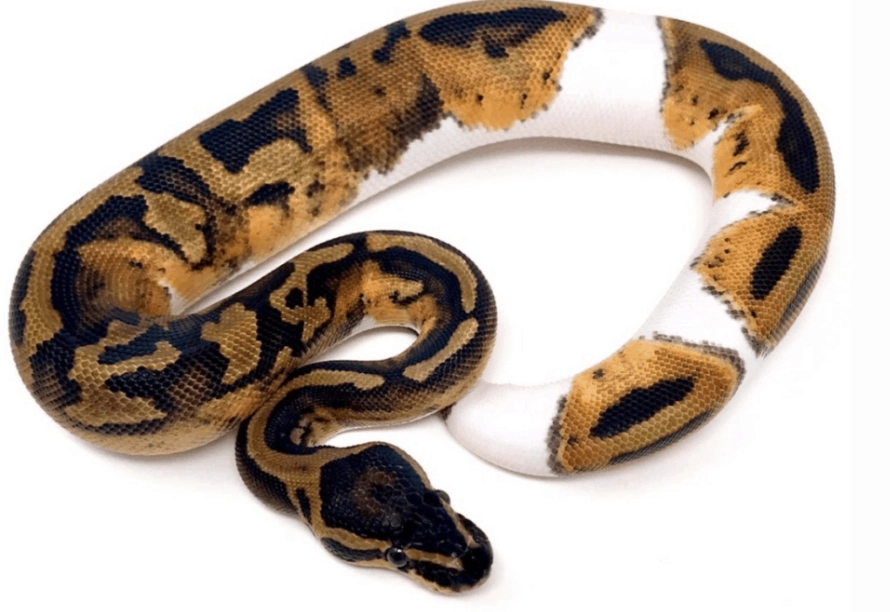
Light-Sensitive Morphs
Albinos and other amelanistic (lacking black pigment) snakes have eyes that are more sensitive to bright light. It's a good practice to provide them with more shaded areas and avoid excessively bright enclosure lighting. They do perfectly fine with standard day/night cycles, just don't blast them with a spotlight.
Thinking About Breeding Ball Python Morphs?
Breeding is not a get-rich-quick scheme. It's a significant commitment of time, space, and money. You need quality adult animals (at least 3 years old, 1500 grams for females), separate enclosures, incubators, and a plan for hatchlings that don't sell immediately.
The market is saturated with common single-gene morphs. Your Pastel x Pastel clutch might yield some Super Pastels, but they may only sell for $50 each—barely covering the cost of mice and electricity. The real potential (and risk) is in producing novel combinations or acquiring proven breeders of rarer morphs.
My advice? Keep your first breeding project small and educational. Pair two healthy, single-gene co-dominant morphs. The goal isn't profit, but to learn the cycle: cooling (brumation), introductions, ovulation, egg-laying, and incubation. The US Association of Reptile Keepers (USARK) provides responsible keeping and breeding resources that align with best practices.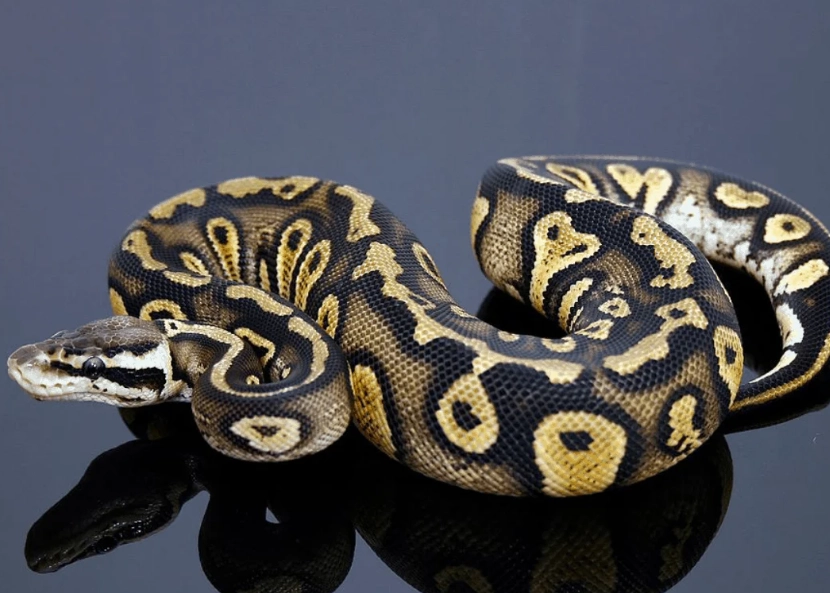
Your Burning Questions, Answered
The world of ball python morphs is a deep, rewarding hobby that blends art, science, and animal care. Start slow, prioritize the animal's wellbeing over its looks, and connect with the community. There's nothing quite like the excitement of opening an incubator to see what new combination of colors and patterns you've helped create—or simply enjoying the trust of a beautiful, unique pet you've raised well.
Reader Comments