If you're wondering what a blizzard leopard gecko is, let me give it to you straight. It's a stunning, all-white morph of the common leopard gecko, but there's a lot more under the surface. I've been keeping leopard geckos for over ten years, and the blizzard morph has always fascinated me—not just for its looks, but for the myths and mistakes that surround it. In this guide, I'll walk you through the real deal, from genetics to daily care, without the fluff you find on generic pet sites.
Jump to What Matters
What Is a Blizzard Leopard Gecko?
The blizzard leopard gecko is a color morph of the leopard gecko species, scientifically known as Eublepharis macularius. It first popped up in the reptile breeding scene in the 1990s, and the name "blizzard" comes from its solid, patternless appearance—think of a snowy landscape. Genetically, it's a recessive trait, meaning both parents need to carry the gene to produce blizzard babies. Unlike some fancy morphs, blizzards aren't a separate species; they're just leopard geckos with a unique coat.
From a pet perspective, they're as hardy as the standard yellow-and-black leopard geckos, but I've seen new owners treat them like fragile porcelain. That's a mistake. They have the same basic needs, but there are subtle differences, especially in lighting and handling, that I'll get into later. According to the International Herpetological Society, leopard gecko morphs like the blizzard have gained popularity due to selective breeding, but care standards remain consistent across morphs.
Appearance and Color Variations
Blizzard leopard geckos are all about that clean, uniform look. They typically range from pure white to light gray, sometimes with a hint of yellow or pink. As they age, a few might develop faint patterns, but true blizzards stay mostly patternless. Their eyes can be dark or, in sub-morphs like blizzard eclipse, solid black, which adds to their striking appearance.
Here's a breakdown of common blizzard variations:
- Standard Blizzard: Solid white or gray, no spots or bands. This is the classic look that most people recognize.
- Blizzard Albino: Combines the blizzard gene with albinism, resulting in a pinkish-white body and red eyes. These are rarer and can be more sensitive to light.
- Blizzard Eclipse: Features solid black eyes due to the eclipse gene. I had one of these, and while it looked amazing, feeding was tricky because they're more light-sensitive—I had to use dim lighting during meal times.
One thing I've noticed: blizzards don't change color much with mood or temperature, unlike some reptiles. Their color stays pretty consistent, which is great for owners who want a predictable look.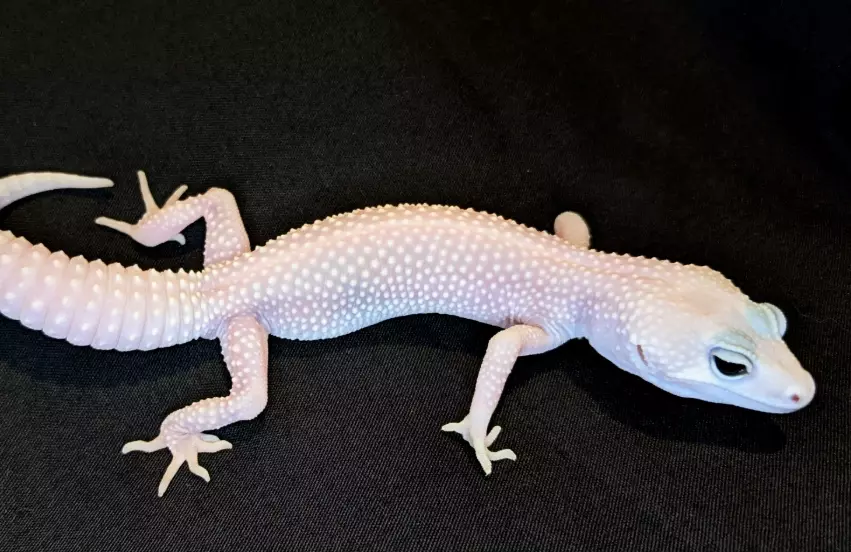
How to Care for Your Blizzard Leopard Gecko
Caring for a blizzard leopard gecko isn't hard, but skipping details can lead to big problems. Based on my experience, here's a step-by-step guide that covers the essentials.
Setting Up the Habitat
A 20-gallon tank is perfect for one adult blizzard gecko. Go bigger if you can—they appreciate the space. For substrate, I recommend reptile carpet or paper towels. Avoid sand at all costs; it can cause impaction if ingested, and I've seen too many cases where new owners ignore this, leading to vet visits. Add at least two hides: one on the warm side and one on the cool side, plus a moist hide for shedding. The moist hide can be a simple plastic container with damp sphagnum moss.
Temperature is critical. The warm side should be 88-92°F, and the cool side 75-80°F. Use an under-tank heater with a thermostat—never rely on heat lamps alone, as they can dry out the tank. A common mistake I made early on: placing the heater without a thermostat, which spiked temperatures and stressed my gecko. Now, I always use a digital thermometer to monitor things.
Feeding and Diet Tips
Blizzard leopard geckos are insectivores. Feed them gut-loaded crickets, mealworms, or dubia roaches. Dust insects with calcium powder twice a week and a multivitamin once a week. Juveniles need daily feeding, while adults can eat every other day. Portion size? Offer as many insects as they can eat in 10-15 minutes.
From my experience, blizzards can be picky. I had one that refused mealworms but devoured crickets. If yours is a finicky eater, try different insects or adjust feeding times—early evening works best since they're crepuscular. Also, always provide a shallow water dish with fresh water. Change it daily to prevent bacteria buildup.
Lighting and Handling
Leopard geckos don't require UVB lighting, but providing low-level UVB (2-5%) can boost calcium absorption and overall health. For blizzards, since their light color might make them more sensitive, use a low-output bulb and ensure there are shaded areas. Handle them gently, supporting their whole body. Start with short sessions to build trust. My first blizzard was skittish for weeks, but with patience, it became calm and even climbed onto my hand voluntarily.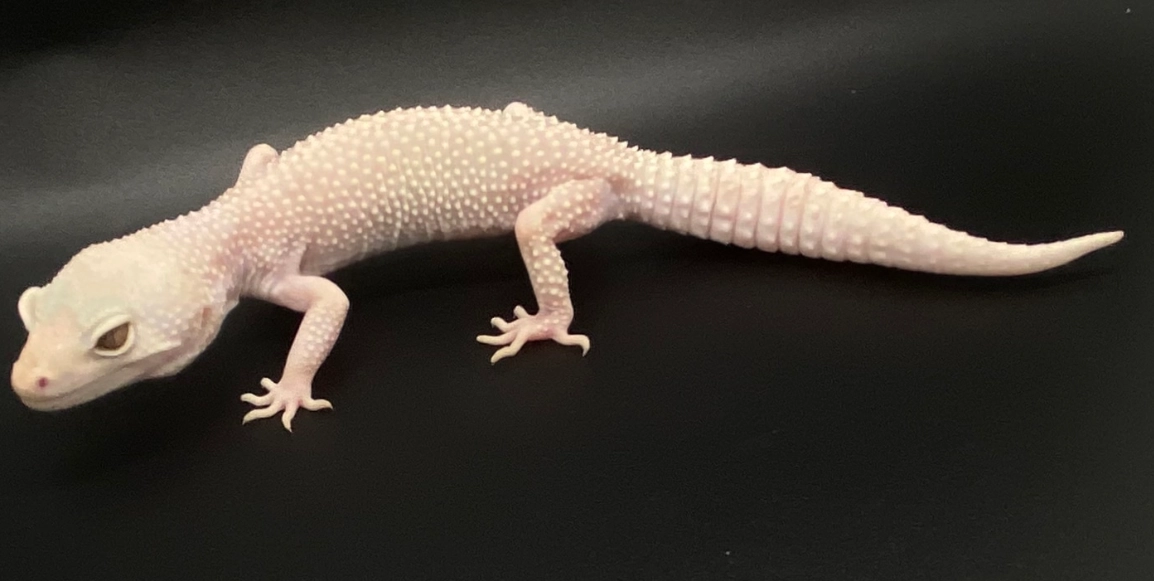
Common Health Issues and Prevention
Blizzard leopard geckos share the same health risks as other leopard geckos, but their appearance can sometimes mask issues. Here are the big ones to watch for:
- Metabolic Bone Disease (MBD): Caused by calcium deficiency. Symptoms include soft jaws, lethargy, and deformities. Prevent it by proper supplementation and, if possible, UVB lighting. According to the Association of Reptile and Amphibian Veterinarians, MBD is one of the most common reptile ailments, often due to poor diet.
- Impaction: From eating substrate or large insects. Signs are loss of appetite and bloating. Use safe substrates and feed appropriately sized insects. I learned this the hard way when a gecko ingested sand—it required a vet trip and a lesson in substrate choice.
- Shedding Problems: Blizzards can have issues if humidity is too low. Ensure the moist hide is always available. If shed skin sticks, especially around toes, soak them in lukewarm water and gently remove it with a cotton swab.
- Tail Loss: They can drop their tails when stressed. If it happens, keep the wound clean and consult a vet. The tail regrows but may look stubby. My blizzard once dropped its tail during a tank move—now I handle with extra care during changes.
Regular vet check-ups are key. I take mine annually, and it's caught early issues like parasites. Don't wait until symptoms are severe.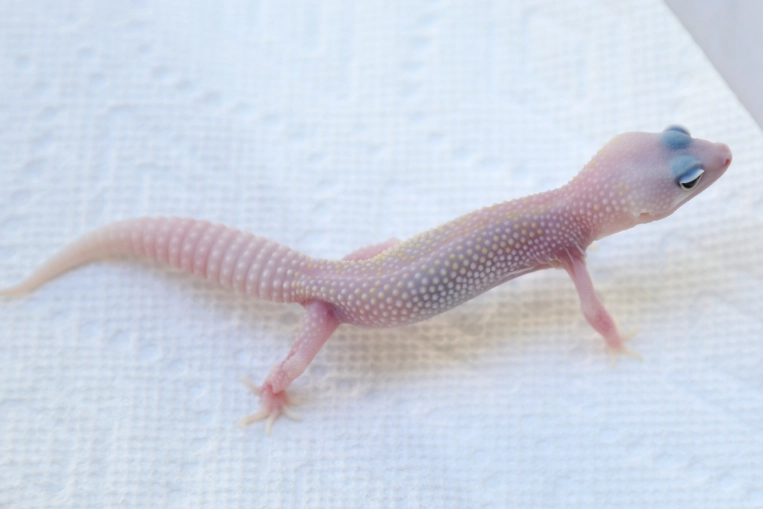
Blizzard vs. Other Leopard Gecko Morphs
How does the blizzard compare to other popular morphs? Here's a quick table to break it down based on price, care, and appearance.
| Morph | Appearance | Care Difficulty | Average Price (USD) | Good for Beginners? |
|---|---|---|---|---|
| Blizzard | Solid white/gray, no patterns | Easy | $50 - $150 | Yes, but watch for light sensitivity |
| Normal (Wild Type) | Yellow with black spots | Easy | $20 - $50 | Yes, very forgiving |
| Albino | Light color, red eyes | Easy | $40 - $100 | Yes, but avoid bright lights |
| Mack Snow | White with dark patterns | Easy | $60 - $200 | Yes, popular for contrast |
| Hypo Melanistic | Reduced black pigment | Easy | $70 - $180 | Yes, similar to normal |
Blizzards are on the pricier side due to their unique look, but care-wise, they're just as straightforward as normals. The main difference is that blizzards might need a bit more attention to lighting and handling because of their light color—they can stress easier in bright environments. From my view, if you're a beginner, start with a normal morph to get the basics down, but blizzards are fine if you're willing to learn the nuances.
Reader Comments