So you've decided a gecko is the perfect pet for you. Great choice. But now you're stuck between two of the most popular options: the charmingly chunky Fat-Tailed Gecko (*Hemitheconyx caudicinctus*) and the iconic, spotted Leopard Gecko (*Eublepharis macularius*). Online forums are full of opinions, but it often boils down to personal preference and your lifestyle. Having kept both for years, I can tell you the choice isn't as simple as "which one is cuter." It's about matching a living creature's needs to what you can consistently provide. Let's cut through the noise. If you're a complete beginner with zero reptile experience, the leopard gecko often has the edge. But if you're willing to manage one crucial environmental factor, the fat-tail might just steal your heart.
Your Quick Comparison Guide
Personality & Handling: Who's More Social?
This is where first impressions are made. You want a pet you can interact with, right?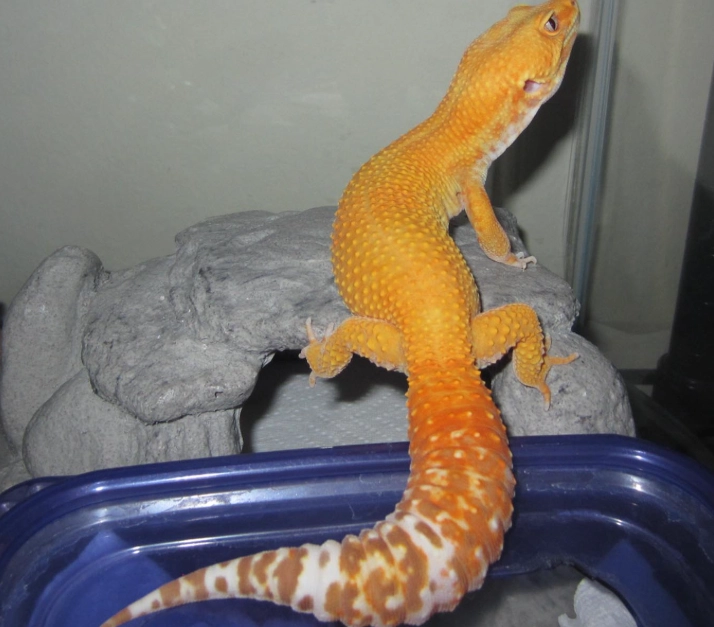
The Leopard Gecko: The Curious Explorer
Leopard geckos are often described as cat-like. They're inquisitive, especially during their crepuscular (dawn/dusk) activity periods. A well-socialized leopard gecko will often walk onto your hand willingly, peek out of its hide when you're near, and some even learn to recognize feeding time. Their tails, used for fat storage, are robust, which makes them feel a bit sturdier in hand. I've found juveniles can be a bit skittish, but with calm, regular handling, most mature into remarkably calm adults. They rarely bite, and if they do, it's more of a surprised "nip" than anything painful.
The Fat-Tailed Gecko: The Laid-Back Buddha
Fat-tailed geckos are the quintessential "pet rocks" in the best way possible. They are generally more sedentary, less likely to bolt, and have a profoundly calm aura. When handled, they often just sit in your palm, content to be warm. This isn't laziness; it's just their nature. However, they can be more defensive when startled. A scared fat-tail is more likely to raise its body, open its mouth in a threat display, or let out a surprising little squeak. This shyness means they often take longer to acclimate to handling. Once they trust you, though, they are incredibly gentle. Their tail is even fatter and softer than a leopard gecko's—it feels like a stress ball filled with pudding.
My fat-tail, Mortimer, took a good six months before he stopped hiding when I opened the tank. Now, he'll begrudgingly accept being picked up and will sit on my desk while I work. My leopard gecko, Vega, is at the glass within seconds if she thinks food is involved.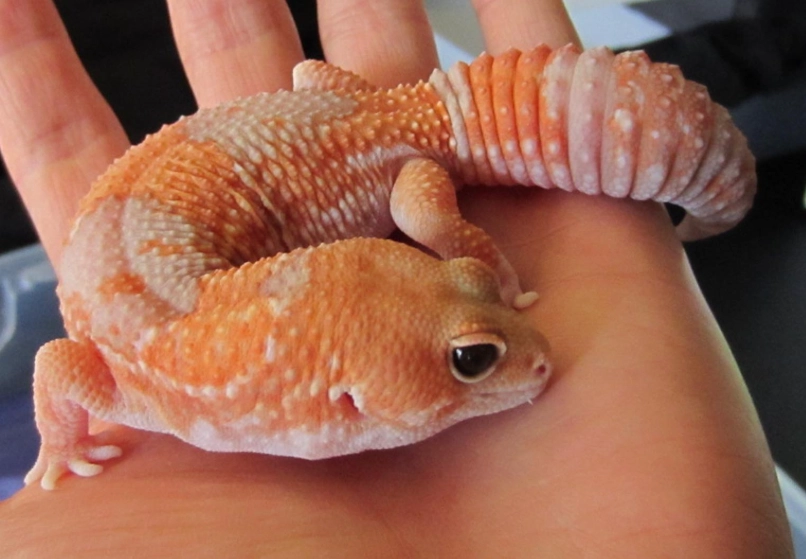
The Nitty-Gritty of Care Requirements
Here's where we separate casual interest from serious commitment. Both are considered beginner-friendly, but "beginner" in reptiles still means research.
| Trait | Fat-Tailed Gecko | Leopard Gecko |
|---|---|---|
| Native Habitat | West Africa (drier savannas, but with humid microclimates) | Afghanistan, Pakistan, Iran, India (arid, rocky grasslands) |
| Tank Size (Minimum) | 20-gallon long (30" x 12" x 12") for one adult | 20-gallon long (30" x 12" x 12") for one adult |
| Temperature (Basking) | 88-90°F (31-32°C) | 88-92°F (31-33°C) |
| Temperature (Cool Side) | 75-80°F (24-27°C) | |
| Humidity (CRITICAL DIFFERENCE) | 50-70%. Requires a moist hide at all times. | 30-40%. A moist hide is only needed during shedding. |
| Substrate | Paper towel (best for beginners), reptile carpet, or a bioactive mix. Avoid loose sand. | Paper towel, reptile carpet, slate tile, or a soil/sand mix for experienced keepers. |
| Diet | Insects only: Crickets, dubia roaches, mealworms. Dust with calcium/D3. | Insects only: Crickets, dubia roaches, mealworms, waxworms (treat). Dust with calcium/D3. |
| UVB Lighting | Low-output UVB (2-5%) is beneficial but not strictly mandatory if diet is supplemented. | Low-output UVB (2-5%) is recommended for optimal health, though some keepers skip it. |
The Humidity Divide: Your Biggest Responsibility
This is the single most important care difference. Leopard geckos come from arid environments. Fat-tailed geckos come from regions with a distinct wet season; they need higher ambient humidity to stay hydrated and shed properly.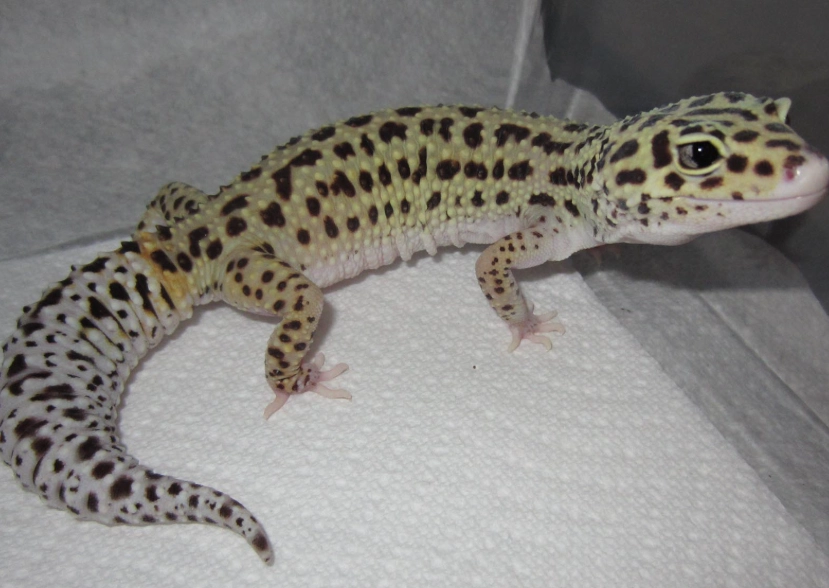
A rookie mistake with fat-tails is just spraying the tank walls. This spikes humidity temporarily and can lead to respiratory infections if the substrate gets wet and cold. The pro method? A permanent, humid hide. Take a small plastic container (like a deli cup), cut a hole in the side, and fill it with damp (not dripping) sphagnum moss or paper towels. Place it on the warm side of the tank. Your fat-tail will spend a lot of time in there, hydrating through its skin. You still need to monitor the overall tank humidity with a digital hygrometer (get one, the analog ones are garbage).
For leopard geckos, you only need to provide a moist hide when you see them getting pale before a shed.
Setup & Feeding: More Similar Than Not
Both need a simple setup: a secure screen lid, an under-tank heat mat or a deep heat projector on a thermostat (this is non-negotiable for safety), a warm hide, a cool hide, and a water dish. Decor like fake plants or cork rounds gives them security.
Feeding is identical. Both eat gut-loaded insects. Dust every other feeding with a calcium powder containing vitamin D3 if you don't use UVB, or with a plain calcium supplement if you do. Offer food every 2-3 days for adults. Variety is key—don't just feed mealworms.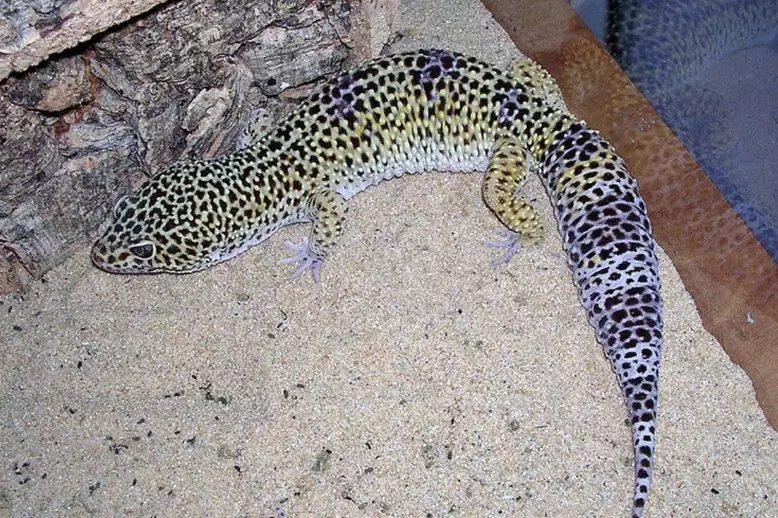
Health, Lifespan, and the Real Costs
Let's talk long-term commitment.
Lifespan: Both can live 15-20 years with excellent care. This isn't a hamster; you're getting a companion for a significant chunk of your life.
Common Health Issues:
Both: Impaction (from eating substrate or oversized prey), Metabolic Bone Disease (MBD) from lack of calcium/UVB, and retained shed (dysecdysis), especially on toes.
Fat-Tail Specific: More prone to respiratory infections if humidity is too high and ventilation/temperature is poor.
Leopard Gecko Specific: Sometimes prone to eye issues if sand gets in them, and occasionally cryptosporidiosis (a serious parasitic disease).
The Cost Breakdown (Initial Setup - Approx.):
Tank & Lid: $60-$100
Heating & Thermostat: $70-$120
Hides, Decor, Dishes: $40-$80
Substrate & Misc: $30-$50
The Gecko Itself: $40 (common morph) to $300+ (rare morph). Fat-tails are generally slightly more expensive for comparable morphs.
Monthly Costs (food, electricity, substrate replacement): $15-$30.
Don't skimp on the thermostat. A $30 thermostat can prevent a $300 vet bill for burns.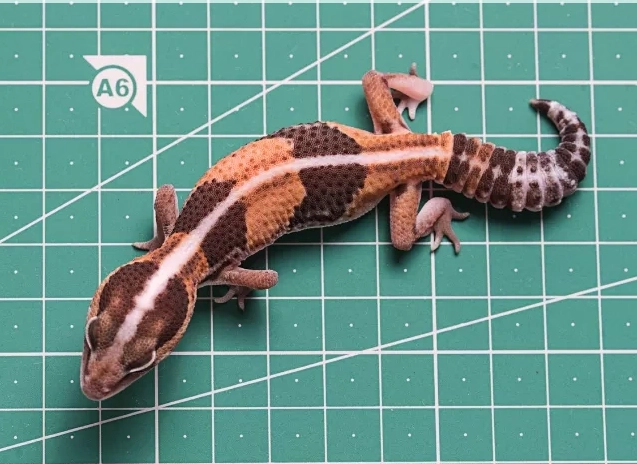
Making Your Final Choice: A Practical Guide
Stop thinking about which one you like the look of more. Start thinking about your daily life.
Choose a LEOPARD GECKO if:
- You are a first-time reptile owner.
- You live in a very dry climate and worry about maintaining high humidity.
- You want a pet that is more visibly active and inquisitive.
- You have younger children who will want to handle the pet (with supervision).
- Your budget is slightly tighter (lower initial cost for the animal).
Choose a FAT-TAILED GECKO if:
- You have some experience with reptiles or are a dedicated, detail-oriented beginner.
- You can reliably monitor and maintain a humid hide and 50-70% humidity.
- You prefer a calmer, more sedentary pet that's content to just be with you.
- You love their unique, "chunky" appearance and softer tail.
- You don't mind a pet that may take longer to warm up to handling.
Still stuck? Go meet some. Find a reputable breeder or a reptile expo. See how they react. Hold one if possible. The connection you feel matters.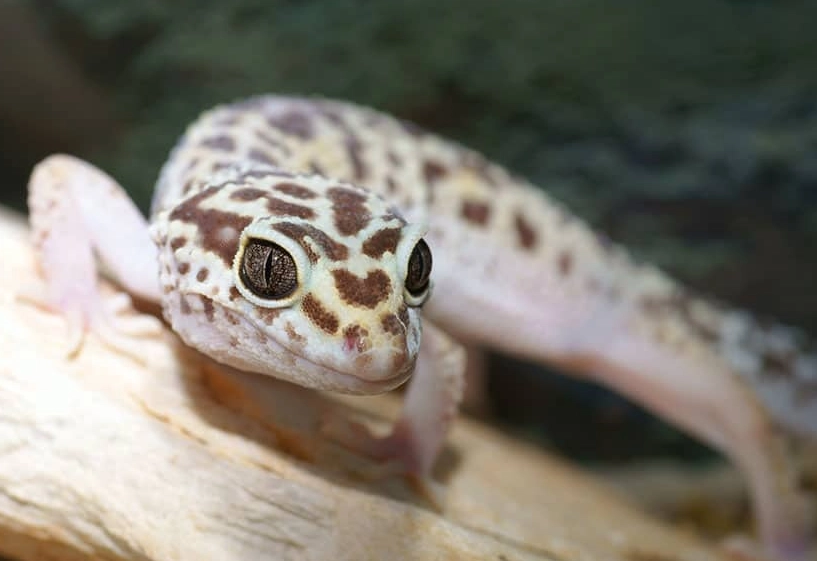
Expert Answers to Your Burning Questions
Is a fat-tailed gecko more aggressive than a leopard gecko?
Not necessarily 'aggressive,' but they are often more defensive and shy. A startled fat-tailed gecko is more likely to adopt a defensive posture or even vocalize with a squeak compared to a leopard gecko. Leopard geckos, through decades of selective breeding, are generally more tolerant of handling from a younger age. The key is respecting their boundaries and moving slowly, regardless of species.
Can I house a fat-tailed gecko and a leopard gecko together?
Absolutely not. This is a common and dangerous misconception. They have different humidity requirements, which makes creating a suitable environment for both impossible. More critically, co-habitation creates immense stress, competition for food and hides, and a high risk of injury or disease transmission. Both species are solitary and should be housed individually for their entire lives.
Which gecko is better for a family with young children?
For frequent, gentle handling with younger kids, the leopard gecko usually gets the nod. Their generally calmer disposition and slightly sturdier build (especially the tail) can tolerate occasional clumsy handling better. However, any interaction must be supervised. A fat-tailed gecko's more skittish nature might make it a 'look, don't touch' pet for younger families, which is perfectly fine. Teach children to respect the animal's space above all.
Do fat-tailed geckos really need a more humid environment, and how do I provide it?
Yes, this is the single most critical care difference. Leopard geckos need 30-40% humidity, while fat-tails need 50-70%, especially for proper shedding. The rookie mistake is just misting the whole tank, which can cause respiratory issues. The pro method is to provide a dedicated, consistently humid 'moist hide.' Use a small plastic container with a hole cut in the side, filled with damp (not wet) sphagnum moss or paper towel, and place it on the warm side. Your gecko will self-regulate. A digital hygrometer is non-negotiable for fat-tail owners.
Ultimately, both the fat-tailed gecko and the leopard gecko are fantastic pets. One isn't universally better than the other. It's about fit. The leopard gecko is the forgiving, eager classic. The fat-tailed gecko is the mellow, slightly more nuanced beauty. Whichever you choose, commit to learning its specific needs. That's what makes a great reptile keeper.
Reader Comments