Chameleon gecko species—like the popular Leopard Gecko or Crested Gecko—are fascinating pets that can change color, but picking the right one and keeping it healthy isn't as simple as many guides make it seem. After a decade of breeding and caring for these reptiles, I've seen too many beginners fall into the same traps. Let's cut through the noise and get straight to what matters: choosing a species that fits your lifestyle, setting up a proper habitat, and avoiding the subtle mistakes that can stress or harm your gecko.
Jump to What Matters
What Are Chameleon Gecko Species?
First off, let's clear up a common confusion. "Chameleon gecko" isn't a scientific term—it's a casual way to describe gecko species that exhibit color-changing abilities, similar to chameleons. These aren't true chameleons (which belong to a different family), but geckos from the Gekkonidae family that can shift hues due to mood, temperature, or camouflage. Think of Leopard Geckos (Eublepharis macularius) that darken when stressed, or Crested Geckos (Correlophus ciliatus) that brighten up during the day.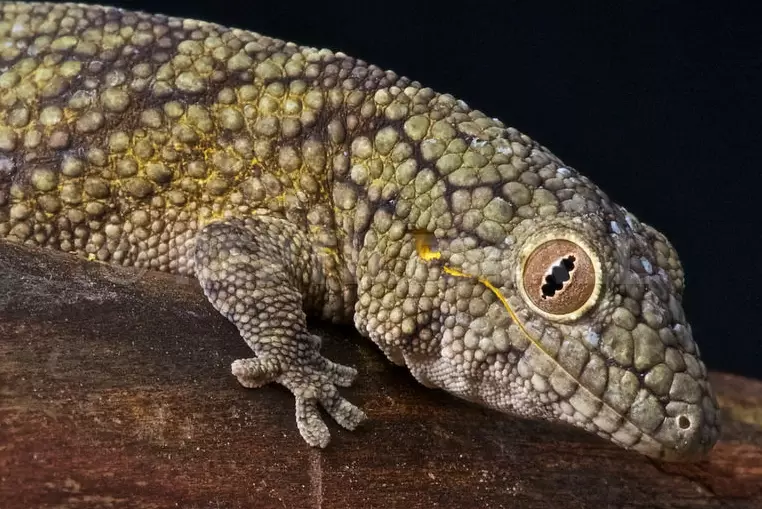
Why does this matter? If you're searching for a pet that offers visual intrigue without the high maintenance of true chameleons, these geckos hit the sweet spot. They're generally hardier, cheaper to care for, and more tolerant of handling. But here's a nuance most articles miss: not all color-changing geckos do it for the same reasons. Some, like the Gargoyle Gecko, change color primarily based on temperature, while others, like the Leopard Gecko, react more to stress. Knowing this helps you interpret your pet's behavior better.
I remember my first Leopard Gecko, Spike. He'd turn a deep brown whenever I cleaned his tank—I thought he was sick, but it was just temporary stress. Once I learned to read his colors, caring for him became way easier.
Top 3 Chameleon Gecko Species for Beginners
If you're starting out, you don't want a species that's overly sensitive or requires exotic setups. Based on my experience, these three are the best bets for newcomers. They're widely available, relatively affordable, and forgiving of minor mistakes.
1. Leopard Gecko (Eublepharis macularius)
Leopard Geckos are the poster child for beginner reptiles—and for good reason. They're docile, easy to handle, and come in a rainbow of morphs (color variations). But here's something most guides don't tell you: their color-changing is subtle. They might darken when cold or stressed, but it's not as dramatic as in other species. They're nocturnal, so don't expect daytime activity. A 20-gallon tank works fine, and they thrive on a diet of crickets and mealworms. Price range: $30 to $100, depending on morph.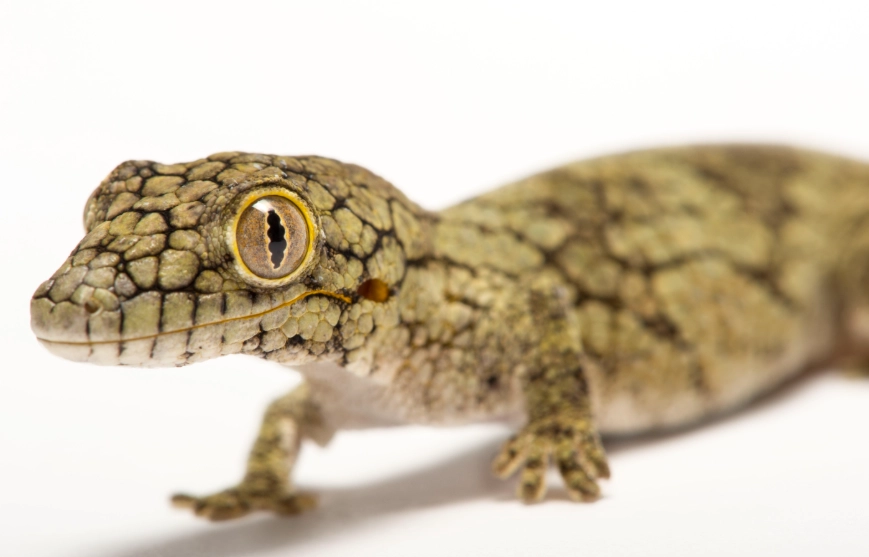
2. Crested Gecko (Correlophus ciliatus)
Crested Geckos are arboreal, meaning they love to climb. Their color shifts are more noticeable—they can go from dull brown to vibrant green or red based on mood and light. They're also frugivores, so their diet includes fruit-based powders mixed with water, which is a plus if you're squeamish about live insects. However, they're more sensitive to humidity; aim for 60-80%. A common mistake is using a screen-top tank that dries out too fast. I've seen many owners struggle with shedding issues because of this.
3. Gargoyle Gecko (Rhacodactylus auriculatus)
Gargoyle Geckos are like the Crested Gecko's sturdier cousin. They have bumpy skin and can change color dramatically, often to blend with their surroundings. They're hardy and tolerate handling well, but they need vertical space for climbing. A 18x18x24 inch terrarium is ideal. Their diet is similar to Crested Geckos, but they're more insectivorous. Price: $50 to $150. One pro tip: provide plenty of hiding spots—they're shy and stress easily in bare tanks.
To help you compare, here's a quick table:
| Species | Color Change Ability | Best For | Average Cost | Key Care Tip |
|---|---|---|---|---|
| Leopard Gecko | Low to moderate (stress/temp) | Handling, low maintenance | $30-$100 | Use under-tank heater, avoid sand substrate |
| Crested Gecko | High (mood/light) | Climbing, visual appeal | $40-$120 | Maintain high humidity, offer ledges |
| Gargoyle Gecko | High (camouflage) | Hardiness, unique look | $50-$150 | Provide cork bark hides, mist daily |
Notice how I didn't just list facts? Each species has quirks. For instance, Leopard Geckos are often marketed as "desert" animals, but they actually need a humid hide to shed properly—a detail many pet stores overlook.
How to Set Up a Perfect Habitat
Setting up a tank isn't just about throwing in some substrate and a heat lamp. Get it wrong, and your gecko might stop eating or develop health issues. Let's break it down step by step, focusing on the non-obvious stuff.
Tank Size and Type: For terrestrial geckos like Leopards, a 20-gallon long tank is minimum. For arboreal ones like Cresteds, go taller—18x18x24 inches. Glass tanks work, but PVC cages retain humidity better. I prefer PVC for tropical species; it prevents mold buildup that I've seen in all-glass setups.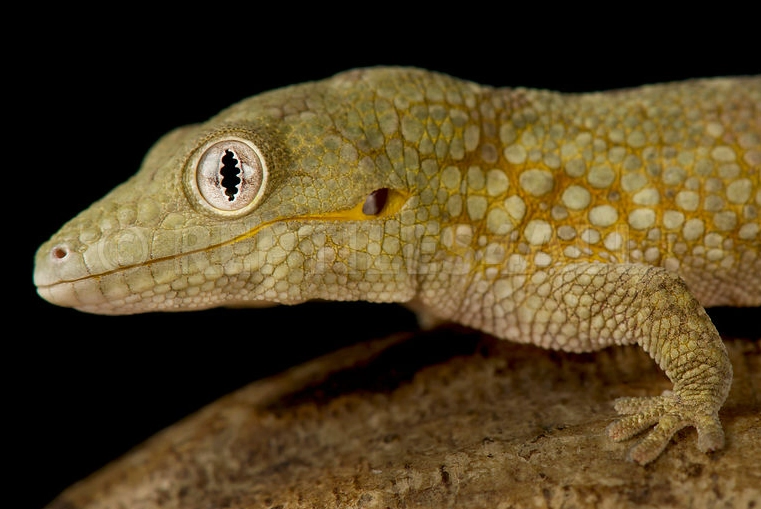
Heating and Lighting: Most geckos need a temperature gradient: warm side 85-90°F, cool side 75-80°F. Use an under-tank heater for Leopards, but combine it with a low-wattage heat lamp for arboreal species. UVB lighting isn't strictly necessary for nocturnal geckos, but recent studies, like those cited in the Journal of Herpetology, suggest it can boost immune health. I add a low-level UVB bulb to all my tanks now—my geckos seem more active.
Substrate: This is where beginners mess up big time. Avoid calcium sand or loose particulate substrates for Leopard Geckos; they can cause impaction if ingested. Use paper towel, slate tile, or a bioactive mix. For bioactive setups (a hot trend right now), combine coconut fiber with springtails to break down waste. It's more work initially, but it reduces cleaning long-term.
Decor and Hides: Geckos need hiding spots to feel secure. Provide at least two hides—one on the warm side, one on the cool side. Add plants (live or artificial) and climbing branches for arboreal species. I once used a bare tank for a Crested Gecko, and it stayed stressed until I added more foliage. Lesson learned.
Personal tip: Don't skimp on thermometers and hygrometers. I've seen too many owners guess humidity levels, leading to respiratory infections. Digital gauges are worth the extra $10.
Feeding and Nutrition: Common Mistakes
Feeding seems straightforward, but there's a lot of misinformation out there. Let's tackle the big ones.
What to Feed: Leopard Geckos are insectivores—crickets, mealworms, dubia roaches. Dust them with calcium powder (with D3) twice a week. Crested and Gargoyle Geckos are omnivores; they eat commercial fruit-based diets (like Repashy) and insects. A common mistake: feeding only insects to Crested Geckos, which can lead to obesity. Mix it up.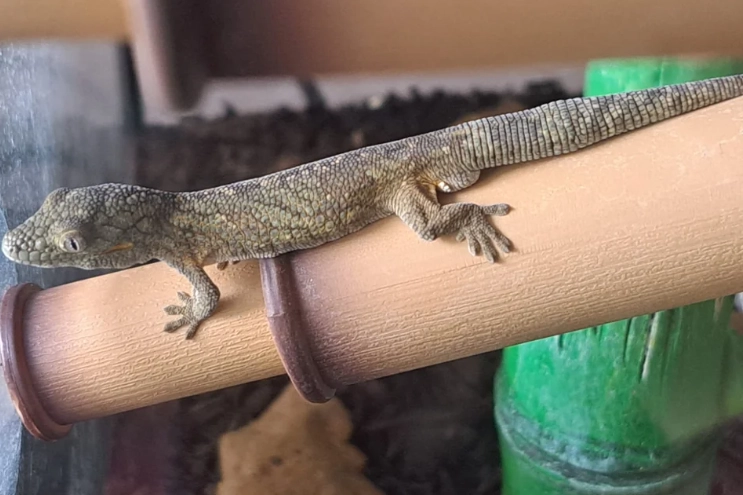
How Often: Juveniles eat daily, adults every 2-3 days. But here's a non-consensus point: many guides say to feed at night, but I've found that offering food in the early evening reduces leftover prey that can stress the gecko. Experiment with timing.
Hydration: Provide a shallow water dish, but also mist the tank for arboreal species. They often drink droplets from leaves. If your gecko isn't drinking, try misting more frequently—dehydration is a silent killer.
I recall a case where a friend's Leopard Gecko refused food for weeks. Turns out, the crickets were too large; switching to smaller prey solved it. Always size prey to the space between the gecko's eyes.
Health Red Flags Every Owner Should Know
Geckos are good at hiding illness, so you need to spot subtle signs early. Here are the top issues I've encountered.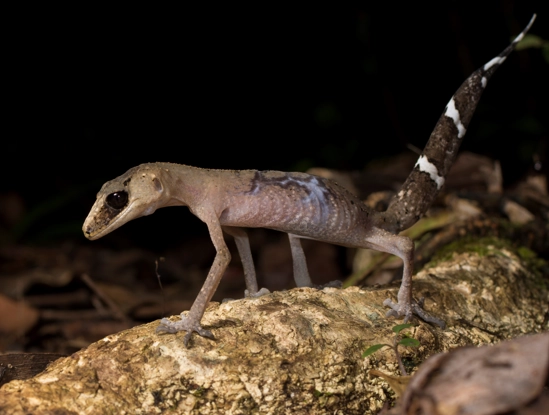
Stress Signs: Color darkening, hiding constantly, loss of appetite. Often caused by improper habitat or too much handling. Give them a week to adjust when you first bring them home.
Metabolic Bone Disease (MBD): Symptoms include soft jaws, tremors, or difficulty walking. It's from calcium deficiency. Prevent it by dusting food and providing UVB. I've rescued geckos with MBD—it's heartbreaking and entirely preventable.
Impaction: From ingesting substrate or large prey. Signs are bloating, no bowel movements. If suspected, offer a warm bath and consult a vet. Avoid loose substrates for young geckos.
Respiratory Infections: Wheezing, mucus around nostrils. Usually from low temperatures or high humidity. Adjust the environment quickly.
Regular vet check-ups are wise, but for minor issues, sometimes a habitat tweak is all you need. For example, if shedding is incomplete (stuck skin on toes), increase humidity or provide a moist hide.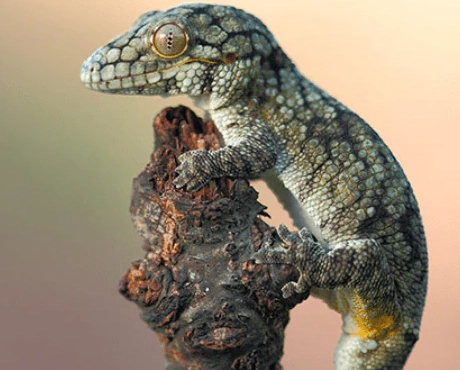
Your Chameleon Gecko FAQs Answered
Wrapping up, chameleon gecko species offer a unique pet experience, but success hinges on attention to detail. Don't just follow generic advice—observe your gecko, tweak as needed, and enjoy the journey. For more info, check out resources like Reptiles Magazine or the Association of Reptilian and Amphibian Veterinarians for trusted care standards.
Reader Comments