You see them online—creamy yellows, stark whites, piercing red eyes. Albino leopard geckos are show-stoppers, some of the most visually striking morphs in the hobby. But here's the thing most care sheets won't tell you upfront: owning an albino morph isn't just about having a pale pet. It's a commitment to understanding a specific set of genetic rules and, more importantly, adapting your care to accommodate a creature with a fundamental biological difference—a lack of melanin that affects more than just its color.
I've kept and bred various albino lines for over a decade. The biggest mistake I see? People treat them like any other leopard gecko. That's a fast track to a stressed, hiding, and potentially unhealthy animal. Let's cut through the basic info and talk about what it really takes to keep these beautiful mutants thriving.
What's Inside?
Albino Genetics, Demystified
First, a crucial clarification. "Albino" in leopard geckos doesn't refer to a single gene. It's a trait caused by several different recessive genes that all inhibit melanin production. The result is a lack of black and brown pigment, but crucially, they still produce yellows, oranges, and reds (from carotenoids and pteridines). That's why they're not pure white like a snake might be.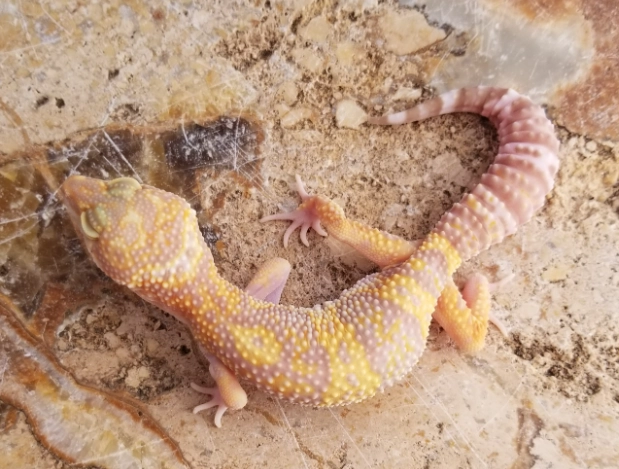
The real kicker? These genes are allelic. That means a gecko can only carry one type of albino gene. You cannot cross a Tremper Albino with a Bell Albino and get a "double albino." You'll get normal-looking geckos that are heterozygous for both genes. This is a fundamental piece of genetics that trips up new breeders.
Here’s a breakdown of the three established strains, which are as different from each other as dogs are from wolves in terms of lineage.
| Strain Name (Discoverer) | Primary Visual Clues | Eye Color | Common Notes & Legacy |
|---|---|---|---|
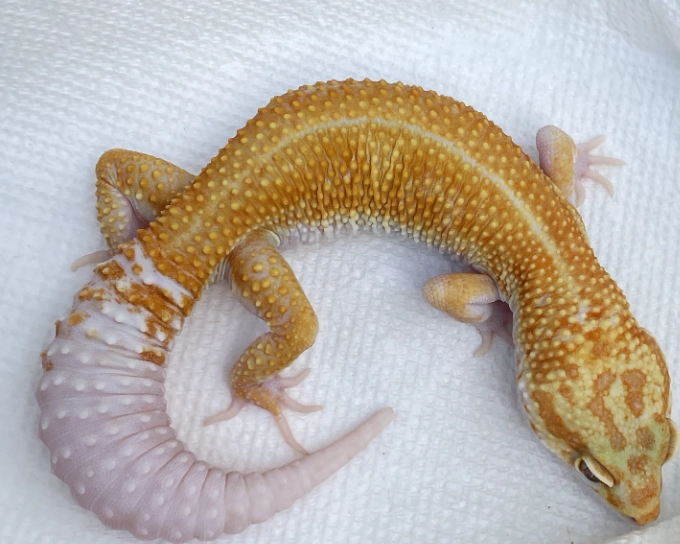
| Tremper Albino (Ron Tremper) | Light tan, grey, or lavender base. Often retains subtle, faded pattern marks. | Silver, grey, or pinkish-silver. Pupil often clearly visible. | The original and most common. Known for hardiness and wide integration into other morphs. The "workhorse" of the albino lines. |
| Bell Albino (Mark Bell) | Often a brighter, cleaner yellow or peach base. Pattern tends to be high-contrast pinkish-brown when young, fading with age. | Pink or red with a less distinct pupil. The "red-eyed" look is most pronounced here. | Known for vibrant yellows. Some lines historically had more reported sensitivity, but robust lines exist. |
| Rainwater (Las Vegas) Albino (Tim Rainwater) | Typically a softer, more buttery yellow. Pattern is often a light brownish-purple. | Pinkish-lavender or peach. Can appear more "liquid" than other strains. | Sometimes considered the most "pastel" of the three. The last to be established commercially. |
Identifying them as adults can be tricky, as they've all been blended into complex morphs. The eyes are your best clue. If you're buying a "generic" albino, it's most likely a Tremper, and that's not a bad thing.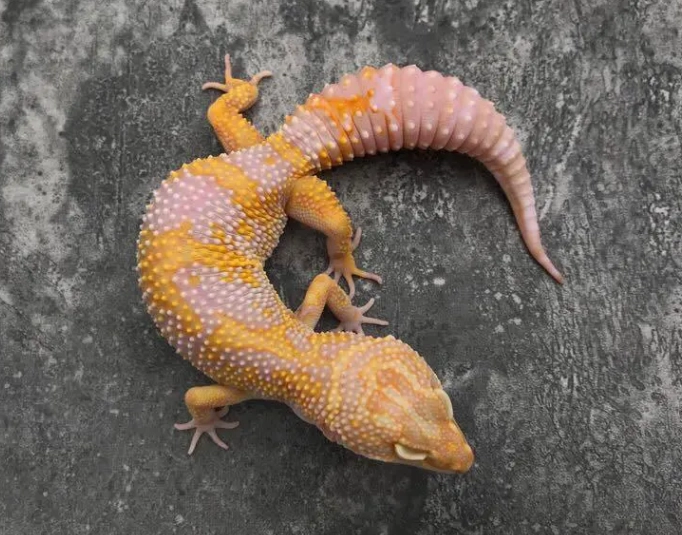
Pro Tip: Never trust a seller who claims an albino is a "mix" of two strains. Genetically, that's impossible in a visual animal. They are either mistaken, misleading you, or the gecko is heterozygous for one strain and visual for another (which would just make it a visual albino of the second strain). Clarity on genetics is a sign of a reputable breeder.
Signature Albino Morphs You Should Know
Pure albinos are lovely, but the magic happens when the albino gene combines with other pattern and color genes. This is where you get the real head-turners. Here are a few standout combinations that define the market.
Albino Blizzard
The Blizzard gene removes all pattern, leaving a solid-colored gecko. Pair it with albinism, and you get a creature that ranges from chalky white to sunny yellow, with those signature albino eyes. The care note here is major: you lose all visual health indicators. No stress marks are visible. Monitoring weight and hydration becomes a tactile, hands-on routine, not a visual check.
Albino Eclipse & Black Eyes
The Eclipse gene fills the eyes with solid black pigment. When combined with an albino gene, you get a fascinating conflict. The albino gene wants to remove melanin from the eyes; the Eclipse gene wants to add it. The result is often a gecko with dark, solid-looking eyes (sometimes called "Black Eye" traits) or marbled eyes. It's a stunning look that masks the typical red/pink eye, but it's a great example of how genes interact in unexpected ways.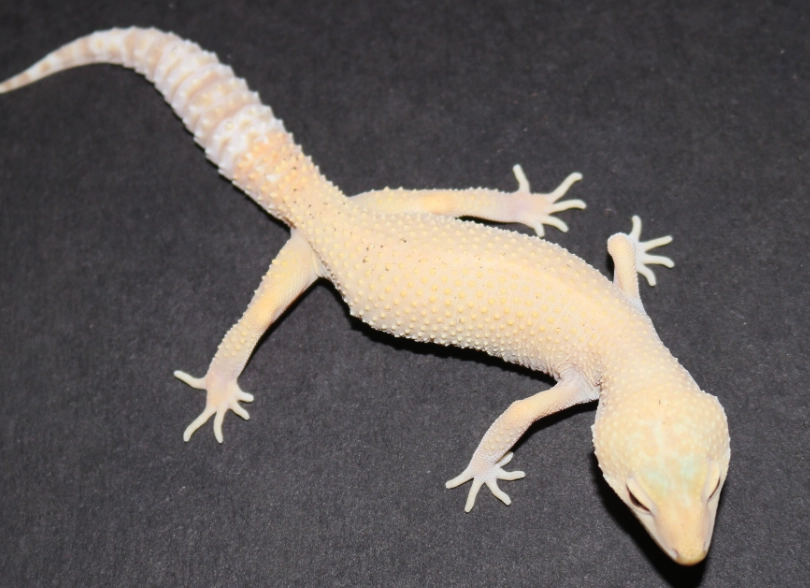
Albino Giant
The Giant gene increases size. An Albino Super Giant is a formidable and beautiful animal, easily reaching 11 inches. The consideration here shifts from just color to space and nutrition. This gecko needs a larger enclosure (a 40-gallon breeder is a starting point) and more substantial meals. It's a pet with real presence.
Tremper Albino Tangerine
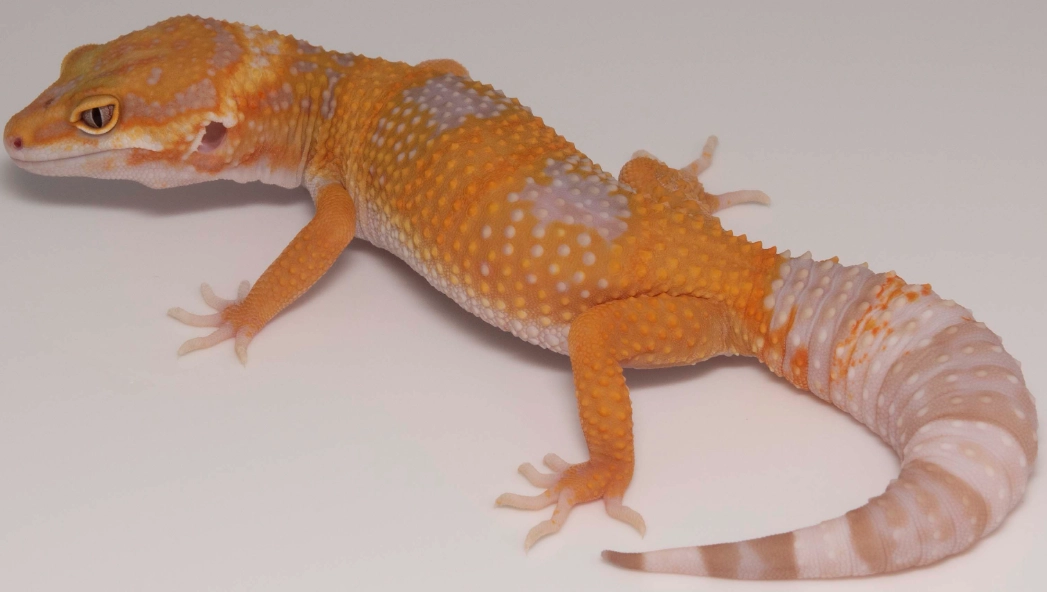
A classic and highly sought-after combo. The Tangerine gene pumps orange pigment into the skin. A high-quality Tremper Tangerine can be a vibrant orange with minimal pattern, showing how albinism doesn't mean dull—it can create a clean, bright canvas for other colors to pop.
The Non-Negotiable Albino Care Guide
This is the heart of it. If you take away one thing, let it be this: Albino leopard geckos are photophobic. Their reduced eye pigment makes them incredibly sensitive to light. Standard bright white basking bulbs or, heaven forbid, colored night bulbs, are a form of torture for them.
Let's break down the critical adjustments.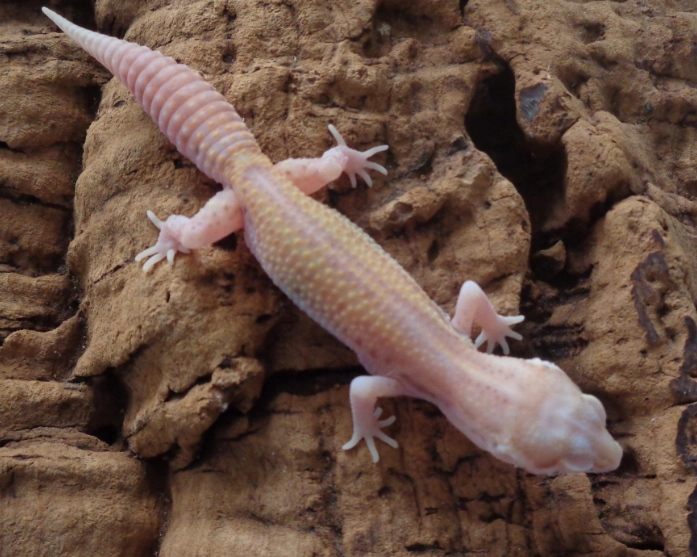
Lighting & Heating: The Biggest Shift
Forget the classic reptile dome lamp with a bright bulb.
- Heat Source: Use a Deep Heat Projector (DHP) or a Ceramic Heat Emitter (CHE). These produce infrared heat without visible light. They must be connected to a thermostat.
- Daylight: If you want to simulate a day/night cycle, use a very low-output, full-spectrum LED light placed high above the tank, or rely on ambient room light. The tank should never feel "brightly lit" to you.
- The Red Bulb Myth: This is a hill I will die on. Red bulbs are not invisible to reptiles. Research, including work cited by experts like Frances Baines, indicates they likely see the red light as a bright, washed-out grey. It bleaches their world and causes stress. For an albino, it's doubly harmful. Do not use them.
Enclosure Setup: Hides are Non-Optional
You need a minimum of three hides, but for an albino, I recommend clutter.
- Warm Hide: Directly under the heat source, snug and dark.
- Cool Hide: On the opposite end.
- Humid Hide: For shedding, always.
- Extra Cover: Add cork flats, PVC pipes, or plastic plants to create shaded pathways. They should be able to move across the tank without feeling exposed.
A stressed albino will hide 24/7. Your goal is to provide enough security that they feel comfortable exploring at dawn, dusk, or night.
Feeding & Health Monitoring
Diet doesn't change (gut-loaded crickets, dubias, mealworms). The change is in observation.
- Watch for squinting or avoiding open areas when lights are on.
- Weigh them monthly. Without clear stress marks, weight loss is a key early warning sign.
- Check their eyes during handling. Any retained shed around the eyes is an emergency, as their eyes are more vulnerable.
Choosing Your Albino: A Buyer's Checklist
Walking into a reptile expo or browsing a breeder's page? Don't just pick the prettiest one. Be a detective.
- Ask for the Strain: A good breeder will know if it's Tremper, Bell, or Rainwater. If they say "just albino" or "mixed," be wary.
- Observe Behavior: Is the gecko alert but calm in its tub? Is it hiding frantically? A healthy albino should be relaxed in a dim setting.
- Check the Eyes: Look for clarity. No cloudiness, no stuck shed. The pupil should react to movement.
- Body Condition: A plump tail, but not obese. No visible hip bones or spine.
- Ask About Parents: Inquire about the size and temperament of the parents, especially for Giant lines.
- Husbandry Inquiry: Ask the breeder, "What lighting do you keep the parents under?" Their answer will tell you a lot about their philosophy.
Be prepared to pay more for a well-established, healthy albino from a breeder who understands their needs. The $50 "bargain" albino from a big-box pet store often comes with unseen stress and health issues that will cost you more in the long run.
Albino leopard geckos are a rewarding branch of herpetoculture. They teach you to be a more observant, empathetic keeper. You learn to read subtle signs and engineer an environment for comfort, not just aesthetics. Get the setup right, respect their sensitivity, and you'll be rewarded with a unique and captivating pet that truly stands out—not just for its color, but for its personality.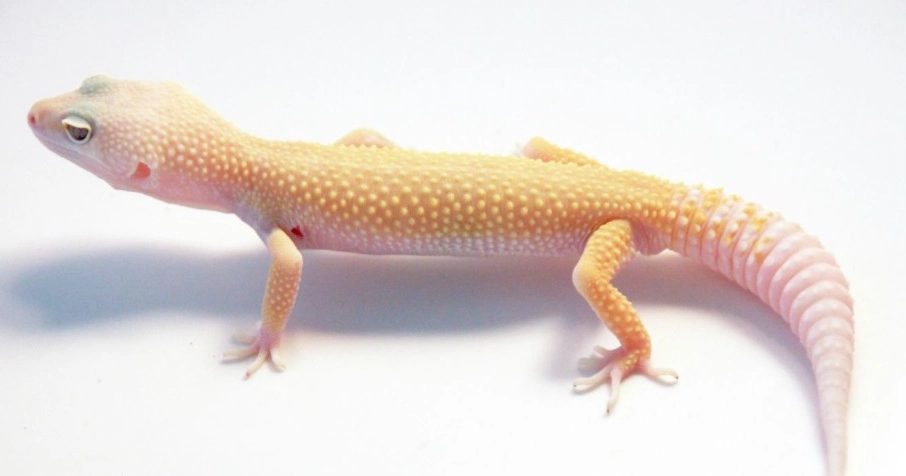
Reader Comments