Straight up: fat-tailed geckos can be fantastic pets, but they’re not for everyone. If you want a low-maintenance, handleable reptile that doesn’t need a huge space, they might fit. But mess up their humidity or heat, and you’ll have problems. I’ve kept reptiles for over a decade, and I’ve seen too many new owners jump in without realizing these geckos live 15-20 years—that’s a long commitment.
What You’ll Find in This Guide
The Good Stuff: Why People Love Fat-Tailed Geckos
These geckos have a charm that’s hard to resist. Most owners rave about their docile nature. Unlike some reptiles that skitter away, fat-tailed geckos often tolerate handling well. I remember my first one, named Tokay (ironic, since tokay geckos are feisty), would just sit on my hand during evening TV time.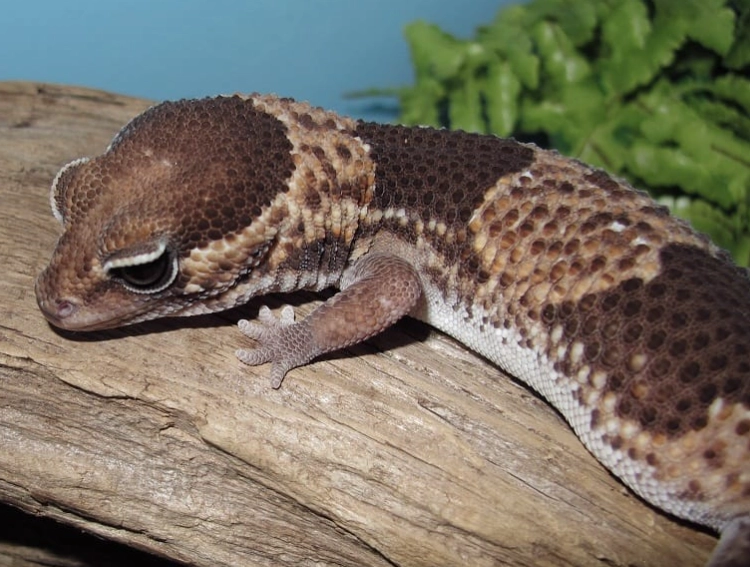
Their Temperament Is a Big Plus
They’re generally calm and not aggressive. Rarely bite—if they do, it’s more of a pinch than anything. This makes them great for adults or older kids who can be gentle. A friend of mine, a teacher, uses hers in classroom demonstrations because they’re so predictable.
Low Maintenance Compared to Dogs or Cats
No walks, no grooming. They’re nocturnal, so they’re active when you’re home in the evening. Feeding is simple: insects a few times a week. Their enclosure doesn’t need daily cleaning—spot clean weekly, deep clean monthly. For busy professionals, that’s a relief.
The Downsides: Challenges You Should Know
Now, the not-so-great parts. Many guides gloss over these, but they’re crucial. First, their environmental needs are specific. Get the humidity wrong, and you risk respiratory infections or shedding issues.
Specific Humidity and Temperature Requirements
They need a humidity range of 50-60%, with a warm side of 85-90°F and a cool side around 75°F. That means investing in a good hygrometer and thermostat—guessing won’t cut it. I’ve seen owners use cheap heat mats that fail, leading to geckos getting too cold. It happens more than you’d think.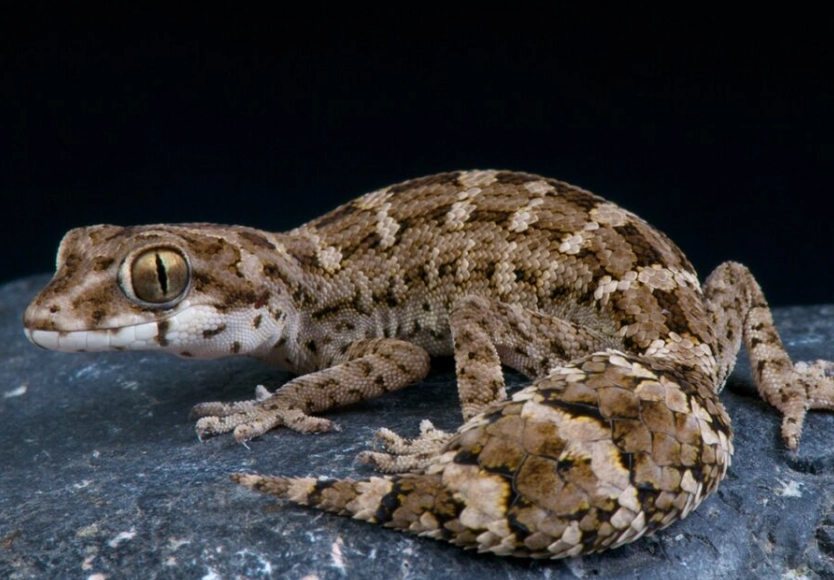
Potential Health Issues
Metabolic bone disease is a big one if calcium supplementation is missed. Also, their tails store fat, but they can drop them if stressed—it grows back weirdly. Not a deal-breaker, but it looks odd. Vet bills for reptiles can be pricey; a check-up might cost $50-$100, and treatments more.
Another thing: they’re not super interactive. If you want a pet that plays fetch, look elsewhere. They’re more about observation.
How to Care for a Fat-Tailed Gecko: A Step-by-Step Breakdown
Let’s get practical. Assuming you’re starting from scratch, here’s what you need to do. This isn’t just a list—I’ll share some mistakes I made early on.
Setting Up the Perfect Enclosure
A 20-gallon tank is the minimum for one adult. Go bigger if you can. Substrate: avoid sand—it can cause impaction. Use paper towel for beginners, or coconut fiber for more natural setups. Include hides on both warm and cool sides. A moist hide for shedding is essential; I use a plastic container with damp sphagnum moss.
Lighting and heating: they don’t need UVB if you dust insects with calcium+D3, but a low-wattage heat lamp or under-tank heater works. Always use a thermostat to control temperature. I learned this the hard way when a heat mat overheated and cracked my tank.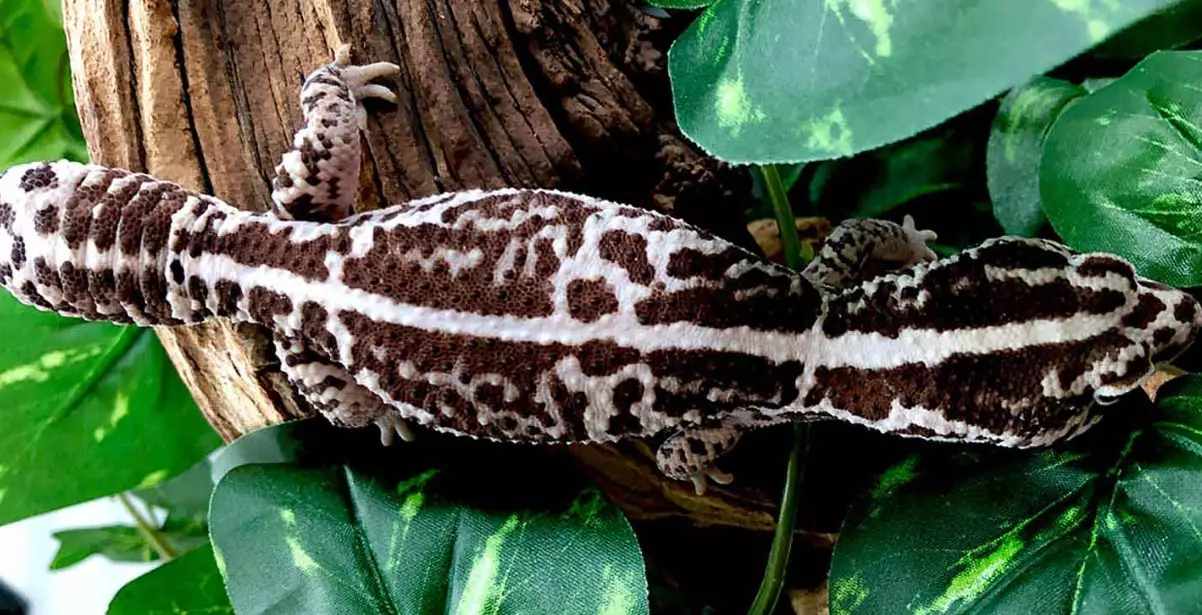
Feeding and Nutrition
Diet is straightforward: crickets, mealworms, dubia roaches. Dust with calcium powder 2-3 times a week, and a multivitamin once a week. Juveniles eat daily, adults every 2-3 days. Don’t overfeed—obesity is a thing in geckos. I knew one that got so fat it struggled to move.
Hydration: provide a shallow water dish, and mist the enclosure lightly to maintain humidity. They might not drink often, but it’s there.
>| Item | Estimated Cost | Notes |
|---|---|---|
| Enclosure (20-gallon) | $50-$100 | Used tanks can be cheaper, but check for cracks. |
| Heating setup | $30-$60 | Includes heat mat, thermostat, thermometer. |
| Decor and hides | $20-$50 | DIY options can save money. |
| Monthly food | $20-$40 | Depends on insect prices locally. |
Health Monitoring and Vet Visits
Check for signs of illness: lethargy, weight loss, stuck shed. Find a vet who specializes in exotic pets before you need one. Annual check-ups are wise. A common issue is parasites from feeder insects—buy from reputable sources.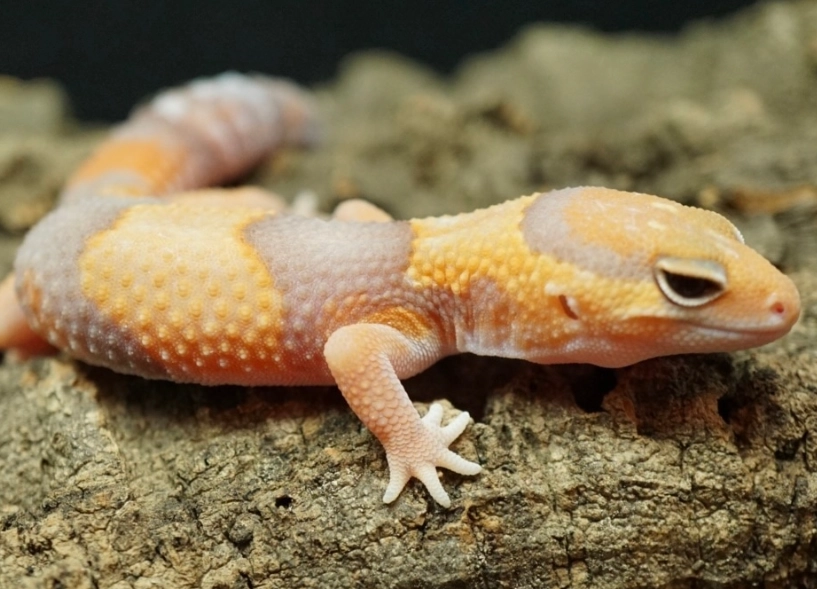
Is a Fat-Tailed Gecko Right for You?
This depends on your lifestyle. Let’s run through some scenarios.
If you’re a beginner with some research skills, yes. But if you’re looking for a “set and forget” pet, no. They need consistency. For families with young kids, maybe not—kids might drop them or stress them out. For singles or couples in apartments, they’re perfect—quiet and space-efficient.
Consider time: daily feeding for juveniles, weekly maintenance for adults. Cost: initial $200-$400, then $20-$40 monthly. If that sounds okay, you might be a match.
I’ve seen people get them on impulse, then rehome them when the novelty wears off. Don’t be that person. Visit a reptile expo or talk to owners first.
Frequently Asked Questions
Wrapping up, fat-tailed geckos are good pets if you’re willing to meet their needs. They offer quiet companionship without the drama of larger animals. But they’re not a decoration—they require attention and consistency. Do your homework, set up right, and you might just find a fascinating little friend.
Reader Comments