You're browsing online or at a reptile expo, and you see two leopard geckos. One has the classic yellow and black bands. The other is a stunning, almost patternless white with red eyes. The second one is labeled "Fancy." It's also priced three times higher. What's the deal? Is it just a marketing trick, or is there a real, meaningful difference between a fancy leopard gecko and a regular one? Let's cut through the confusion. The short answer is: yes, there are significant differences, but they aren't always what new keepers expect. The core distinction lies in controlled genetics and selective breeding, not in basic care requirements.
What You'll Learn in This Guide
What Does 'Fancy' Actually Mean in Leopard Geckos?
First, let's clear up the terminology. In the reptile hobby, "fancy" isn't an official scientific term. It's a colloquial label used by breeders, pet stores, and enthusiasts to describe leopard geckos that display traits far removed from the wild-type appearance. A "regular" or "normal" leopard gecko looks very much like its ancestors found in the rocky grasslands of Afghanistan, Pakistan, and India: a base color of yellow with irregular black spots and bands.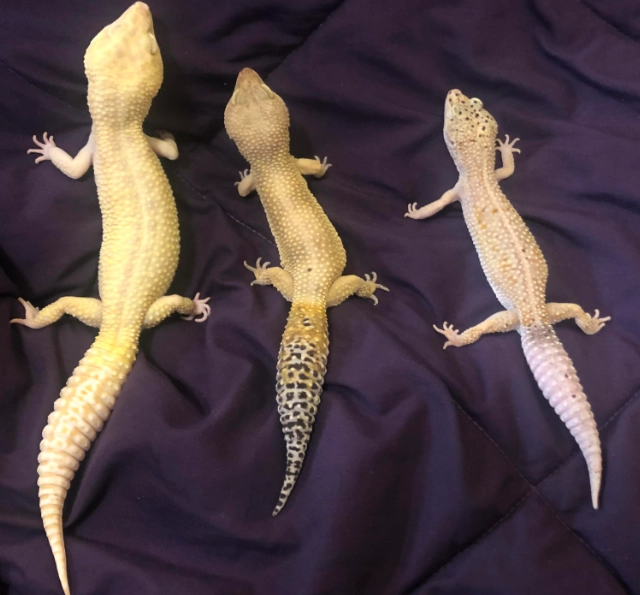
A fancy leopard gecko, on the other hand, is a product of decades of selective breeding. Breeders have identified and combined specific genetic mutations, called "morphs," to create animals with unique colors, patterns, and even physical traits. When someone says "fancy," they're essentially talking about a designed pet with a known genetic recipe.
I remember the first time I saw a "Super Snow" morph. It was completely white with black spots, unlike anything in nature. That's the power of selective breeding.
Side-by-Side Comparison: Fancy vs Regular
This table breaks down the key differences at a glance. It's the quick reference you need.
| Aspect | Regular/Normal Leopard Gecko | Fancy Leopard Gecko (Morph) |
|---|---|---|
| Appearance | Classic wild-type pattern: yellow base with black bands and spots. Consistent across most individuals. | Highly variable. Can be patternless (Blizzard), striped (Jungle), albino (lacking black pigment), giant (larger size), or combinations like "Mack Snow Enigma." |
| Genetics | Homozygous for the "normal" or wild-type genes. What you see is the baseline genetic expression. | Carries one or more specific genetic mutations (e.g., albinism, patternless, eclipse eyes). Often described by its morph name (e.g., "Tangerine Tremper Albino"). |
| Price Range | $30 - $60. Readily available and affordable. | $80 - $300+, easily exceeding $1000 for rare, high-end designer morphs. Price reflects rarity, genetics, and breeder reputation. |
| Source | Common in pet stores, chain retailers, and from general breeders. | Primarily from specialized reptile breeders, at expos, or through online marketplaces like MorphMarket. |
| Purpose | An excellent, hardy pet. The ideal choice for learning leopard gecko care. | Pet, display animal, and often for breeding projects to produce more fancy offspring. |
Beyond Looks: Genetics and Breeding
This is where it gets fascinating. A fancy gecko isn't just a random pretty lizard. Its appearance is predictable based on genetics. Breeders use terms like "het" (heterozygous), "super" (homozygous), and complex genetic calculators to plan pairings.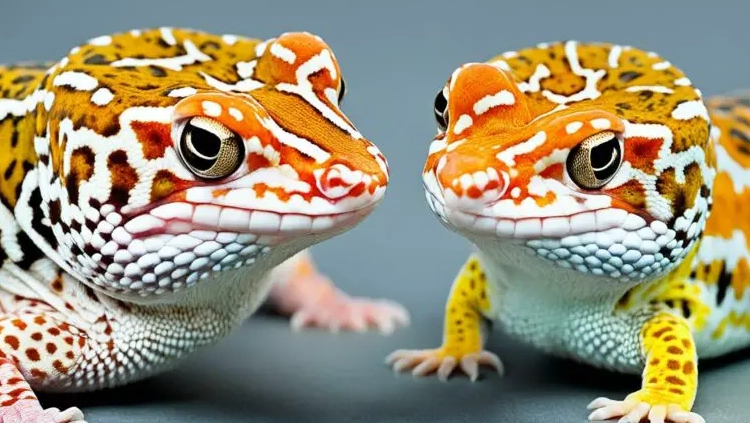
Let's take a simple example. The "Mack Snow" morph is a co-dominant trait. A gecko with one copy of the gene (Snow) looks different from a gecko with two copies (Super Snow). Breeding two Snows gives you a clutch with a predictable genetic outcome: 25% Normal, 50% Snow, 25% Super Snow.
Now, combine that Snow gene with an Albino gene (of which there are three distinct strains: Tremper, Bell, and Rainwater that don't mix). You get a "Snow Albino." Add a pattern gene. The complexity—and the price—ramps up. This controlled science is the backbone of the fancy leopard gecko world.
A pitfall new buyers face is not asking for the specific morph name. "Fancy" is too vague. Always ask: "What morph is this?" A responsible breeder will know.
The Cost Factor: Is a Fancy Gecko Worth the Price?
That $400 price tag on a fancy gecko isn't arbitrary. It's built on years of breeder investment. Think about the time, space, and food required to raise multiple generations to prove out genetics. A breeder might hold back an animal for two years to see its final color before breeding it. That's two years of housing and care costs rolled into the price of its offspring.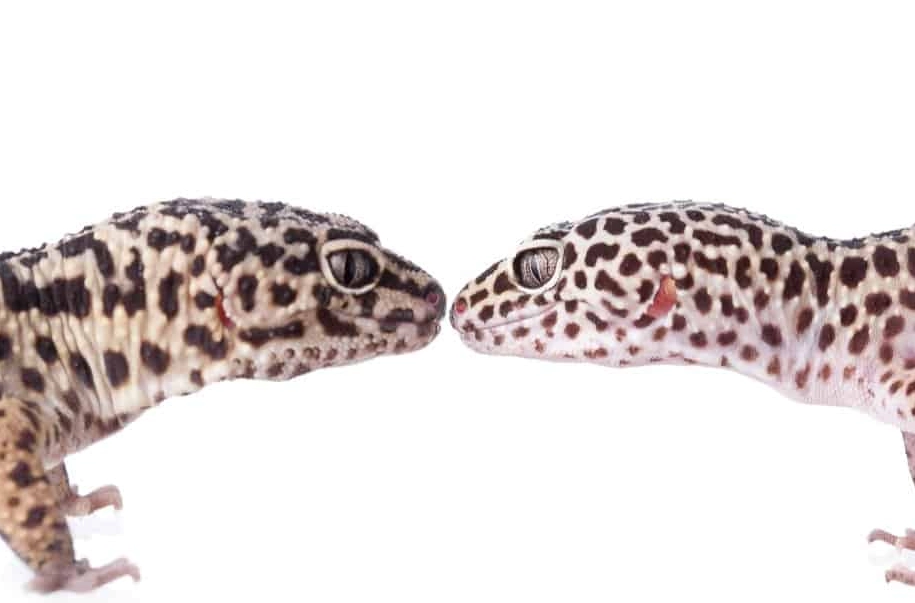
Rarity drives price. A common fancy morph like a "High Yellow" or a basic "Tangerine" might be $80. A "Black Night," a morph known for its incredibly dark, almost solid black coloration, can cost thousands because it's rare and difficult to produce consistently.
My take: For a pure pet, the value is subjective. Does a white gecko bring you $300 more joy than a yellow one? For a breeding project, the value is in the genetic potential. Don't view it as buying a lizard; view it as investing in a specific, living genetic line.
Also, a higher price should correlate with better breeding practices. Reputable morph breeders often provide detailed lineage information, health guarantees, and superior starter care compared to a mass-produced pet store gecko. But you must do your homework on the breeder.
Care and Health: Are There Any Differences?
This is the most important clarification. The fundamental care sheet is identical. Both need a 20-gallon long tank minimum, a warm hide around 88-92°F, a cool hide, a humid hide for shedding, and a diet of gut-loaded insects like crickets and mealworms. Anyone who tells you a fancy gecko needs a special, different setup is misinformed or trying to upsell you.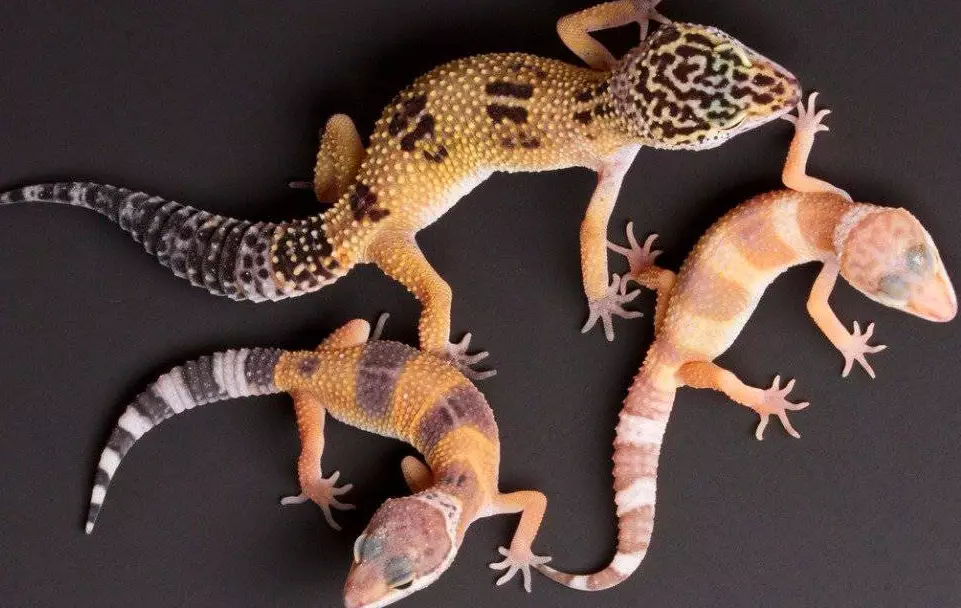
However, there are nuanced health considerations linked to specific morphs, not the "fancy" label as a whole. This is the expert-level detail many guides miss.
- Albinos (all strains): Their eyes are sensitive to bright light. You should avoid overly intense white basking lamps. Use low-wattage bulbs, ceramic heat emitters, or under-tank heaters as the primary heat source.
- The Enigma Morph: This popular morph, known for its swirling pattern, is unfortunately linked to a neurological condition called Enigma Syndrome (ES). Symptoms include star-gazing, circling, and difficulty catching prey. Not all Enigmas have it, but the risk is inherent to the gene. Many ethical breeders are now selecting against severe ES.
- Line-Breeding Issues: Some rare morphs come from very limited genetic pools. Over time, this can lead to reduced fertility, weaker immune systems, or other genetic faults. This isn't unique to leopard geckos—it's a risk in any intensely line-bred animal.
The key is to research your desired specific morph. The Association of Reptilian and Amphibian Veterinarians (ARAV) notes that inherited conditions are a growing concern in reptile medicine due to selective breeding.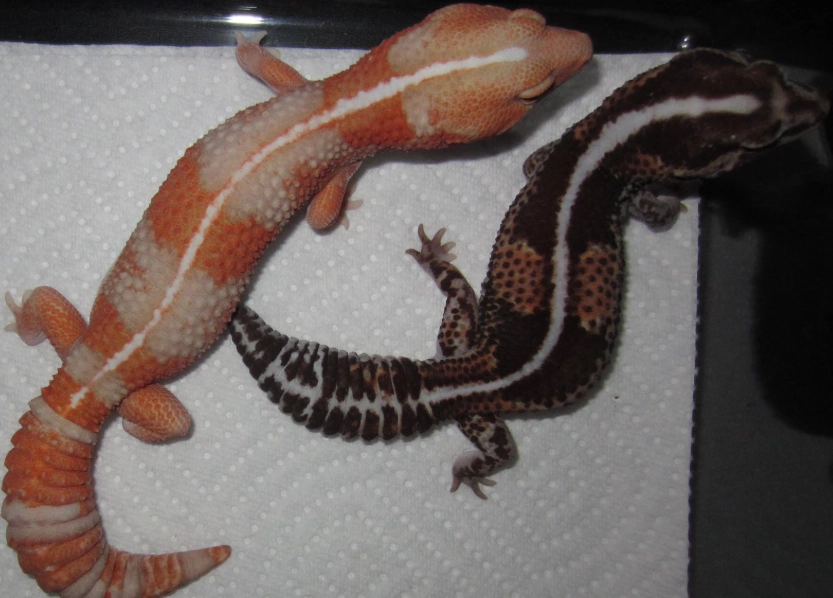
Choosing Your First Leopard Gecko: A Practical Guide
Standing in front of the enclosures, how do you choose? Let's get practical.
For a first-time owner, I overwhelmingly recommend starting with a vibrant, healthy "regular" or a simple, established fancy morph like a "High Color" normal or a "Mack Snow." Why? Your goal is to master husbandry—getting the temperatures right, recognizing a healthy appetite, identifying a good shed. A hardy, less expensive animal allows you to focus on care without the anxiety that comes with a $500 pet. A regular leopard gecko is every bit as personable, curious, and rewarding as a fancy one.
When you're ready for a fancy morph, follow this checklist:
- Identify the Exact Morph: Don't just buy a "fancy." Buy a "Hypo Tangerine Carrot Tail Baldy." Know what you're getting.
- Source from a Reputable Breeder: Look for breeders who are active on forums, answer health questions, and provide photos of the parents. Ask about genetic health issues associated with the morph.
- Prioritize Health Over Color: The most stunning gecko is a poor choice if it's underweight or lethargic. Look for clear eyes, a plump tail (fat storage), and alert behavior.
- Budget for the Total Cost: The gecko's price is just the start. Ensure you have funds for a proper setup, which can cost $200-$400 easily, plus ongoing food and vet care.
I made the mistake early on of choosing the rarest color I could afford, ignoring the animal's slightly shy demeanor. I ended up with a beautiful gecko that was a terrible eater. My lesson learned: temperament and health are more important than rarity.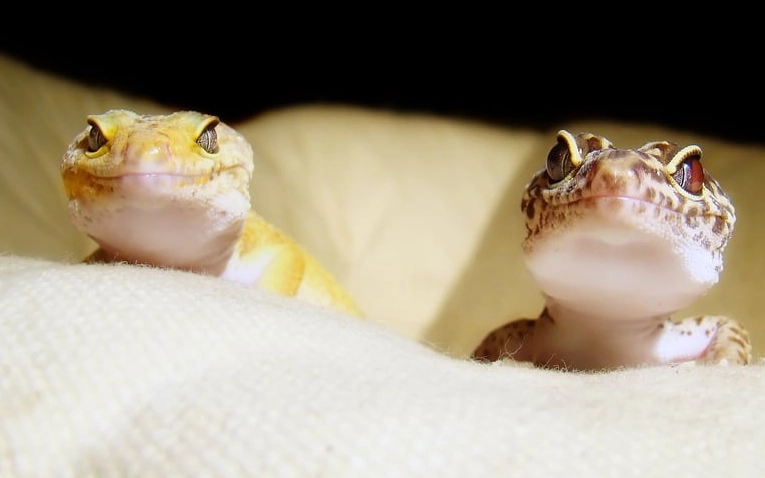
The Bottom Line: It's About Personal Preference
So, what's the difference? A regular leopard gecko is your reliable, classic, and wonderfully predictable pet. A fancy leopard gecko is a piece of living art, the result of human-guided evolution, carrying a specific genetic story and a higher price tag.
Neither is inherently "better." One isn't a superior pet. The choice boils down to your goals, your budget, and what captures your heart. Do you want the quintessential leopard gecko experience? Go regular. Are you fascinated by genetics and want a unique display animal? A fancy morph might be for you.
Just remember, behind every fancy label is a living creature with the same basic needs. Provide excellent care, and whether your gecko is sunshine yellow or midnight black, it will be a fantastic companion.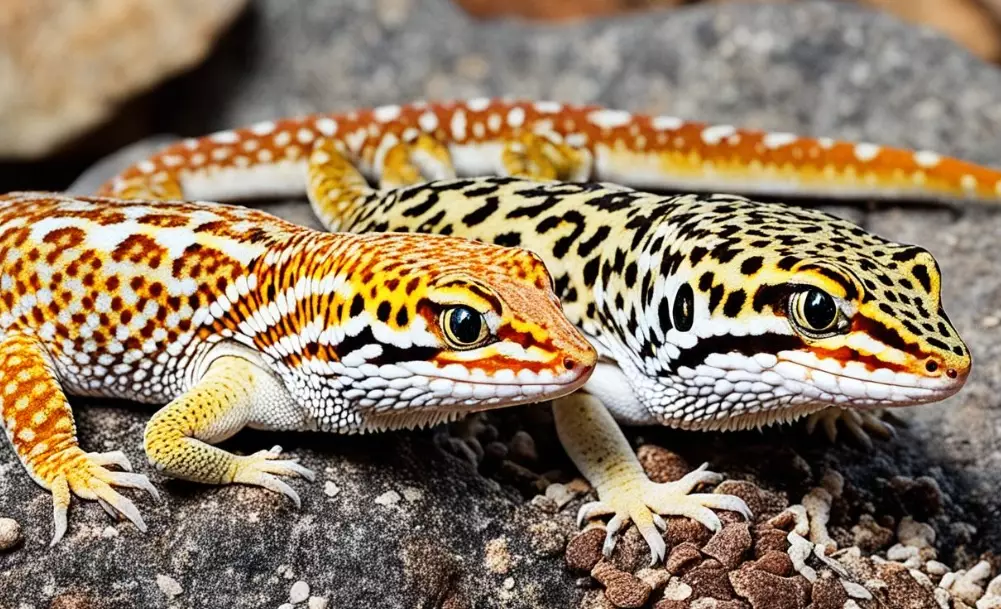
Common Questions Answered
No, this is a common misconception. The core care requirements—temperature, humidity, diet, and enclosure size—are identical for all leopard geckos, regardless of their morph. The 'fancy' label refers solely to genetics and appearance. However, some specific morphs, like albinos, may have sensitivity to bright light, requiring a bit more attention to their lighting setup.
Not necessarily. A 'fancy' leopard gecko specifically refers to an animal with identified, often complex, genetic traits that produce a predictable and desirable appearance. A regular leopard gecko can have vibrant yellow and black bands, which is the wild-type pattern. True fancy morphs have names like "Mack Snow," "Tangerine," or "Blizzard," indicating a known genetic lineage.
This is a critical point. Some fancy morphs created through intensive selective breeding for specific traits can be linked to health issues. For example, the "Enigma" morph is associated with a neurological condition called Enigma Syndrome. Responsible breeders test and select against these issues. Always research the specific morph you're interested in and buy from a breeder who is transparent about the health history of their lines.
I usually recommend starting with a healthy, well-established regular or high-color leopard gecko. They are often hardier, less expensive, and just as personable. The focus for a first pet should be on learning proper care and handling, not on the animal's rarity or color. A fancy gecko with potential genetic sensitivities might add unnecessary complexity to that learning experience.
Reader Comments