So you're thinking about getting a pet gecko, and the horned gecko and crested gecko keep popping up. Both are fantastic, but they're as different as a calm afternoon and a lively party. I've kept both for years, and the choice isn't just about which one looks cooler (though that's part of it). It's about which tiny dinosaur fits your life, your patience level, and even how often you travel. Let's cut through the generic advice and get into the real, nitty-gritty details that matter when you're living with them.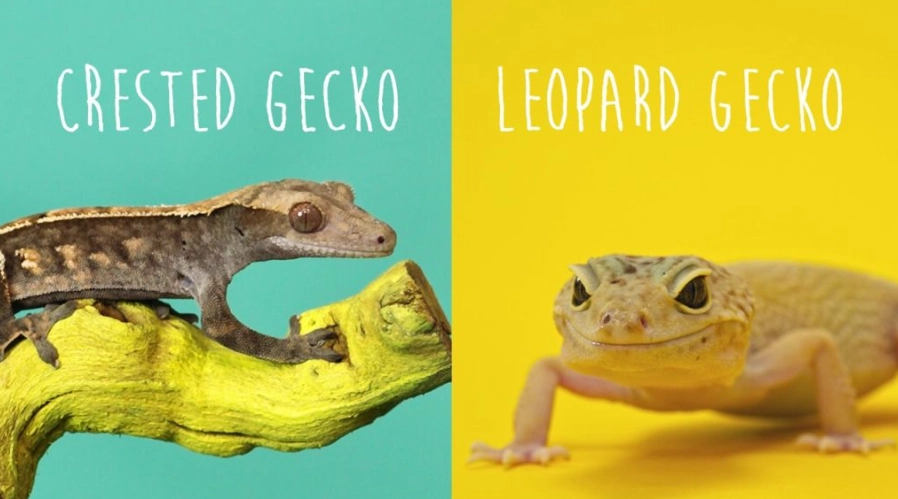
Quick Navigation: What's Inside
Head-to-Head: Key Differences at a Glance
Before we dive deep, here's the snapshot. This table isn't just a list of facts; it's the starting point for understanding their personalities.
| Feature | Horned Gecko (Ceratophora spp.) | Crested Gecko (Correlophus ciliatus) |
|---|---|---|
| Appearance | Spiky "horn" above eyes, earthy browns/grays, rough skin. | Fringe-like crests from eyes to tail, vibrant morphs (red, orange, harlequin), velvety skin. |
| Temperament | Generally calmer, less skittish. Can be territorial. | More active, jumpy. Can be handled but may bolt. |
| Handling | Often more tolerant of handling. Moves slowly. | Tolerates handling but known for sudden leaps. Watch the tail! |
| Habitat | Terrestrial. Needs a longer tank with floor space, dry substrate. | Arboreal. Needs a tall tank with branches, vines, and higher humidity. |
| Diet | Primarily insectivore (crickets, dubia roaches). Requires dusting with supplements. | Omnivore. Commercial powdered diet (like Pangea or Repashy) is staple, plus insects as treats. |
| Humidity | Lower (30-50%). Easy to maintain in most homes. | Higher (60-80%). Requires daily misting, good ventilation to prevent mold. |
| Key Quirk | Less common in pet trade. Some species have specific needs. | Tail drop (autotomy). Once lost, it doesn't regrow. |
Temperament & Handling: Pet or Display Animal?
This is where your personal preference really kicks in. Do you want a pet to hold, or a fascinating creature to watch?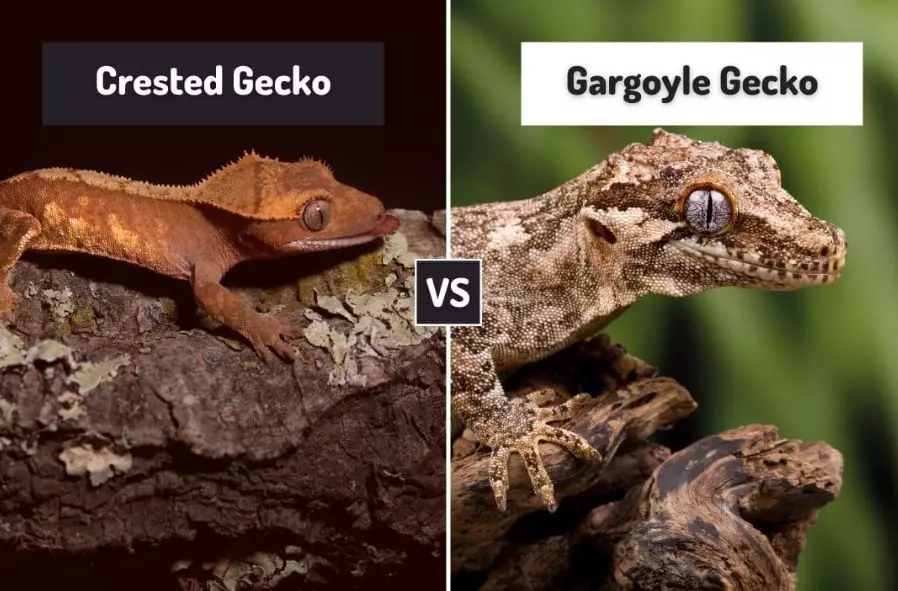
Horned Gecko: The Stoic Observer
My horned gecko, Spikes, is like a little statue most of the time. He'll sit on his favorite rock for hours, just watching the room. When I do handle him, he moves with deliberate, slow steps. He rarely tries to jump. This calm demeanor makes them seem more predictable. However, that calmness can be mistaken for dullness—they aren't going to provide acrobatic displays. Also, some individuals, especially males, can be territorial. Spikes once spent a week glass-surfing when I rearranged his tank too drastically. They appreciate routine.
Crested Gecko: The Acrobatic Escape Artist
My friend's crested gecko, Zippy, lives up to his name. They are incredibly fun to watch at night, leaping between branches with surprising grace. Handling is possible, but you must be prepared for sudden, powerful jumps. You cannot hold them loosely. The biggest thing nobody talks enough about? The tail. Cresties drop their tails easily when stressed or grabbed. It's a defense mechanism, but the tail doesn't grow back properly—just a little nub. A tailless crested gecko (called a "frogbutt") is perfectly healthy, but it changes their balance and look forever. This possibility should factor into your decision if you have young kids or a chaotic household.
Habitat Setup & Care: The Daily Grind
This is the practical stuff—the daily and weekly chores. One of these setups will fit your lifestyle better.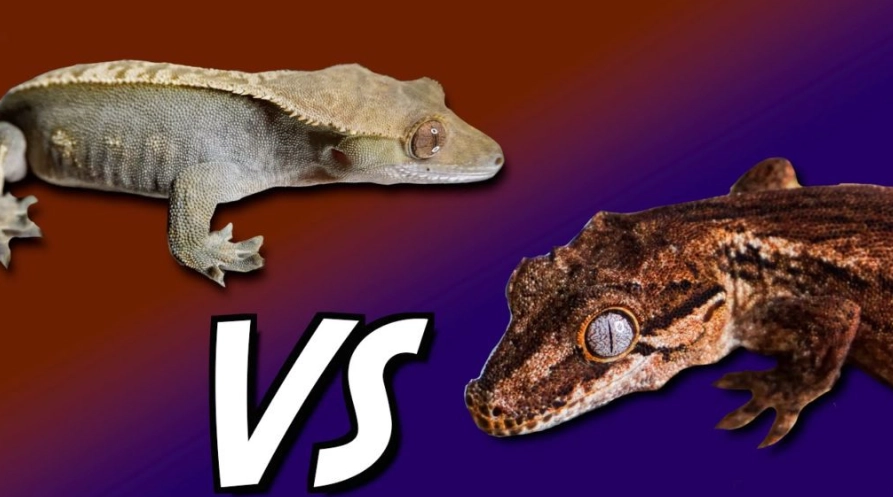
Horned Gecko Habitat: The Desert Floor
Think low and dry. A 20-gallon long tank is the minimum. They need floor space to patrol. Substrate is key: I use a mix of topsoil and play sand (avoid pure sand). You need a shallow water dish and hiding spots on both the warm and cool sides. The temperature gradient is simple: a basking spot of 85-88°F (29-31°C) and a cool side around 75°F (24°C). Humidity is low. I only mist one corner of the tank lightly every few days. The biggest mistake I see? Overcomplicating it. They don't need a jungle. A simple, clean desert setup with a few rocks and hides reduces stress.
Crested Gecko Habitat: The Rainforest Canopy
Think tall and humid. A 18x18x24 inch tall tank is the starting point. They live vertically. You must fill that space with branches, cork bark tubes, and live or artificial plants (like Pothos or Sansevieria) for climbing and hiding. Humidity is the main chore. You need to mist the tank heavily once or twice a day to spike humidity up to 80%, then let it fall back down. This requires a good mister and a hygrometer. Ventilation is critical to prevent respiratory infections—screen tops are a must. Their diet is easier in one way: the commercial powdered mixes (Pangea Fig & Insects flavor is a hit) are nutritionally complete. You just mix with water. But you still need to offer insects like small crickets once a week for enrichment.
Health & Lifespan: Long-Term Commitments
Both can live a long time with proper care. This isn't a short-term pet.
Horned Geckos typically live 10-15 years. Their main health issues are related to incorrect humidity (leading to stuck shed) or metabolic bone disease (MBD) from insufficient calcium supplementation on their insects. A shallow humid hide solves most shedding problems. They are generally hardy if their basic desert conditions are met.
Crested Geckos also live 15-20 years. Their common issues are often humidity-related: respiratory infections from stagnant, wet air, or retained shed from humidity that's too low. The tail-drop, while not a health crisis, is a permanent change. Floppy tail syndrome (FTS) is another issue, where they rest upside down, causing their tail to bend unnaturally—prevented by providing ample horizontal perches.
The lifespan means you're making a decade-plus commitment. Think about your life in 5, 10 years. Are you moving for college or a job? Both need stable environments.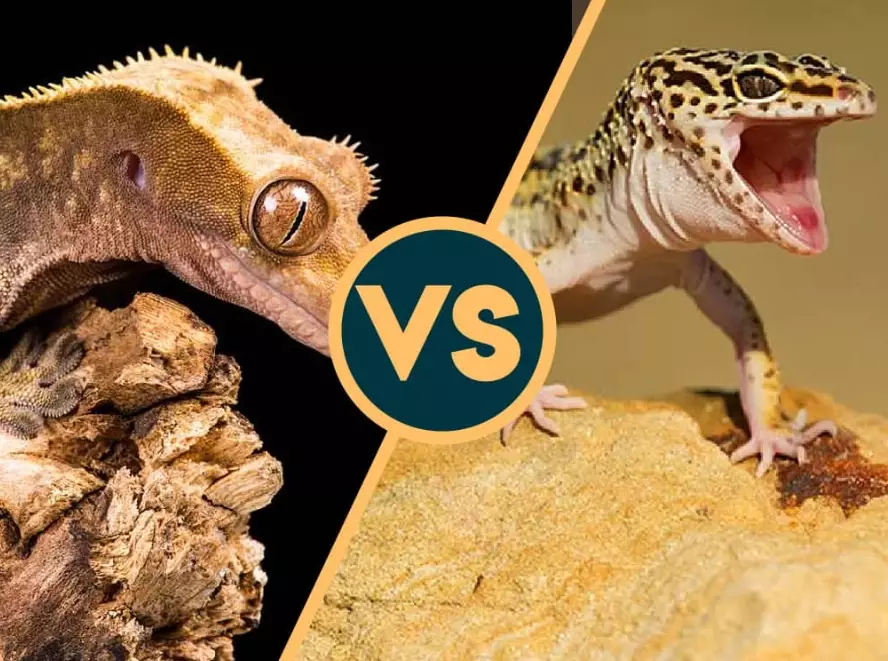
The Real Cost Breakdown (Beyond the Pet Store Price)
The initial gecko cost ($40-$100 for a crested, $50-$200+ for a horned, depending on morph) is just the start. Here's what you'll actually spend in the first year.
- Enclosure: Crested gecko tall tank ($100-$200). Horned gecko long tank ($80-$150).
- Heating/Lighting: Cresties need little to no heat if your home is 72-78°F; a low-wattage heat mat or CHE if cooler. Horned geckos need a proper heat lamp/UTH and thermostat ($50-$80).
- Décor & Substrate: $50-$100 for either, but cresties need more climbing structures.
- Ongoing Food: Horned geckos: Live insects + calcium/D3 powder ($15-$25/month). Crested geckos: Powdered diet ($20 for a bag lasting months) + occasional insects.
- Vet Fund: Put aside at least $200. Exotic vets are not cheap.
Year one for either gecko will likely run you $300-$500 minimum, all-in. After that, recurring costs are lower, mainly food and substrate changes.
How to Choose for Your Lifestyle
Let's make this personal. Don't just pick the prettier one.
Choose a Horned Gecko if: You want a calmer, more handleable pet that sits with you. Your home is dry (or you live in a dry climate). You don't mind dealing with live insects. You travel occasionally and need a pet that can skip a feeding or two without issue (adults eat every 2-3 days). You prefer a simpler, desert-themed tank.
Choose a Crested Gecko if: You are fascinated by watching active, acrobatic behavior at night. You're okay with more cautious handling. You can commit to a daily misting routine. You want the variety of incredible color morphs. You like the idea of a primary diet being a prepared powder (easier for some). You have space for a tall, planted terrarium that's a living piece of art.
I chose a horned gecko because my schedule is irregular, and I appreciated the lower humidity maintenance. My friend with the crested gecko loves the nightly activity and the challenge of creating a bioactive rainforest in her living room.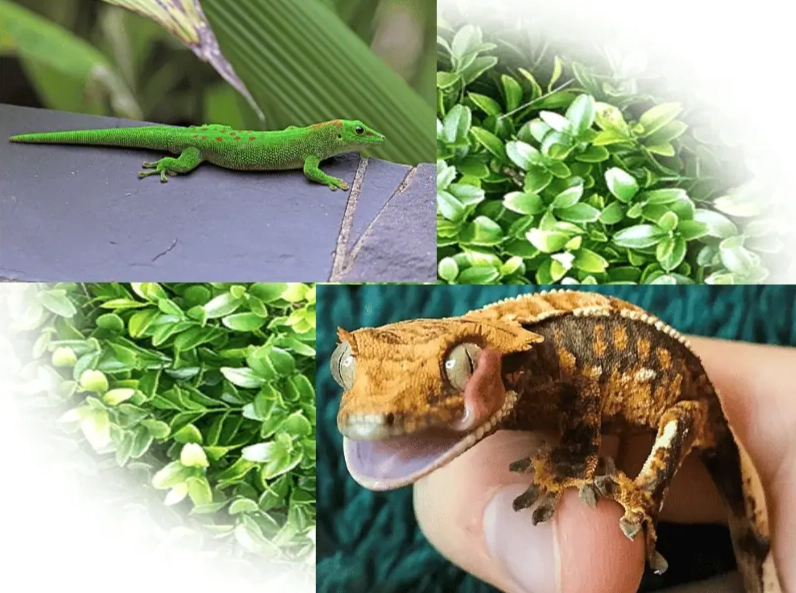
Your Questions, Answered
Which gecko is better for a beginner who gets nervous easily?
The horned gecko, hands down. Their slower movements and lower likelihood of making a frantic leap mean less stress for both you and the gecko during handling sessions. You can build confidence together. A startled crested gecko can turn into a flying surprise, which might make a nervous owner even more hesitant to interact.
I live in a very dry apartment. Does that automatically rule out a crested gecko?
Not automatically, but it adds a significant challenge. You'll need to mist more frequently and might need to invest in an automatic misting system or a room humidifier to maintain the necessary spikes. It's extra work and expense. A horned gecko would thrive in that dry environment with almost no adjustment, making your life much simpler.
My child really wants to hold the pet. Which is the safer choice?
This depends on the child's age and maturity. For younger children (under 10), a horned gecko is safer due to its calm nature and lack of a fragile, droppable tail. Always supervise and teach gentle handling. For an older, very careful child, a crested gecko can work, but you must drill into them the "no grabbing the tail" and "always sit on the floor" rules. The risk of a dropped tail is high with kids.
I've heard crested geckos can be fed just the powdered diet. Is that truly complete, and is it better than insects?
Yes, high-quality diets like Pangea or Repashy are formulated to be complete and balanced. It's one of the biggest advantages of cresties—it's clean, easy, and nutritionally sound. However, completely skipping insects is a missed opportunity for enrichment. Watching them hunt a cricket provides mental stimulation and natural behavior. Think of insects as a weekly treat, not the main course. For horned geckos, insects are non-negotiable.
Can these two geckos ever be housed together?
Absolutely not. Never house different reptile species together. Their environmental needs differ (dry vs. humid), they could transmit diseases to each other, and they would see each other as competitors or threats, leading to severe stress, injury, or death. They are solitary animals and should live alone.
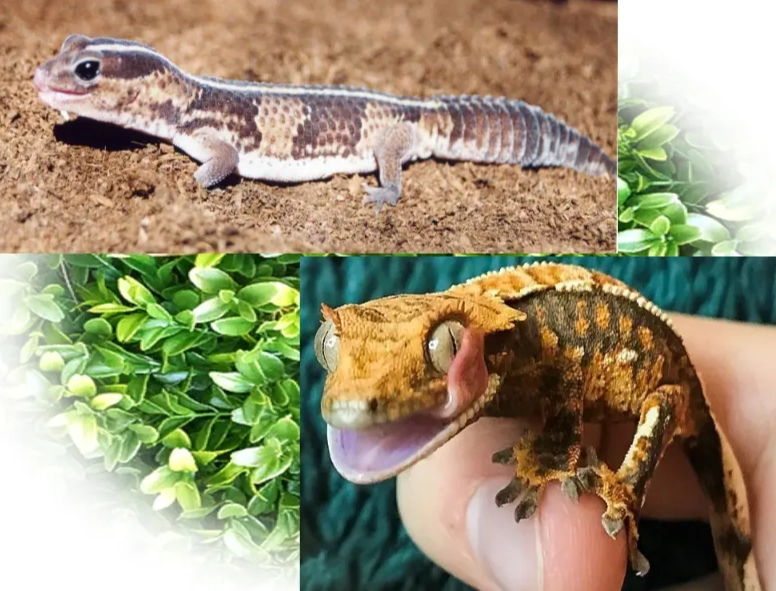 In the end, there's no universally "better" gecko. There's only the better gecko for you. The horned gecko offers a chill, low-maintenance companionship. The crested gecko offers vibrant beauty and fascinating nocturnal drama. Both will reward you with years of unique companionship if you match their needs to your lifestyle. Go see them in person at a reptile expo if you can. Watch how they move. That moment of connection often makes the choice clear.
Reader Comments