Let's be honest. When you hear "giant gecko," you probably picture a foot-long lizard crawling up your wall. The reality is more nuanced, and frankly, more interesting. "Giant gecko size" isn't just one number. It's a spectrum that dictates everything from the tank you buy to the food you serve and even the vet bills you might face. Getting this wrong is the single most common mistake new keepers make. I've seen too many beautiful Leachianus geckos stuffed into enclosures meant for a crested gecko, and it never ends well. This guide will cut through the noise. We'll look at actual sizes for popular species, show you how to measure correctly (most people don't), and explain why size isn't just about bragging rights—it's about animal welfare.
What's Inside: Your Quick Guide
What Defines a 'Giant' Gecko?
In the reptile world, "giant" is relative. We're not talking monitor lizard giant. For geckos, the term generally applies to species that consistently reach or exceed 8 inches (20 cm) in total length from snout to tail tip. The heavyweight champions come from New Caledonia, a group of islands in the South Pacific. The most famous is the New Caledonian giant gecko (Rhacodactylus leachianus), which is the undisputed king of mass and length. But other members of the Rhacodactylus genus, like the Gargoyle gecko (Rhacodactylus auriculatus), also fall into the "giant" category based on their robust build and potential size. It's less about a strict inch threshold and more about them being substantially larger and heavier than common pet geckos like leopard geckos or house geckos.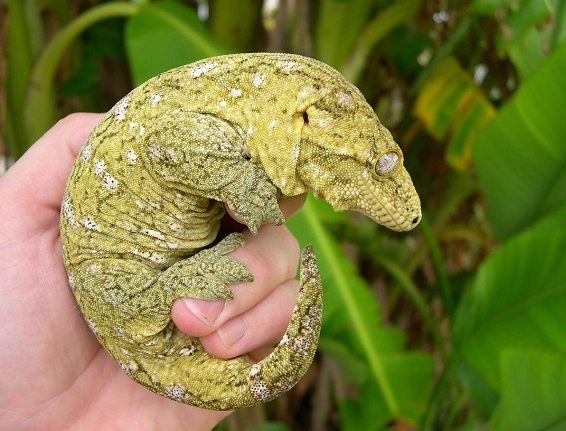
A Size Comparison of Popular Giant Gecko Species
Here’s where things get practical. Saying "they get big" is useless. You need numbers to plan. This table breaks down the key size metrics for the main giant gecko species you'll encounter. Remember, these are adult ranges. A juvenile Leachianus is tiny, but it won't stay that way.
| Species (Common Name) | Average Total Length | Average Weight (Adult) | Size Note & "Personality" |
|---|---|---|---|
| New Caledonian Giant Gecko (Leachianus) | 10 - 14 inches (25 - 35 cm) | 150 - 300 grams | The true giant. Mainland locales (like GT or Yate) are larger than island forms (like Pine Isle). Heavy-bodied and powerful. |
| Gargoyle Gecko | 7 - 9 inches (18 - 23 cm) | 60 - 90 grams | A "small giant." More manageable size but still stocky. Weight is a better health indicator than length here. |
| Mossy Prehensile-tailed Gecko | 6 - 8 inches (15 - 20 cm) | 40 - 70 grams | Length includes a strong, gripping tail. They are more slender than other giants but make the list due to length and ecology. |
| Chahoua (Chewie) Gecko | 10 - 12 inches (25 - 30 cm) | 80 - 120 grams | Long and lanky with a prehensile tail. They can be surprisingly lengthy but are much lighter-boned than a Leachianus. |
Notice the difference between length and mass. A Chahoua might be as long as a small Leachianus, but it's half the weight. That mass difference is critical. A 250-gram Leachianus needs perches that can handle serious weight and more floor space because it's less agile. A keeper once told me they thought their Chewie was underfed because it wasn't as thick as their friend's Leachie. Different species, different builds. Comparing them directly is a mistake.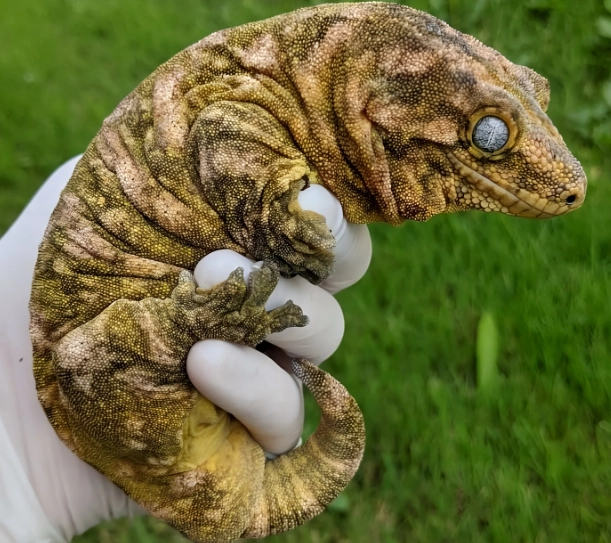
Locale Matters: With Leachianus geckos, the "locale" (geographic origin) is a major size determinant. A Grande Terre (GT) locale can hit 300+ grams, while a Nuu Ana island locale might top out at 180 grams. Always research the expected size of your specific locale, not just the species.
How to Measure Your Giant Gecko Accurately
Most guides tell you to use a ruler. That's a great way to stress out your gecko and get a useless measurement. A wiggling gecko is not a straight line. Here's the method I've used for years that actually works.
For Length: The Photography Trick
Don't chase them with a tape measure. Place them gently in a clear, empty plastic tub (like a sterilite container). Place a ruler or measuring tape flat underneath the tub. From above, take a photo when the gecko is relatively stretched out. You can then measure the image against the ruler in the background. It's stress-free and surprisingly accurate. This is especially good for total length (snout to tail tip) and Snout-to-Vent Length (SVL), which is from the snout to the cloaca. SVL is often used in scientific reports because tails can break and regenerate.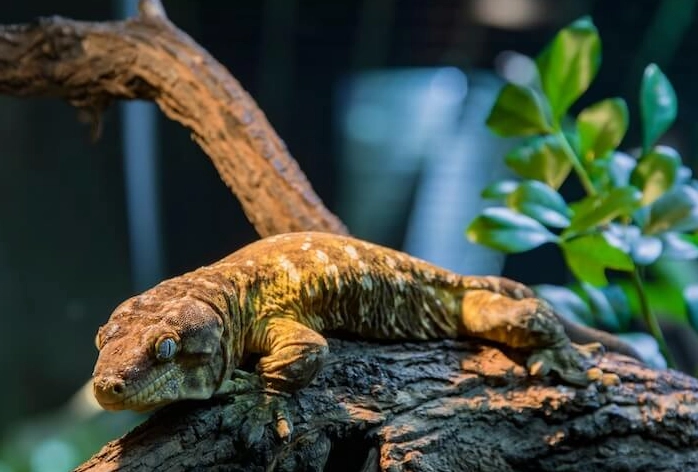
For Health: The Weight is Right
Forget length for routine health checks. Weight is your best friend. A digital kitchen scale that measures in grams is a $20 must-have. Weigh your gecko monthly. Record it. A stable or slowly increasing weight in an adult is ideal. A sudden drop is a red flag long before you see visible ribs. I keep a simple spreadsheet. When my male Gargoyle gecko dropped 5 grams in a month for no apparent reason, a vet visit caught a early-stage protozoan infection. Weight doesn't lie.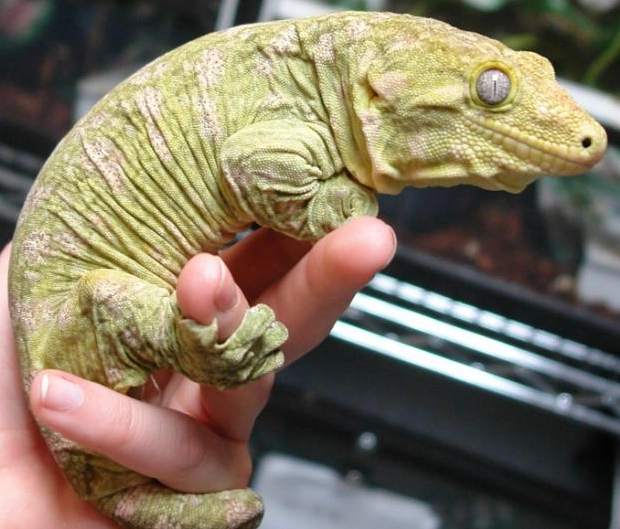
The Critical Link Between Size and Enclosure Needs
This is the most practical application of understanding size. A 12-inch gecko is not just a 6-inch gecko times two. It needs exponentially more space. The classic "rule" is a minimum of 20 gallons for a small giant like a Gargoyle, but I find that bare minimums lead to bored, stressed animals.
Here’s my sizing logic, born from seeing what works:
- Gargoyle Gecko (Adult): Start with an 18"x18"x24" tall enclosure. This gives room for a thermal gradient, multiple feeding stations, and climbing space. A 12"x12"x18" is too small for a healthy adult, despite what some kits sell you.
- Leachianus Gecko (Adult): This is where people fail. For a mainland locale, nothing less than 24"x18"x24" (like an Extra Large Tall Zoo Med) is acceptable. For a large male, I prefer 36"x18"x24" or larger. They use the floor space. They need heavy, solid branches—flimsy vines won't cut it. The enclosure isn't just a home; it's a weight-bearing structure.
The bigger mistake than a slightly small tank is a poorly laid-out one. A huge, empty tank is just as bad. The key is volume utilization. Fill that vertical space with cork rounds, branches, and foliage. A gecko should be able to travel from one side of the tank to the other without touching the ground, using your hardscape. That's how you judge if the size is right.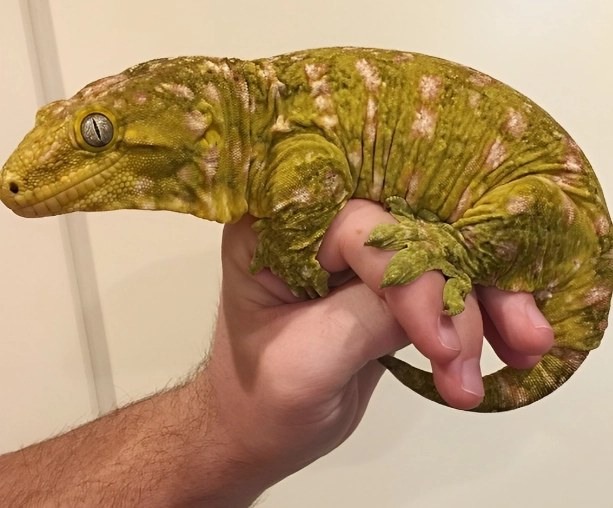
Common Growth Problems and How to Avoid Them
"My gecko isn't getting big." I hear this often. Sometimes it's genetics, but often it's husbandry.
Problem 1: The Under-Feeding of Juveniles. Baby giant geckos grow incredibly fast. They need near-daily access to a high-quality Complete Diet Powder (CDP) like Pangea or Repashy. Offering only insects or offering food just twice a week will stunt growth. The first year is critical.
Problem 2: The Over-Feeding of Adults. The opposite issue. Once they reach 18-24 months, growth plateaus. Continuing to feed a rich diet daily leads to obesity, particularly in slower-moving species like Leachianus. An obese gecko isn't a healthy "big" gecko; it's a gecko at risk for fatty liver disease. Adults do well on food offered 2-3 times per week.
Problem 3: Incorrect Temperature. Giant geckos need a thermal gradient to properly digest and metabolize food. A constant, cool temperature (below 72°F/22°C) will slow their metabolism to a crawl. Provide a warm spot of 78-82°F (26-28°C) using a low-wattage heat source on a thermostat.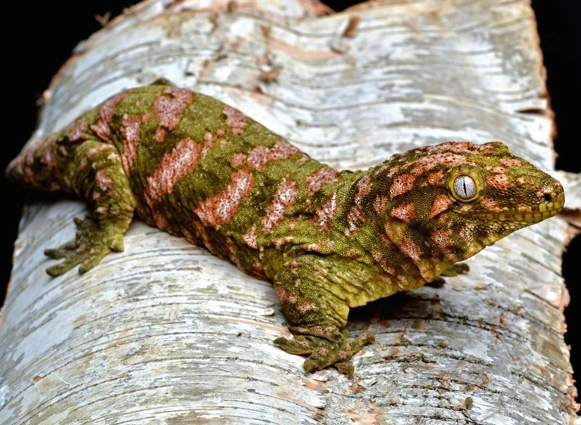
Beyond Length: Other Size-Related Considerations
Size influences more than just the tank.
- Handling: A 50-gram Gargoyle gecko can be handled with gentle confidence. A 250-gram adult Leachianus is powerful. Their grip can break skin, and a startled jump from a height can injure them. Support their entire body, and always handle over a soft surface.
- Cost: Everything scales up. Larger enclosures cost more. You use more substrate. UVB bulbs need to cover a larger area. Vet medication is dosed by weight, and seeing a specialist for an exotic often has a base fee—treating a larger animal isn't necessarily more expensive, but the initial investment in proper housing certainly is.
- Breeding: Size and weight are direct factors in breeding readiness. Females should be at the upper end of their species' weight range and at least 18 months old before being introduced to a male. Breeding a too-small female is a recipe for egg-binding and disaster.
Reader Comments