Yes, frog-eyed geckos (Teratoscincus scincus) are strictly nocturnal. That's the short, definitive answer most care sheets will give you. But if you stop there, you're missing the whole story. This isn't just a trivia fact—it's the master key that unlocks their entire care regimen, from lighting and heating to feeding schedules and behavioral enrichment. Getting this wrong is the single biggest mistake new keepers make, often leading to stressed, reclusive geckos that never truly thrive. I've seen it happen too many times. Let's break down what "nocturnal" really means for these fascinating little desert dwellers, beyond the textbook definition.
What You'll Discover
The Proof Is in the Behavior: Signs of a Nocturnal Life
You won't catch a healthy frog-eyed gecko sunbathing under a basking lamp at noon. Their entire biology is fine-tuned for the cool, dark hours. The most obvious sign? Activity. In the evening, as ambient light fades, you'll hear the first signs: soft scratching as they emerge from their burrows. This is their world. They'll patrol their territory, dig new tunnels, and hunt with purpose.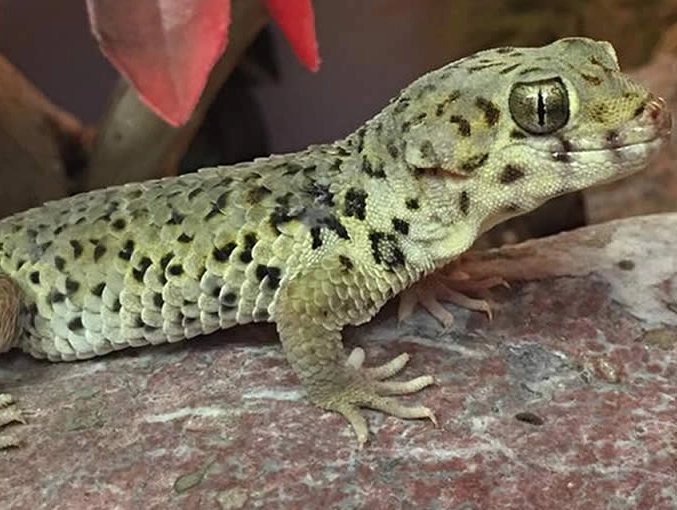
Their physical adaptations scream "night specialist." Those huge, bulbous eyes—the feature that gives them their name—aren't for show. They function like high-aperture camera lenses, gathering every available photon of moonlight or starlight. Their vertical, slit-shaped pupils can open incredibly wide in darkness and contract to a tiny pinhole to protect their sensitive retinas from any sudden light. Compare that to a diurnal gecko's round pupil, and the difference in lifestyle is obvious.
Their coloration is another clue. Mostly muted tans, yellows, and browns with subtle patterns. It's perfect camouflage against sandy substrates under low-light conditions, not for blending into sun-drenched foliage. Even their skin feels different—delicate and papery, which may help with moisture retention in arid nighttime environments and makes them exceptionally prone to damage from rough handling (a key reason they're often labeled as "look, don't touch" pets).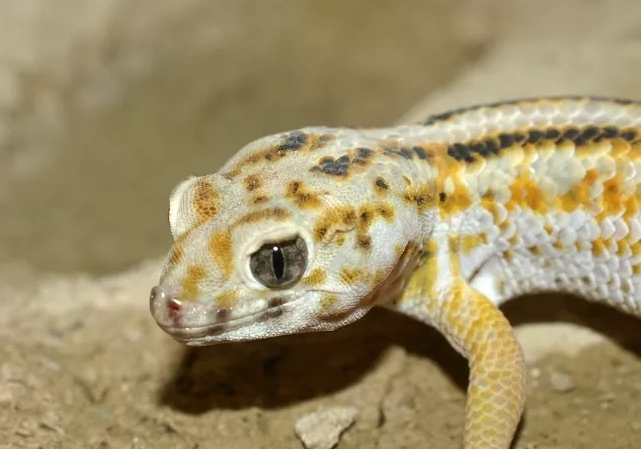
More Than Just Hiding: Understanding Crepuscular vs. Nocturnal
Some keepers get confused. They see their gecko become active at dusk and think "crepuscular" (active at dawn/dusk). For frog-eyed geckos, dusk is merely the starting gun. Their peak activity window typically extends deep into the night, often for several hours after full darkness. True crepuscular animals usually settle down in the middle of the night. If you use a discreet night-vision camera, you'd likely catch your Teratoscincus still on the move at 2 AM, long after a crepuscular leopard gecko has called it a night.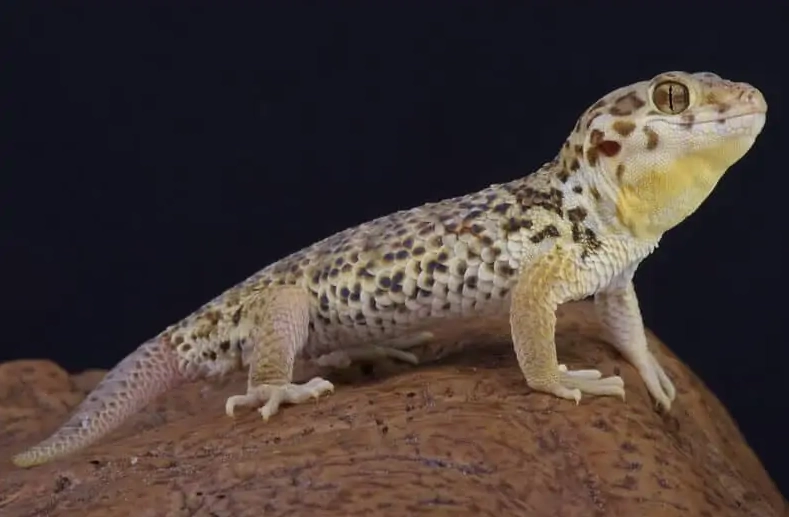
How Nocturnal Behavior Dictates Perfect Care
This is where the rubber meets the road. Knowing they're nocturnal isn't enough; you have to let that fact redesign your entire approach.
Lighting is the first and most critical pillar. They do not require, and are often stressed by, bright white lights or UVB bulbs meant for daytime basking reptiles. Their enclosure should have a clear, consistent day/night cycle. Use a low-wattage, non-light-emitting heat source like a ceramic heat emitter (CHE) or a deep heat projector (DHP) connected to a thermostat to maintain a gentle heat gradient (about 75-80°F / 24-27°C on the warm end, with a cool spot around 70°F / 21°C). The light for their "day" should come from the room ambient light, not a dedicated, intense reptile lamp. This simulates the natural dim light that filters into their burrows.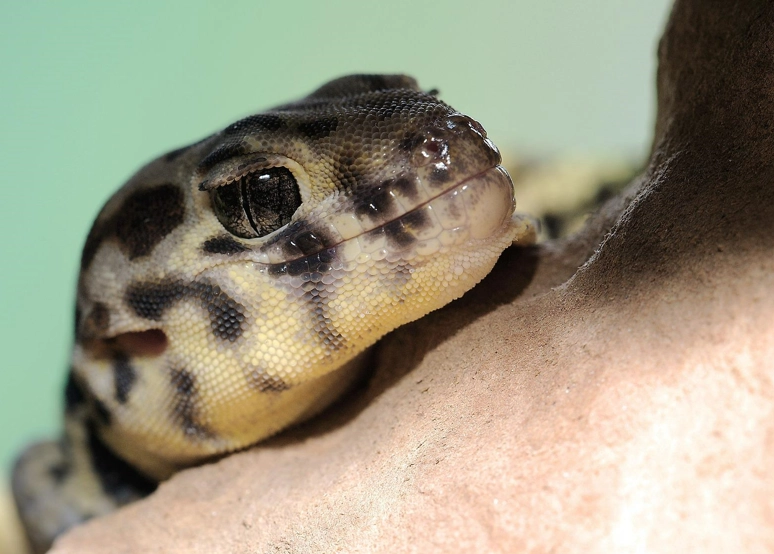
The substrate is their canvas. A deep layer (6 inches minimum) of a sandy-soil mix is non-negotiable. This isn't just flooring; it's their behavioral outlet. A frog-eyed gecko without adequate digging depth is a frustrated gecko. They spend their days buried securely and their nights remodeling their tunnel networks. I recommend a mix of 60% topsoil (with no fertilizers or vermiculite) and 40% washed playsand. It holds burrows perfectly.
Feeding time is after dark. Drop feeders (like small crickets, dubia roach nymphs) into the enclosure just as the room lights go off. This aligns with their natural hunting instincts. You'll have more success watching them eat using a red light (which they see poorly) or observing the aftermath—fewer crickets in the morning. Always dust feeders with a quality calcium and vitamin D3 supplement since their lack of direct UVB exposure means they must get D3 from their diet.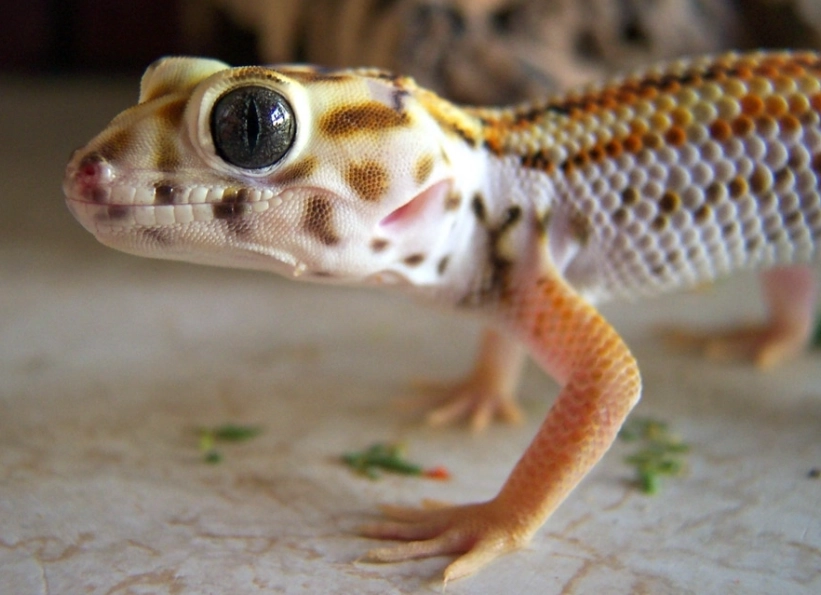
The Night Light Trap: A Common Mistake to Avoid
Here's a specific, often overlooked error that stems from misunderstanding their nocturnality. Many reptile product lines sell "nighttime" or "moonlight" bulbs that emit a red, blue, or purple glow. The marketing suggests they allow you to watch your pet without disturbing it. For frog-eyed geckos, this is problematic.
While their color vision is different from ours, current understanding suggests they can still perceive many of these colored lights. A red bulb doesn't create true darkness; it creates a monochromatic red world, which can still disrupt their circadian rhythm and cause chronic low-grade stress. The best practice for observing nocturnal activity is to use a dedicated, passive night vision device or camera. The second-best is a very dim, indirect light source from another room. That deep, uninterrupted darkness is crucial for their well-being.
Reading Your Gecko's Nocturnal Health Signals
A healthy nocturnal gecko is a secretive one. Paradoxically, seeing them out and about during the day is often a red flag. It can indicate excessive stress, an incorrect thermal gradient (they can't get warm enough at night, so they seek heat by day), or illness. The signs of health are primarily observed in the enclosure's condition and through brief nighttime checks:
- Evidence of Digging: Freshly collapsed tunnels, new pits, and substrate displacement every morning. No digging often means stress or poor substrate.
- Consistent Feeding: Disappearing feeder insects and occasional gecko feces (which are firm with a white urate).
- Clear Eyes and Intact Skin: During rare handling or photos, their eyes should be clear and their fragile skin free of tears or retained shed.
- Alertness at Night: When briefly observed with minimal disturbance, they should move purposefully, not lethargically.
Your Nocturnal Care Questions, Answered
Embracing the nocturnal reality of the frog-eyed gecko transforms them from a pet you rarely see into a fascinating natural history project you observe on their terms. Success lies in replicating the quiet, dark, thermally-cycled world of the Central Asian deserts after sunset. Get that right, and you'll be rewarded with a captivating, naturally behaving creature that is the very definition of a thriving nocturnal reptile.
Reader Comments