You see them all over Instagram and reptile expos—vibrant, patterned "fancy" leopard geckos with captivating colors. The big question that stops most potential owners is simple: Are fancy leopard geckos friendly? The short, honest answer is: they can be, brilliantly so, but not in the way a dog or cat is friendly. Their friendliness is a quiet trust, earned through patience and understanding their unique lizard brain. I've kept them for over a decade, and my first gecko, a normal morph named Pumpkin, taught me more about reptile trust than any care sheet could.
Calling a reptile "friendly" is a bit of a human projection. They don't seek companionship. What we interpret as friendliness is really a state of being docile, tractable, and tolerant of interaction. A "friendly" leopard gecko is one that feels secure enough in its environment and with you that it doesn't perceive handling as a life-threatening event. This state is achievable for nearly every individual, fancy morph or not.
What's Inside This Guide?
What Makes a Leopard Gecko 'Friendly'?
Forget wagging tails. Reptile friendliness is subtle. Here’s what it actually looks like:
- Voluntary Approach: The gecko walks toward your hand when it's in the enclosure, not away from it.
- Calm Exploration: When handled, it moves slowly, sniffing and climbing on you without frantic scrambling.
- Relaxed Body Language: A flat body posture, not tensed or arched. A slow, curious tail wag (different from the rapid, defensive tail shake).
- No Hiding: It doesn't immediately bolt for its hide when you open the tank lid.
This isn't affection. It's the highest form of reptile compliment: you are not a predator. You are a weird, warm tree that sometimes provides food.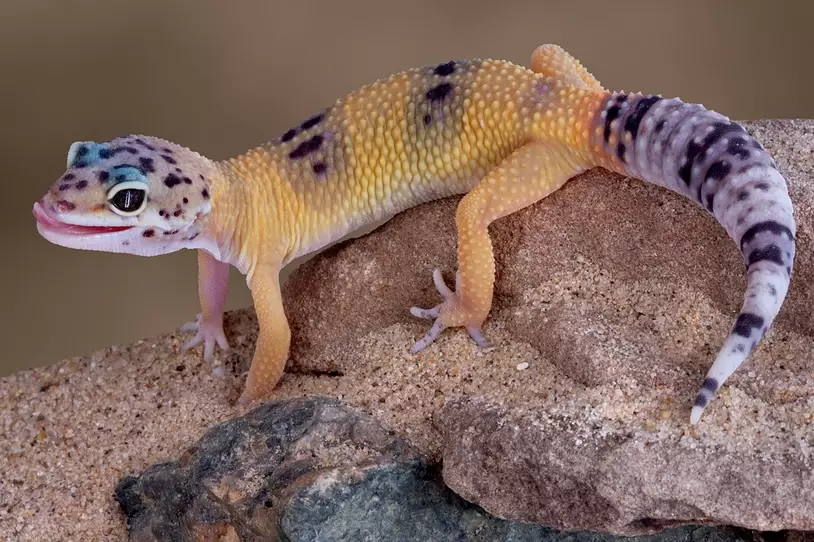
Expert Insight: A huge misconception is that a sleeping or hiding gecko is being "unfriendly." Leopard geckos are crepuscular (most active at dawn/dusk). Expecting them to be alert and interactive in the middle of the day is like someone waking you up at 3 AM and expecting a cheerful chat. Judge their temperament during their active hours.
Key Factors That Shape Their Temperament
Why is one gecko calm while another is skittish? It's not random. These elements build their personality.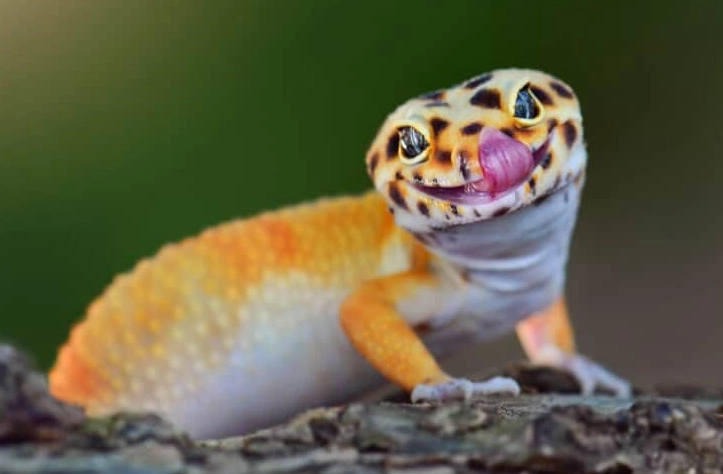
1. Genetics and Early Life (The Breeder's Role)
This is the foundation. A gecko from a breeder who regularly and gently handles hatchlings from a young age will be vastly more accustomed to humans than one from a mill-style operation where they are only touched during cage cleaning. Ask your breeder about their handling practices. It matters more than the morph's price tag.
2. Your Husbandry (The Bedrock of Trust)
A stressed gecko can never be friendly. Stress comes from poor living conditions. If the basics are wrong, you're fighting a losing battle.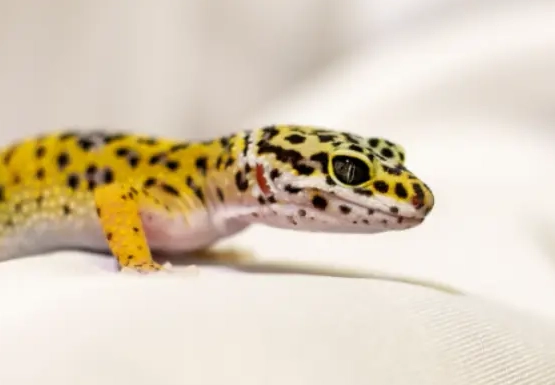
| Husbandry Factor | Why It Affects Temperament | The "Friendly" Setup |
|---|---|---|
| Temperature Gradient | Incorrect temps hinder digestion and metabolism, causing constant low-grade stress. | A warm side of 88-92°F (31-33°C), a cool side around 75°F (24°C). Use a thermostat-controlled under-tank heater. |
| Hides & Security | Without secure, snug hides, a gecko feels exposed and vulnerable 24/7. | At least three hides: warm, cool, and a humid hide for shedding. Entrances should be just big enough for them. |
| Tank Size & Layout | Too small = stress. Too open = stress. It's a delicate balance. | A 20-gallon long minimum for one adult. Clutter the space with fake plants, cork flats, and rocks to break sightlines. |
| Feeding Routine | Hunger is a primal stressor. An inconsistent feeder is an anxious gecko. | Feed a consistent diet of gut-loaded insects (crickets, dubias, mealworms) 2-3 times a week for adults. |
Get these wrong, and you're essentially asking a hungry, cold, and scared animal to be your buddy. It won't happen.
3. The "Fancy" Morph Myth
Here's a non-consensus point you won't hear from many morph sellers: There is zero evidence that morph genetics (like Mack Snow, Blizzard, or Diablo Blanco) are linked to inherent temperament. The idea that a "Tangerine" is friendlier than an "Albino" is folklore. I've handled nervous, expensive Enigmas and unflappably calm, common High Yellows. Personality is individual and shaped by factors 1 and 2. Don't pay a premium for a color expecting a personality guarantee.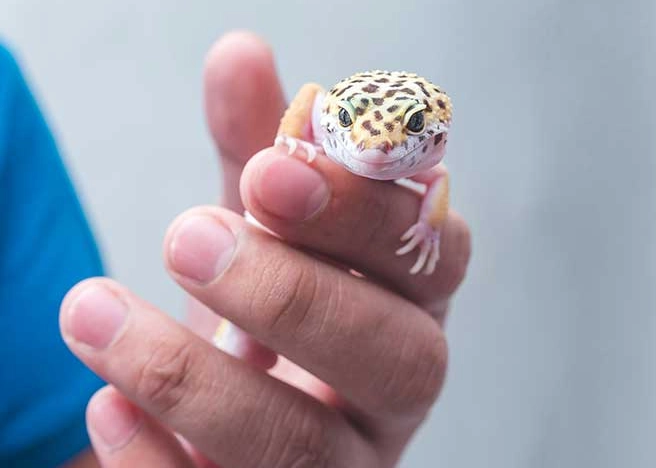
How to Build Trust and Handle Your Gecko Properly
Assuming your husbandry is perfect, here's the actionable, step-by-step process. Rushing this is the #1 mistake.
Week 1-2: The Settling-In Period (NO HANDLING)
Leave it completely alone. Just change water and feed. Let it learn its new home is safe. This is agonizing but critical.
Week 3: Presence Training
During its active evening hours, sit by the tank. Talk softly. Place your hand inside, resting flat and still on the substrate for 5-10 minutes. Don't move toward it. Let it observe you. Do this daily. The goal is to desensitize it to your presence and scent.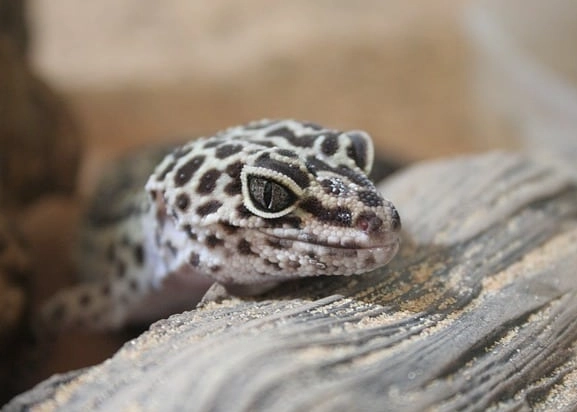
Week 4: The First Contact
Place your hand palm-up in front of it. Gently scoop or coax it onto your hand from the side or below. Never grab from above. That's a predator move. Keep the first session short—2-3 minutes max, close to the ground over a soft surface. If it jumps, stay calm.
Ongoing: Building the Routine
Handle for short, positive periods, 10-15 minutes every other day. Always support its entire body and let it walk from hand to hand. End the session before it shows stress. Associate your hand with good things—some people offer a favorite treat (like a waxworm) after handling.
The Cardinal Rule: If it's shedding, has just eaten, or looks lethargic, skip handling. You'll undo weeks of progress. A stressed gecko may drop its tail (caudal autotomy), a traumatic event that resets all trust to zero.
Common Mistakes That Destroy Trust
I've seen these ruin a gecko's temperament time and again.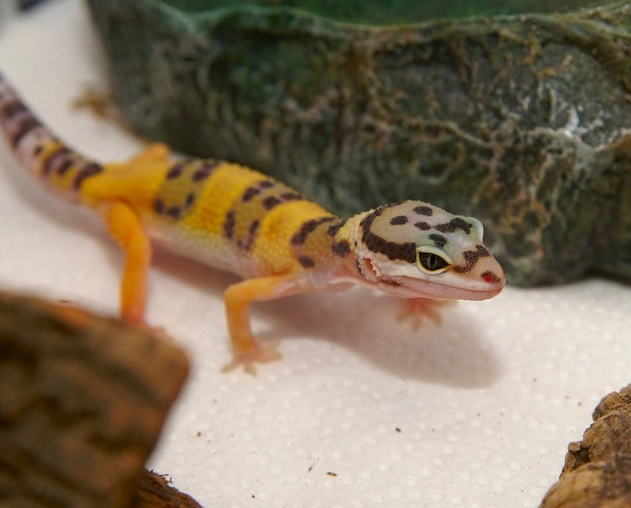
- Chasing it around the tank. You're playing the predator. Use a hide to gently corral it if you must.
- Handling during the day. You're disturbing its essential sleep.
- Overhandling. Even the friendliest gecko needs days off. It's not a toy.
- Loud noises/vibrations. Don't place the tank next to a speaker or in a high-traffic hallway.
- Forcing interaction when it's clearly scared. Read the body language. If it's frantically trying to escape, put it back.
Avoid these, and you're 90% of the way there.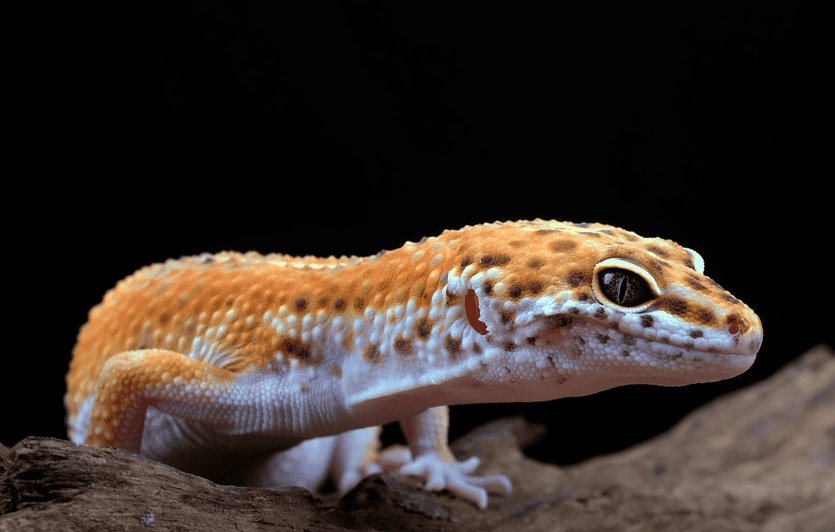
Your Friendly Gecko Questions Answered
So, are fancy leopard geckos friendly? They possess the potential for a wonderful, docile companionship that's incredibly rewarding. Their friendliness isn't given; it's carefully built. It's the product of impeccable care, profound patience, and a willingness to understand the world from the perspective of a small, spotted lizard. Provide a perfect home, respect its boundaries, and move at its pace. The day your gecko voluntarily climbs onto your hand and settles in, you'll have your answer—a quiet, profound yes.
Reader Comments