Quick Navigation
Let's be honest, the world of pet snakes can seem a bit intimidating at first. You hear words like "constrictor" and "rodent diet," and your mind might jump to complex, high-maintenance creatures. But then there's the corn snake. I remember the first time I held one at a local reptile expo years ago—it was curiously tongue-flicking my hand, calm as anything, with these beautiful, almost jewel-like patterns. It felt more like holding a piece of living art than a "scary" snake. That experience stuck with me.
If you're here, you're probably wondering if a corn snake is the right pet for you. Maybe you're a first-time reptile owner, or perhaps you're looking for a manageable, fascinating animal that doesn't demand the space of a boa or the specific humidity of a tropical species. You've come to the right place. This isn't just a quick list of facts; it's the deep dive I wish I had when I started. We're going to talk about everything from picking out your first baby corn snake to creating a perfect home for it, what to feed it (and what not to do), and how to build a bond with a creature that's far more perceptive than people give it credit for.
Why the Corn Snake Reigns Supreme for Beginners: It's not just hype. Corn snakes (Pantherophis guttatus) consistently top "best beginner snake" lists for solid, practical reasons. They're generally docile, they come in a mind-boggling array of colors and patterns (morphs), they stay a manageable size (typically 3 to 5.5 feet), and they have relatively straightforward care requirements. They're the hardy, forgiving, and endlessly interesting gateway into herpetology.
Getting Started: Your Corn Snake's First Home
You wouldn't move into an empty apartment, right? Your new corn snake needs a fully set-up and stable home before it arrives. This is the single biggest mistake new owners make, and it causes so much avoidable stress for the animal. The setup isn't complicated, but each piece matters.
The enclosure is your foundation. For a baby or juvenile corn snake, a 10 to 20-gallon tank or a similarly sized plastic reptile enclosure works fine. But think ahead. An adult corn snake will need more room to stretch out and explore. The widely accepted minimum for an adult is a 40-gallon breeder tank (36"x18"x16"), but I'm a firm believer in bigger being better if you can manage it. A 4x2x2 foot enclosure is becoming a popular standard for responsible adult corn snake housing. The key is security—these snakes are escape artists. A tightly fitted, locking screen lid or a front-opening terrarium with secure locks is non-negotiable.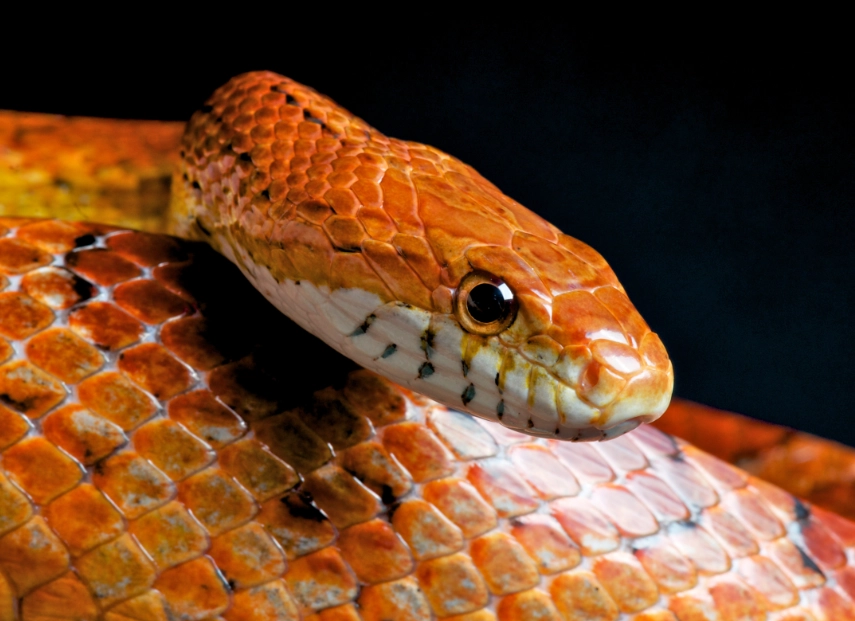
Escape Alert: Seriously, lock it down. I've heard one too many sad stories of a missing snake found weeks later behind the fridge. They can flatten their bodies and squeeze through gaps you'd swear were impossible. Check all vents and lid clips.
The Heat is On: Creating the Right Climate
Corn snakes are ectotherms. They don't generate their own body heat; they rely on their environment to regulate their temperature. This means you need to provide a thermal gradient—a warm side and a cool side in the enclosure. This allows the snake to move around to warm up or cool down as needed, which is crucial for digestion and overall health.
- Warm Side: Aim for a surface temperature (measured with a digital infrared thermometer gun—get one, they're cheap and essential) of about 85-88°F (29-31°C) on the spot directly under or above the heat source.
- Cool Side: This area should sit comfortably between 70-75°F (21-24°C).
- Nighttime: A slight drop is natural and beneficial. Don't let the ambient temperature fall below 70°F.
For heating, an under-tank heater (UTH) attached to a reliable thermostat is the gold standard for providing belly heat, which aids digestion. The thermostat is critical—it prevents the pad from overheating and burning your snake. You can supplement with a low-wattage ceramic heat emitter or a deep heat projector for ambient warmth if your room is cool, but avoid heat rocks (they cause severe burns) and colored light bulbs at night (they can disrupt the snake's day/night cycle).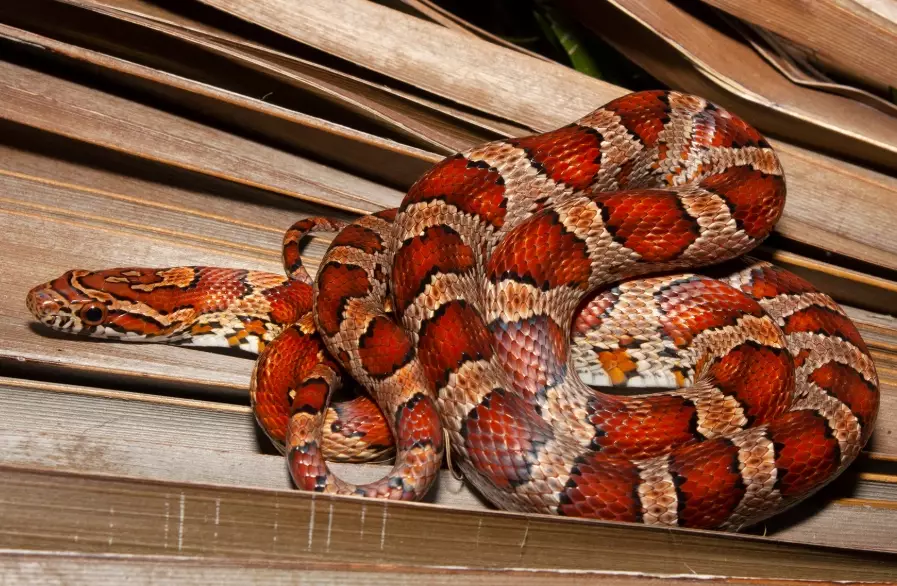
Humidity and Hiding Spots
Humidity is often overcomplicated. For most of the year, your corn snake's humidity should be around 40-50%. You can measure this with a simple digital hygrometer. During shedding time, you'll want to bump it up to 60-70%. A simple way to do this is to provide a "humidity hide"—a fully enclosed hide box (like a plastic container with a hole cut in the side) filled with damp (not wet) sphagnum moss.
Speaking of hides, you need at least two: one on the warm end and one on the cool end. Snakes feel vulnerable and stressed without secure, snug places to hide. The hide should be just big enough for the snake to curl up inside and touch the sides—a feeling of security. Add some clutter like fake plants, branches, and cork bark tubes. A bare tank is a stressed snake. Give them things to explore and rub against when they shed.
Good for maintaining higher humidity or bioactive setups. Temporary setups, health monitoring. Enclosures that need a humidity boost.
| Substrate (Bedding) Option | Pros | Cons | Best For |
|---|---|---|---|
| Aspen Shavings | Inexpensive, holds burrow shapes well, easy to spot clean. | Molds easily if wet, doesn't hold humidity. | Beginners, most setups in low-humidity homes. |
| Coconut Fiber/Coir | Holds humidity well, natural look, good for burrowing. | Can be dusty when dry, may stick to food items. | Good for maintaining higher humidity or bioactive setups. |
| Paper Towels/Butcher Paper | Extremely simple, sterile, great for quarantine or sick snakes. | Unsightly, offers no enrichment for burrowing. | Temporary setups, health monitoring. |
| Cypress Mulch | Holds humidity decently, resists mold, naturalistic. | Can be more expensive, source sustainably. | Enclosures that need a humidity boost. |
My personal go-to for years has been aspen. It's just easy, and watching my corn snake tunnel through it never gets old.
Feeding Your Corn Snake: The What, When, and How
This is the part that makes some people squeamish, but it's a fundamental part of snake ownership. In the wild, a corn snake's diet consists primarily of small rodents, birds, and their eggs. In captivity, we feed pre-killed (frozen-thawed) rodents. It's safer for the snake (no risk of a mouse bite causing an infection) and more humane for the prey.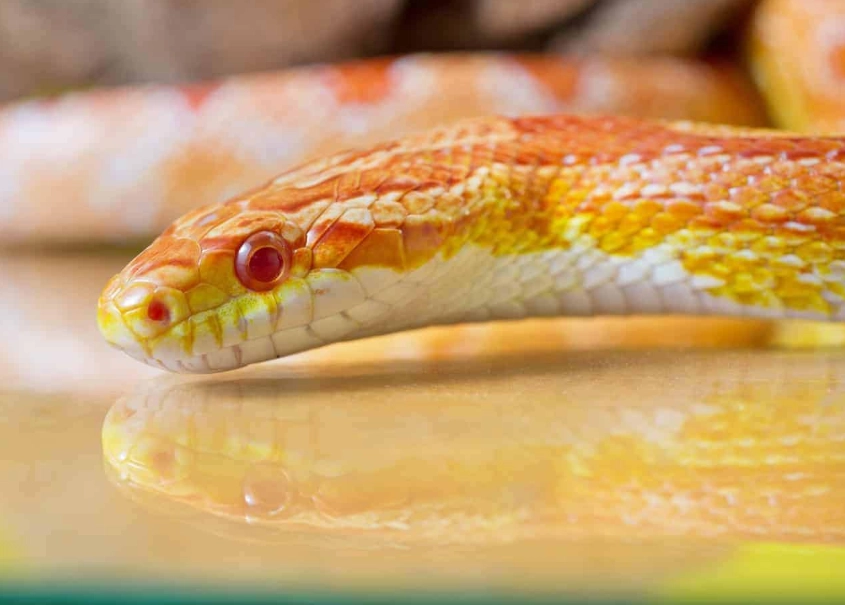
The rule of thumb for prey size: it should be no wider than the widest part of the snake's body. A mouse that leaves only a slight bulge is perfect. Overfeeding leads to obesity, which is a serious health problem in captive snakes.
- Hatchlings (0-6 months): Pinky mice every 5-7 days.
- Juveniles (6-18 months): Fuzzy or hopper mice every 7-10 days.
- Sub-Adults to Adults (18+ months): Adult mice or small weaned rats every 10-14 days.
Pro-Tip for Fussy Feeders: Sometimes a baby corn snake might be hesitant to take frozen-thawed. Ensure the prey is thoroughly warmed (use warm water, never a microwave). You can try "braining" the prey (a grim but effective method of exposing brain matter) or wiggling it with tongs to simulate life. Patience is key. For more advanced feeding strategies and troubleshooting, resources like Reptiles Magazine have excellent, in-depth articles from experienced breeders.
Always feed in the enclosure. The old myth of feeding in a separate tub to prevent "cage aggression" is just that—a myth. Moving a snake to feed stresses it and increases the chance of a regurgitation. Use feeding tongs to offer the prey, which also protects your fingers from an over-enthusiastic strike.
What about water? A heavy, tip-proof water bowl large enough for the snake to soak in if it chooses should always be available, with fresh water changed regularly. You'll often find your corn snake taking a drink, and soaking can help with shedding.
Handling and Personality: Getting to Know Your Snake
This is the rewarding part. Corn snakes are known for their generally calm disposition, but they're individuals. Some are curious and bold, others are more shy. The key to a handleable snake is consistent, gentle interaction.
Rule #1: Leave it alone for at least a week after you bring it home, and for 48 hours after every feeding. Handling during digestion can cause regurgitation, a serious health setback.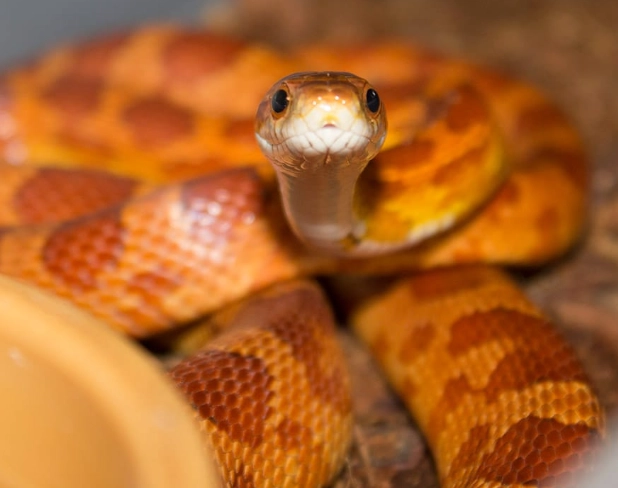
When you do handle, be confident and supportive. Don't grab from above like a predator. Slide your hands under its body, supporting as much of its length as possible. Let it move through your hands. Keep sessions short at first (5-10 minutes), and always wash your hands before and after. They might musk (release a smelly substance) if scared when young, but this behavior usually stops as they get used to you.
I've found that my corn snake is most active and curious in the evening. Handling during its natural active periods often leads to more engaging interactions. Don't be surprised if it flicks its tongue on you constantly—that's how it "smells" and gathers information about its world, including you.
Corn Snake Q&A: Your Top Questions Answered
Q: Are corn snakes venomous?
A: Absolutely not. Corn snakes are non-venomous constrictors. They are harmless to humans.
Q: How long do corn snakes live?
A: With proper care, they are incredibly long-lived pets. A lifespan of 15 to 20 years is common, and some live well into their 20s. Getting a corn snake is a long-term commitment.
Q: Do I need to provide UVB lighting?
A: It's not strictly necessary for survival, as they get their Vitamin D3 from their diet. However, a growing body of evidence and expert opinion suggests that low-level UVB lighting (like a ShadeDweller or Forest 6% tube) can provide behavioral and physiological benefits, promoting more natural activity and potentially better overall health. It's becoming a recommended part of advanced care.
Q: My snake won't eat! What's wrong?
A: First, don't panic. Snakes can fast for weeks, even months, especially adult males during breeding season. Check your temperatures—incorrect temps are the #1 cause of feeding refusal. Ensure you're not handling it too much, and that it feels secure. If a fast lasts more than 8-10 weeks for a juvenile or is accompanied by weight loss, consult a reptile vet.
Q: Can I house two corn snakes together?
A: No. Corn snakes are not social animals. Cohabitation leads to competition for resources (heat, hides), stress, and even cannibalism. They should always be housed separately.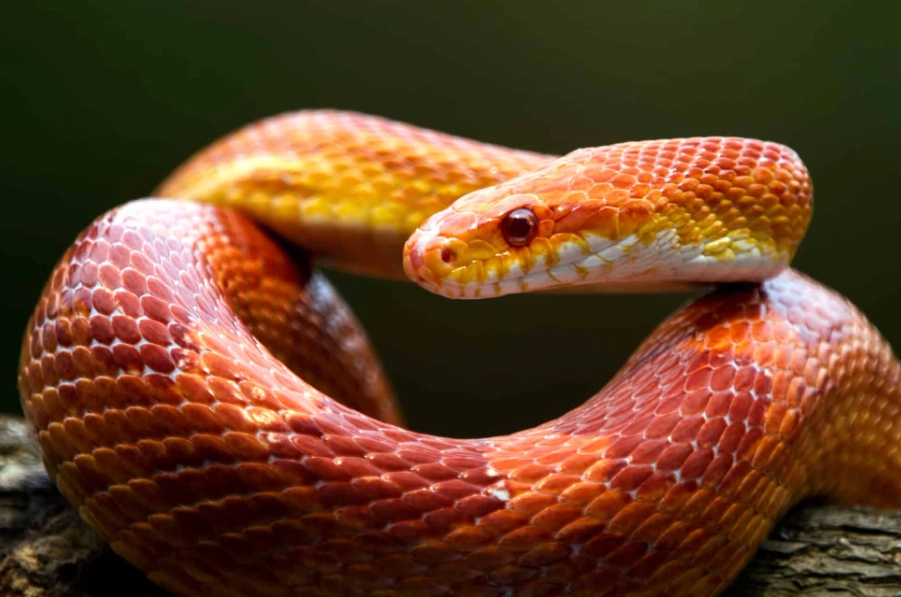
Health and Wellness: Spotting Trouble
A healthy corn snake is alert, has clear, bright eyes (except when in "blue" before a shed), a firm, rounded body, and breathes quietly with its mouth closed. Here are red flags:
- Mites: Tiny black or red dots moving on the snake or in the water bowl. They look like pepper. A serious issue requiring immediate treatment.
- Respiratory Infection (RI): Wheezing, clicking sounds, mucus bubbles in the mouth or nostrils, holding the head up and gaping. Often caused by incorrect temperatures or humidity.
- Stuck Shed: Patches of old skin, especially over the eyes (eye caps), remaining after a shed. This is a sign of low humidity.
- Regurgitation: Bringing up a meal, often whole. More serious than vomiting. Requires a vet visit and a careful feeding restart.
The best thing you can do is find a reptile-savvy veterinarian before you have an emergency. Not all vets treat exotics. The Association of Reptilian and Amphibian Veterinarians (ARAV) has a reliable find-a-vet tool on their website. A yearly check-up is a good practice for any pet snake.
Beyond the Basics: The World of Corn Snake Morphs
This is where the hobby gets really fun. Through selective breeding, herpetoculturists have developed an astonishing variety of color and pattern mutations, known as morphs. The classic "normal" or "wild-type" corn snake is beautiful with its orange, black-bordered blotches on a grayish background. But then you have:
- Amelanistic (Amel): Lacks black pigment, resulting in vibrant red, orange, and white snakes.
- Anerythristic (Anery): Lacks red pigment, creating black, white, and gray snakes.
- Snow: A combination of Amel and Anery, producing a white snake with pink/peach hints.
- Motley/Stripe: Pattern mutations that change the blotches into stripes or a chain-like pattern.
- Lavender, Tessera, Palmetto... the list goes on and on, with new combos appearing regularly.
Morphs can affect price, but they do not affect the basic care requirements of the animal. A $50 normal corn snake needs the same excellent care as a $500 specialty morph. Choose the one you find beautiful and that comes from a reputable breeder who can provide health and genetic history. For scientifically accurate information on their natural history and taxonomy, institutions like the U.S. Geological Survey have documented their native range and ecology.
Sometimes, the simple classics are the most striking. My first was a normal, and I still think she's one of the prettiest I've seen.
The Final Word: Is a Corn Snake Right for You?
Think about your lifestyle. A corn snake is a fantastic pet if:
- You want a pet that doesn't need daily walks or constant attention.
- You're fascinated by reptile behavior and natural history.
- You can commit to a pet for potentially two decades.
- You're okay with feeding pre-killed rodents (this is the big one).
- You have the space for a proper enclosure and the budget for initial setup and vet care.
It might not be the best fit if:
- You want a cuddly, interactive pet like a dog or cat.
- The idea of feeding mice is a deal-breaker.
- You travel frequently and don't have a reliable pet-sitter who understands reptile care.
- You're looking for a very low-cost pet (the startup costs are significant).
At the end of the day, bringing a corn snake into your home is about providing a slice of the wild, a quiet, graceful creature whose needs you are responsible for meeting. It's a different kind of companionship—one of observation, respect, and the quiet satisfaction of creating a tiny, thriving ecosystem. When you see your snake contentedly curled in its hide, explore its branches at dusk, or smoothly glide through your hands, you'll understand why so many of us find them utterly captivating. Do your research, set up right, and you'll be rewarded with one of the hardiest and most beautiful pets the reptile world has to offer.
Reader Comments