So you're thinking about a fancy leopard gecko, or maybe you just brought one home. That little hatchling in the critter keeper looks so small. You're probably wondering, just how big is this thing going to get? Will it need a bigger tank soon? Is that "Fancy" label a hint that it'll be larger?
Let's cut to the chase. A healthy, well-cared-for adult leopard gecko, fancy or not, typically reaches a length of 8 to 11 inches (20 to 28 cm) from snout to tail tip. Their weight usually falls between 45 and 80 grams. But that "typically" hides a lot of important details. I've been keeping and breeding them for over a decade, and I've seen the full range. I've also seen the common mistakes that keep owners from seeing their pet reach its full, healthy size.
What's In This Guide?
What is a Fancy Leopard Gecko Anyway?
This is where a lot of confusion starts. Pet stores love the term "Fancy." It sounds special, and it often comes with a higher price tag. But in the reptile community, "fancy" isn't a specific morph or breed. It's a catch-all retail term for any leopard gecko that isn't the standard wild-type yellow with black spots.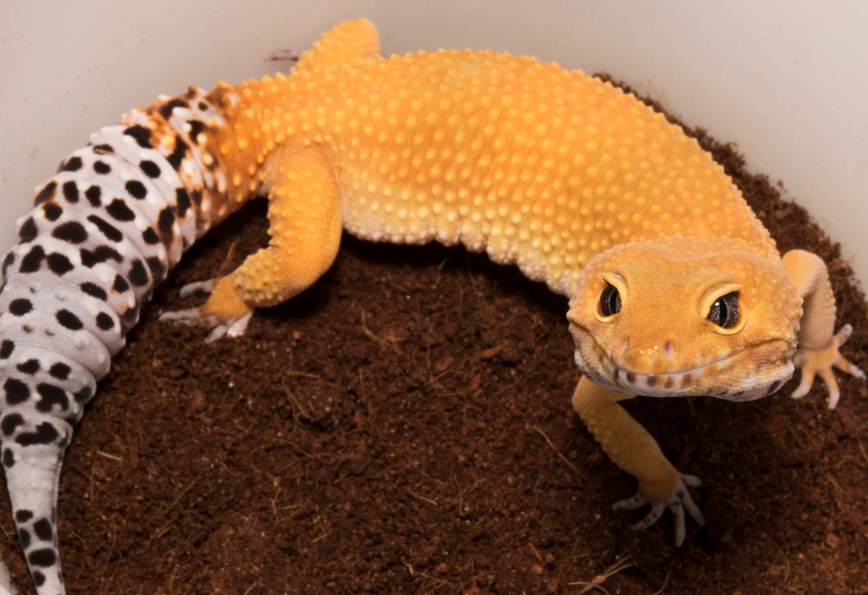
That "Fancy" baby could be an Albino, a Mack Snow, a Tangerine, an Eclipse, or any combination of dozens of color and pattern morphs. The key takeaway? "Fancy" describes its looks, not its growth genetics. A fancy leopard gecko does not have a different genetic size blueprint than a normal one. They follow the same basic growth rules. Thinking your "Fancy" gecko will be bigger is like thinking a red car is faster than a blue one.
The Size Breakdown: Length and Weight Expectations
Let's get specific. When we talk about an 8-11 inch gecko, most of that length is tail. The body itself is usually 4-5 inches long. The tail is a fat-storage organ, so its thickness is a much better health indicator than length.
Pro Tip: Don't just measure length. Get a small digital kitchen scale that measures in grams. Monthly weigh-ins are the single best way to track healthy growth, especially for juveniles. A growing hatchling that isn't gaining weight is a red flag.
Weight is where you'll see more variation. A lean, active female might sit comfortably at 50 grams. A bulky male or a gravid (egg-carrying) female might hit 80-90 grams and still be perfectly healthy. The problem is when they go over 100 grams without being gravid—that's almost certainly obesity, which is a huge, under-discussed problem in pet leopard geckos. An obese gecko isn't a "big" gecko; it's an unhealthy one with a shorter lifespan.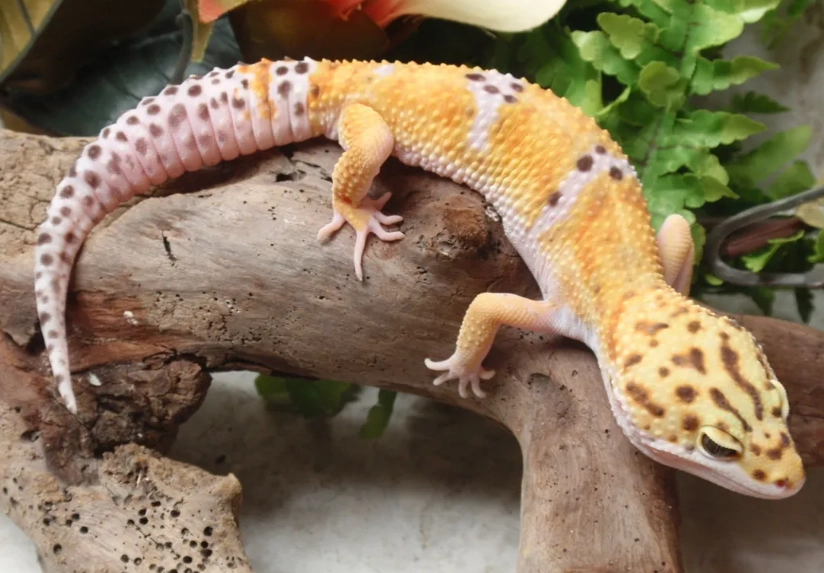
Leopard Gecko Growth Chart & Timeline
They don't stay little for long. Here’s a rough timeline based on feeding them appropriately (we'll get to that).
| Age | Length (Snout to Tail) | Weight Range | Notes & Milestones |
|---|---|---|---|
| Hatchling (0-1 month) |
3-4 inches | 2-5 grams | Extremely fragile. May not eat for the first week. Focus on small, live prey. |
| Juvenile (2-6 months) |
5-8 inches | 15-35 grams | Rapid growth phase. Requires daily or every-other-day feeding. Tail starts to plump up. |
| Sub-Adult (7-12 months) |
8-10 inches | 35-55 grams | Growth slows. Sexual maturity reached. Switch to feeding every 2-3 days. |
| Adult (12+ months) |
8-11 inches | 45-80 grams | Full size reached. Maintain weight, don't focus on growth. Feed 2-3 times a week. |
See that "Adult" row? Most geckos hit their final length by 12-18 months, but they can continue to fill out and gain healthy muscle and fat reserves until they are about 2 years old. My oldest gecko, a "Fancy" I got years ago (she's a High Yellow), stayed a steady 65 grams from age 2 to 10.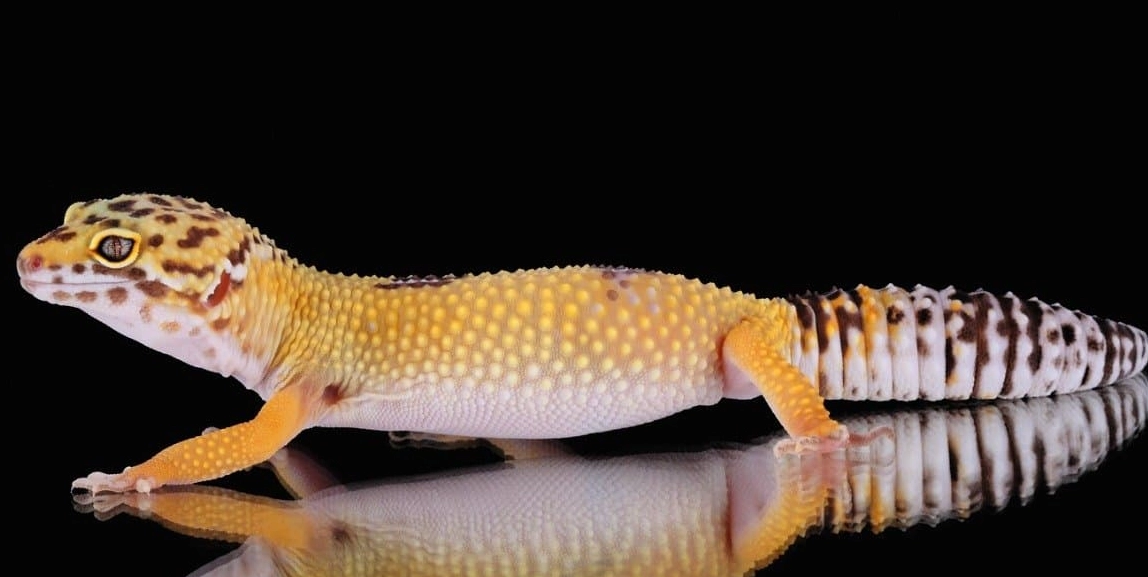
What Really Determines Your Gecko's Final Size?
Why does one gecko top out at 8 inches and 50 grams, while another hits 11 inches and 75 grams? It's not the "Fancy" label. It's these four factors:
1. Genetics (This is the Big One)
This is the ceiling. You can't make a genetically small gecko huge. Breeders who specialize in "Giant" and "Super Giant" lines (like those reported on by Reptiles Magazine) are selectively breeding for size, and these can reach 11+ inches and 90-110+ grams. Your average pet store "Fancy" is unlikely to be from such a line. Its parents were probably standard-sized.
2. Diet and Nutrition
This is how you help them reach their genetic potential—or fail to. A hatchling fed only mealworms twice a week will be stunted. An adult fed giant Dubai roaches daily will become obese. It's about the right prey, gut-loaded with nutrients, and dusted with the correct supplements (calcium, vitamin D3). Variety is key: mealworms, crickets, dubia roaches, silkworms.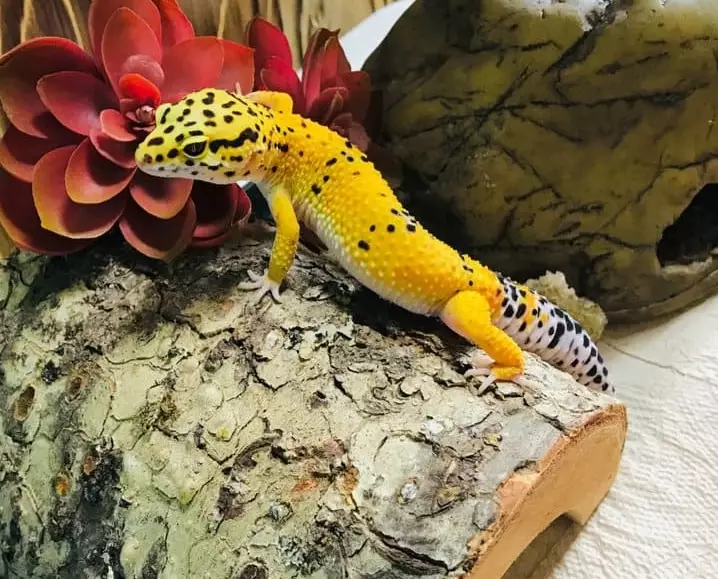
3. Overall Husbandry
Stress is a growth inhibitor. If the tank is too cold (they need a warm hide around 88-90°F for digestion), too exposed, or too chaotic, a gecko won't eat well. Inconsistent day/night cycles can mess with their metabolism. Proper setup isn't just for comfort; it's for growth.
4. Gender
Generally, males tend to be slightly bulkier with broader heads and heavier jowls. Females can be just as long but are often more streamlined. A gravid female will be heavier, but that's temporary.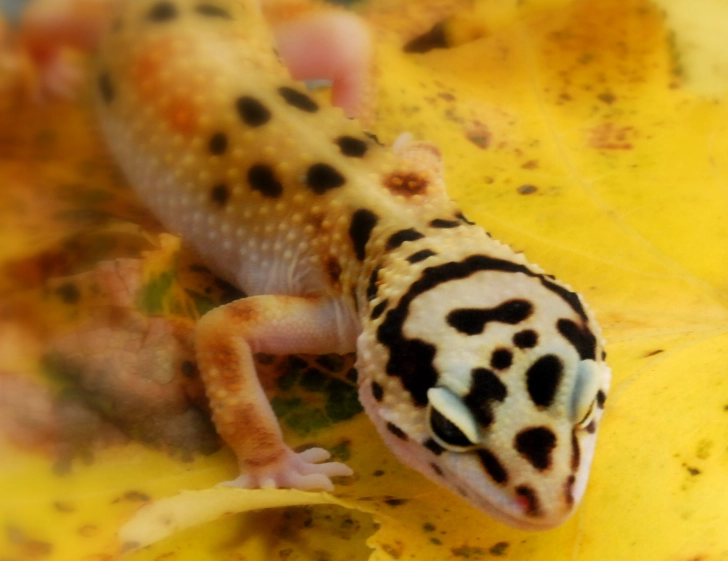
Feeding for Healthy Growth, Not Just Size
Here's the mistake I see constantly: owners overfeeding juveniles in a panic to make them grow, or underfeeding adults because "they're done."
For a juvenile (under 6 months), offer appropriately sized prey (no wider than the space between their eyes) daily or every other day. Let them eat as much as they want in a 10-minute session. They're building bone and muscle.
For an adult, you shift to maintenance. Feeding 2-3 times a week with 5-8 appropriately sized insects per feeding is plenty. The goal is a tail that's plump but not wider than the head, and a body without armpit or groin fat pockets.
That "Fancy" gecko doesn't need fancy food. It needs consistent, nutritious food.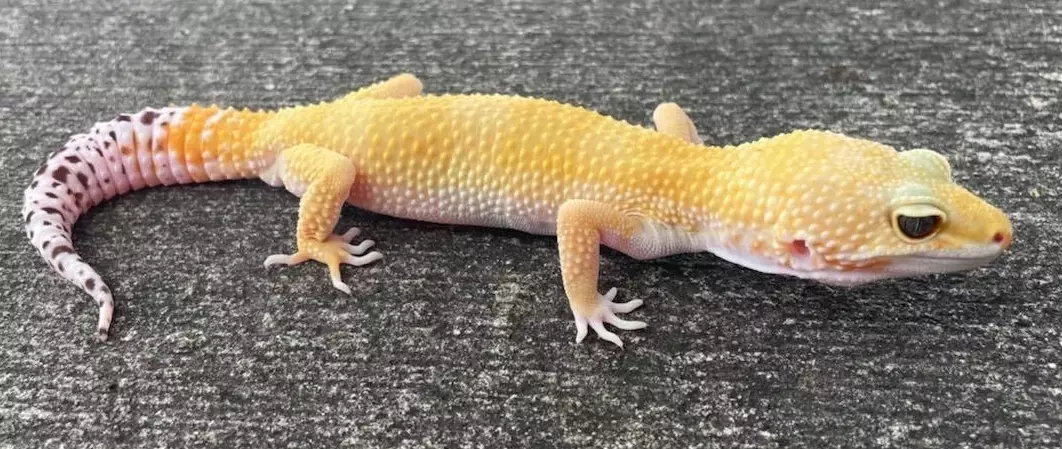
Tank Size: Does It Matter for Growth?
Another myth: "A small tank will stunt their growth." Not directly. A gecko in a 10-gallon tank with perfect heat, hides, and food will grow just fine. However, a small tank makes it harder to create the proper temperature gradient and enrichment, which can cause stress. Stress can lead to poor appetite.
The real issue is planning. That 4-inch hatchling will be 8 inches before you know it. Starting with a 20-gallon long tank (30" x 12" x 12") is the best practice. It gives them space to explore, establish a proper warm side/cool side, and accommodates their adult size. Bigger is often better if set up correctly with plenty of cover.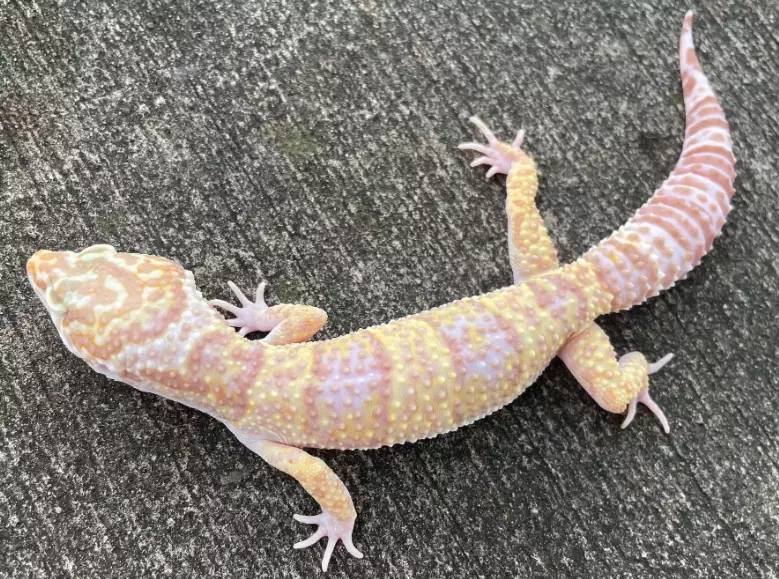
Your Fancy Gecko Size Questions Answered
So, how big will your fancy leopard gecko get? If you provide the right care—a proper tank, consistent heat, a varied and supplemented diet, and low stress—it will grow to its full, healthy genetic potential, landing somewhere in that 8-11 inch, 45-80 gram range. Don't chase a number on the scale. Chase a plump tail, clear eyes, and an active, curious gecko. That's the real sign of success.
Reader Comments