If you’ve ever seen a video of a hognose snake flattening its head like a cobra, hissing like a steam engine, and then dramatically playing dead, you’ve probably asked the question. Are these snakes incredibly aggressive? The short, definitive answer is no. What you’re witnessing isn’t aggression—it’s one of the most elaborate, over-the-top bluffing routines in the reptile world. Calling a hognose aggressive is like calling a stage actor a murderer because they played the part too well. Their behavior is pure theater, a desperate and harmless attempt to look scary. Understanding this distinction is the key to keeping a happy hognose and enjoying their unique personalities without fear.
What’s Inside This Guide
Decoding the Drama: The Bluff in Action
Let’s break down the performance. A hognose snake’s defensive sequence is a predictable, escalating show. It’s not a random attack; it’s a script they follow when they feel threatened. The first time my western hognose, Pancake, did this to me years ago, I’ll admit I jumped. He went from a cute, burrowing noodle to a hissing, flattened pancake in half a second. But he never moved to strike me. He just wanted me to back off.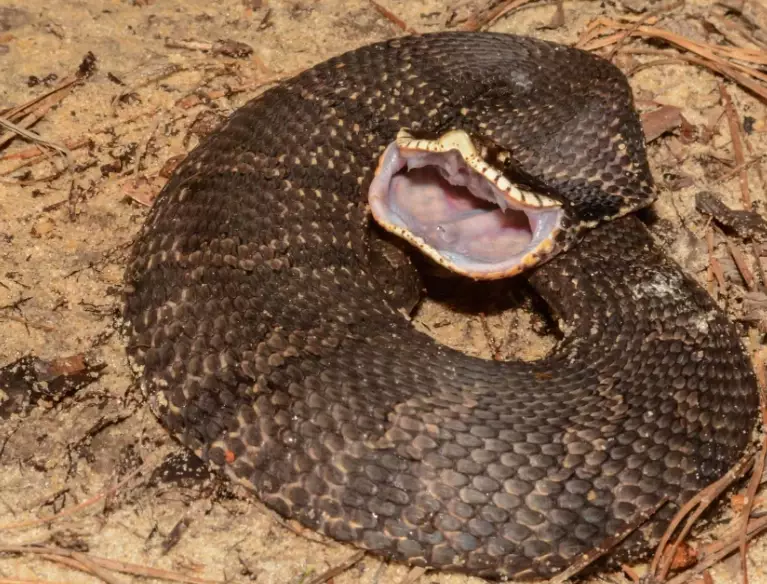
The Three-Act Play
Their routine typically follows three acts, though not all individuals perform the full show.
- Act 1: The Warning. This is the “leave me alone” notice. The snake will often coil slightly, flatten its neck and head (a behavior called hooding), and let out a loud, prolonged hiss. This hiss is produced by forcing air through a unique glottis structure—it sounds far more intimidating than anything a snake its size should produce. They might also perform a closed-mouth strike or “headbutt,” where they lunge and bump you with their nose. This is 100% a bluff. The mouth stays shut.
- Act 2: The False Strike. If the warning is ignored, they may escalate to an open-mouth strike. This is the moment that makes people think “aggressive.” They’ll rear back and lunge, often aiming for the perceived threat. Here’s the critical part: they almost always stop short of making contact, or if they do connect, it’s a gentle tap with no intent to bite. It’s pure intimidation. Their rear fangs are in the back of the mouth for subduing toads, not for defensive biting.
- Act 3: The Grand Finale – Playing Dead (Thanatosis). If the hissing and striking fail, they pull out their ultimate trick. They’ll flip onto their back, open their mouth, let their tongue loll out, and release a foul-smelling musk. They look convincingly, utterly deceased. If you flip them right-side up, they’ll often flip back over to maintain the act. The performance ends when they deem the coast is clear.
This sequence is hardwired. According to herpetologists, it’s an anti-predator strategy evolved to deal with threats they can’t outrun. Calling it aggression misses the point entirely—it’s fear-based defense.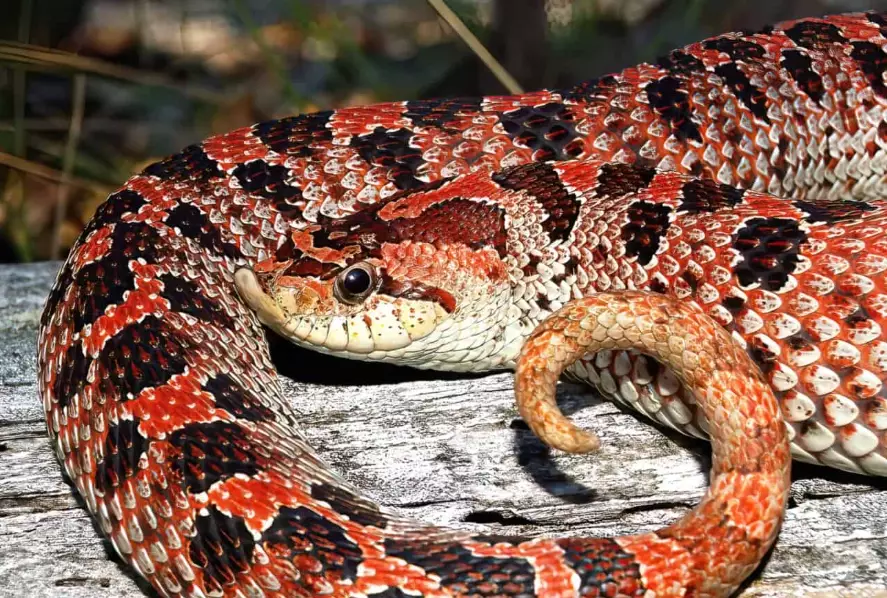
Key Takeaway: A hognose snake’s “aggression” is a bluff. The hissing, hooding, and striking are theatrical displays meant to scare you away, not to engage in a fight. Real aggression in snakes involves repeated, determined biting with intent to harm, which is exceedingly rare in hognoses towards humans.
What’s Really Going On? Triggers and Stressors
So, if it’s not innate aggression, what triggers this dramatic response? Usually, it’s a husbandry issue or a misunderstanding of the snake’s body language. Here are the real culprits:
- Inadequate Hiding Places: This is the number one mistake I see. Hognoses are secretive burrowers. If they don’t have multiple snug, secure hides (one on the warm side, one on the cool side), they feel exposed and vulnerable 24/7. A perpetually stressed snake is a defensive snake.
- Incorrect Handling Timing: Trying to handle them when they’re deep in a hide, during shed (when their vision is impaired), or right after they’ve eaten is asking for a defensive reaction. You’re interrupting their basic biological functions.
- Hunger or Incorrect Prey: A hungry snake can be more defensive. Also, if you’re using the wrong prey type (e.g., mice for a toad-specialist) or the wrong size, they may associate your hand with a frustrating or non-food item, leading to stress.
- Environmental Stress: An enclosure that’s too open, too bright, too hot/cold, or too loud (placed near a TV or door) can keep a hognose on constant edge. They thrive on predictability and security.
- Individual Personality: Like people, snakes have personalities. Some hognoses are just more high-strung than others. Males can be more flighty during breeding season. An animal labeled “aggressive” is often just a more timid individual.
Your Setup Checklist: Preventing “Aggressive” Behavior
Getting your husbandry right solves about 90% of perceived behavior problems. Use this checklist to audit your hognose’s home. A content snake is a calm snake.
| Husbandry Factor | Ideal Condition for a Western Hognose | Common Mistake That Causes Stress |
|---|---|---|
| Enclosure Size | 20-40 gallon tank for an adult. Length is more important than height. | Using a massive, open tank for a juvenile. Start small and upgrade. |
| Substrate | 4-6 inches of aspen bedding or a soil/sand mix to allow for natural burrowing. | Using paper towels or reptile carpet long-term. Denies natural behavior. |
| Hides | Minimum of two: one on warm end (88-92°F), one on cool end (75-80°F). Should be snug and enclosed. | Only one hide, or hides that are too large and open. |
| Temperature Gradient | Warm side: 88-92°F (31-33°C). Cool side: 75-80°F (24-27°C). A heat mat with a thermostat is essential. | No gradient (one uniform temperature) or overheating without a thermostat. |
| Handling Frequency | Short, positive sessions 1-2 times a week, after the snake is settled and eating regularly. | Handling too soon after acquisition, during shed, or for too long. |
If your snake is consistently defensive, go through this list item by item. I’ve seen “problem” snakes become puppy-dog tame just by adding a few more inches of substrate and a better-fitting hide. Resources like Reptiles Magazine care sheets and the Savannah River Ecology Laboratory (SREL) herpetology pages offer great, science-backed husbandry guidelines.
How to Handle a Hognose (Without the Drama)
Okay, your setup is perfect, but your hognose still does its cobra impression when you reach in. Now what? It’s about technique and confidence.
First, read the room. Don’t just yank the hide off. Tap gently on the enclosure side first. Slide the hide open slowly instead of lifting straight up. Approach from the side, not from above (like a predator). If the snake is already hooded and hissing, sometimes it’s best to just close the enclosure and try again later. Pushing the interaction teaches them the bluff doesn’t work.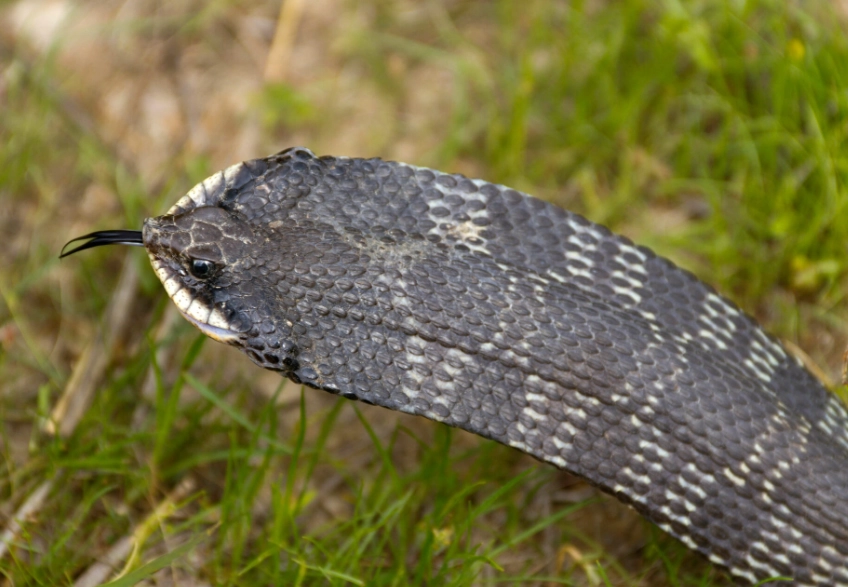
The confident scoop. The worst thing you can do is hesitate with jerky movements. Gently but decisively slide your hand under the snake’s mid-section and lift. Support its body. Avoid grabbing near the head. Once they’re out of their territory and in your hands, the vast majority will calm down almost immediately. They realize you’re not eating them.
Keep sessions short and sweet. Five to ten minutes is plenty for a nervous snake. End on a positive note—return them to their home while they’re still calm. Never put them back immediately after a bluffing display, or you reward the behavior.
What about a bite? True bites from a defensive hognose are incredibly rare. If it happens (usually due to a feeding mistake where they smell prey), it’s more startling than painful. Their rear fangs might cause slight pinpricks and mild swelling, akin to a bee sting. Wash the area with soap and water. The drama is almost always worse than the actual event.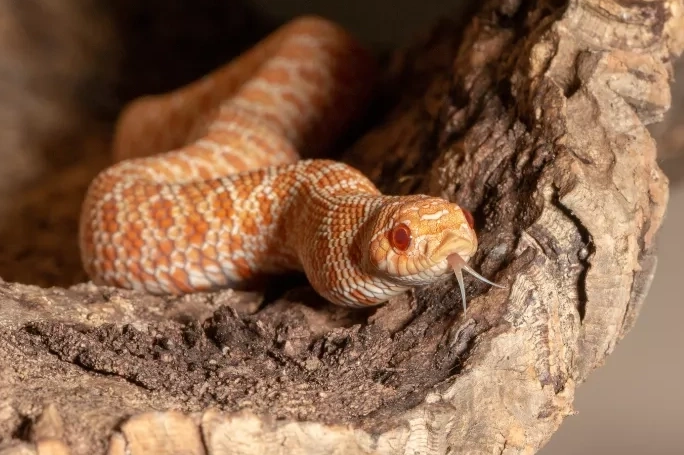
Your Hognose Behavior Questions, Answered
This is likely feeding excitement, not aggression, but it's often misdirected. Hognoses are stimulated by smell and movement. If you’re using tongs, ensure you’re presenting the prey item (properly thawed and warmed) clearly and wiggling it. Don’t have the scent of the prey on your hands. If you’re reaching into the enclosure with prey-scented hands, the snake may strike at the first warm thing it senses—your finger. Use long feeding tongs and present the prey away from your body. Some individuals are just very enthusiastic feeders, which is a good problem to have.
Sudden behavioral changes almost always point to an environmental or health issue. First, check your husbandry parameters: have temperatures dropped? Is the humidity too high or low? Is it shedding? Did you recently clean with a strong chemical? Rule out illness: look for signs of respiratory infection (wheezing, mucus), mites, or weight loss. A visit to a reptile vet is a good idea if husbandry is perfect. Sometimes, the snake is just settling in and its true, more timid personality is emerging after the initial shock of moving.
True pathological aggression in snakes, where they seek to attack without provocation, is exceptionally rare and usually linked to severe neurological issues or constant, profound stress. What owners interpret as aggression in hognoses is 99.9% fear-based defensive bluster. The goal is escape, not combat. If a hognose is constantly defensive, it’s a sign that it perceives its environment as threatening. Your job isn’t to “tame the aggression,” but to identify and remove the stressors making it feel unsafe.
Not at all. Playing dead is simply the last card in their defensive deck. Some individuals are just more prone to pulling it. It doesn’t mean they’re “untamable.” In fact, it often means they’re quite predictable. Continue with short, calm, and confident handling sessions. Over time, as they learn you are not a threat, they will likely skip the earlier acts (hissing, bluff striking) and may go straight to playing dead less frequently, or skip the routine altogether. Consistency and patience are key. I’ve had snakes that played dead for the first few months and later became completely handleable without a fuss.
Understanding your hognose snake’s behavior is the first step toward a great relationship. Ditch the word “aggressive.” Think “dramatic,” “theatrical,” or “defensive.” When you provide a secure, enriching environment and interact with calm confidence, you’ll likely find that the fearsome cobra act melts away, revealing a curious, charming, and often comical burrowing snake that’s a true joy to keep. Their bluff is a fascinating part of their biology, not a character flaw. Work with it, not against it.
Reader Comments