Let's be honest. When most people think "friendly pet," a giant, hairy spider isn't the first image that pops into their head. But within the fascinating world of arachnoculture, there's a spectrum. On one end, you have the lightning-fast Old World species with medically significant venom. On the other? The gentle giants. The couch potatoes of the tarantula world.
These are the species we're talking about today. The ones known for their calm demeanor, forgiving nature, and overall suitability for someone taking their first steps into tarantula keeping. Forget chasing or speed; we're looking for the tarantula equivalent of a friendly, lumbering mastiff.
Your Quick Guide to Friendly Tarantulas
What Does "Friendly" Even Mean for a Tarantula?
We need to adjust our expectations. A tarantula will never seek out affection, recognize you, or enjoy being petted. Their brains simply aren't wired for it. So in this context, "friendly" translates to a few key behaviors:
- Docile Temperament: They are slow to react, rarely assume a threat posture (rearing up), and are less likely to bolt unpredictably.
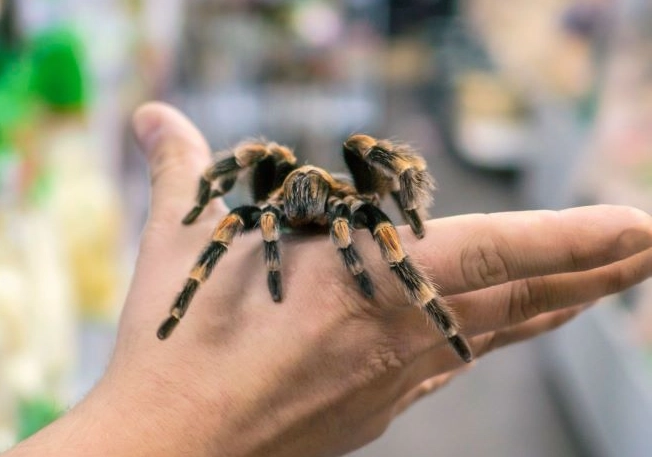
- Low Defensiveness: They are less prone to flicking urticating hairs (a primary defense for New World species) or attempting to bite.
- Hardiness: They can tolerate minor fluctuations in temperature and humidity, and are generally forgiving of beginner husbandry mistakes.
- Predictability: Their behavior is more consistent, making them less stressful to care for.
With that realistic definition in mind, let's meet the contenders.
Important Note: All tarantulas are individuals. While these species are known for their calm dispositions, there will always be exceptions—the occasional feisty Chilean Rose or skittish Curly Hair. Never assume 100% predictability.
Top 5 Friendliest Tarantula Species for Beginners
Based on decades of collective hobbyist experience, these five consistently rank as the most beginner-friendly, docile tarantulas you can find.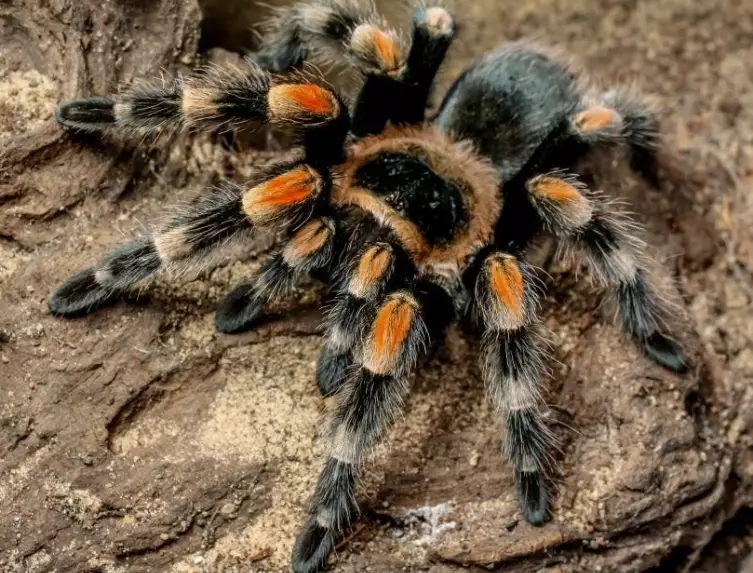
| Species (Common Name) | Key Temperament Traits | Care Level | Growth Rate |
|---|---|---|---|
| Grammostola rosea/porteri (Chilean Rose Hair) |
The quintessential beginner tarantula. Famously calm, slow-moving, and hardy. Can go on long fasts. | Very Easy | Slow |
| Brachypelma hamorii (Mexican Red-Knee) |
Docile and beautiful. Rarely flicks hairs. A classic, long-lived species. | Easy | Slow |
| Tliltocatl albopilosus (Curly Hair Tarantula) |
Incredibly docile, often burrows. Very hardy and a voracious eater. | Very Easy | Medium |
| Grammostola pulchra (Brazilian Black) |
Jet-black, velvety appearance. Known for an almost unnerving calmness. Rarely defensive. | Easy | Slow |
| Aphonopelma chalcodes (Arizona Blonde) |
North American native. Extremely docile, drought-tolerant, and long-lived. | Easy | Very Slow |
1. The Chilean Rose Hair (Grammostola rosea/porteri)
The undisputed king of beginner tarantulas. I got my first one over 15 years ago, and she's still going strong. They are the definition of hardy. I've seen them survive in less-than-ideal setups that would stress other species. They move with a deliberate slowness that is reassuring for a new keeper.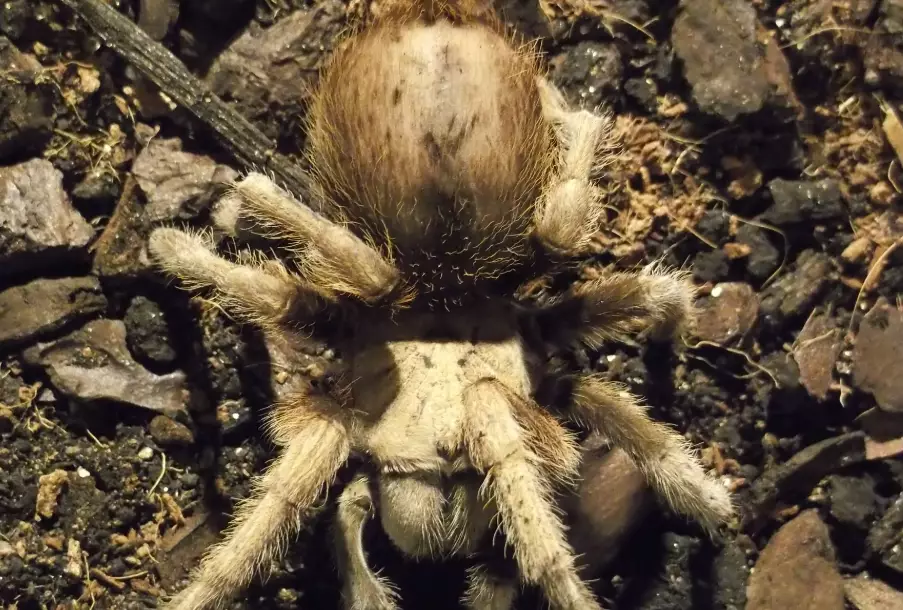
Their biggest quirk? They can go on astonishingly long hunger strikes—sometimes for over a year—with no apparent ill effects. This panics new owners, but it's perfectly normal behavior for this species.
2. The Mexican Red-Knee (Brachypelma hamorii)
This is the tarantula of pop culture—the one often seen in movies and photos. Beyond its stunning looks, it's a remarkably gentle creature. They rarely flick urticating hairs, preferring to simply amble away from disturbance.
They grow slowly and can live for 20-30 years (females), so be prepared for a long-term commitment. They're a bit more sensitive to overly moist substrate than the Rose Hair, but nothing complicated.
3. The Curly Hair Tarantula (Tliltocatl albopilosus)
If you want a tarantula that eats like a champ and looks adorable doing it, get a Curly Hair. Their fuzzy appearance and consistently docile nature make them a huge favorite. They are often more active than the previous two, sometimes constructing extensive burrows, which is fun to watch.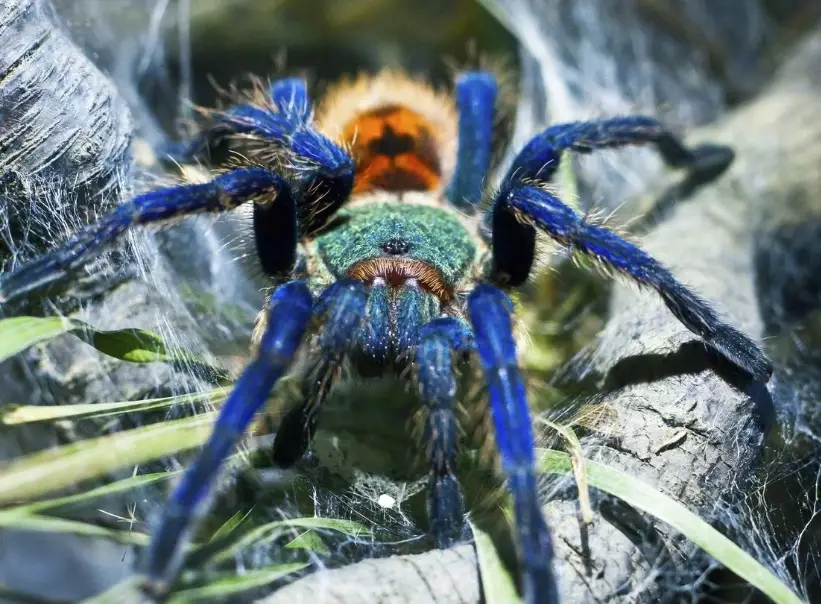
Their growth rate is a nice middle ground—not glacial, but not overwhelming either. They are incredibly forgiving of humidity and temperature, arguably the hardiest on this list.
4. The Brazilian Black (Grammostola pulchra)
This species exudes elegance. Its deep, velvety black color is striking. Temperament-wise, many keepers describe them as "unflappable." They rarely bolt or show threat postures. A common sight is a Brazilian Black simply sitting in the open, perfectly content.
The main downside? Their slow growth rate and higher price tag due to demand. Getting a juvenile means you'll be waiting a long time to see that impressive adult size.
5. The Arizona Blonde (Aphonopelma chalcodes)
A wonderful New World species native to the southwestern U.S. They are exceptionally docile and adapted to arid conditions, meaning they're very low-maintenance. Their drought-tolerance makes them perfect for someone worried about keeping humidity high.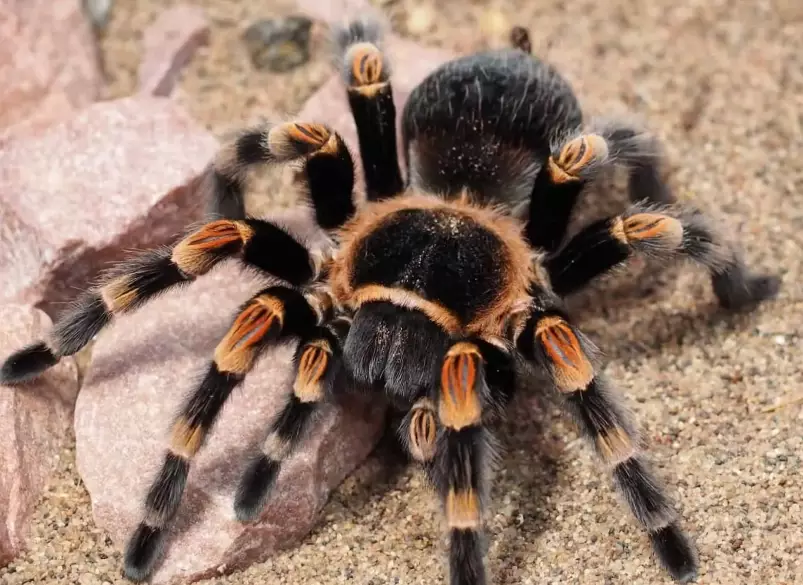
Patience is key. Their growth rate is famously slow. But their gentle nature and beautiful golden coloration make them worth the wait.
Why Proper Care Matters More Than Species Temperament
Here's a truth many beginners miss: a stressed tarantula is never a friendly tarantula. You can buy the most docile species on the planet, but if you house it incorrectly, it will become defensive, skittish, or reclusive.
The biggest mistake I see? Enclosures that are too large. A tiny spiderling in a massive 10-gallon tank will feel exposed and vulnerable. It will likely hide constantly, refuse food, and be stressed. Start small and upgrade size as the tarantula grows. A good rule is an enclosure no more than 3-4 times the legspan in length and width.
Other critical factors:
- Substrate: Use several inches of moisture-retaining substrate like coconut fiber or topsoil for burrowing species. Keep it dry for arid species like the ones listed above.
- Hides: Always provide a secure hide (cork bark, half a flower pot). This gives them a safe retreat and reduces stress.
- No Over-handling: This is so important it gets its own section below.
A well-cared-for tarantula in a proper setup is far more likely to exhibit that calm, "friendly" behavior you're looking for.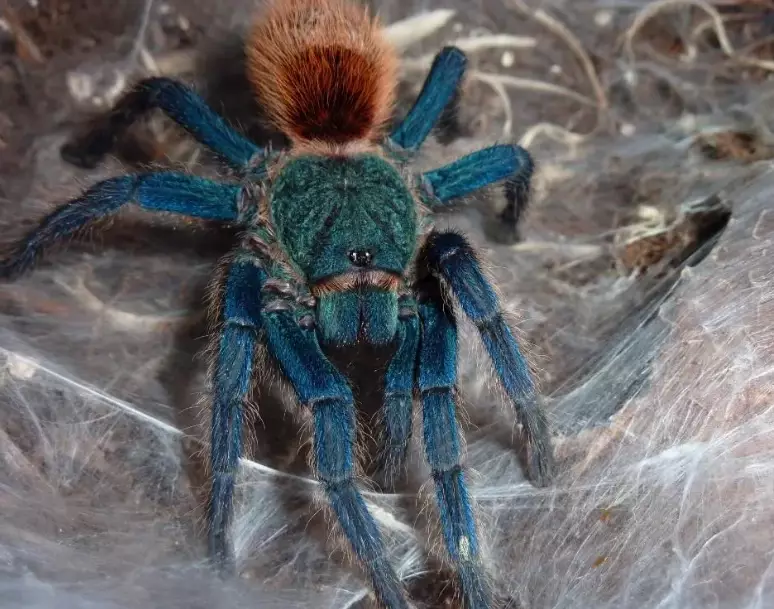
The Handling Myth: Why You Shouldn't, Even If They're Friendly
This is the most controversial point in tarantula keeping. Videos online show people handling their tarantulas freely. I'm here to tell you: Do not do it.
Not for the tarantula's sake? Actually, yes. Here’s why:
- The Fall Risk: This is the number one reason. Tarantulas are surprisingly fragile. A fall from even a height of 12 inches can rupture their abdomen, leading to a slow, painful death. It happens more often than you think.
- Stress: Handling is incredibly stressful for them. They have no concept of "play" or "bonding." To them, you are a giant predator lifting them into the air. This stress can suppress their immune system and lead to refusal to eat.
- Urticating Hairs: When stressed, even docile species will kick urticating hairs. These can cause severe irritation to your skin, and can be blinding if they get in your eyes.
- It's Unnecessary: The joy of tarantula keeping comes from observing their natural behaviors—building burrows, hunting, grooming—not from holding them.
If enclosure maintenance absolutely requires moving the tarantula, use the cup-and-paintbrush method. Gently guide the tarantula into a large deli cup using a soft paintbrush, then place the cup in the new enclosure. This minimizes stress and eliminates fall risk.
Reader Comments