You're looking at your leopard gecko's adorable little feet, those padded toes splayed out as it climbs the side of its terrarium, and the question pops into your head: do those toes have bones? The short, definitive answer is yes. Absolutely. But if you think it's just a simple, tiny rod of bone like in our fingers, you're in for a treat. The reality is far more fascinating and is the secret behind their incredible climbing ability. Understanding this isn't just trivia—it's crucial for preventing injuries and ensuring your gecko's long-term health. As someone who's kept and bred these reptiles for over a decade, I've seen firsthand how ignorance of basic foot anatomy leads to common, preventable problems.
What's Inside?
The Real Structure: More Than Just Bones
Let's break down what's actually inside those toes. It's a brilliant piece of evolutionary engineering.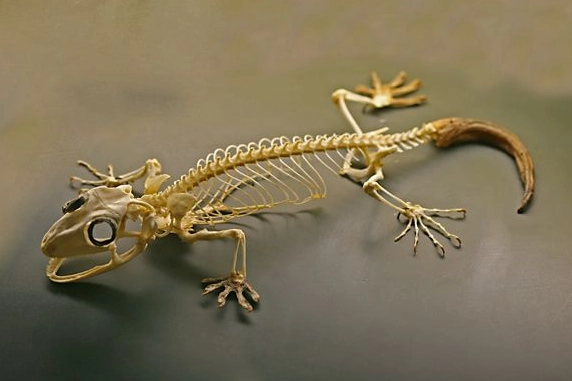
The Phalanges: These are the actual toe bones. Each toe has a series of small, cylindrical bones linked by joints. Unlike mammals, reptile bones can be less dense and contain more cartilage during growth, which is why young geckos are more flexible.
The Critical Cartilage Caps: Here's a detail most care sheets miss. The ends of these phalanges are capped with a smooth, tough cartilage. This isn't just padding; it's the primary attachment point for the ligaments that connect to the next big feature. This cartilage can wear down or become inflamed if a gecko constantly slips on a smooth surface like glass, leading to a subtle, limping gait many owners miss.
The Famous Lamellae (The Pads): This is the star of the show. The soft, velvety pads on the underside of their toes are not muscle or fat. They are millions of microscopic hair-like structures called setae, each splitting into hundreds of even smaller spatulae. This structure creates a molecular attraction known as van der Waals forces, allowing them to grip incredibly smooth surfaces. The lamellae attach via specialized tendons to those cartilage-capped bones, creating a flexible, responsive gripping system.
The Claws: At the tip of each toe is a small, curved claw made of keratin, the same material as our fingernails. These are used for traction on rougher surfaces like rock, bark, and substrate. They are retractable to a degree, keeping them sharp for digging and climbing textured surfaces.
How This Anatomy Makes Them Master Climbers
They don't have sticky glue on their feet. The grip is entirely mechanical and physical. When a gecko places its foot, it uncurls its toes, maximizing contact between the lamellae and the surface. The microscopic spatulae conform to the tiniest imperfections, creating a huge combined surface area for attraction. To release, it simply re-curls its toe, peeling the pad away at an angle, which breaks the bonds easily.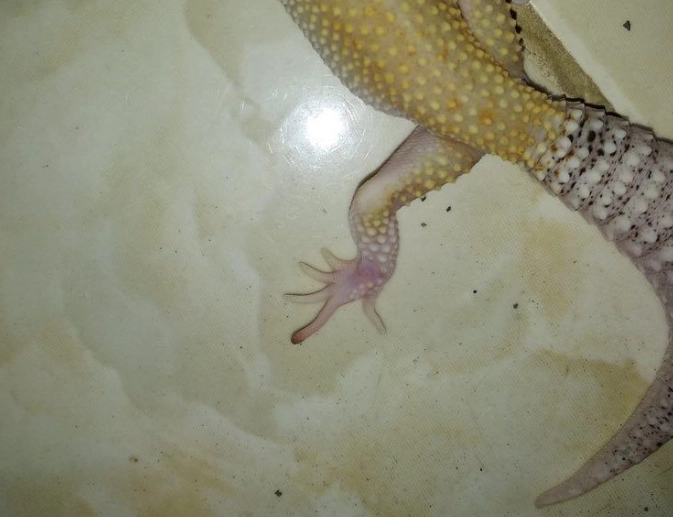
This is why they can climb vertical glass but struggle on certain plastics or overly dusty surfaces—the mechanism requires a clean, semi-smooth surface to work optimally. I've watched geckos fail to climb the sides of certain plastic tubs, a fact rarely mentioned, which tells you about the specificity of their adaptation.
The Role of the Claws
The claws are not for glass. They're for everything else. When navigating cork bark, stone hides, or digging in the substrate, the claws provide the primary grip. A healthy gecko will use a combination: pads for smooth verticals, claws for textured inclines. If you never see your gecko using its claws, its habitat might be lacking appropriate rough surfaces, which can lead to overgrown claws.
3 Most Common Leopard Gecko Toe Problems & How to Prevent Them
Knowing the anatomy, you can now spot and prevent trouble. Here are the big three, from most to least common.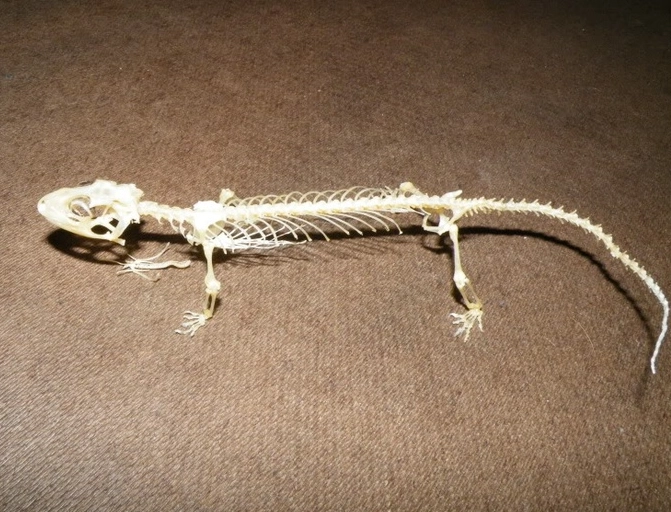
1. Retained Shed (Toe Necrosis) This is the number one killer of gecko toes. When shed skin dries and forms a tight, constricting ring around the toe, it cuts off circulation. The bone, cartilage, and tissue underneath begin to die from lack of blood flow. Within days, the toe can turn black, become brittle, and auto-amputate. I've had to perform careful shed removal on more toes than I care to count. Prevention is everything: a humid hide with damp sphagnum moss is non-negotiable. If you see a constricted toe, a warm soak and gentle rolling with a damp Q-tip can save it.
2. Substrate-Related Injuries & Impactions Loose, particulate substrates like sand, crushed walnut, or calcium sand are a dual threat. First, they can get lodged between the lamellae, reducing grip and irritating the sensitive pad tissue. Second, and more dangerously, if ingested during feeding, they can cause fatal gut impaction. This is a hill I will die on: avoid loose sand, especially for juveniles. Paper towel, slate tile, or a specific reptile-safe topsoil/sand mix are safer choices.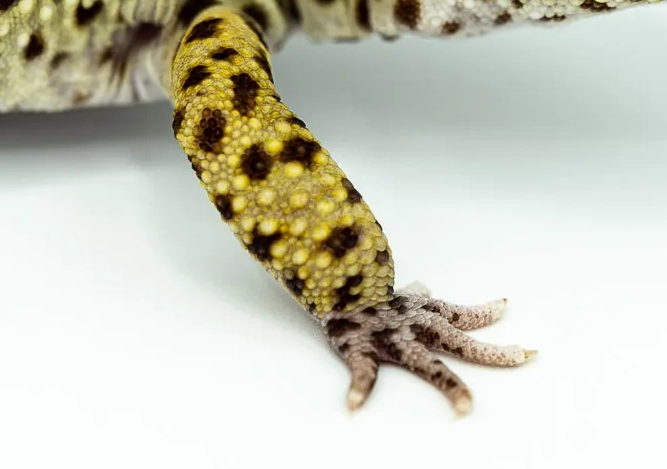
3. Trauma and Fractures Those tiny toe bones can break. A fall from a high perch, a getting caught in a poorly designed decoration, or even a clumsy handling session can cause a fracture. Signs include swelling, a toe held at an odd angle, and reluctance to put weight on it. Unlike a major limb break, a toe fracture often heals on its own with strict rest (no climbing) on a flat, soft substrate, but a vet visit for pain management is kind.
Setting Up a Toe-Safe Habitat: A Step-by-Step Guide
Your tank setup directly impacts toe health. Let's build from the ground up.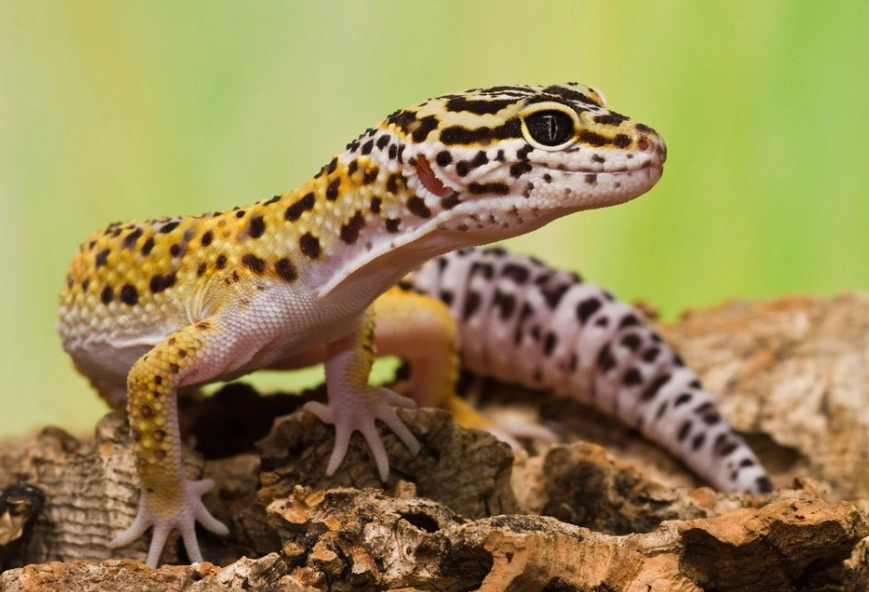
Flooring (The Substrate): For beginners or geckos with a history of problems, paper towel or slate tile is foolproof. It's flat, easy to clean, and poses zero impaction risk. For a more naturalistic setup, a 70/30 mix of organic topsoil and playsand is often recommended by advanced keepers. It holds burrows and is firm when packed down. Avoid 100% sand, fine wood chips, or anything sharp or dusty.
Climbing Décor: Provide a gradient of textures. Include smooth surfaces like a vertical slate slab or the glass itself (they'll use it). Also include rough surfaces: cork bark rounds, reptile-safe driftwood, and textured rock hides. This variety encourages natural wear on the claws and allows the full use of their foot anatomy.
The Humid Hide: This isn't an optional accessory. It's medical equipment for their skin and toes. Use a simple plastic container with a hole cut in the side, filled with damp (not wet) sphagnum moss or paper towels. Place it on the warm side of the tank. Check and re-moisten it regularly.
Regular Foot Checks: Make it a habit during weekly tank cleanings. Gently lift your gecko and check: Are all toes straight and plump? Is there any discoloration or dried shed? Are the pads clean and free of debris? Are the claws a reasonable length, or are they curling into little hooks? Catching issues early is 95% of the battle.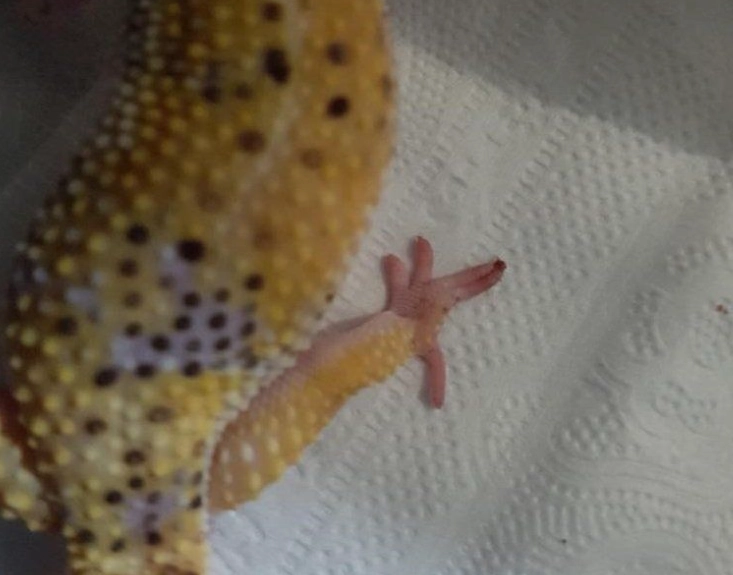
Your Leopard Gecko Toe Questions, Answered
My gecko's toe looks swollen and red at the tip. What's happening?
One of my gecko's claws seems overgrown and is curling back. Should I trim it?
During shedding, my gecko's toes look white and crusty. Is that the bone?
Can a leopard gecko survive or climb normally if it loses a toe?
Are there any signs that the foot anatomy isn't developing right in a baby gecko?
Reader Comments