You've seen the pictures. A massive, prehistoric-looking gecko with soulful eyes and bumpy skin, often perched on someone's shoulder. The New Caledonian giant gecko, or leachianus, is captivating. It's the largest gecko species on the planet. The question isn't "Are they cool?"—they're undeniably cool. The real question is: Are leachianus geckos good pets for you?
The short answer is: they can be incredible pets for the right person, and a frustrating, expensive mistake for the wrong one. This isn't a pet you impulse-buy. I've kept reptiles for over a decade, and my first leachianus taught me more about patience and observation than any other animal. Let's cut through the hype and look at what life with a giant gecko is really like.
What's Inside?
What Exactly Are Leachianus Geckos?
Before we talk pets, let's talk biology. *Rhacodactylus leachianus* hails from the remote rainforests of New Caledonia, a group of islands east of Australia. In the wild, they're arboreal, spending their lives in the canopy. They come in several recognized subspecies or "locales," like the massive Grande Terre or the smaller, more colorful Pine Island morphs. Captive breeding has expanded the variety dramatically.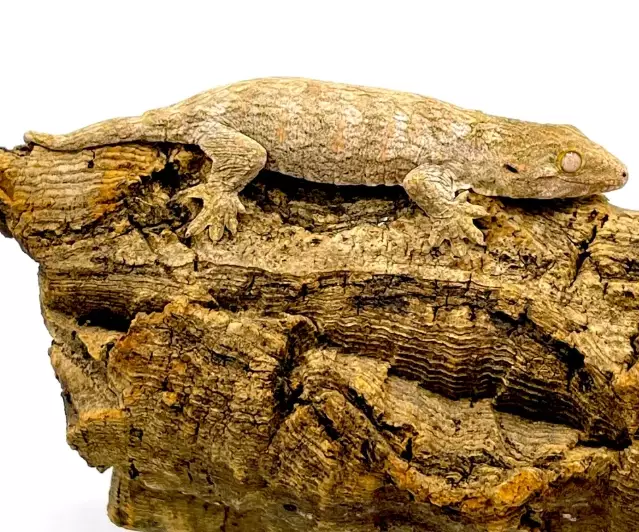
Size is their headline feature. A large Grande Terre male can push 14-16 inches in total length and weigh over 400 grams. That's about the weight of a can of soup. They feel substantial in the hand. Their skin is soft but textured, and their eyes are large and expressive. They're nocturnal, so your main interactions will be in the evening.
A Quick Morph Note: The term "morph" here refers more to the geographic locale than just color. A "Nuu Ana" morph is from a specific valley. These locales often have different size potentials and temperaments. A reputable breeder, like those found through the International Herpetological Society, will be crucial for healthy, well-started animals.
The Good Stuff: Why People Love Them
Let's start with the positives, because there are many.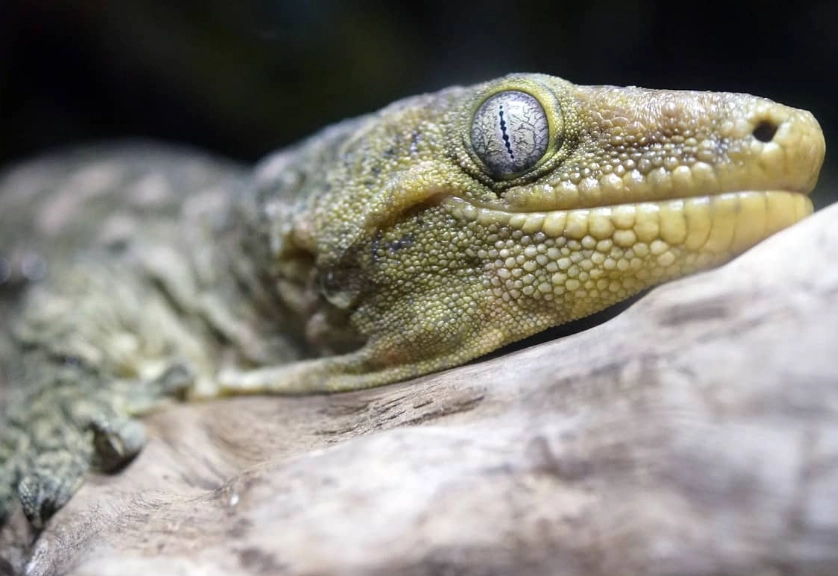
They're Living Dinosaurs. There's no other way to put it. Holding a leachianus feels like holding a piece of ancient history. Their appearance is unique and mesmerizing. You'll never get tired of looking at them.
Surprisingly Low-Maintenance (Once Set Up). Once you have their environment dialed in—a big "once"—their daily care is minimal. They don't need walks. They eat every other day or so. Spot cleaning the enclosure takes minutes. For busy adults who want a fascinating pet without dog-level time demands, this is a huge plus.
Longevity is a Double-Edged Sword. A well-cared-for leachianus can live 20 to 30 years. This means a lifelong companion. It also means a lifelong responsibility, which we'll get to.
Personality, Not Cuddliness. Don't expect a bearded dragon's demeanor. Their charm is in their quirks. Some are bold and curious, peeking out when you approach. Others have specific hiding spots they love. Watching them hunt a cricket or lick fruit mix off a ledge is incredibly rewarding. The bond is based on quiet observation and trust, not constant handling.
The Not-So-Easy Bits: Challenges & Realities
This is where most generic care sheets fall short. Here's what you don't always hear.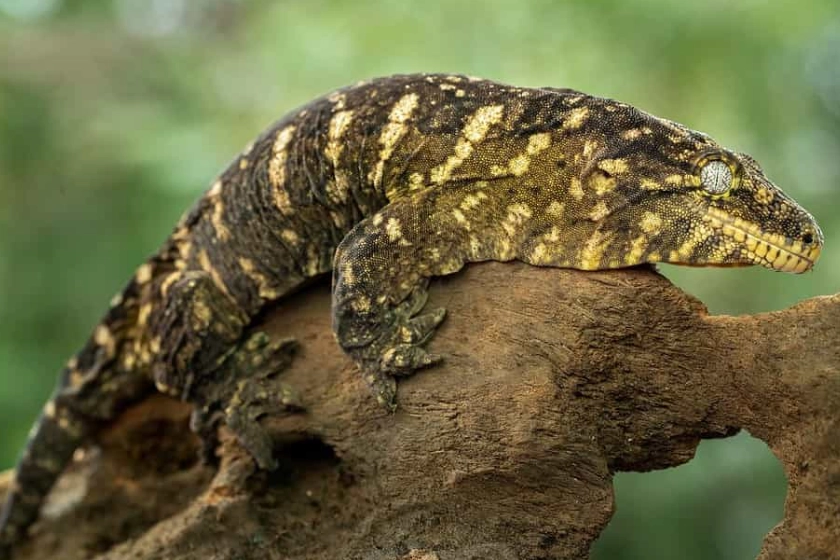
The Noise. Nobody talks about this enough. Leachianus geckos are vocal. They bark. They growl. They make loud, startling "yapping" sounds, especially at night or during breeding season. My first one, a male, would reliably sound off around 2 AM. If their enclosure is near your bedroom, you will hear them. It's not a deal-breaker for everyone, but for light sleepers or those in apartments with thin walls, it absolutely can be.
Space and Setup Costs are High. You can't keep an adult in a 20-gallon tank. An adult needs a tall, front-opening enclosure that's at least 18"x18"x24", but 24"x18"x24" or larger is better. These are custom or premium enclosures (think PVC or modified terrariums). You're looking at $300-$600 just for the empty box, before lights, plants, branches, and hygrometers.
They Can Be Defensive. While some calm down with age, many, especially juveniles, are skittish and will not hesitate to bite if they feel threatened. A leachianus bite isn't like a small gecko nip. It can draw blood and bruise. They may also thrash or drop their tail (though it doesn't regrow as perfectly as other geckos). Handling requires confidence, gentleness, and an acceptance that some individuals may never truly enjoy it.
Humidity is Critical and Tricky. They need a humidity spike at night (70-80%) and a drop during the day (50-60%). Getting this wrong is a fast track to respiratory infections. This means misting systems, live plants, good substrate, and excellent ventilation—a balancing act that beginners often struggle with.
Expert Tip: A common mistake is focusing only on spraying to raise humidity while neglecting airflow. Stagnant, wet air is worse than slightly dry air. A small computer fan on a timer to cycle air after misting can prevent a world of health problems. This is one of those "10-year experience" nuances you rarely see mentioned.
Breaking Down Leachianus Gecko Care
Let's get into the nitty-gritty. This isn't just a checklist; it's the framework for a healthy life.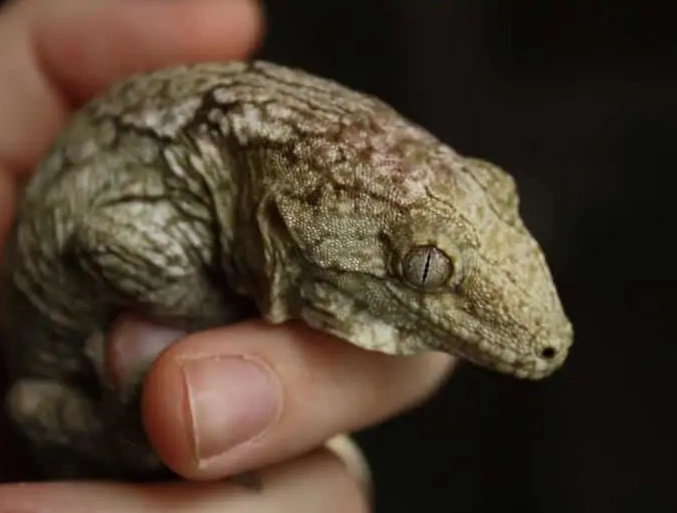
Housing: Building a Rainforest Canopy
The enclosure is their world. Go tall. Use cork rounds, sturdy branches, and live or sturdy artificial plants (like Pothos or Sansevieria) to create climbing and hiding spaces. A horizontal hide placed high up is often more used than one on the ground. Substrate should hold moisture but not stay soggy—a mix of coconut fiber, orchid bark, and sphagnum moss works well.
Temperature & Lighting
They don't need scorching heat. A gradient from 72-78°F (22-26°C) during the day is perfect, with a slight drop at night. Avoid heat mats; a low-wattage ceramic heat emitter or a radiant heat panel controlled by a thermostat is safer. While they are nocturnal, providing a low-level UVB light (like a ShadeDweller or 5.0 UVB tube) for 10-12 hours a day is increasingly considered best practice for calcium metabolism and overall health, as noted in recent reptile welfare discussions from sources like veterinary associations.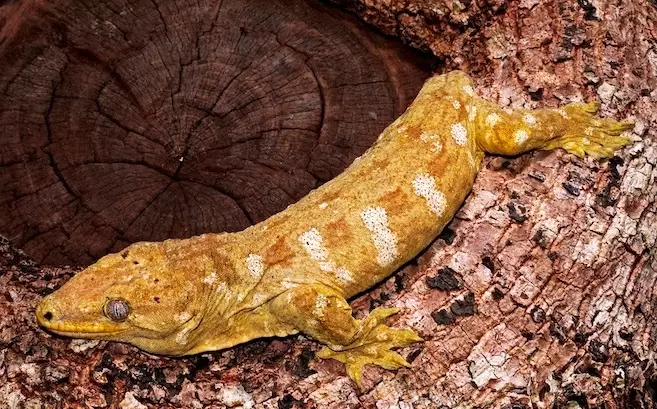
The Diet: Not Just Crickets
They are omnivores with a sweet tooth. The staple diet is a commercial "crested gecko diet" (CGD) like Repashy or Pangea, offered every other day. This is a complete powdered food you mix with water. You should also offer gut-loaded insects (crickets, roaches) once or twice a week for variety and enrichment. Some will take occasional mashed fruit like banana or papaya as a rare treat.
| Life Stage | Minimum Enclosure Size | Diet Frequency | Key Focus |
|---|---|---|---|
| Hatchling/Juvenile | 12"x12"x18" | CGD daily, insects 2x/week | Growth, security (lots of hides) |
| Sub-Adult | 18"x18"x24" | CGD every other day, insects 1-2x/week | Space exploration, taming |
| Adult | 24"x18"x24"+ | CGD every 2-3 days, insects 1x/week | Maintaining weight, enrichment |
The Real Cost of a Giant Gecko
Let's talk money, because the initial price tag of the gecko ($400-$2000+ for rare morphs) is just the start.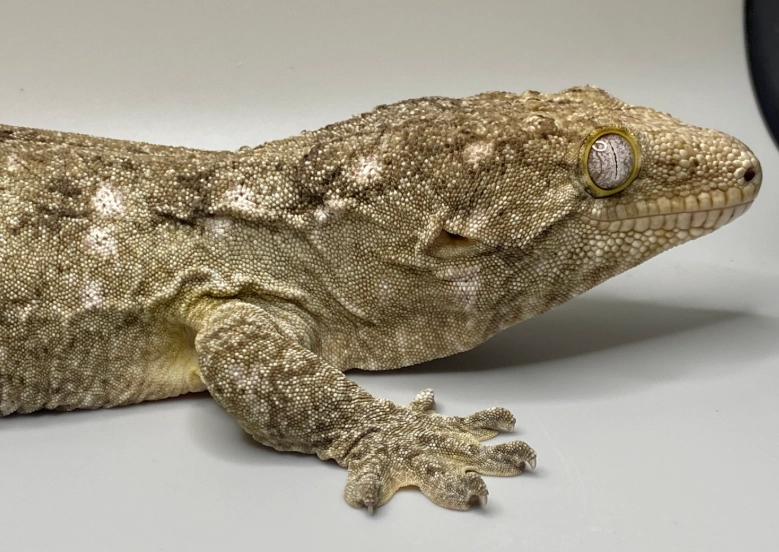
Startup Costs (Year 1): Enclosure ($300-$800), lighting/heat/thermostat ($150-$300), decor/substrate ($100-$200), the gecko itself. You're easily looking at $1000-$2000+ to start correctly.
Ongoing Costs: Electricity, CGD powder ($30 every few months), insects, substrate changes, occasional vet check-ups. Budget at least $200-$400 per year.
The Emergency Fund: Exotic vets are expensive. An infection, impaction, or injury can cost hundreds to over a thousand dollars to treat. You must have savings set aside.
Who Should (and Shouldn't) Get a Leachianus Gecko
This pet is likely a good fit if you:
- Have prior experience with reptiles, especially other geckos.
- Value a fascinating display animal as much as a handleable one.
- Have the financial means for the setup and long-term care.
- Are a night owl or don't mind nocturnal noises.
- Want a long-term companion and your life is relatively stable.
- Enjoy the puzzle of creating and maintaining a bioactive or naturalistic environment.
Look elsewhere if you:
- Are a first-time reptile owner.
- Want a pet to cuddle and handle daily.
- Have a tight budget.
- Need absolute quiet to sleep.
- Your living situation (rentals, family) is uncertain in the next 5-10 years.
- Want a "low-maintenance" pet you can largely ignore.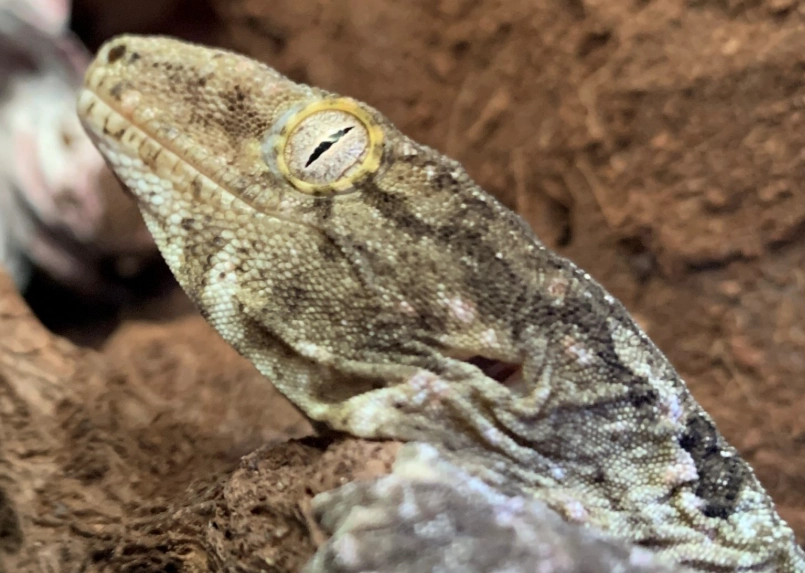
Your Questions Answered
How long do leachianus geckos live as pets?
With proper care, leachianus geckos are exceptionally long-lived pets. You can expect a commitment of 20 to 30 years, sometimes even longer. This lifespan surpasses that of most dogs and cats, making them a truly long-term companion. It's a decision that spans decades, so potential owners need to consider their future life plans seriously.
Are leachianus geckos difficult for beginners to care for?
I wouldn't recommend them as a first reptile. While their basic care parameters (temperature, humidity, diet) are manageable, the challenges lie in the nuances. Their size demands a large, custom enclosure. Their sensitivity to incorrect humidity can lead to serious health issues like respiratory infections. They can be surprisingly strong and defensive, especially as juveniles, requiring confident and gentle handling. Success with a leachianus gecko often comes from prior experience with other, more forgiving gecko species.
Are leachianus geckos loud at night?
Yes, this is a frequently underestimated point. They are nocturnal and can be quite vocal. The sounds range from soft chirps and clicks to loud, startling barks or growls, especially from males or during breeding seasons. If your bedroom shares a wall with their enclosure, you will hear them. It's not constant, but when they decide to "talk," it's unmistakable. For some, it's charming; for light sleepers, it's a potential deal-breaker.
Can you handle a leachianus gecko like a bearded dragon?
Not really. They are not "lap lizards." Handling tolerance varies wildly by individual. Some become quite calm and will sit on your arm, while others remain skittish or defensive their entire lives. Even a calm one is more of an "observe and occasionally interact" pet rather than one you can cuddle for extended periods. Their primary defense is a powerful bite and a tendency to thrash, so handling requires patience and reading their body language to avoid stress for both of you.
So, are leachianus geckos good pets? For the prepared, patient, and passionate keeper, they are phenomenal. They offer a unique window into the reptile world that few other pets can match. But they demand respect—for their space, their needs, and their sometimes-grumpy personalities. Do your homework, budget honestly, and talk to breeders and experienced owners. If you decide to bring one of these gentle giants into your home, you're in for a remarkable, decades-long journey.
Reader Comments