You see that tiny, bright green lizard at the pet store, maybe 8 inches long, perched on a branch. It's adorable. The label says "Green Iguana." You think, "I can handle that." Fast forward three years, and you're sharing your living room with a 5-foot-long, muscular dinosaur that needs a room-sized enclosure. This isn't a horror story; it's the reality for countless unprepared owners. Understanding green iguana size isn't just about curiosity—it's the single most important factor in deciding if you can provide a proper, lifelong home for one of these magnificent reptiles.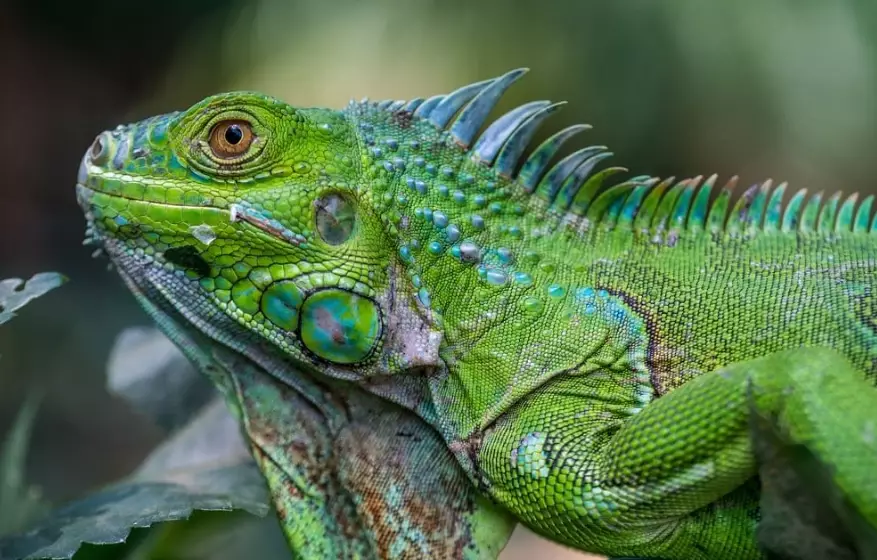
What's Inside This Guide?
Average Green Iguana Size: The Hard Numbers
Let's cut to the chase. When people ask "how big do green iguanas get?" they usually want a single number. The problem is, there isn't one. It's a range, and a surprisingly wide one.
A typical, healthy, captive-bred adult green iguana will reach a total length (snout to tail tip) of 5 to 6 feet (1.5 to 1.8 meters). Their body (snout to vent, or SVL) usually makes up about one-third of that, so you're looking at a body of 18-24 inches attached to a whip-like tail that's twice as long.
Weight is another story. A lean, fit 5-foot male might weigh 8-10 pounds. A bulkier, dominant male of the same length could push 15 pounds or more. Females are generally slightly smaller and lighter.
Now, here's where it gets interesting. The "record" sizes you see online—7, 8, even 9 feet—are almost always wild iguanas from South America. According to data from the San Diego Zoo Wildlife Alliance, green iguanas (*Iguana iguana*) in their native habitat have access to optimal, varied diets and near-unlimited space to roam, allowing some individuals to reach these impressive, albeit rare, sizes. In captivity, hitting 6.5 feet is considered very large.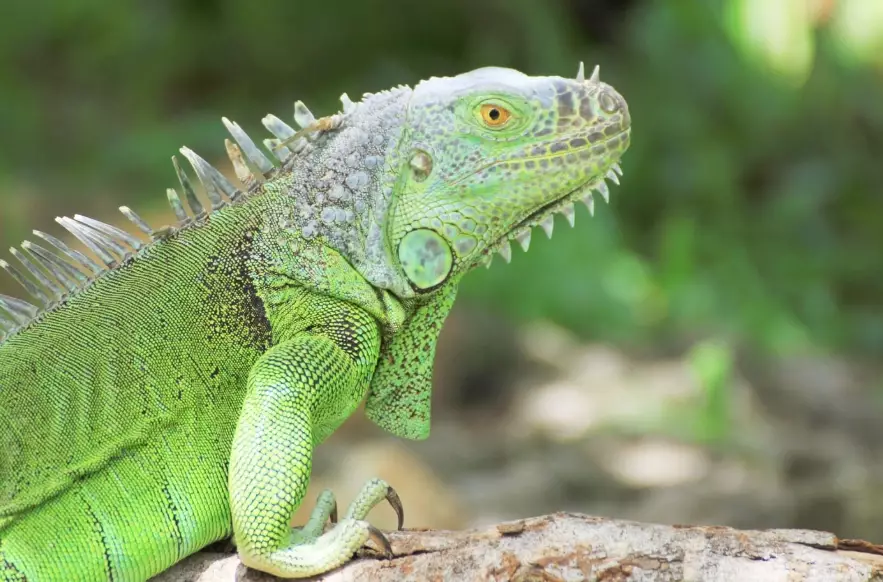
Green Iguana Growth Stages: A Visual Timeline
They don't just wake up one day at full size. Their growth happens in distinct phases, and knowing what to expect can help you spot potential health issues.
| Life Stage | Approximate Age | Average Total Length | What's Happening & Owner Focus |
|---|---|---|---|
| Hatchling/Juvenile | 0 - 12 months | 8" - 24" (20cm - 60cm) | Explosive initial growth. Bright green color. This is the "pet store" phase. Focus: High-quality greens, proper UVB, and frequent, gentle handling to build trust. |
| Sub-Adult | 1 - 3 years | 2 ft - 4 ft (0.6m - 1.2m) | The "teenage" phase. Growth rate slows but remains steady. Colors may start to dull, and males may show increased femoral pores and jowls. This is when behavioral changes (puberty) often start. Focus: Upgrading enclosure size is CRITICAL during this period. |
| Adult | 3 - 5 years | 4 ft - 6+ ft (1.2m - 1.8m+) | Growth plateaus. Full adult coloration (often more gray, brown, or orange). Sexually mature. This is their final, lifelong size. Focus: Maintenance diet, managing adult behaviors, and providing consistent, spacious housing. |
One subtle mistake I see constantly? Owners mistake the end of the rapid juvenile growth spurt (around 18 months) for the end of all growth. They think their 3-foot iguana is "mostly done." Then, over the next two years, it quietly adds another foot and a half of length and doubles in mass, completely overwhelming its "final" enclosure.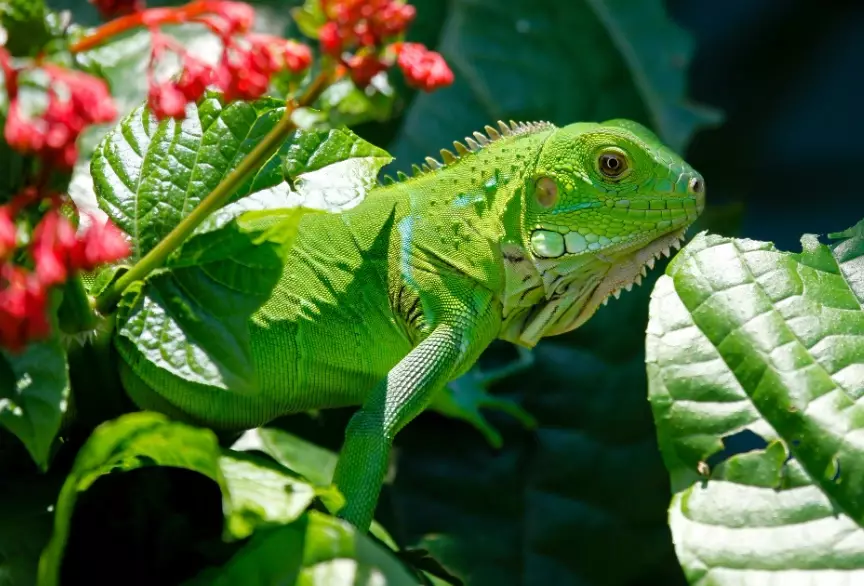
What Factors Determine a Green Iguana's Final Size?
Why does one iguana top out at 4.5 feet while another reaches 6? It's not random. Four main pillars control the outcome.
1. Genetics (The Blueprint)
This is the starting point. Some bloodlines are simply predisposed to be larger or smaller. You can't change this, which is why knowing the history of a breeder's animals can be insightful.
2. Nutrition (The Fuel)
This is the biggest lever you control. A diet high in animal protein (like dog food or excessive insects) can cause accelerated but unhealthy growth, leading to metabolic bone disease and kidney failure, not a healthily large iguana. Proper growth comes from a leafy green, herbivorous diet (collards, mustard greens, dandelion) with appropriate calcium supplementation. Underfeeding, or feeding only iceberg lettuce, will absolutely stunt growth and cause severe health problems.
3. Husbandry & Environment (The Conditions)
You can feed the perfect diet, but without the right setup, growth will be compromised.
- UVB Lighting: Non-negotiable. Without proper UVB for 10-12 hours a day, they cannot synthesize vitamin D3 and cannot absorb calcium, leading to metabolic bone disease (MBD) and deformed, stunted growth.
- Enclosure Size: A chronically stressed iguana in a cramped cage will not thrive. Stress hormones can suppress appetite and growth.
- Heat Gradients: They need a basking spot around 95-100°F (35-38°C) and a cooler end around 80°F (27°C) to properly digest food and metabolize nutrients.
4. Sex (Generally, But Not Always)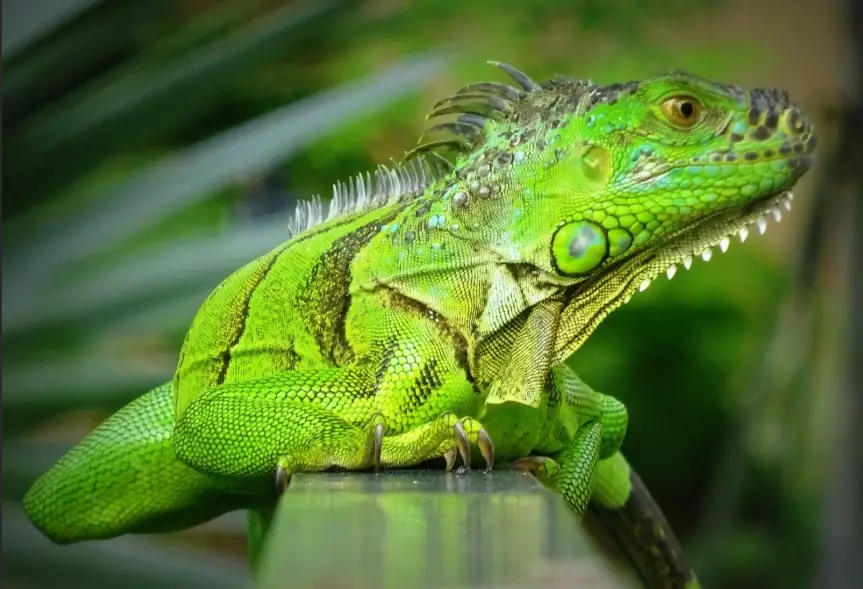
Males are typically longer, heavier, and develop larger jowls, dorsal spines, and femoral pores. However, a well-cared-for female can easily outsize a poorly cared-for male. Don't assume a smaller iguana is female.
The Inescapable Link: Iguana Size and Enclosure Requirements
This is the practical consequence everyone needs to internalize. The standard "40-gallon breeder" tank is a hatchling temporary home. The common "6ft x 3ft x 3ft" custom cage? That's a minimum for a sub-adult.
For a full-grown adult green iguana, the widely accepted minimum recommendation from experienced keepers and organizations like the Reptiles Magazine care guides is an enclosure that is at least 1.5 to 2 times the iguana's total length in length, and at least as wide as the iguana is long.
Let's do the math for a 5-foot (60-inch) iguana:
- Length: 60" x 1.5 = 90 inches (7.5 feet). So, an 8-foot long enclosure is a realistic goal.
- Width: Should be at least the iguana's length, so 5 feet wide.
- Height: They are arboreal. They need to climb. 6 feet tall is a good starting point.
That means you're planning for a structure roughly 8' L x 5' W x 6' H. That's the size of a small walk-in closet. This is why so many successful iguana owners end up dedicating an entire room (an "iguana room") or building a large, custom outdoor enclosure in suitable climates.
The biggest mistake I've made myself? I built an enclosure I thought was "huge" (6x3x4) for my first male, Icarus. By year three, he was pacing the length in four strides. He was visibly bored and stressed. The upgrade to an 8x4x6 enclosure was a massive, expensive project I should have built from the start. His demeanor improved almost overnight.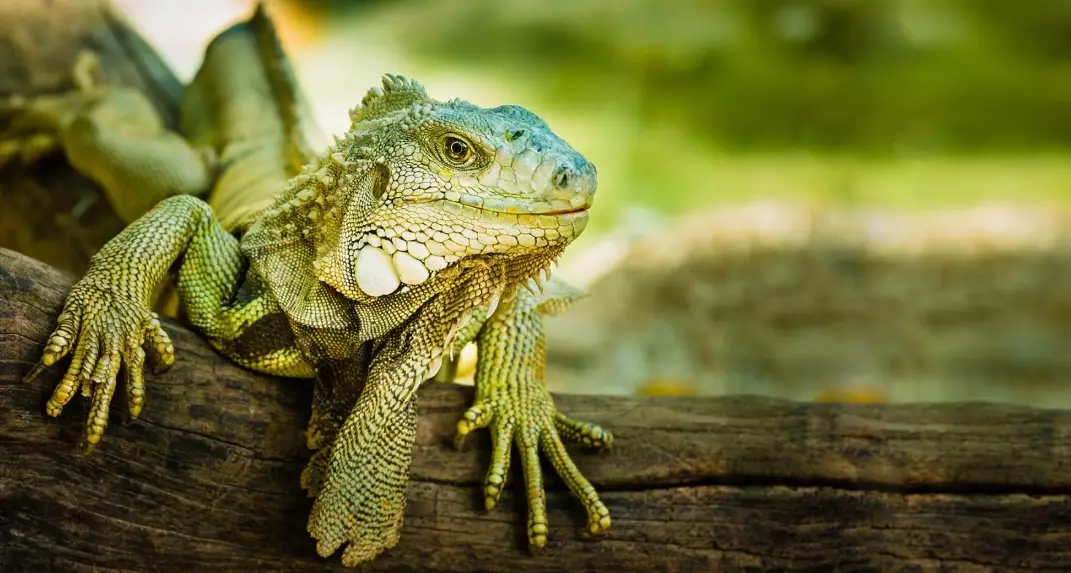
How to Accurately Measure Your Green Iguana
"My iguana is 4 feet long!" Often, this is a guess. Here's how to get a real measurement, which is useful for tracking health and planning.
- Gather Supplies: A flexible sewing tape measure, a helper, and some patience (or a tasty green treat as a distraction).
- Measure Snout to Vent (SVL): This is from the tip of the nose to the opening of the cloaca (the vent). This measures the body size and is less variable than total length. Hold the tape along the spine.
- Measure Tail Length: From the cloaca to the very tip of the tail. Iguanas can drop (autotomize) their tails, so this can change.
- Total Length = SVL + Tail Length. This is the number everyone uses.
- Weight: Use a digital kitchen scale for small iguanas. For large adults, weigh yourself on a bathroom scale, then weigh yourself holding the iguana, and subtract.
Track these numbers every few months during the first 3 years. A sudden stop in growth or weight loss is a red flag for illness.
FAQs: Your Green Iguana Size Questions, Answered
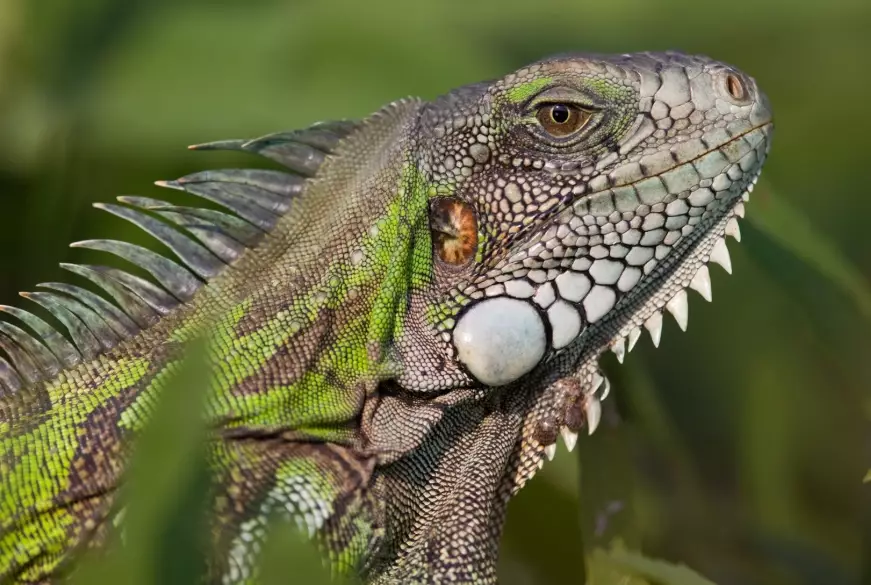 I bought a "dwarf" or "blue" iguana. Will it stay smaller?
Let's be blunt. The green iguana's size is its most defining and challenging characteristic. It's what leads to thousands being surrendered to rescues every year. But with eyes wide open—planning for a 6-foot, arboreal, leaf-eating dinosaur that needs a room of its own—you can make an informed decision. That decision might be to build an incredible, enriching habitat for a fascinating lifelong companion. Or, it might be to admire them at a reptile expo and choose a pet better suited to your space. Both are responsible choices rooted in a clear understanding of green iguana size.
Reader Comments