You see a tiny, fuzzy spider with enormous front-facing eyes. It cocks its head, almost like a puppy, then makes a startlingly precise leap. Your first thought isn't about its cuteness—it's about your skin. Do jumping spiders bite? The short, definitive answer is: yes, they can, but it's an incredibly rare event that almost never happens to people who aren't actively mishandling them. The bite is almost always harmless, less severe than a mosquito bite. This guide cuts through the fear and gives you the facts from years of observing and keeping these fascinating arachnids.
What You'll Find in This Guide
The Reality of a Jumping Spider Bite: What It's Actually Like
Let's get specific. I've spoken to entomologists and the few people who have experienced a bite, usually while trying to cup one bare-handed or accidentally pinning it against their skin.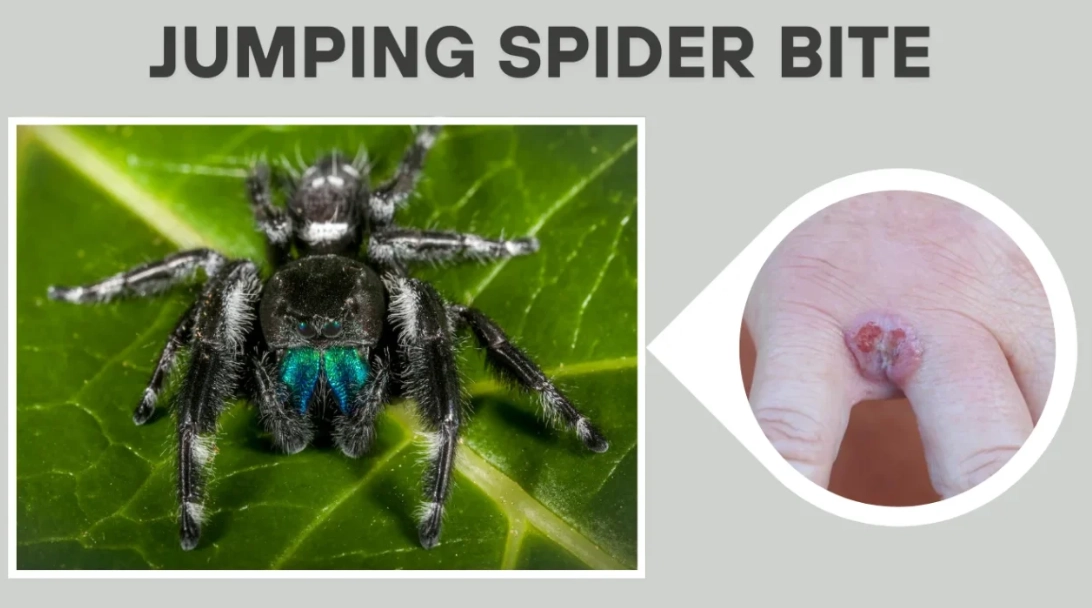
The consensus? It's a minor event.
Most describe it as a quick, sharp pinprick—startling more than painful. Some feel nothing at all initially, only noticing a tiny red mark later. The venom of jumping spiders (family Salticidae) is designed to immobilize small insects like flies and mosquitoes, not to defend against large mammals. Their fangs are minuscule. They physically cannot deliver a significant amount of venom, even if they wanted to.
Why are bites so rare? Jumping spiders are visual hunters, not ambush predators. They see you coming. Their primary instinct is to flee or freeze, not attack. A bite is a last-resort defense when they feel crushed and have no escape route. Think about it: they spend their lives calculating precise jumps to catch prey. Jumping at a giant like a human is a suicidal miscalculation they're not programmed to make.
I've handled dozens in the field with gentle guidance onto my hand. Not once have I been bitten. Their curiosity often overrides fear—they might explore your hand, but their goal is to get to a higher vantage point, not to sink their fangs in.
How Dangerous Is a Jumping Spider Bite?
Put your mind at ease. For the vast, vast majority of people, a jumping spider bite poses no medical danger. Let's break down the risk profile.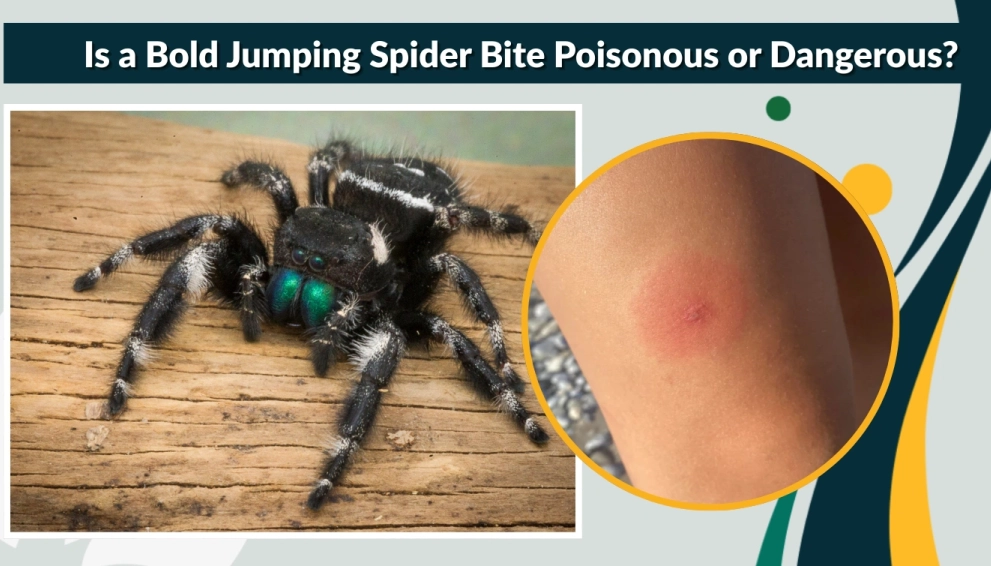
Symptom Severity: At worst, you might experience localized effects similar to a mild bee sting: slight redness, minor swelling, itchiness, or a feeling of warmth around the bite site. These symptoms typically fade within a few hours to a day. Many people report no reaction whatsoever.
Key Point: The greatest "risk" from a jumping spider bite is the psychological shock of being bitten by a spider, not the venom's toxicity. The actual physical impact is negligible.
Allergic Reactions: As with any foreign substance (bee venom, peanut butter, penicillin), there is a theoretical possibility of an allergic reaction. However, documented cases of severe allergic reactions (anaphylaxis) to jumping spider venom are extraordinarily rare in medical literature. The venom composition is simply not a common human allergen.
Comparative Risk: To give you perspective, here’s how a jumping spider bite stacks up against other common irritants.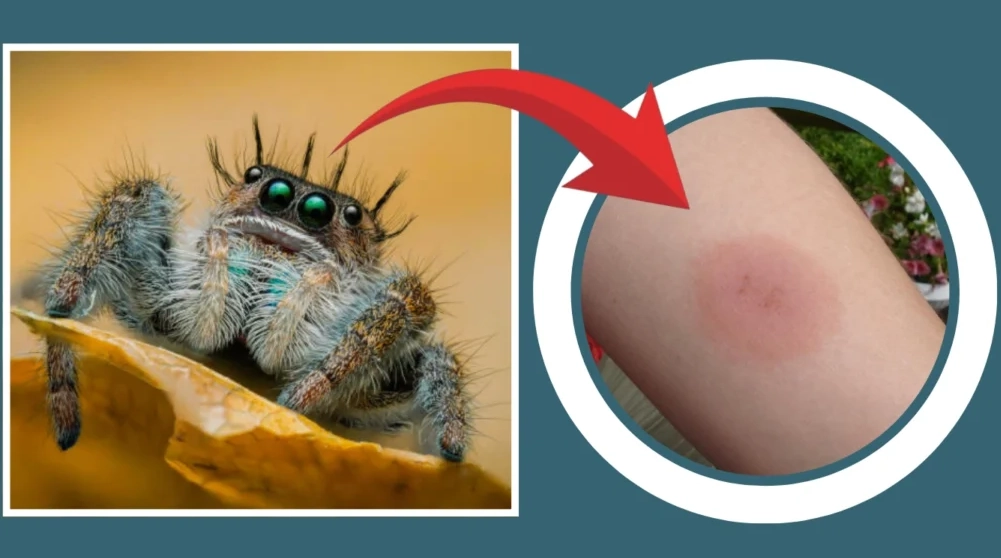
| Source | Typical Reaction | Medical Concern Level | Likelihood of Bite/Sting |
|---|---|---|---|
| Jumping Spider | Pinprick, minor redness/itch | Very Low | Extremely Low |
| Mosquito | Itchy welt, possible disease vector | Low to Moderate (due to diseases) | Very High |
| Fire Ant | Painful, itchy pustules | Low (High if allergic) | High |
| Wasp/Bee | Painful sting, significant swelling | Moderate (High if allergic) | Moderate |
| Recluse Spider | Potentially necrotic wound | High | Low |
As you can see, the jumpers are at the absolute bottom of the concern list. You are statistically in more danger from a bee in your garden or a mosquito on your patio.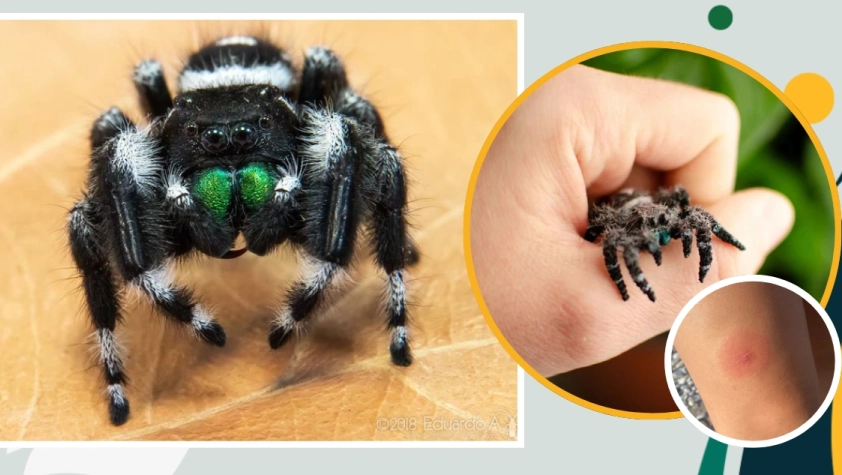
What to Do If a Jumping Spider Bites You
Okay, let's walk through the scenario. You felt a pinch, looked down, and saw a jumping spider scurrying away from a tiny mark on your arm. Here’s your action plan, stripped of panic.
Step 1: Stay Calm and Confirm. Don't swat or crush the spider. Gently encourage it away. A positive ID is helpful. Remember the key features: compact body, short legs, large front eyes, fuzzy appearance (often with iridescent chelicerae or "jaws").
Step 2: Basic First Aid. This is simple wound care, not antivenom treatment.
- Wash the area with soap and cool water.
- Apply a cold pack or ice wrapped in a cloth to reduce any minor swelling or itching.
- You can use an over-the-counter hydrocortisone cream or antihistamine (like Benadryl cream) if itching is bothersome.
- A simple adhesive bandage is fine if you want to cover it.
Step 3: Monitor (Briefly). Keep an eye on the spot for 24 hours. It should improve rapidly. If you see signs of a secondary bacterial infection—increasing redness, swelling, pus, red streaks, or fever—contact a doctor. This isn't from the venom; it's from bacteria introduced during the bite, a risk with any small skin break.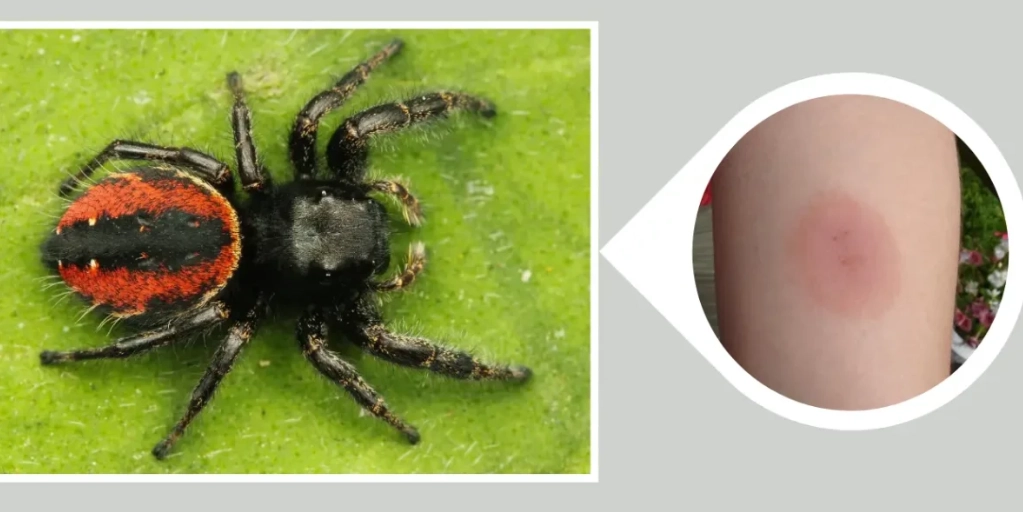
Step 4: When to Seek Real Medical Attention. This is crucial. See a doctor only if:
- You develop symptoms of a severe allergic reaction: difficulty breathing, swelling of the lips/tongue/throat, dizziness, or a widespread rash. (Again, this is wildly improbable with a jumping spider.)
- The bite site shows severe, spreading symptoms inconsistent with the minor reaction described above. This likely means you were bitten by a different spider and misidentified it.
How to Prevent Jumping Spider Bites
Prevention is laughably easy because the spider is actively trying to prevent the encounter itself.
Around Your Home
They come indoors occasionally, usually by accident. If you find one:
- The Cup-and-Card Method: Place a clear cup over it, slide a stiff piece of paper underneath, and release it outside. This gives you a great look at it with zero risk.
- Wear gloves if you're moving firewood or cleaning a shed where you might inadvertently press your hand against one.
- Seal cracks around windows and doors to reduce all insect and spider traffic, not just jumpers.
While Handling or Observing
Some people keep them as pets or enjoy observing them up close.
- Let them come to you. Offer your open hand as a platform, don't grab. They will often walk on out of curiosity.
- Avoid sudden movements. Be patient and gentle.
- If you need to move one, use a soft artist's brush to gently coax it.
The golden rule: Respect their space, and they will respect yours. They have no interest in you as anything other than a large, moving landscape.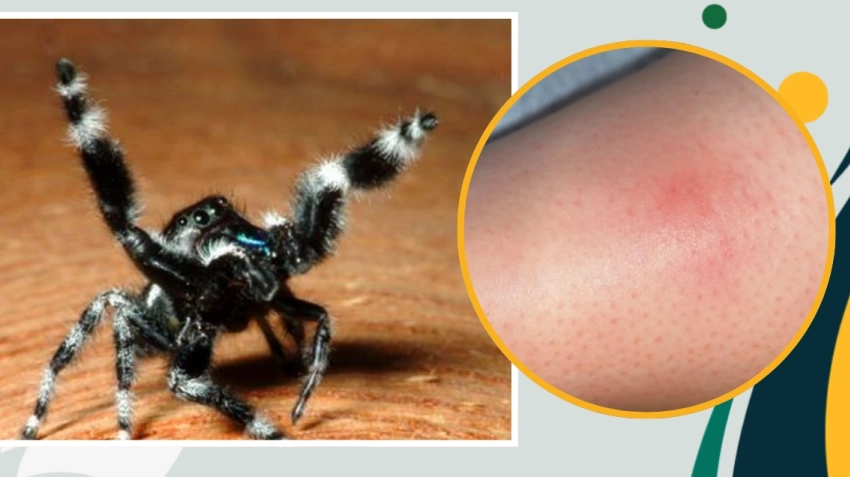
Common Myths and Misidentifications
This is where most of the fear comes from. People get bitten by something, assume it's the cute jumping spider they saw earlier, and a myth is born.
Myth 1: "The aggressive jumping spider in my bed bit me!" Jumping spiders are diurnal (active during the day). They hunt by sight. A dark bedroom at night is their worst nightmare. A biting spider in your bed is far more likely to be a different, reclusive species. Jumpers get blamed for bites they didn't commit.
Myth 2: "Their bite is as bad as a bee sting." For most people, it's significantly milder. The initial pinprick might be similar, but the lack of substantial venom means the subsequent reaction is usually much less pronounced.
Myth 3: "They jump at people to attack." They jump to catch prey or escape. A jump towards you is almost always a misdirected escape attempt or an effort to reach a higher point (like from your leg to a wall). It's not an offensive maneuver.
Misidentification is huge. Many small, dark ground spiders or even biting gnats get mistaken for jumping spiders. True jumpers have that distinctive, almost mammalian face and a sturdier, more compact build.
Living With (or Without) Jumping Spiders
Here's my take after years of watching them: jumping spiders are beneficial housemates. They are voracious predators of actual pests like flies, mosquitoes, and moths. Having one in your window is like having a tiny, silent pest control agent.
If you absolutely cannot tolerate one indoors, use the humane capture method above. Pesticides are massive overkill for a single, harmless spider that eats the insects you truly don't want.
Outdoors, they are a sign of a healthy garden ecosystem. Encourage them by avoiding broad-spectrum insecticides. They are part of the natural balance.
Your Jumping Spider Bite Questions Answered
So, the final word. Do jumping spiders bite? Technically, yes. Should you lose sleep over it? Absolutely not. They are among the most inoffensive and fascinating creatures you can encounter. The risk is so low it's practically nonexistent. Next time you see one, take a moment to appreciate its acrobatic hunt. You're watching a master predator at work, one that has zero interest in making you its prey.
Reader Comments