You see a tiny, fuzzy spider with big front eyes staring at you from the wall. It tilts its head, almost like a puppy. Your first instinct might be to flinch or reach for a rolled-up newspaper. But hold on. The short, direct answer to "Are jumping spiders harmful?" is a resounding no, not to humans. In over a decade of observing and keeping arachnids, I've handled hundreds, and the idea of them being a threat is a massive misconception. They're more likely to run from you than at you. This article isn't just a quick yes or no; it's a deep dive into why they're misunderstood, what really happens if you get bitten (it's incredibly rare), and why you might want to welcome them as tiny pest control agents in your home.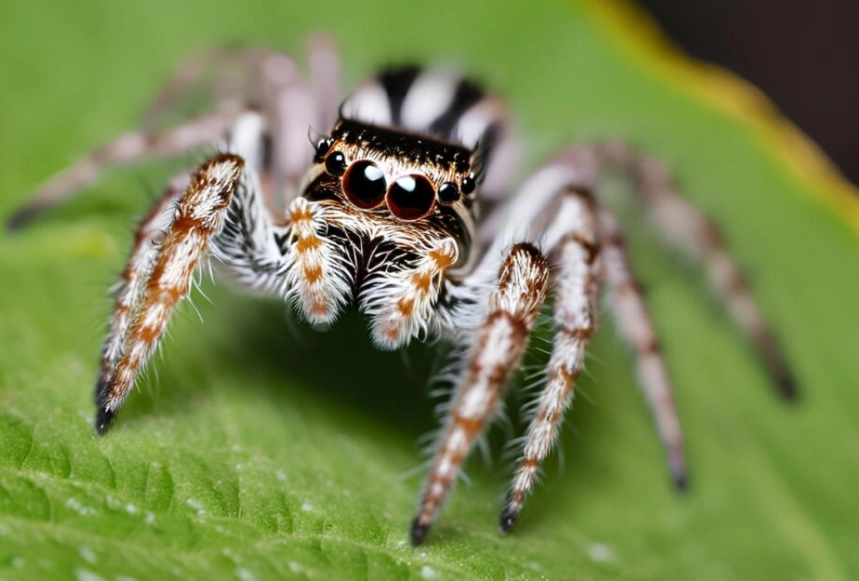
What's in this guide?
The Quick Verdict: Harmful or Not?
Let's cut to the chase. Jumping spiders (family Salticidae) pose no significant danger to people, pets, or property. They are not aggressive. Their venom is designed for immobilizing small insects like flies and mosquitoes, not for affecting mammals. A common mistake people make is grouping all spiders under the "dangerous" label because of a few notorious species. That's like assuming all dogs are as protective as guard dogs because you saw a German Shepherd once.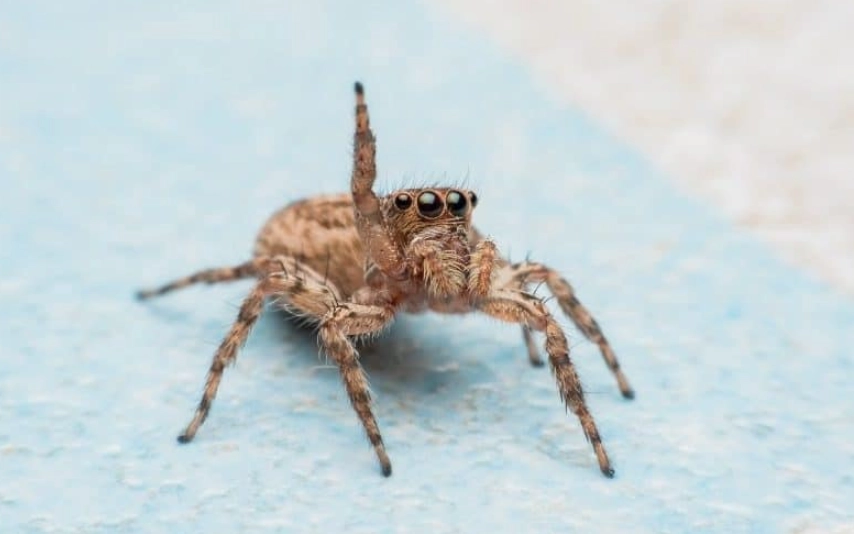
Key Takeaway: They are medically insignificant. No jumping spider species has venom potent enough to cause more than a mild, temporary local reaction in a human, akin to a small mosquito bite or less. You have a higher chance of a bad reaction to a bee sting.
Why Jumping Spiders Act the Way They Do
Their behavior often gets misinterpreted as aggression. That curious stare? It's because they have exceptional vision, some of the best in the arthropod world. They're assessing you as a large object, not a target. The sudden jumps? That's their primary hunting method—ambushing prey with precision, not launching attacks on giants like us.
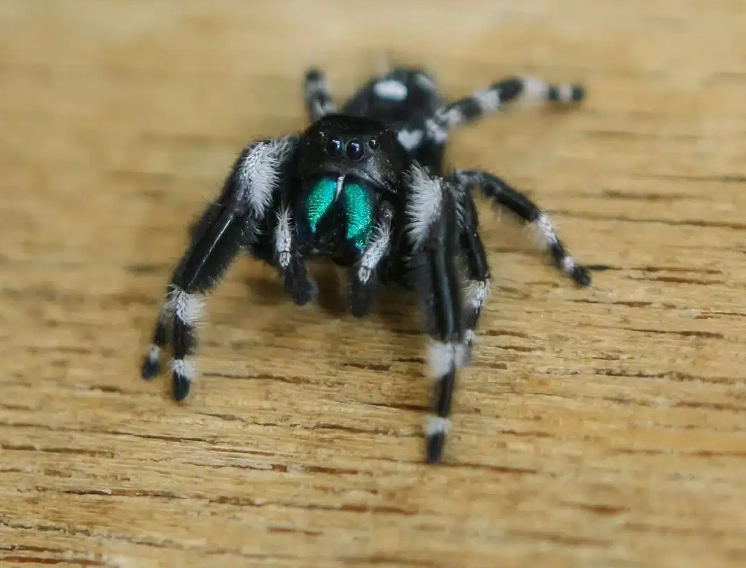
I remember one time a bold Phidippus audax (the Bold Jumper) kept following my finger as I moved it slowly across a table. It wasn't being confrontational; it was simply tracking movement with its keen eyesight, probably wondering if my finger was some strange, giant caterpillar. It never made a threatening pose.
Signs You're Misreading Their Intent
- Raising front legs: This is often a defensive "I see you, please don't squish me" posture, not an attack stance.
- Following you: They might be attracted to the vibrations you create, hoping it leads to disturbed insects.
- Not running away immediately: They are visual thinkers. Sometimes they freeze to assess the best escape route.
The Reality of a Jumping Spider Bite
Can they bite? Technically, yes. They have fangs. Will they bite you? It's exceedingly rare and usually requires you to physically trap or squeeze the spider against your skin. Think about it—their main survival strategy is to flee. Biting a human is a last-resort defense.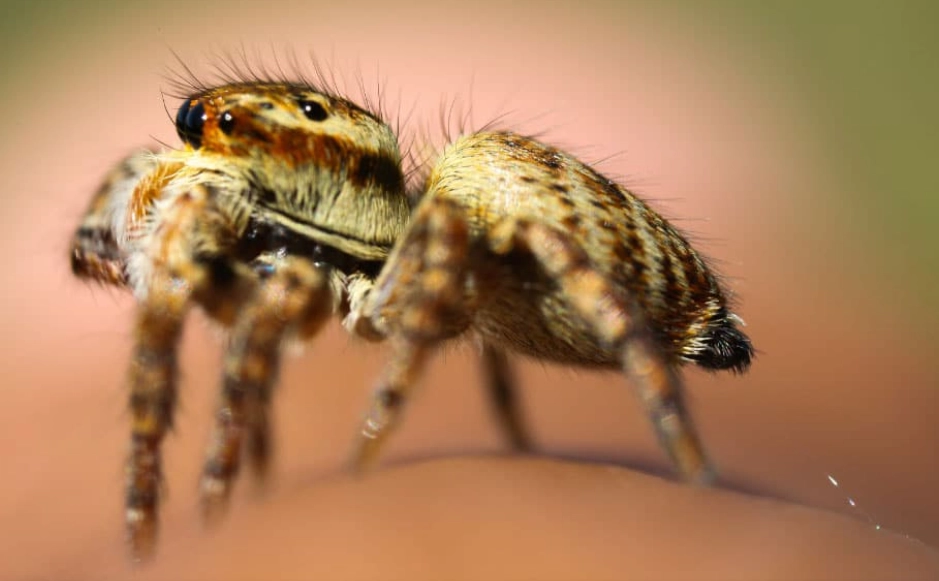
If the highly unlikely bite occurs, here's what you can realistically expect, based on documented cases and enthusiast reports:
| Symptom | Description | Duration |
|---|---|---|
| Initial Sensation | A tiny pinprick, often not even felt. | Instant |
| Local Reaction | Mild redness, slight swelling, maybe a small itchy bump. | 12-48 hours |
| Pain Level | Typically less than a bee sting, often compared to a mild ant bite. | Minutes to a few hours |
| Systemic Effects | None. No nausea, muscle cramps, or fever associated with their venom. | N/A |
Important: The primary risk from any minor insect bite is secondary infection. Always wash the area with soap and water and apply an antiseptic. If you experience symptoms far beyond mild local irritation (like spreading redness, fever, or intense pain), consult a doctor, as you may be having an unusual allergic reaction or the wound may have become infected.
First-Hand Account: The "Non-Event" Bite
A fellow keeper I trust was rehousing a large female regal jumper. She spooked and bit him on the fleshy part of his thumb. His description? "Felt like a quick pinch. There was a tiny red dot that itched mildly for about a day, like a minor chigger bite. It was gone by the next morning." That's the typical extreme of the experience.
They're Actually Helpful: Benefits in Your Home
Instead of asking if jumping spiders are harmful, we should ask how they're helpful. They are voracious predators of common household pests. A single jumping spider can consume dozens of insects per week.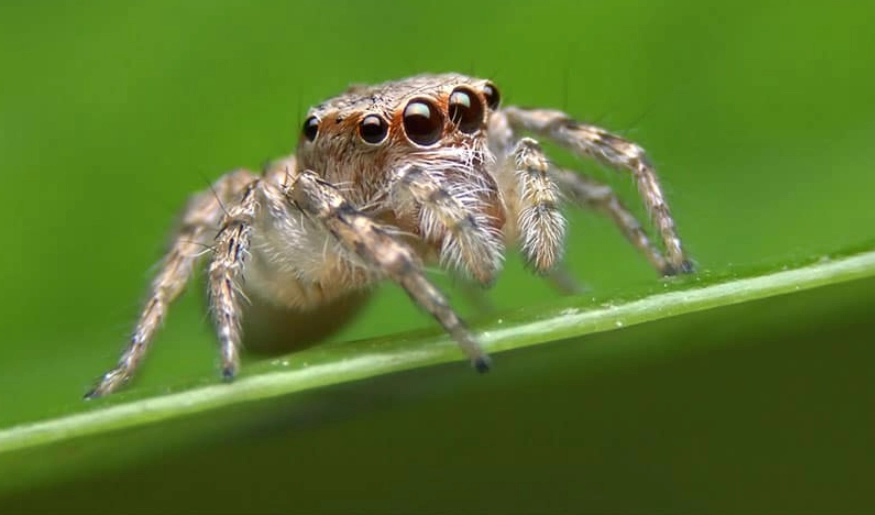
Their Preferred Menu Includes:
- Flies (house flies, fruit flies)
- Mosquitoes
- Moths
- Small cockroach nymphs
- Silverfish
- Ants (workers)
I actively encourage them in my garden shed. I've noticed a significant drop in the number of mosquitoes and flies buzzing around since a few took up residence near the window. They're silent, efficient, and ask for nothing in return.
They don't build messy webs to catch debris. They are clean, quiet hunters that patrol corners and windowsills. From an integrated pest management perspective, they're free, non-toxic allies.
How to Coexist with Jumping Spiders Peacefully
You don't have to love them, but you can easily live with them. Here’s a simple, practical guide based on what actually works.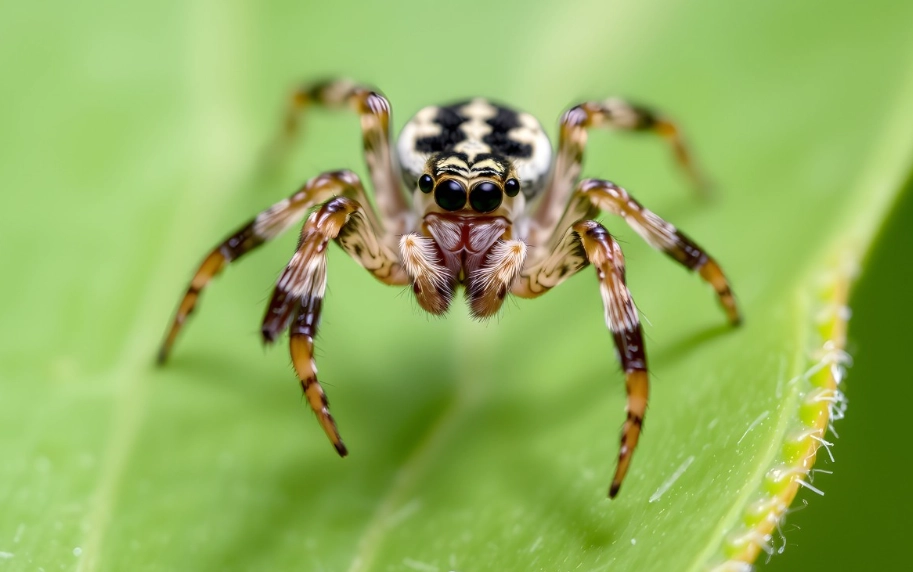
If you find one indoors and want it outside:
- Remain calm. Sudden movements startle them.
- Take a clear cup and a stiff piece of paper or card.
- Slowly place the cup over the spider.
- Slide the card carefully between the cup rim and the surface.
- Carry the cup outside and release the spider in a sheltered spot, like a plant or a woodpile.
To gently discourage indoor populations:
- Reduce other insect prey by keeping kitchens clean and food sealed.
- Seal obvious cracks where they might wander in.
- Use yellow or sodium vapor lights outdoors, which attract fewer insects for them to eat.
Please, avoid insecticides for them. It's overkill, harms the ecosystem, and you might just poison their prey, causing them to die indirectly. A fly swatter or the cup method is far more targeted and humane.
Your Questions, Answered by an Enthusiast
 My cat/dog keeps trying to paw at a jumping spider. Could it hurt my pet?
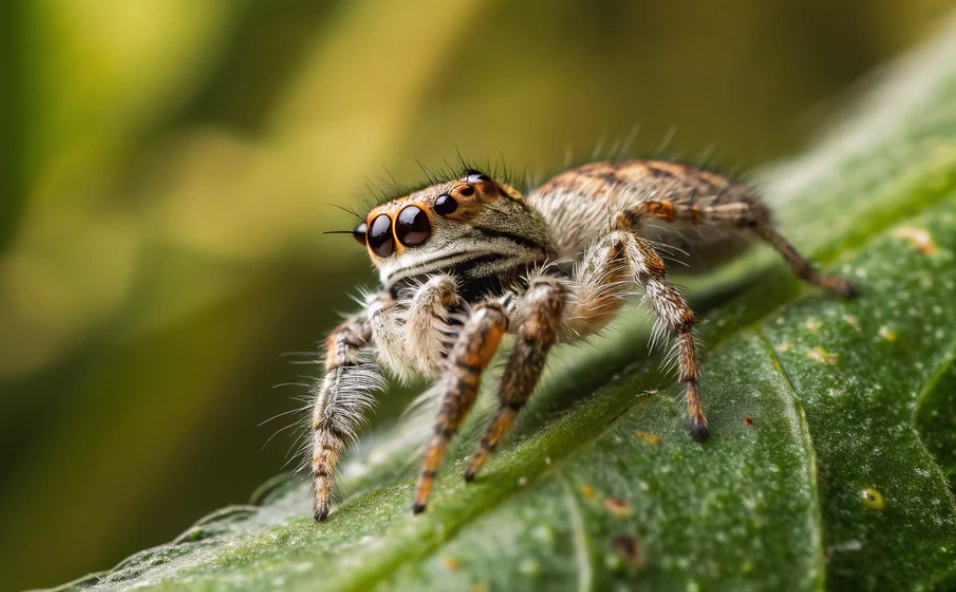 So, the next time you lock eyes with one of these tiny acrobats, remember: you're looking at a beneficial, curious, and utterly harmless creature. They're not out to get you. They're just going about their business of keeping your space a little freer of actual pests. Sometimes the most helpful things come in small, eight-legged packages.
Reader Comments