So you're thinking about getting a leopard gecko, and you've stumbled across the term "Super Giant." Your first thought might be, "Wait, how big are we talking? Is it just a fat normal one?" I had the same questions when I first saw one at a reptile expo years ago. The difference isn't just about feeding more crickets. It's a genetic rabbit hole that affects everything from the price tag to the size of the tank you'll need. Let's cut through the confusion and lay out exactly what separates a Super Giant leopard gecko from your standard, wonderful normal morph.
What's Inside This Guide
Genetics & Size: It's in the DNA, Not the Dinner Plate
This is the core of the difference. A "normal" leopard gecko (Eublepharis macularius) is what you find in the wild and what most pet stores sell as a baseline. They follow a predictable growth pattern. A Super Giant is a specific polygenic trait—meaning multiple genes work together to create its massive size. Breeders like Ron Tremper spent years selectively breeding the largest specimens to lock in this trait.
Here's the kicker many new keepers miss: you can't just overfeed a normal gecko to make it a Giant. The Super Giant gene dictates a larger skeletal frame and potential for more mass. A well-fed normal might get chunky, but a Super Giant has the frame to support that weight healthily, reaching lengths a normal gecko physically cannot.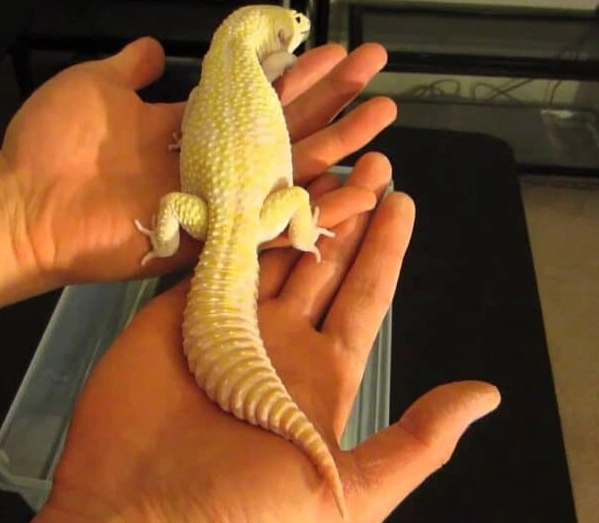
Quick Size Reality Check: A "Giant" leopard gecko is a heterozygous carrier (one copy of the gene), while a "Super Giant" is homozygous (two copies). Only Supers guarantee the maximum size potential. If a breeder just says "Giant," ask if it's a Super. The price and final size differ significantly.
Let's put numbers on it. This table shows the stark contrast:
| Trait | Normal Leopard Gecko | Super Giant Leopard Gecko |
|---|---|---|
| Average Adult Length | 7 to 9 inches | 10 to 12 inches |
| Weight Range (Healthy Adult) | 45 to 80 grams | 80 to 130+ grams |
| Growth Timeline | Reaches full size by 12-18 months. | May continue filling out for 2-3 years. |
| Visual Cue (Hatchlings) | Typical hatchling size. | Often noticeably longer and heavier at birth. |
I remember picking up a mature male Super Giant. His head was broader, his tail was as thick as my thumb, and he just had a substantial, powerful feel in the hand that a normal gecko, even a big one, doesn't have. It's not obesity; it's density.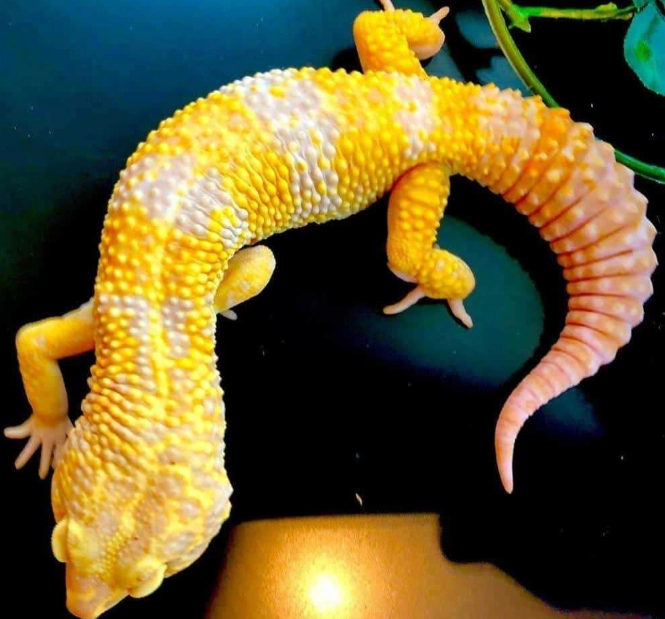
Looks & Temperament: More Than Just Scale
Beyond sheer mass, the Super Giant trait can subtly influence appearance. Their heads are often broader and more robust, giving them a slightly different facial structure. Their legs might be a bit thicker. This isn't always dramatic, but side-by-side, it's noticeable.
Now, what about personality? There's a common myth that bigger geckos are calmer. In my experience, temperament is far more linked to individual lineage and handling history than to the Giant gene. I've seen skittish Supers and puppy-tame normals. However, because Super Giants are almost exclusively bred by dedicated hobbyists and breeders (not mass-produced), they often benefit from more frequent, careful human interaction from day one. This can lead to a higher probability of a calm pet, but it's not a guarantee. Don't buy a Super Giant assuming it will automatically be a lap lizard.
A Note on Morph Combinations
This is where it gets fun for breeders. The Super Giant gene can be combined with any color or pattern morph—Albino, Mack Snow, Eclipse, you name it. A "Super Giant Albino" is possible. But here's a nuance: in some complex morphs, especially those involving the Enigma gene, introducing the Super Giant trait is controversial. Some breeders feel it can compound potential health issues inherent to those morphs. It's a debated topic in breeding circles.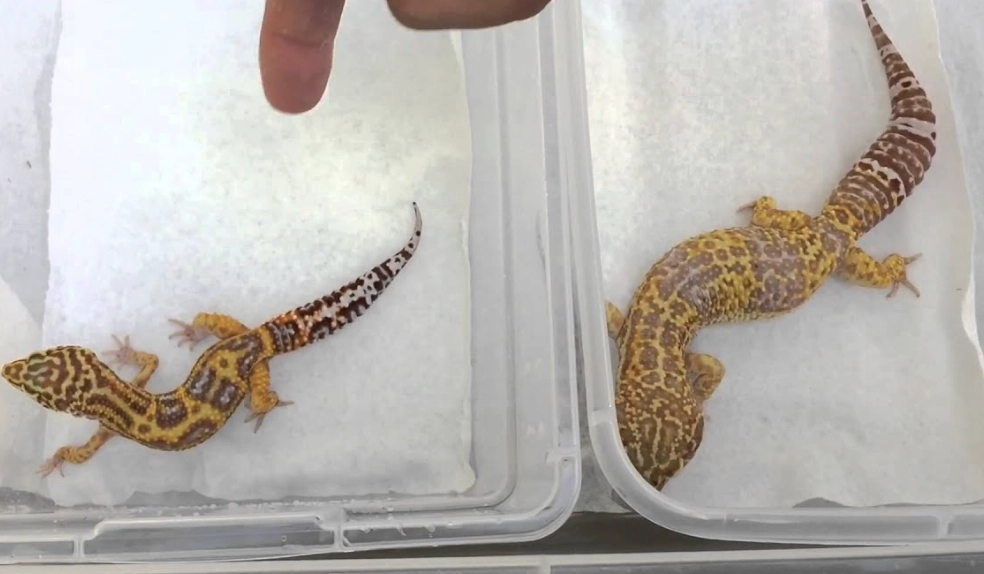
Care & Housing: The Bigger Picture
Do Super Giants need special care? Mostly no, but with critical yeses in a few areas. The core requirements—temperature (88-92°F hot spot, 70-75°F cool side), low humidity, a moist hide for shedding—are identical.
The adjustments are about scale.
Enclosure Size: The standard 20-gallon long (30" x 12" x 12") is the absolute minimum for a normal adult. For a Super Giant, it feels cramped. I strongly recommend a 36" x 18" footprint (like a 40-gallon breeder tank) as a better forever home. They use the space.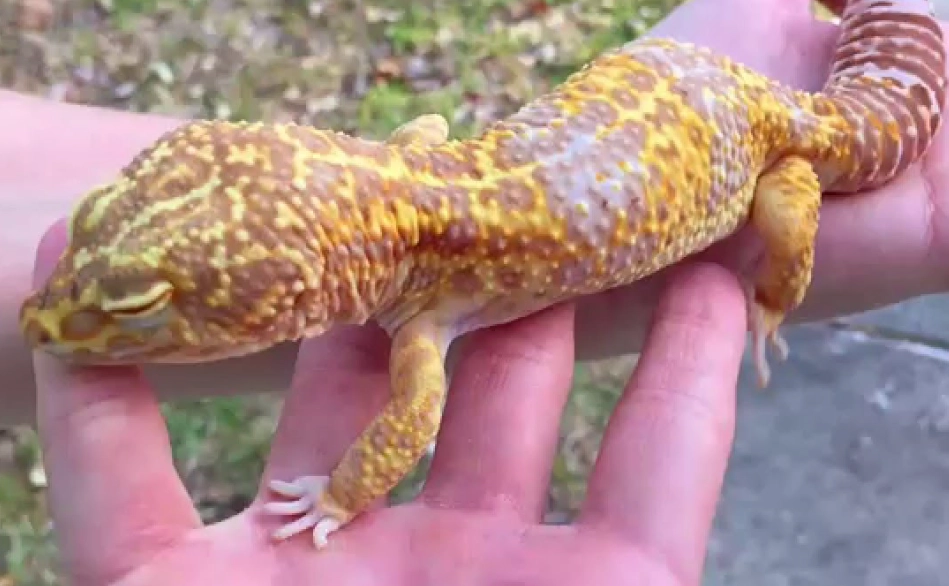
Food & Feeding: Their metabolism isn't radically different, but their maintenance calories are higher. An adult normal might eat 8-10 large crickets twice a week. An adult Super Giant might need 12-15. The key is monitoring body condition. You should still see a distinct neck and a tail no wider than the head. The risk of overfeeding is the same; you just start from a larger baseline.
Supplements: This is crucial. That larger body is building more bone. A consistent, reliable calcium (with D3 if no UVB) and multivitamin schedule is non-negotiable. Metabolic bone disease (MBD) in a Super Giant is a heartbreaking sight because their weight makes skeletal weakness even more devastating.
Hides & Furniture: Your standard half-log hide might be a tight squeeze for a full-grown Super. Ensure the entrance to their favorite hide is wide enough for them to enter and exit without scraping their sides. Upgrade to larger cave-style hides.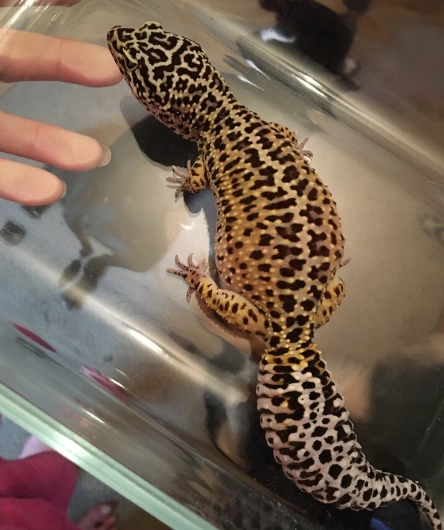
Cost & Where to Find Them: The Price of Size
This is the most practical divider for many potential owners. You won't find true Super Giants at PetCo.
| Source / Type | Normal Leopard Gecko | Super Giant Leopard Gecko |
|---|---|---|
| Typical Price Range | $30 - $80 | $200 - $600+ |
| Where to Buy | Pet stores, basic online classifieds. | Specialized reptile breeders, reptile expos, MorphMarket. |
| Price Drivers | Basic health and color. | Proven genetics, lineage, combined color morph, breeder reputation. |
The high cost isn't just for size; it's for predictability. You're paying for the breeder's years of work ensuring the genetics. Always ask for the animal's weight and the parents' weights/photos. A reputable breeder will have this data. If they just say "big gecko" without proof of lineage, be skeptical.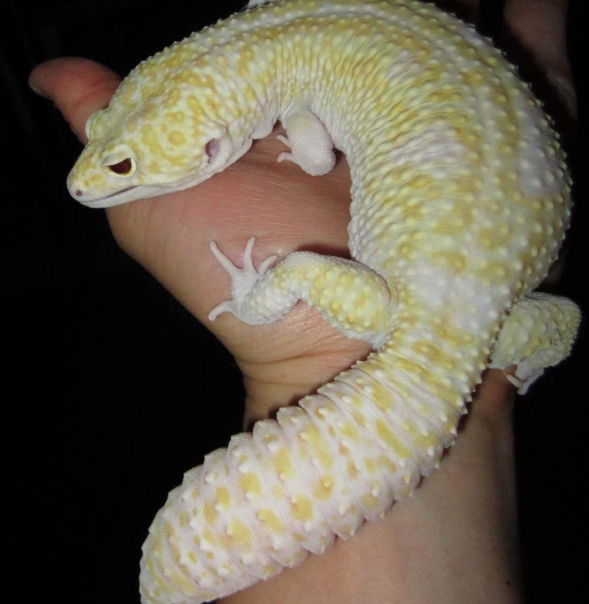
Reader Comments