Let's be honest, the idea of a "giant gecko" sounds pretty cool, right? It conjures images of a hefty, impressive lizard that's more substantial than the little guys darting on your walls. But here's the thing – the term "giant gecko" isn't just about one animal. It's a whole category, and diving into it without knowing the specifics is a surefire way to end up overwhelmed, or worse, with a pet that doesn't thrive.
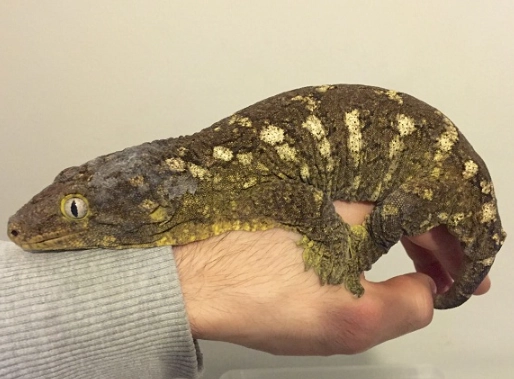
I remember when I first got interested. I saw a picture of a Rhacodactylus leachianus – the New Caledonian giant gecko – and my jaw dropped. It was massive, textured, and looked like a miniature dinosaur. I thought, "I need one of those." But I'm glad I pumped the brakes and did my homework. The care for a giant island gecko like that is worlds apart from, say, a larger mainland species. Some are beginner-friendly, others are strictly for seasoned keepers. Their price tags? Don't even get me started right away.
This guide is the one I wish I had. We're going to cut through the noise and the flashy Instagram posts. We'll talk about what a giant gecko really is, which species you should actually consider (and which you should probably avoid as a first-timer), how to set up a home they'll love, what to feed them, and the real, sometimes messy, truth about their health and behavior. My goal is to give you all the info, the good and the occasionally frustrating, so you can make a decision you won't regret.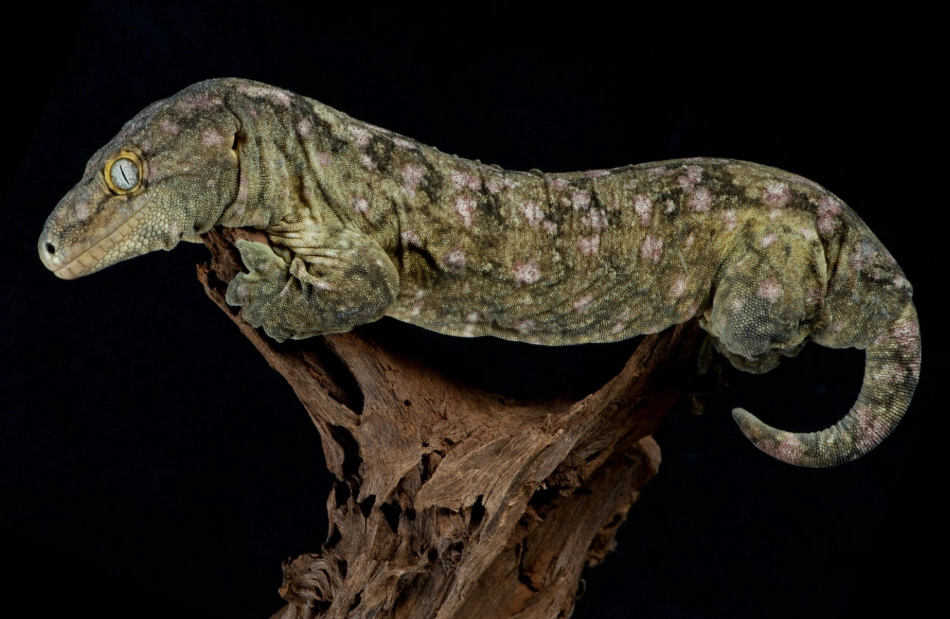
Because at the end of the day, these aren't just display animals. They're long-term commitments with their own quirks and needs.
Quick Navigation
- What Exactly Is a "Giant Gecko"? It's More Than Just Size
- The Main Players: A Breakdown of Popular Giant Gecko Species
- Building a World: The Giant Gecko Habitat Setup
- Fueling Your Giant: Diet and Nutrition
- Health and Wellness: Spotting Trouble in Your Giant Gecko
- Behavior, Handling, and the Reality of Their Personality
- Your Giant Gecko Questions, Answered
- Taking the Next Step: Sourcing and Quarantine
What Exactly Is a "Giant Gecko"? It's More Than Just Size
This is where most confusion starts. In the reptile hobby, "giant gecko" generally refers to geckos that are significantly larger than your average house gecko or even a popular leopard gecko. We're talking about species that regularly hit lengths of 8 inches or more from snout to vent, not even counting the tail. But size is relative. A true giant gecko, like the Leachianus, can push 14 inches in total length and feel surprisingly weighty in your hand.
The term often specifically points to the genus *Rhacodactylus* from New Caledonia. These are the celebrities of the giant gecko world. But there are other geckos from different parts of the globe that also earn the "giant" title. It's less of a strict scientific classification and more of a handy label used by breeders and keepers.
What truly defines them isn't just bulk. It's often their robustness, their unique textures (some have skin that feels like soft suede or fine sandpaper), and their generally calm, albeit sometimes shy, demeanors compared to smaller, skittish geckos. Owning a giant gecko feels different. There's a presence to them.
The Main Players: A Breakdown of Popular Giant Gecko Species
You wouldn't buy a car without knowing the model. Same logic applies here. Let's meet the contenders. I've put together a table to compare the big ones side-by-side, because it's the easiest way to see the stark differences.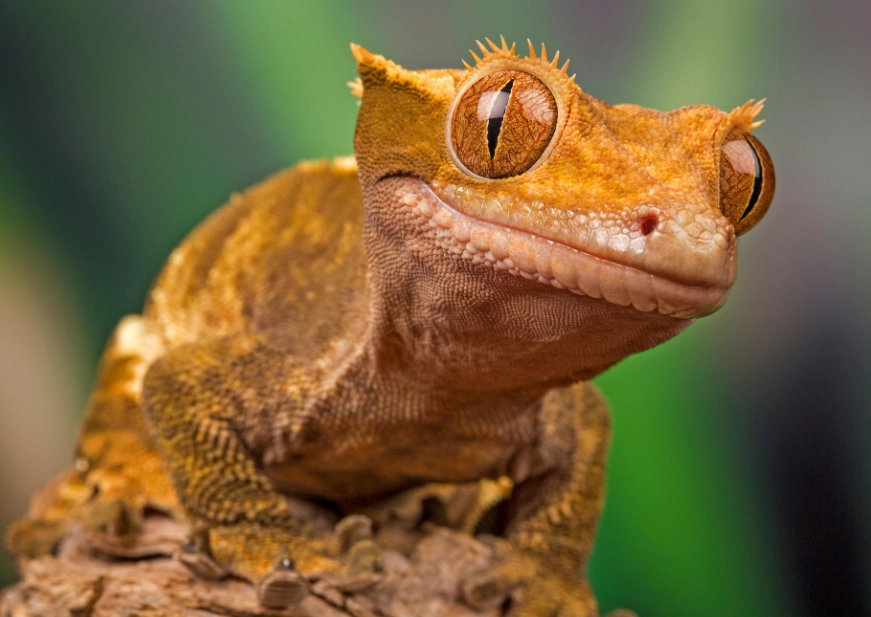
| Species (Common Name) | Max Size (Total Length) | Temperament & Handling | Care Difficulty | Key Consideration |
|---|---|---|---|---|
| Rhacodactylus leachianus (New Caledonian Giant Gecko, Leachie) | Up to 14-17 inches | Variable; can be defensive/hissy, especially wild-caught lines. Captive-bred can be calmer. Not always a "handling" pet. | Advanced | The ultimate giant gecko. Requires large, tall enclosures, specific humidity. Expensive to purchase. |
| Rhacodactylus auriculatus (Gargoyle Gecko) | Up to 8-10 inches | Generally docile, can become quite tame with regular, gentle handling. Great for beginners interested in the genus. | Beginner to Intermediate | One of the best starter "giant" geckos. Hardy, comes in stunning color morphs, and has a fantastic personality. |
| Rhacodactylus chahoua (Mossy Prehensile-tailed Gecko, Chewie) | Up to 10-12 inches | Usually shy and cryptic. More of a "look but don't touch often" gecko. Can be jumpy. | Intermediate | Famous for its moss-like camouflage and prehensile tail. Requires excellent foliage cover and climbing space. |
| Correlophus ciliatus (Crested Gecko) | Up to 8 inches | Typically very handleable, though some individuals are jumpy. A classic beginner gecko. | Beginner | While on the smaller end of "giant," it's a Rhacodactylus cousin. The pioneer of complete powdered diets. Loses its tail permanently. |
| Eurydactylodes agricolae / vieillardi (Chameleon Gecko) | Up to 4-5 inches | Very delicate, shy, and observational. Not for handling. | Intermediate to Advanced | Included as a contrast – often grouped but NOT giant. Tiny, fragile, and needs micro-sized food. |
See what I mean? Calling them all just "giant geckos" is a massive oversimplification. A beginner buying a Leachianus because they heard "giant geckos are cool" is in for a world of stress. Conversely, an experienced keeper might find a Crested Gecko a bit simple if they're craving the challenge and majesty of a true giant island gecko.
My personal favorite for a balance of size, personality, and manageability? The Gargoyle Gecko. They have this stoic, almost statuesque quality, and the ones I've kept have been incredibly food-motivated and curious. But that's just me.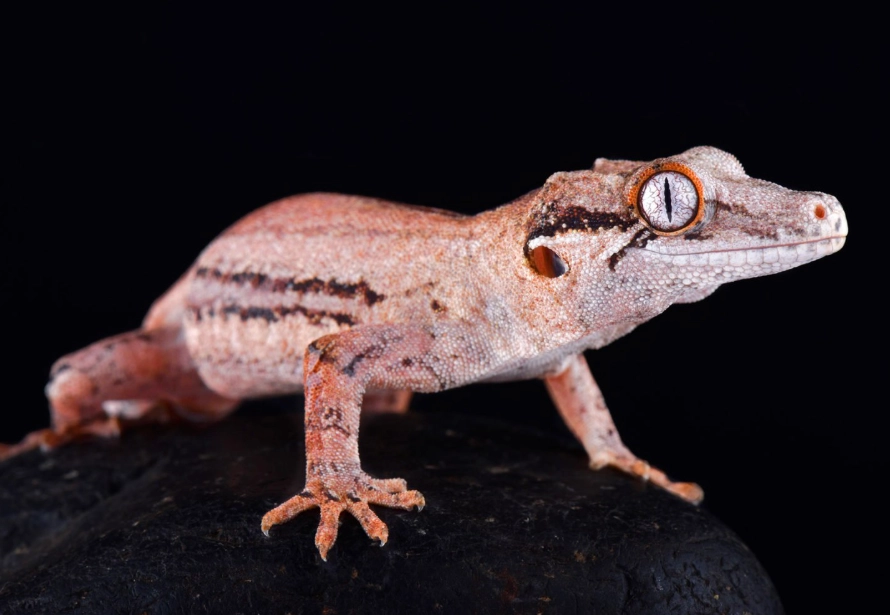
Building a World: The Giant Gecko Habitat Setup
This isn't just a tank with a stick. For a giant gecko, especially the arboreal New Caledonian species, their enclosure is their entire universe. Get it wrong, and you'll have a stressed, potentially sick animal. Get it right, and you'll have a thriving, active pet that displays natural behaviors.
The Enclosure: Think Vertical
For most true giant geckos, floor space is less important than height. These are climbers. A tall glass terrarium (often called a "vivarium") is the standard. Screen tops are fine, but you'll battle humidity – a solid top with ventilation strips is often better.
- For a single adult Gargoyle or Crested Gecko: A minimum of 18"x18"x24" (Height). Bigger is always, always better. A 18"x18"x36" is a palace they'll use every inch of.
- For a single adult Leachianus gecko: Start thinking much bigger. An 18"x18"x36" is the bare minimum for a smaller insular locale. For a large mainland giant gecko, a 24"x24"x48" enclosure isn't overkill. They need room to move.
Don't skimp here.
I made the mistake once of putting a young giant gecko in an enclosure that was "just okay" for size, planning to upgrade. They grow faster than you think, and the upgrade process is stressful for them. Start with the adult-sized home if you can.
Heat, Light, and Humidity: The Tropical Trio
New Caledonia is a tropical island. Your giant gecko's home needs to mimic that.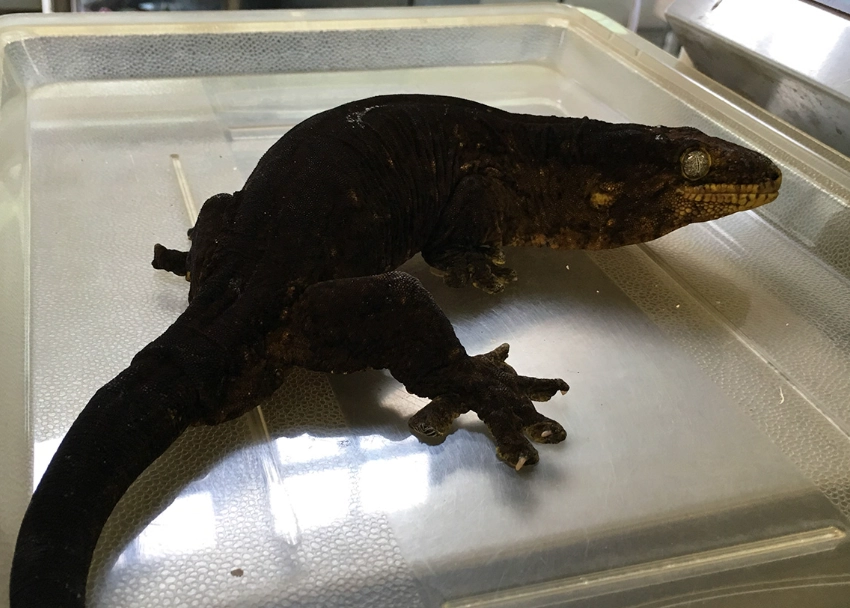
Humidity: This is the big one. Giant geckos need humidity spikes, not constant dampness. Aim for a humidity spike to 70-80% once or twice daily (misting heavily in the evening works great), letting it fall to around 50-60% during the day. Stagnant, high humidity leads to respiratory infections. A digital hygrometer is a non-negotiable purchase.
Furniture and Substrate: Making it a Home
Think like a gecko. You need hides, climbing structures, and foliage.
- Cork Rounds & Tubes: Absolute essentials. They provide secure hides, climbing surfaces, and retain humidity. Get big, thick pieces for a giant gecko.
- Branches & Vines: Create a network for climbing. Manzanita wood is great. Ensure everything is secure – a falling branch can injure a heavy gecko.
- Live or Artificial Plants: Dense foliage makes them feel secure. Pothos, Snake Plants, and Bromeliads are nearly indestructible live options. Artificial plants are easier to clean.
- Substrate: For a bioactive setup (which I highly recommend for stability), use a drainage layer, a soil separator, and a tropical soil mix. For simpler setups, paper towel is safe for quarantine, and coconut fiber or cypress mulch works. Avoid sand, gravel, or anything ingestible.
Fueling Your Giant: Diet and Nutrition
One of the best things about modern giant gecko care is the availability of complete diets. It takes so much guesswork out of nutrition.
The staple for most Rhacodactylus geckos is a powdered Complete Diet Meal Replacement Powder (MRP), like those from Pangea Reptile or Repashy. You mix these powders with water to a ketchup-like consistency. They are nutritionally balanced, containing fruit, insects, vitamins, and calcium. It's incredible science. I feed my guys the Pangea Fig & Insect flavor, and they go nuts for it.
But diet shouldn't be boring. Here's a sample weekly feeding schedule I might use:
- Monday & Thursday: A dish of prepared MRP (freshly mixed).
- Wednesday: Offer a few gut-loaded insects as a treat. Crickets, dubia roaches, or black soldier fly larvae are great. Always dust insects with a calcium + D3 supplement.
- Remove uneaten MRP after 24-48 hours to prevent spoilage.
What about water? They will rarely drink from a standing bowl. They lap droplets from leaves and glass after misting. A light misting in the evening provides their drinking water. Some keepers also provide a very shallow water dish for humidity.
Health and Wellness: Spotting Trouble in Your Giant Gecko
A healthy giant gecko is alert, has clear bright eyes, a plump tail (their fat store), and a good appetite. They should be climbing and active, especially at night.
Here are the red flags. If you see these, it's time for a vet visit with a professional who knows reptiles. The Association of Reptilian and Amphibian Veterinarians (ARAV) website has a find-a-vet tool – use it before you have an emergency.
- Weight Loss / Shriveled Tail: The tail should be plump. A skinny tail means they're burning fat reserves, indicating they're not eating enough due to stress, illness, or incorrect temps.
- Stuck Shed: Especially on toes and the tail tip. Incomplete sheds can constrict and cause the loss of toes or tail segments. Chronic stuck shed points to humidity problems.
- Lethargy / Not Perching: A giant gecko sitting on the floor all the time is a very sick giant gecko.
- Swollen Joints or Limping: Could indicate Metabolic Bone Disease (MBD) from calcium deficiency. This is a painful, debilitating disease.
- Wheezing, Bubbles at Mouth/Nose, Open-Mouth Breathing: Classic signs of a respiratory infection, often from low temperatures or stagnant, wet substrate.
- Loss of Appetite: Going off food for a week or two can be normal, especially for adults or during cooler months. Longer than that, coupled with other symptoms, is a concern.
The best medicine is prevention. Perfect your habitat, feed a quality diet, and don't handle a new gecko excessively. Let them settle in for a few weeks with minimal disturbance.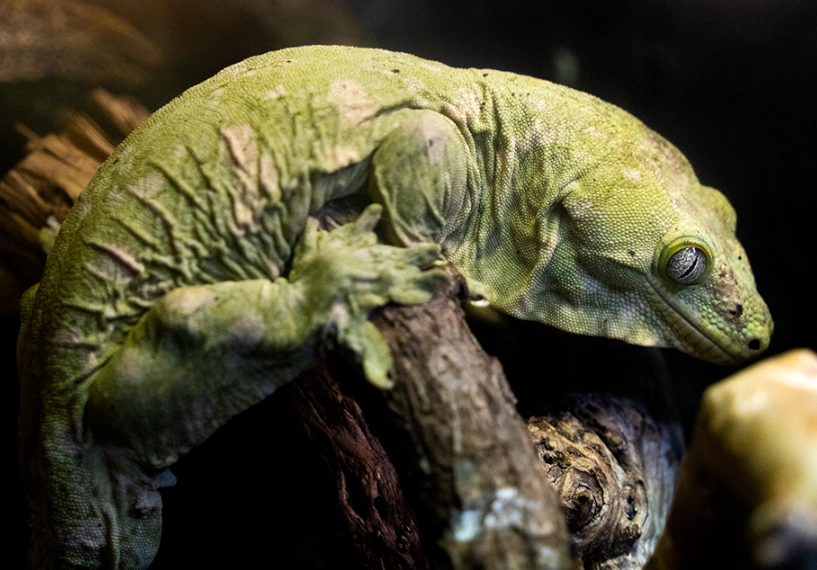
Behavior, Handling, and the Reality of Their Personality
This is where expectations meet reality. Many people envision a giant, handleable lizard like a bearded dragon. It's not quite like that.
Giant geckos are crepuscular/nocturnal. Your main interaction will be in the evening. They can be food-motivated and may come to the front of the tank when they see you, anticipating food. Some individuals are bold, others are perpetually shy.
Handling: Should be done infrequently and always gently. Let them walk onto your hand. Never grab them from above (predator move). Support their whole body. Their skin can tear, and they can drop their tails (though most Rhacodactylus species don't regrow them fully like a Leopard Gecko). A startled giant gecko can also bite – it's more of a pinch than a serious injury, but it's startling.
Vocalizations are a thing! Leachianus geckos are famous for their loud, barking or growling sounds, especially if annoyed. It's a defense mechanism. It can be alarming the first time you hear it.
Your Giant Gecko Questions, Answered
Taking the Next Step: Sourcing and Quarantine
If you're sold, don't just buy the first giant gecko you see online. Do your breeder research. Look for people with established reputations on forums or at reptile expos. Ask about the gecko's lineage, hatch date, and feeding history. A good breeder will ask you questions too, to ensure you're prepared.
When you bring your new giant gecko home, quarantine it. This means:
- Housing it in a separate, simple enclosure (paper towel substrate) in a different room if possible.
- Not sharing tools (tongs, spray bottles) with other pets.
- Washing your hands thoroughly before and after handling.
- Observing it closely for at least 30-90 days for any signs of illness before considering it part of your "collection."
This protects any other reptiles you have and gives your new pet a stress-free period to adjust.
So, is a giant gecko right for you?
If you're fascinated by unique, long-lived, relatively low-maintenance (once set up) pets that you observe more than constantly handle, then absolutely. Start with a Gargoyle or Crested Gecko. Master their care. Fall in love with the hobby. Then, maybe years down the line, if you have the space, budget, and experience, you can consider welcoming one of the true titans, like a Leachianus, into your home.
They're not just big geckos. They're a window into a unique island ecosystem, a testament to successful captive breeding, and for many of us, a truly captivating pet. Just go in with your eyes open, your research done, and your enclosure set up and running perfectly before that little (or not so little) giant arrives.
Reader Comments