Let's cut to the chase. Is 90% humidity too high for a crested gecko? In most standard terrarium setups, yes, 90% is too high as a constant or frequent daytime level. It pushes the upper limits of safety and significantly increases the risk of health problems. However, context is everything. A brief spike to 90% during a heavy nightly misting is different from the enclosure sitting at 90% all day long. The real question isn't just about a single number, but about understanding the ideal range, the risks of getting it wrong, and—most importantly—how to measure and manage it correctly. After years of keeping and breeding these amazing reptiles, I've seen firsthand how humidity mismanagement is one of the top silent killers for novice keepers.
What You'll Find in This Guide
Why Humidity Isn't Just a Number
For crested geckos, humidity isn't a minor detail. It's a core component of their physiology. In their native New Caledonia, they experience a tropical climate with distinct wet and dry periods. We're trying to replicate the beneficial parts of that cycle in a glass box.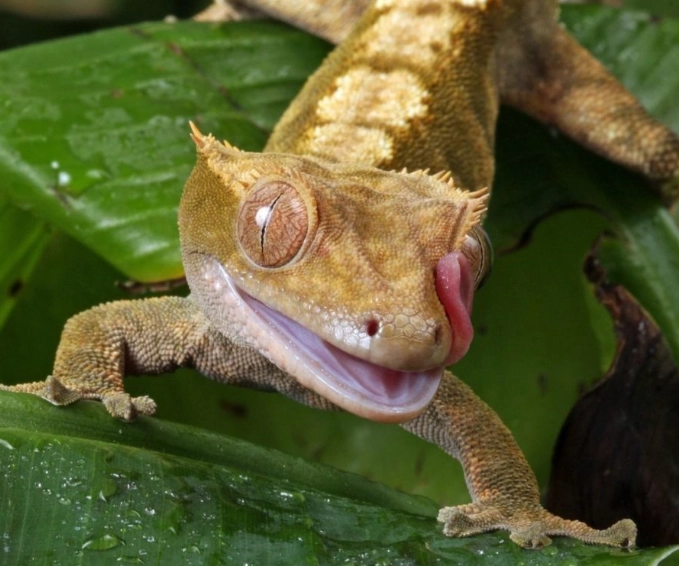
Proper humidity facilitates three critical functions:
Successful Shedding: Crested geckos shed their skin in pieces. Inadequate humidity leads to retained shed, especially on delicate toes, which can constrict blood flow and cause loss of digits. I've had to assist with too many toe sheds from geckos kept in bone-dry conditions.
Respiratory Health: Their lungs are adapted to moist air. While low humidity can cause irritation, chronically high humidity creates a breeding ground for bacteria, directly leading to respiratory infections.
Hydration: They drink water droplets from leaves and glass. No nightly humidity spike often means no drinking. But it's a balance—you want droplets, not a swimming pool.
The Goldilocks Zone: Ideal Crested Gecko Humidity
Forget a single target. Think of a daily cycle, a rhythm your enclosure should follow.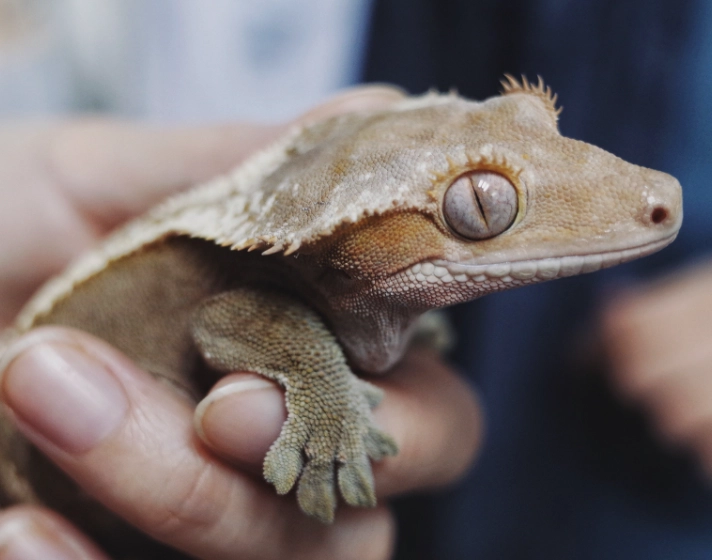
The Sweet Spot: Aim for a humidity level that fluctuates between 50-60% during the day and spikes to 70-80% at night after misting. This spike should then gradually fall back to daytime levels over 8-12 hours.
This cycle is non-negotiable. Constant high humidity (like 80-90% all the time) is dangerous. Constant low humidity (below 50%) is stressful and leads to shedding issues.
Here's where 90% fits in: If your hygrometer hits 90% for an hour or two right after a heavy misting at night, it's usually not a crisis. The problem is if it's still reading 85-90% when you wake up 8 hours later, or worse, at 3 PM the next day. That's a red flag.
The Real Risks of 90% Humidity
Sustained high humidity isn't just "not ideal." It actively creates a hazardous environment. Think of a bathroom that never dries out—mold, mildew, and that damp smell. Now imagine living in it.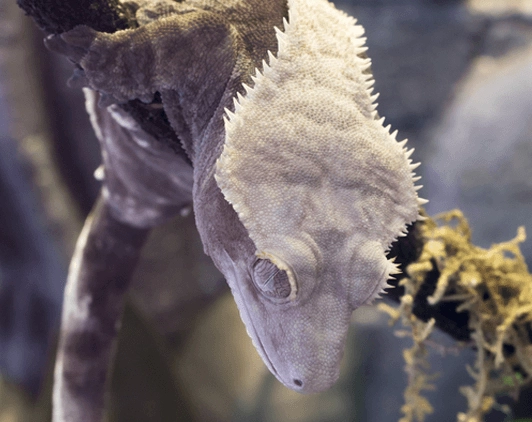
| Risk | How It Happens | Signs to Watch For |
|---|---|---|
| Respiratory Infections (RI) | Bacteria and fungi thrive in stagnant, moist air. Inhaling this constantly irritates and infects the lungs. | Wheezing, clicking sounds, mucus around nostrils or mouth, open-mouth breathing, lethargy. |
| Skin Infections & Scale Rot | The skin stays too soft and macerated, allowing bacterial or fungal spores to take hold, especially on the belly. | Discolored (brown/red) patches, blisters, sores, or a slimy feel to the skin. |
| Proliferation of Mold & Fungus | Excess moisture rots substrate, decor, and leaves. This can produce toxins and ruin a bioactive setup. | White fuzz, green/black mold spots on wood, soil, or plants. A sour, musty smell. |
| General Stress & Immune Suppression | A constantly damp environment is physically stressful, weakening the gecko's overall immune system. | Hiding constantly, loss of appetite, weight loss, increased susceptibility to other illnesses. |
The scary part about respiratory infections is that by the time you hear audible wheezing, the infection is already advanced. Prevention through proper humidity control is infinitely easier than treating an RI, which requires a vet visit, antibiotics, and a high-stress recovery process for your gecko.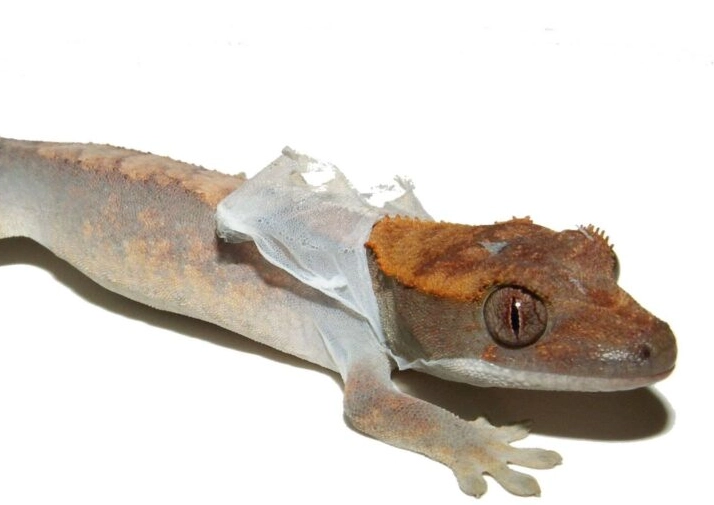
How to Measure Humidity Accurately (Most People Get This Wrong)
Here's a truth bomb: your humidity reading is probably wrong. Not because your hygrometer is broken (though cheap ones often are), but because of where you placed it.
The most common mistake? Placing the hygrometer on the back wall near the substrate. That spot is always more humid. You're measuring the microclimate of the forest floor, not where your gecko spends most of its time.
Do this instead: Place your digital hygrometer in the middle third of the enclosure, on the side wall, preferably near a favorite resting branch or hide. This gives you a reading of the air your gecko is actually breathing.
Use a digital hygrometer with a probe. The analog dials that come with some kits are notoriously unreliable. A good digital one is a non-negotiable investment.
Check it at different times: right after misting, in the middle of the night if you can, and in the late afternoon. This tells you the full story of your humidity cycle.
If you're relying on the "fog test" (if the glass fogs up, it's humid enough), stop. This is a terrible gauge. Glass can fog at widely varying humidity levels depending on room temperature. It tells you nothing precise and promotes over-misting.
The Role of Ventilation
Humidity and ventilation are a package deal. A sealed tank will trap every drop of moisture, leading to stagnation. Modern terrariums with front ventilation and mesh tops exist for a reason. If you have a tank with only a small mesh strip, adding a computer fan on a timer to cycle air for an hour a day can be a game-changer. It doesn't dry out the tank completely; it prevents dead, wet air from settling.
How to Fix and Control High Humidity
So your tank is reading a constant 80-90%. Don't panic. You can fix this. It's a process of adjusting variables.
1. Increase Ventilation: This is step one. Can you safely add more mesh to the lid or upper sides? Can you run a household dehumidifier in the room itself (not in the tank)? Lowering the ambient room humidity helps tremendously.
2. Adjust Your Misting Routine: Are you misting too heavily or too often? Instead of drenching the tank, try a lighter mist that creates droplets on leaves and glass without soaking the substrate. Use a timer-based misting system to ensure consistency and avoid overdoing it manually.
3. Evaluate Your Substrate: Deep, moisture-retaining substrates like coconut fiber or sphagnum moss hold water for a long time. If you have high humidity, use a thinner layer, mix in more drainage materials like orchid bark or hydroballs at the bottom, or switch to a simpler substrate like paper towel temporarily to diagnose the issue.
4. Add a Dehumidifying Aid (Cautiously): In very stubborn cases, a small container of silica gel pellets or uncooked rice (secured in a breathable mesh bag) placed in a high, gecko-inaccessible corner can absorb excess ambient moisture. This is a minor tweak, not a solution for poor ventilation.
5. Consider the Bigger Picture - Bioactive Setups: If you have a bioactive enclosure, the plants and "clean-up crew" should be helping regulate moisture. If it's staying too wet, you might need more water-hungry plants or to check that your drainage layer isn't flooded. A healthy bioactive system should have a natural wet/dry cycle.
Fixing humidity is like tuning an instrument. You change one thing (mist duration), wait 24 hours, check the readings, then adjust another (fan runtime).
Reader Comments