Getting the feeding right is the single most important thing you can do for your Gold Dust Day Gecko. It's not just about keeping them alive; it's about seeing that incredible energy, those vibrant colors, and that curious personality shine through. A poorly fed gecko is a dull, lethargic, and often unhealthy gecko. I've seen it too many times—people get this stunning lizard and then feed it the same two insects until it loses interest or develops health issues.
Let's cut through the confusion. This guide isn't a rehash of generic reptile feeding advice. We're diving deep into what specifically works for Phelsuma laticauda, drawing from both scientific understanding of their wild diet and practical, hands-on experience from keepers who've done it successfully for years. Feeding them properly is simpler than you might think, but there are a few non-negotiable rules and some common pitfalls you absolutely must avoid.
Your Quick Feeding Guide
What Do Gold Dust Day Geckos Eat in the Wild?
To feed them right in captivity, you need to understand their menu in Madagascar. It's a diverse buffet. Primarily, they are insectivores with a serious sweet tooth. Their days are spent hunting small, soft-bodied arthropods among the foliage. Think fruit flies, tiny moths, spiders, and insect larvae. This constant foraging for small prey is key—they're not built to eat one large mealworm and call it a day.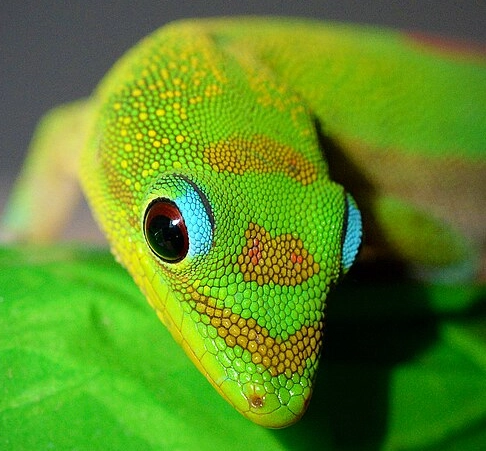
The other half of the equation is nectar and pollen. They have specialized tongues for lapping up sugary liquids from flowers and overripe fruit. This isn't an occasional treat; it's a major source of quick energy and nutrients. This dual diet of protein and sugar is the blueprint we must follow.
Key Takeaway: Ignoring either the insect or the sugary component of their diet is the fastest way to run into problems. A cricket-only diet will lack vital sugars and vice-versa.
Building the Perfect Captive Diet for Your Gecko
Your goal is to replicate that wild variety with safe, readily available foods. Here’s your shopping list, broken down into essentials and bonuses.
Staple Feeder Insects (The Protein Powerhouses)
These should form the core of the insect portion. They need to be small. A good rule is that no insect should be wider than the space between your gecko's eyes.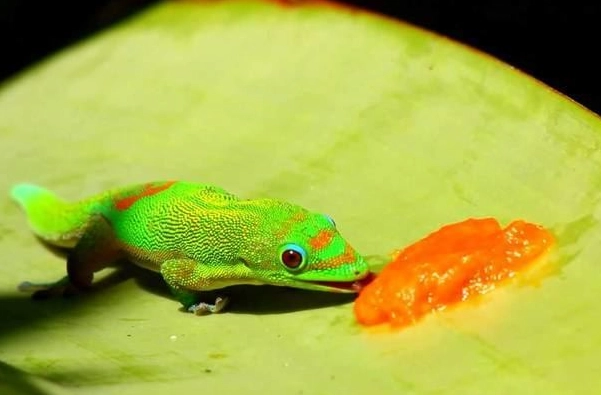
- Pinhead Crickets: The undisputed champion. They're active, stimulating to hunt, and nutritious when gut-loaded. Buy them small and let them grow with your gecko.
- Flightless Fruit Flies (Drosophila hydei or melanogaster): Perfect for juveniles and small adults. They trigger amazing hunting instincts. I culture my own—it's cheap and ensures a constant supply.
- Small Silkworms: A nutritional powerhouse. Soft, easy to digest, and packed with moisture and good nutrients. They can be pricey, so I use them as a weekly booster.
- Black Soldier Fly Larvae (Calciworms/Phoenix Worms): These are fantastic. They have a near-perfect calcium-to-phosphorus ratio, reducing your supplement workload. They're also wiggly and enticing.
The Problem with Mealworms and Superworms
Here's a controversial but crucial point: Stop relying on mealworms. I see them recommended everywhere, but they are a poor staple for day geckos. Their hard chitin shell is difficult to digest, and they are fatty with imbalanced nutrients. They can lead to impaction and obesity. Use them very sparingly, if at all—maybe one or two as a rare treat. Superworms are worse; they're too large and aggressive. A gecko can get a nasty bite.
Sugary Foods (The Nectar Replacements)
This is where many keepers drop the ball. You have two excellent options:
- Commercial Day Gecko Diets: Products like Repashy Superfoods "Crested Gecko Diet" or Pangea's "Fruit Mix with Insects" are game-changers. They are complete, powdered diets you mix with water to form a nectar-like paste. They provide balanced vitamins, minerals, and protein. I keep a small bottle cap of this in my gecko's enclosure at all times, replacing it every other day.
- Fresh Fruit Purees: A more natural but less complete option. Mash up ripe mango, papaya, peach, or apricot. Banana is okay but very sticky. Never use citrus fruits. The downside is you still need to supplement insects heavily, as fruit purees lack certain nutrients.
I lean heavily on the commercial diets. They take the guesswork out of nutrition and my geckos devour them.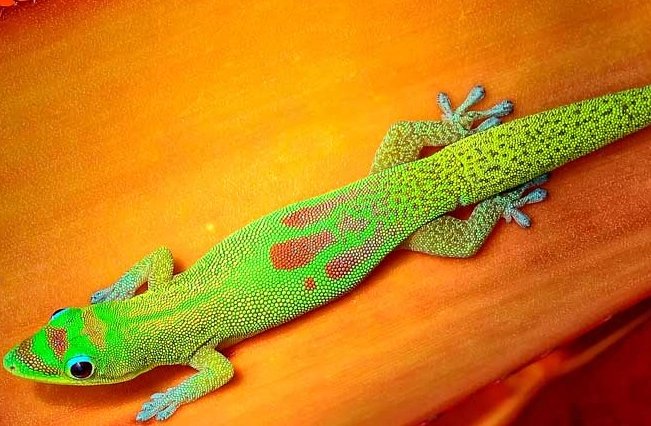
How to Feed Your Gold Dust Day Gecko: A Step-by-Step Guide
Let's walk through a typical feeding day. My adult gecko, Kiko, is my model here.
Morning (8-9 AM): I check his food ledge. I always keep a small cap of Repashy diet available. I refresh it if it's dried out or empty. He often laps at it overnight or in the early morning.
Evening Feeding (The Main Event - 6-7 PM): This is when they are most active. I don't just dump crickets in. Here's my routine:
- I take 4-5 gut-loaded pinhead crickets and put them in a plastic deli cup.
- I lightly dust them with a calcium + D3 supplement (more on supplements next).
- I gently tap the cup near his favorite perch. He's already watching.
- I release one cricket at a time, letting him hunt each one. This prevents crickets from hiding and potentially biting him while he sleeps.
He usually gets this insect feeding every other day. Juveniles get fed daily. The key is observation. Is he hunting eagerly? Is he leaving the CGD untouched? Adjust accordingly.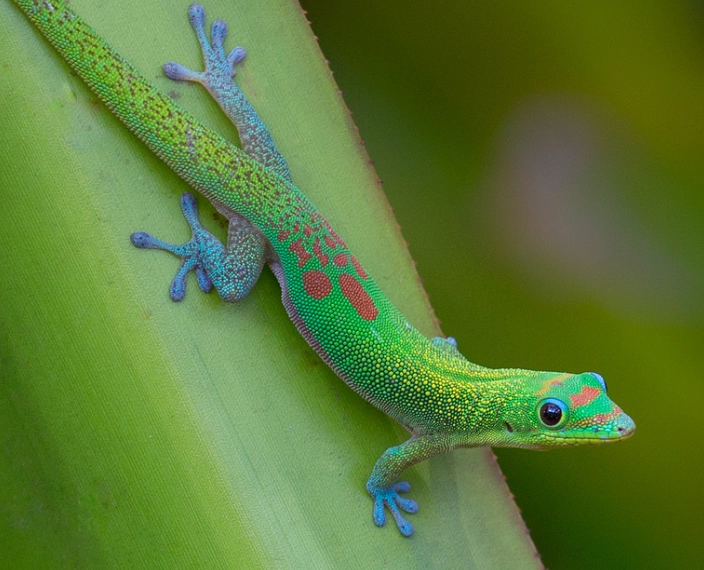
| Food Item | Frequency | Portion Size | Key Benefit / Note |
|---|---|---|---|
| Commercial Gecko Diet (CGD) | Available at all times, refresh every 2 days | Bottle cap sized amount | Complete nutrition, easy to use |
| Pinhead/Small Crickets | Every other day (adults), Daily (juveniles) | 3-5 insects per feeding | Stimulating hunt, primary protein |
| Black Soldier Fly Larvae | 1-2 times per week | 2-3 larvae | Excellent calcium source |
| Fruit Puree (e.g., Mango) | Once a week (if not using CGD daily) | Pea-sized amount | Natural sugars, enrichment |
| Silkworms | Once a week as a treat | 1-2 worms | High moisture, easily digestible |
The Critical Role of Supplements
This is non-negotiable. Feeder insects from a pet store are not nutritionally complete. Dusting is how we fix that.
You need two powders:
- Calcium with Vitamin D3: Use this on insects at almost every feeding for geckos kept indoors without specialized UVB lighting. D3 is essential for calcium absorption. I use Zoo Med's Repti Calcium with D3.
- A Multivitamin: This covers vitamins A, E, and other trace elements. Use this once a week instead of the calcium/D3 dusting. Repashy's SuperVite is a good option.
The Method: Put insects in a bag or cup with a pinch of powder. Shake gently until they have a light, frosty coating. You don't want them looking like donuts in powdered sugar.
Gut-Loading is Not Optional: 24-48 hours before feeding crickets to your gecko, feed the crickets nutritious vegetables (carrots, sweet potato, leafy greens) and a commercial gut-load food. You are what your food eats. A starving cricket is a nutritionally empty cricket.
Top 3 Feeding Mistakes You're Probably Making
- Overfeeding: Gold dust day geckos are small and active. Obesity is a real killer, leading to fatty liver disease. If your gecko's tail is getting round and bulbous instead of tapering, cut back. Stick to the schedule.
- Using a Water Bowl as a Primary Source: They rarely drink from bowls. They lick water droplets from leaves and glass. Mist the enclosure heavily twice a day. This provides drinking water and raises humidity. A dripper system over leaves is even better.
- Ignoring the Nectar Component: I'll say it again. If you're only offering crickets, you're missing a huge part of their natural diet and energy needs. That commercial gecko diet is your best friend.
Your Gold Dust Day Gecko Feeding Questions Answered
Feeding your Gold Dust Day Gecko isn't complicated once you understand their basic needs: small, varied insects, a constant source of sugary nectar-replacement, proper supplementation, and lots of water via misting. Ditch the mealworm habit, embrace the commercial diets, and watch your little jewel thrive. It's incredibly rewarding to see them actively hunt, lap up their food, and display all the natural behaviors a proper diet supports.
Reader Comments