If you're curious about how long Scorpion tailed geckos live, here's the straight answer: in captivity, with good care, they can hit 10 to 15 years, maybe more. But that's just the start. I've kept these leaf-tailed wonders for over a decade, and their lifespan isn't a fixed number—it's a result of everything you do, from habitat setup to diet tweaks. Let's dive into what really matters.
What You'll Learn
Meet the Scorpion Tailed Gecko: A Brief Introduction
Scorpion tailed gecko—sounds dramatic, right? It's actually a common name for Uroplatus sikorae, a species from Madagascar's rainforests. They're called leaf-tailed geckos for their camouflage, but the "scorpion tail" refers to that curled, spine-like appendage. It's not a stinger; it's used for balance and display. These geckos are nocturnal, arboreal, and masters of hiding. When I first got one, I spent hours just trying to spot it in the enclosure. That behavior hints at their needs: they thrive in specific, stable environments.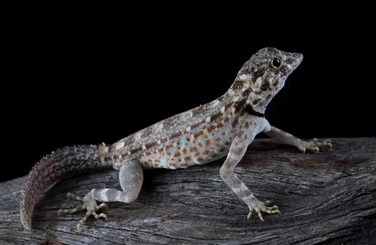
Most pet stores sell them as exotic pets, but they're not beginner-friendly. Their lifespan in captivity hinges on mimicking their natural habitat closely. According to the International Herpetological Society, proper species identification is crucial—some similar-looking geckos have different care requirements. Always source from reputable breeders to avoid wild-caught stress.
Lifespan Expectations: Wild vs. Captivity
In the wild, Scorpion tailed geckos face predators, disease, and habitat loss. Their average lifespan is around 5 to 8 years. In captivity, with controlled conditions, they easily double that. I've seen individuals reach 15 years, and reports from keepers on forums like Reptile Forums mention even older geckos. But here's the catch: not all captive settings are equal. A poorly set-up tank can cut their life short to just a few years.
Let's break it down with a table comparing key aspects:
| Aspect | Wild Lifespan (5-8 years) | Captivity Lifespan (10-15+ years) |
|---|---|---|
| Predation Risk | High—birds, snakes, mammals | None |
| Food Availability | Seasonal, inconsistent | Regular, nutrient-rich diets |
| Environmental Stress | Weather extremes, deforestation | Stable temperature and humidity |
| Health Care | None | Veterinary access, parasite control |
The jump in longevity comes from eliminating wild threats, but it introduces new challenges—like overfeeding or incorrect humidity. That's where most keepers slip up.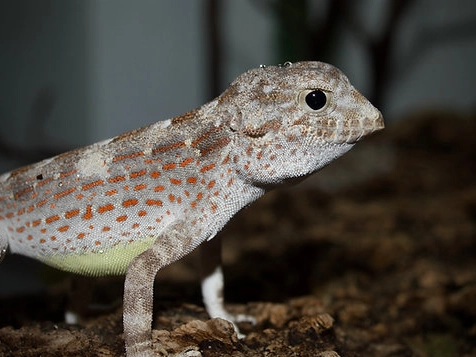
Key Factors That Make or Break Their Longevity
Think of lifespan as a puzzle. Diet, environment, and health care are the big pieces, but how you fit them together matters more.
Diet and Nutrition: More Than Just Crickets
Feeding Scorpion tailed geckos isn't just about tossing insects. They need variety: crickets, roaches, silkworms, and occasional waxworms as treats. Gut-loading—feeding the insects nutritious foods before offering them—is non-negotiable. I learned this the hard way when my gecko showed signs of calcium deficiency despite dusting. The insects were empty shells. Now, I gut-load with carrots, leafy greens, and commercial diets for at least 24 hours.
Supplementation is tricky. Use calcium with D3 twice a week, and a multivitamin once a week. But too much D3 can cause toxicity. A common mistake is following generic schedules; adjust based on your gecko's activity and UVB exposure. If you're using proper UVB lighting, you might need less D3. It's a balancing act.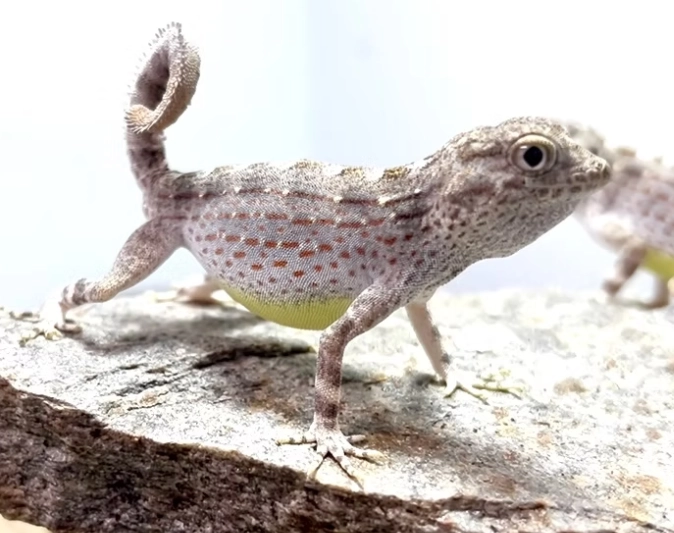
Habitat Setup: The Foundation of Long Life
This is where many fail. Scorpion tailed geckos need vertical space—a tall terrarium, at least 18x18x24 inches for one adult. They're climbers, not floor dwellers. Use live plants like pothos or bromeliads for humidity and hiding spots. Substrate should retain moisture but not stay soggy; I mix coconut fiber with sphagnum moss.
Temperature and humidity are critical. Daytime temps: 72-78°F (22-26°C), with a basking spot up to 82°F (28°C). Nighttime drops to 68-72°F (20-22°C). Humidity: 70-80% during the day, spiking to 80-90% at night. That nighttime spike is often overlooked. Without it, geckos struggle with shedding, leading to skin infections. I use a fogger on a timer to simulate natural dew.
Lighting includes low-level UVB (2-5% output) for 10-12 hours daily. Replace UVB bulbs every 6 months—their output degrades even if they still light up. I've met keepers who used the same bulb for years, wondering why their gecko developed metabolic bone disease.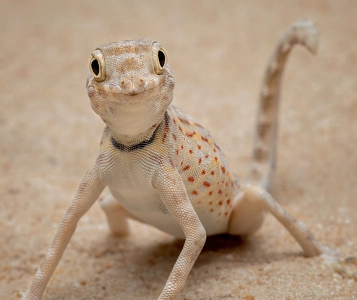
Health Monitoring: Catching Issues Early
Regular checks prevent small problems from becoming lifespan-shorteners. Look for weight loss, lethargy, stuck shed, or labored breathing. Parasites are common in wild-caught geckos; a vet visit for a fecal exam is wise upfront. Quarantine new geckos for at least 30 days—I skipped this once and introduced mites to my collection.
Common health issues include respiratory infections (from poor ventilation), metabolic bone disease (from lack of UVB or calcium), and impaction (from ingesting substrate). Prevention is key: ensure airflow, provide UVB, and feed on a clean surface.
The Care Blueprint for Maximum Longevity
Let's get practical. Here's a step-by-step guide based on my experience and insights from experts like those at Reptiles Magazine.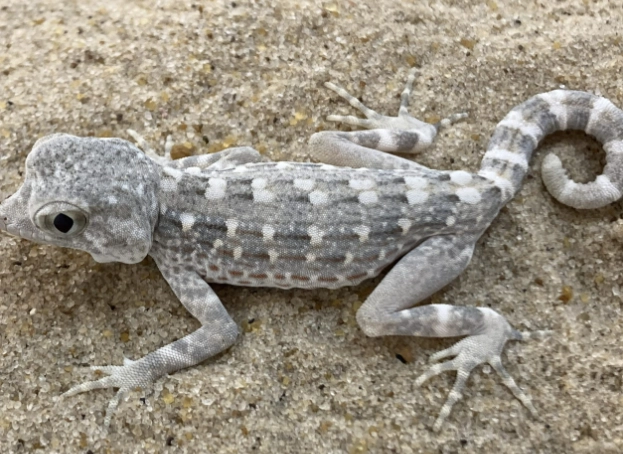
Weekly Routine for a Healthy Gecko:
- Monday: Feed gut-loaded crickets dusted with calcium.
- Wednesday: Offer roaches or silkworms; check humidity levels.
- Friday: Feed with multivitamin dusting; spot-clean enclosure.
- Daily: Mist for humidity spikes at night; monitor temperature.
- Monthly: Deep clean the terrarium; weigh your gecko to track health.
Environmental enrichment matters too. Rearrange branches occasionally or add new hiding spots. It reduces stress, which directly impacts lifespan. I noticed my geckos were more active and ate better after I tweaked their layout every few months.
Breeding considerations: If you're breeding, note that females may have shorter lifespans due to egg-laying stress. Provide extra calcium and recovery time. I limit breeding to once a year for my females to keep them healthy longer.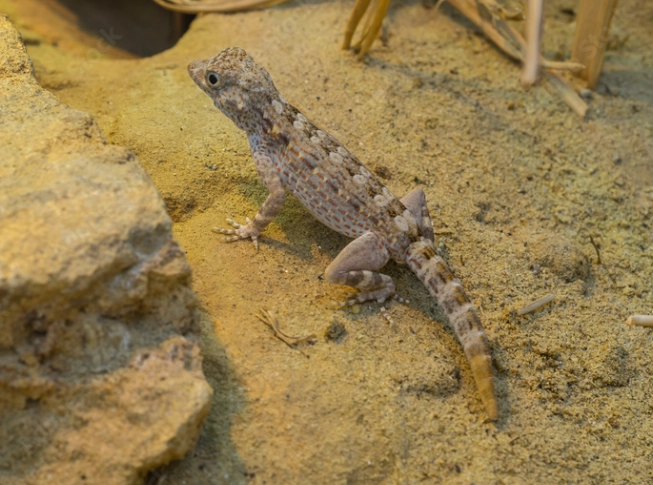
Common Mistakes Even Experienced Keepers Make
Here's where I share non-consensus views. Most care guides repeat the same basics, but after a decade, I've seen subtle errors that shorten lives.
Mistake 1: Over-relying on misting for humidity. Misting raises humidity temporarily, but it doesn't create the consistent spike needed. Use a fogger or humidifier on a timer. I learned this from a keeper in Madagascar who studies wild populations—they experience near-100% humidity at night, not just dampness.
Mistake 2: Ignoring mental stimulation. These geckos are smarter than we think. Boredom leads to stress, weakening their immune system. Add safe objects like cork bark or fake leaves they can explore. One of my geckos started refusing food until I changed its perch setup.
Mistake 3: Skipping veterinary check-ups. Even if your gecko looks healthy, annual vet visits can catch early issues like parasites or organ stress. I budget for this—it's cheaper than treating advanced disease.
Mistake 4: Using inappropriate substrates. Avoid sand or gravel; they cause impaction. Some keepers swear by paper towels for hygiene, but they don't hold humidity well. A mix of organic soil and moss works best.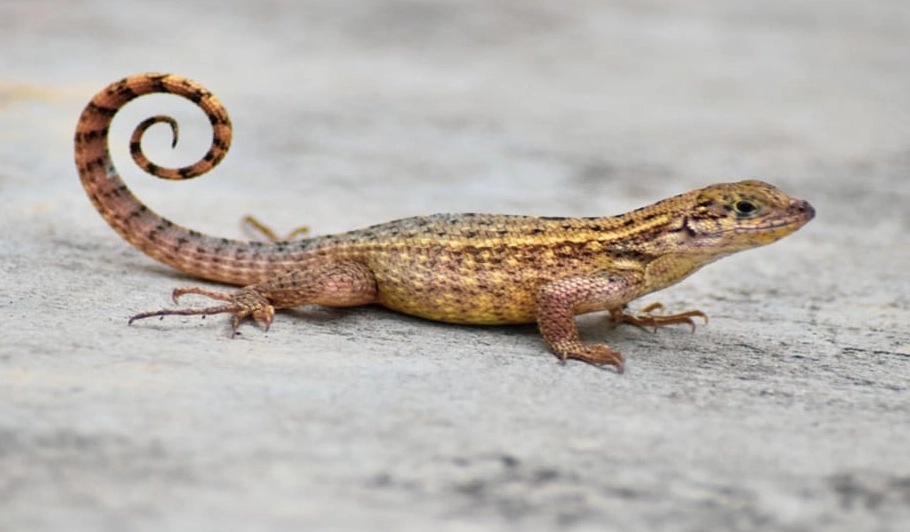
Frequently Asked Questions (FAQ)
Wrapping up, Scorpion tailed gecko lifespan is more than a number—it's a commitment to nuanced care. Start with the basics, but don't stop there. Tweak your setup, observe your gecko, and learn from mistakes. If you've got stories or tips, share them online; the community thrives on real-world experiences. Happy keeping!
Reader Comments